
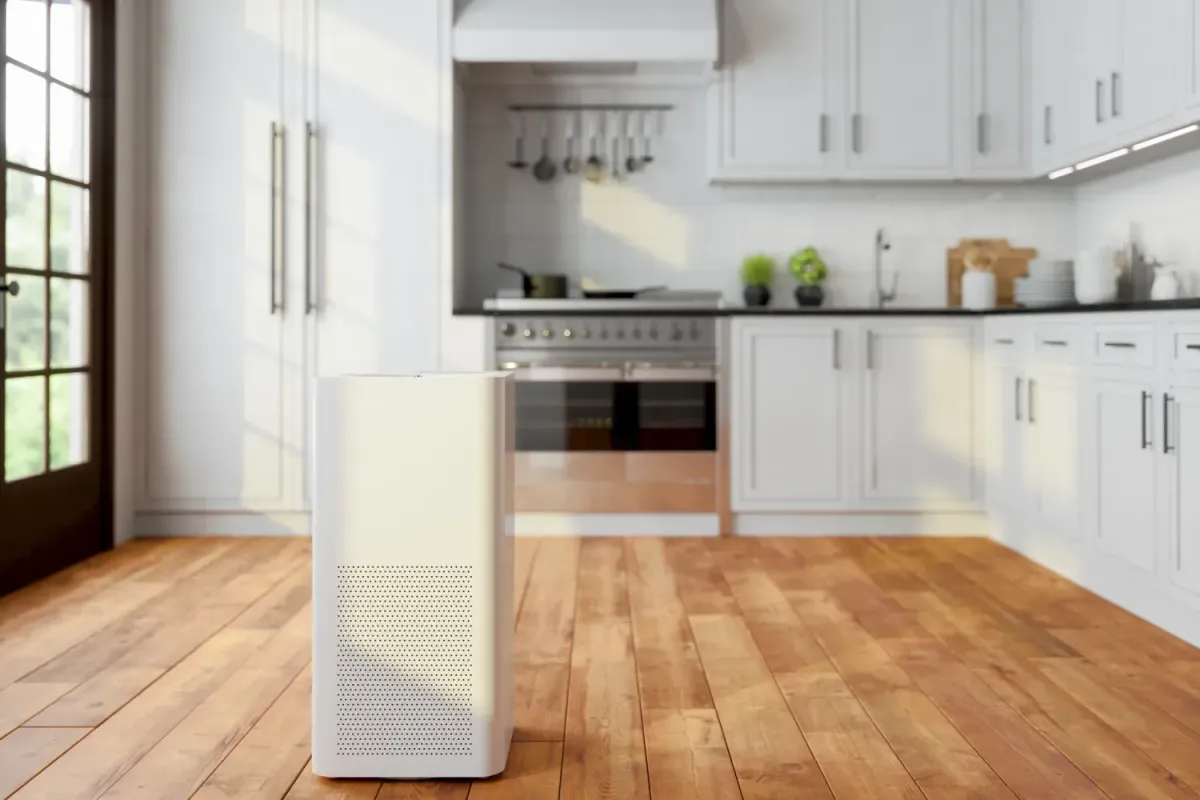
Best Dehumidifiers for Indoor Air Quality in Massachusetts , MA & Surrounding Areas
Humidity levels in Massachusetts, MA and surrounding areas can vary widely throughout the year, often becoming high enough indoors to promote mold growth, musty smells, dust mites, and poor air quality. Excessive moisture can damage wood floors, warp furniture, and make indoor spaces feel uncomfortable. Choosing the right dehumidifier is an effective way to manage indoor humidity, improve air quality, and protect your home or business environment.
Why Should You Consider a Dehumidifier to Improve Indoor Air Quality?
Indoor air quality depends partly on controlling humidity. When moisture levels rise too high, airborne allergens like mold spores, dust mites, and mildew flourish, and odors become more noticeable. Using a dehumidifier helps remove excess moisture from the air and makes environments less hospitable to these problems. Many modern units also work with filters that reduce airborne particles such as dust or pet dander, further improving breathing comfort indoors.
What Features Should You Look for When Choosing a Dehumidifier?
Choosing the right dehumidifier involves looking at features like moisture removal capacity (often measured in pints per day), the presence of filters like HEPA or activated carbon for improved air cleanliness, energy efficiency, automatic shutoff, continuous drainage options, and noise levels. Some units also include built‑in sensors that maintain ideal humidity levels automatically, while others combine dehumidifying with air purification or smart connectivity.
Which Dehumidifier Models Work Well for Large Home Spaces?
Certain high‑capacity dehumidifiers are ideal for large basement areas, living rooms, or entire floors. Models that remove up to 50‑80 pints of moisture per day help maintain humidity in spaces where moisture builds up quickly, especially after rain or heatwaves. These larger units often include features like continuous drain ports, adjustable humidity settings, and durable construction for frequent use.
Are Combo Dehumidifier and Air Purifier Units Worth Considering?
Yes, combo units that combine dehumidification with air purification offer dual benefits. These devices reduce moisture while also filtering airborne particles, allergens, and sometimes VOCs (volatile organic compounds). Units with multiple filters—such as pre‑filters, activated carbon, and HEPA‑like filtration—can help reduce dust, odors, and allergens, providing cleaner and drier air without needing separate machines.
How Does Filter Technology Influence Indoor Air Quality Together With Dehumidification?
Filter technology dramatically impacts indoor air quality. HEPA filters capture microscopic particles like pollen, mold spores, and dust mite debris. Activated carbon filters help neutralize odors and trap gases, smoke, and perfume residue. Some units feature antimicrobial or antibacterial coatings to prevent microbe growth on the filter surface itself. Combining moisture removal with effective filtration enhances overall indoor air cleanliness.
What Maintenance Tasks Help Keep a Dehumidifier Working Efficiently?
To maintain performance, you should clean or replace filters regularly, empty the water tank when full, and ensure vents are unobstructed. Some dehumidifiers include filter alerts to remind you when cleaning is needed. Regular maintenance keeps the unit running efficiently and prolongs its operational life. Proper placement away from corners or obstructions also improves airflow and effectiveness.
Can a Dehumidifier Help Reduce Allergies and Mold Growth?
Yes, by reducing indoor humidity to a comfortable range (typically between 30–50% relative humidity), a dehumidifier makes environments less hospitable to mold and dust mites—two common allergy triggers. This can lead to noticeable improvements in breathing comfort, reduced musty smells, and less visible condensation on windows or walls.
How Do You Know What Size Dehumidifier You Need?
The size you need depends on the square footage of the area and the baseline humidity levels. Smaller rooms or closets may be fine with compact units that remove smaller amounts of moisture daily. Larger areas or damp basements require units with higher moisture extraction rates and larger tank capacities. Some units offer hose connections for continuous drainage, useful in high‑humidity spaces.
Final Thoughts
Choosing the right dehumidifier for indoor air quality in Massachusetts, MA and surrounding areas means thinking about capacity, filter features, energy efficiency, and maintenance needs. Whether you’re dealing with humid summers, basement moisture, or seasonal mold issues, the right dehumidifier can make indoor air healthier and more comfortable, while also protecting your home or business from moisture‑related damage.

What humidity level should I aim for indoors?
Keeping indoor humidity between 30–50% helps prevent mold growth and improves air comfort.
Can a dehumidifier reduce allergy symptoms?
Yes, by reducing humidity you limit mold and dust mites, both of which trigger allergies.
Do all dehumidifiers filter the air?
Not all. Some include air purification features or filters, while basic models focus mainly on moisture removal.
How often should filters be cleaned or replaced?
Check manufacturer recommendations, but regular cleaning every few weeks helps maintain efficiency.
Can a dehumidifier work in multiple rooms?
High‑capacity units may cover larger spaces, but for multiple separate rooms, additional units or strategic placement may help.
Contact Us
Terms & Conditions
Privacy Policy
Email: [email protected]
Phone: +1 508-786-8266
Address: 18 High St, Marlborough, MA 01752, United States