


Pool Heater Repairs & Installations
Reliable solutions to keep your pool running smoothly and efficiently.
Pool Heater Repairs & Installations
Cold nights happen — and when they do, your pool or spa heater becomes the difference between year-round comfort and an expensive piece of equipment sitting idle.
If you love swimming in every season or rely on your spa regularly, a properly working heater is essential. While your heater isn’t required for clean, sanitary water, it is one of the most important components for comfort and enjoyment.
At AquaCare Pool Service, we provide fast, professional pool heater repair and installation services. Our technicians are trained to quickly diagnose issues, explain what’s happening in plain language, and get your system running again as efficiently as possible.
Complete Pool Heater Services
We Handle It All
New heater installation
Heater replacement
Leak detection
Thermostat replacement
Pressure switch replacement
Flow switch replacement
Ignitor troubleshooting and repair
Circuit board and electrical diagnostics
Upgrading to a larger or higher-efficiency model
Whether your heater needs a simple part replacement or a full upgrade, our team can help.
If a heater is repairable, we’ll fix it.
If it isn’t worth repairing, we’ll walk you through the best replacement options without pressure.
A Repair Company That Stands Behind Its Work
Clear Communication. No Guessing.
We’re proud to be one of the most professional and highest-rated pool repair companies in the area — and we take that reputation seriously. If something isn’t done correctly, we will return and make it right immediately, with no extra cost. That’s how it should be.
We believe pool repairs should never feel confusing.
From the moment you schedule a service call to the moment your heater is working again, we keep you updated so you always know:

What the issue is

What the repair involves

What it may cost

How long it should take
No surprises. No vague answers. Just honest service.
The 3 Main Types of Pool Heaters
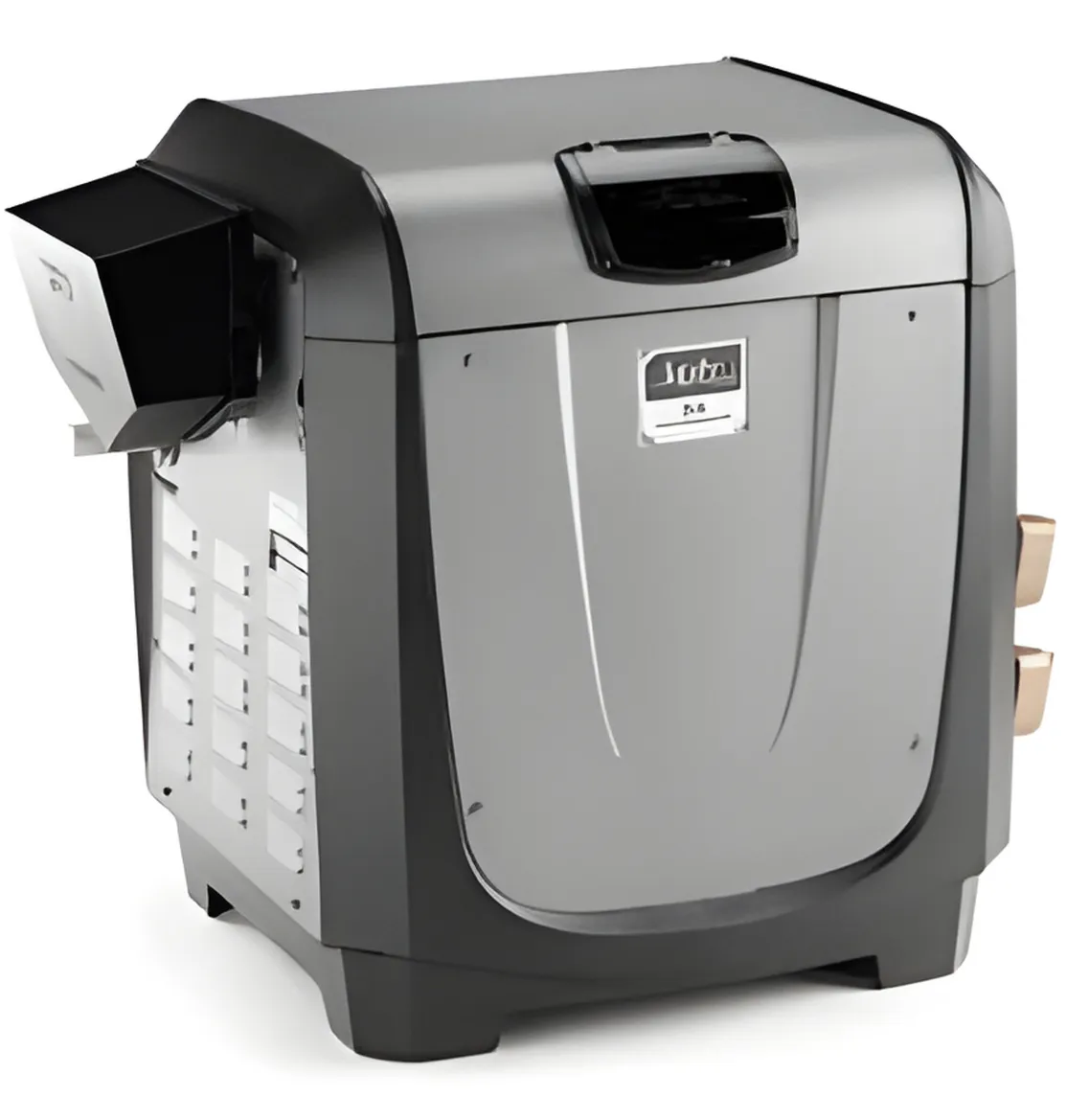
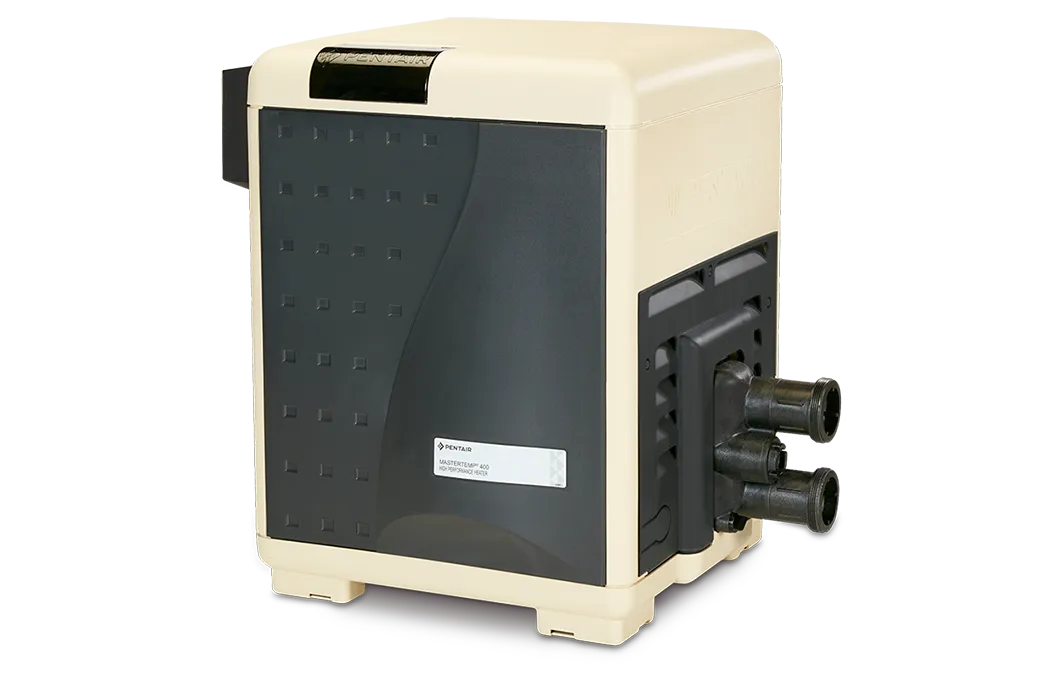
Gas Pool Heaters
Gas heaters are one of the most popular choices for homeowners who want fast heating and strong performance even in colder weather.
They can raise pool temperatures quickly and are ideal for:
Heating on demand
Cooler climates
Spas that need higher temperatures
Gas heaters are also generally more affordable upfront compared to other options.
However, they usually cost more to operate long-term and may require more frequent maintenance. In many cases, gas heaters also tend to have a shorter lifespan than other heater types.
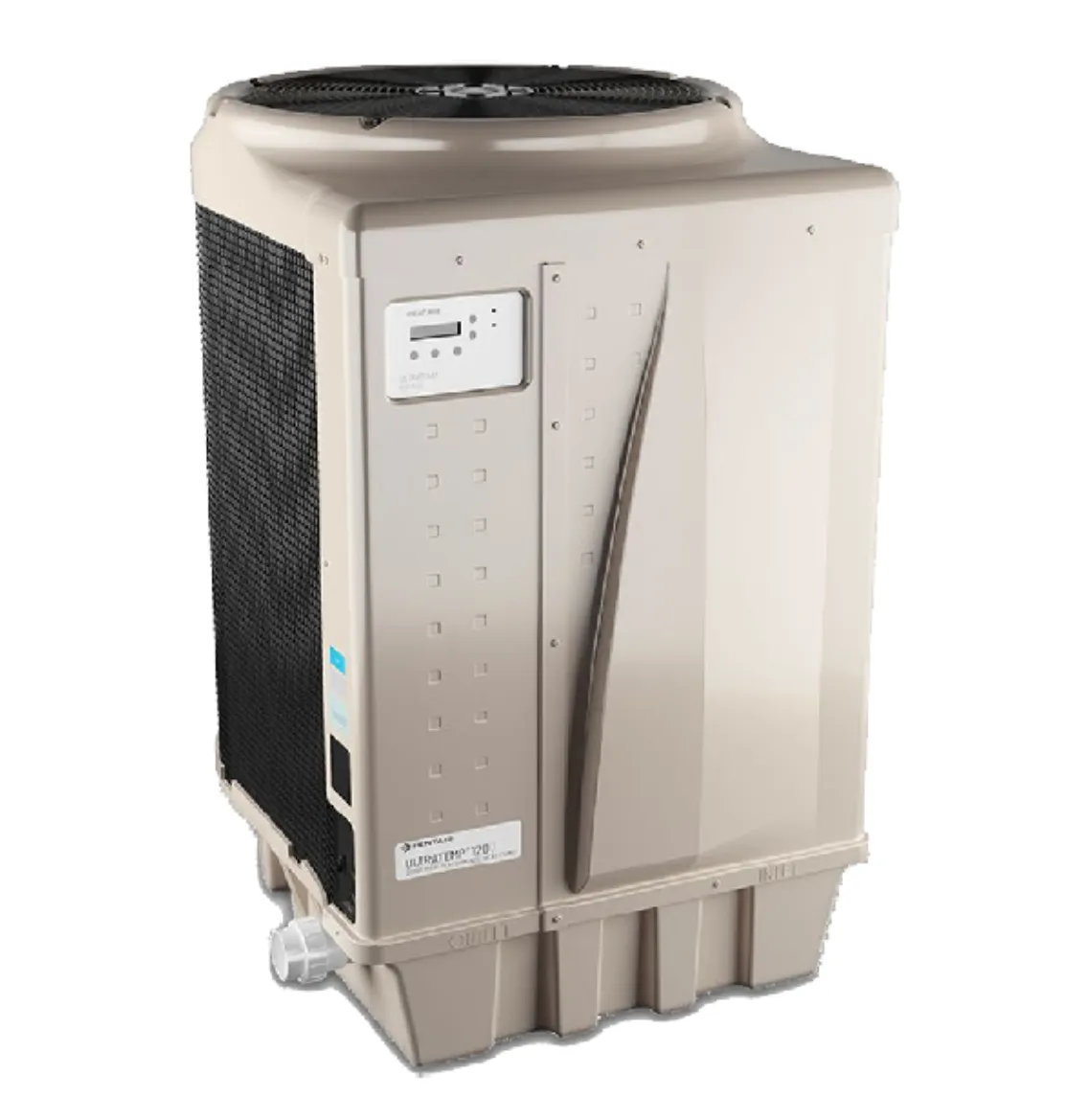
Electric Pool Heaters (Heat Pumps)
Electric heat pumps are a great option for pool owners looking for energy efficiency and lower long-term operating costs.
They’re known for:
High efficiency
Long lifespan
Reliable performance when sized correctly
The tradeoff is that heat pumps typically take longer to warm the water compared to gas heaters, especially during colder months.
Because they pull heat from the surrounding air, they may also be less efficient when outdoor temperatures are low.
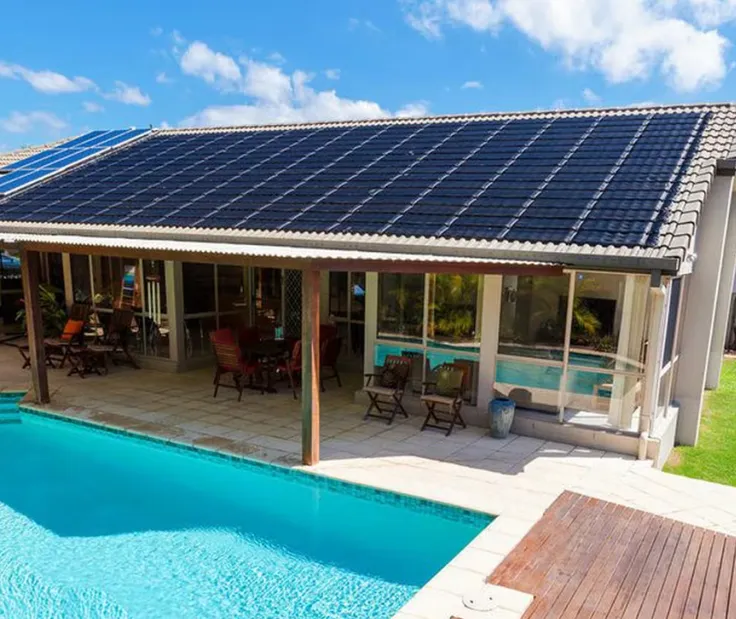
Solar Pool Heaters
Solar pool heaters are one of the most eco-friendly ways to heat your pool.
They’re a great choice if you want:
Minimal operating costs
Long-term savings
A greener heating solution
Solar systems can last many years with minimal maintenance, but they depend heavily on sunlight and weather conditions.
It’s also important to note that solar heating generally won’t raise water temperatures much beyond 85–90°F. If you want spa-level heat above 100°F, you’ll typically need a gas or electric heater.
Many homeowners choose solar as a primary heater and use a gas or heat pump system as backup when temperatures drop.
We Work With All Major Brands
We install and repair all leading pool heater manufacturers


Our team will help you select the right model for your pool size, usage, and budget — and ensure it’s installed correctly.
What to Consider When Choosing a Pool Heater
We install and repair all leading pool heater manufacturers

Pool Size & Heater Output
Heater sizing is one of the most important parts of the decision.
A properly sized heater should have enough BTUs to raise your pool temperature efficiently without running nonstop.
A quick way to estimate heating needs is:
Pool gallons × 8.34 = BTUs needed to raise 1°F
Example:
A 20,000-gallon pool needs about 166,800 BTUs to raise the water by 1 degree.
Pool heaters typically range from 75,000 to 400,000 BTUs, and in many cases, choosing a slightly larger unit provides better performance with minimal added cost.

Location & Climate
Climate plays a huge role in heater performance.
Gas heaters perform best in colder weather
Heat pumps perform best in moderate climates
Solar systems work best in consistently sunny locations
A professional can help you choose the best heater for your local conditions.

Total Cost (Upfront + Long-Term)
When comparing heaters, it’s important to think beyond the purchase price.
Some heaters cost less upfront but more to operate. Others cost more initially but save money over time through efficiency.
Your ideal heater depends on whether you want:
The lowest upfront cost
The lowest monthly operating cost
The fastest heating performance
The best long-term value

Energy Efficiency
Efficiency matters — especially if you plan to heat your pool regularly.
Depending on the type of heater, you may want to compare:
Energy efficiency ratings
Fuel type and local utility costs
Real-world heating speed and performance
We’ll help you choose a heater that balances performance and efficiency for your needs.

Maintenance Requirements
Like any pool equipment, heaters work best when maintained.
Annual inspections help prevent:
Reduced heating performance
Premature wear
Scale buildup
Flow-related issues
Regular maintenance also helps extend heater lifespan.

Expected Heater Lifespan
Typical lifespans vary by heater type:
Gas heaters: 5–10 years
Electric heat pumps: 10–15 years
Solar heaters: 10+ years
Your actual lifespan will depend on water chemistry, maintenance, usage, and installation quality.
Need Help Choosing or Repairing a Pool Heater?
Picking the right heater — or knowing whether repair or replacement makes more sense — can be tricky. That’s exactly what we’re here for.
At AquaCare Pool Service, our technicians can help you:

Diagnose heater problems quickly

Repair issues correctly the first time

Recommend the right replacement if needed

Install and set up your heater professionally
Contact us today and let’s get your pool or spa warm, comfortable, and ready for use year-round.



@ Copyright 2026 AquaCare Pool Services, Inc. - All rights reserved