
Tile Flooring Installation Services in Dundee, MI and Surrounding Areas
Tile flooring remains a top choice for property owners across Southeast Michigan. From homes in Dundee and Ann Arbor to commercial spaces in Detroit, Royal Oak, and Farmington Hills, tile combines timeless beauty with long-term durability. Understanding the tile types, installation process, costs, and comparisons with epoxy flooring helps homeowners and businesses make the best flooring decisions
What Are the Key Types of Tile Flooring Available?
Tile flooring in Dundee, Detroit, and surrounding towns is generally available in three main categories. Ceramic tile is affordable, stylish, and works best in low-traffic areas such as living rooms and hallways. Porcelain tile, known for its density and superior water resistance, is well-suited for bathrooms, kitchens, and busy commercial lobbies in places like Royal Oak or Taylor. For those seeking premium aesthetics, natural stone options such as granite, slate, and marble bring a luxurious look to foyers, retail shops, and upscale homes in Farmington Hills and Ann Arbor.
Which Tile Patterns and Designs Are Popular in Southeast Michigan Homes?
Homeowners across Woodhaven, Wyandotte, and Gibraltar often select patterns that balance tradition with modern style. Subway bond layouts remain a timeless choice for kitchens and backsplashes, while herringbone designs add a touch of elegance and depth to living rooms or entryways. Large-format planks, which mimic the look of natural wood, are popular for open-plan spaces in Detroit and Farmington Hills. Mosaic insets, on the other hand, provide decorative accents that enhance showers, foyers, and feature walls with added character and detail.
How Does Tile Flooring Installation Work in Dundee and Nearby Areas?
Professional tile installation in Dundee, Taylor, and Roseville follows a structured process to ensure a durable result. The project begins with subfloor evaluation and any necessary repairs or leveling. Installers then plan the layout and dry-lay tiles to confirm alignment before spreading thin-set mortar with the correct notching technique. Tiles are carefully set and spaced, with grout applied once curing begins. The process concludes with sealing grout lines and porous surfaces to protect against stains and moisture. Depending on the size and complexity of the project, such as a 200-square-foot room, installation typically takes four to six days.
What Preparation Is Required for Successful Tile Installation?
Preparation is one of the most important aspects of tile installation in Ann Arbor, Royal Oak, and surrounding towns. Contractors often perform moisture testing to ensure subfloors are dry, apply leveling compounds to correct uneven areas, and install cement backer boards when working on wood subfloors. These steps help prevent problems such as cracking, shifting, or mold growth, ensuring that the tile flooring remains secure and attractive for many years.
How Does Tile Flooring Compare to Epoxy Flooring?
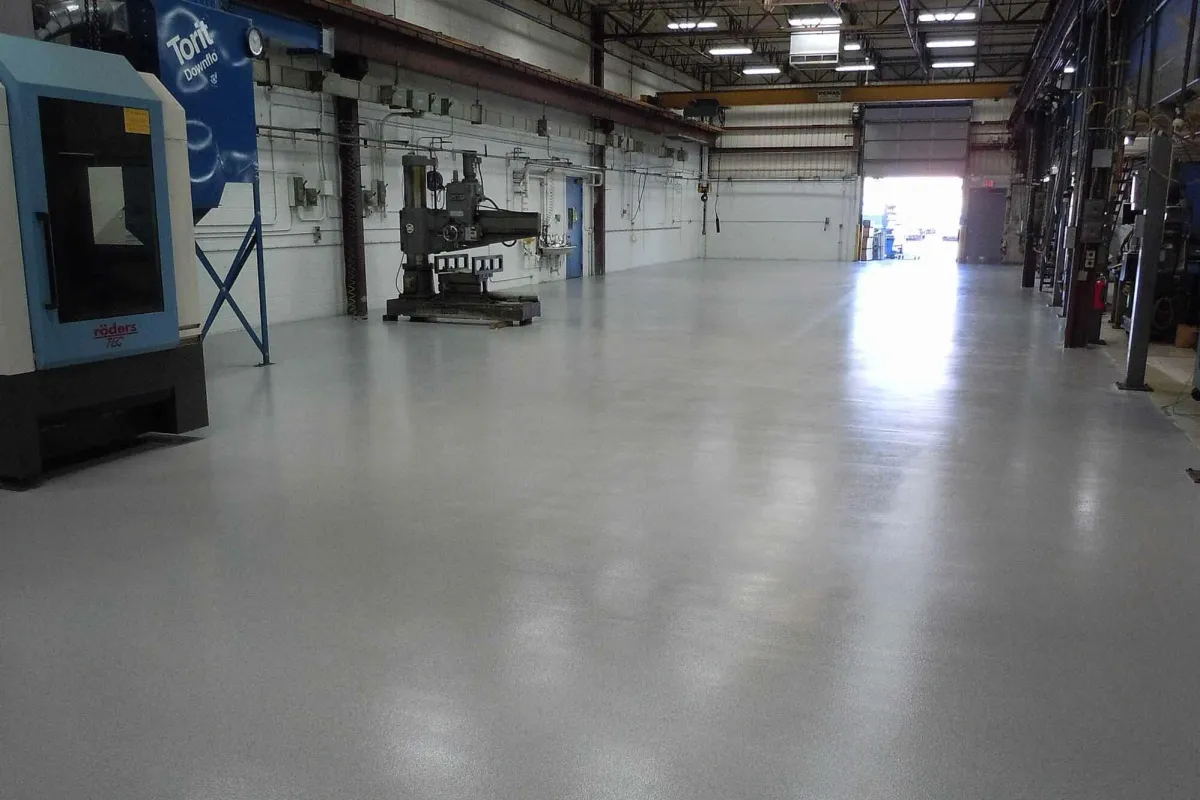
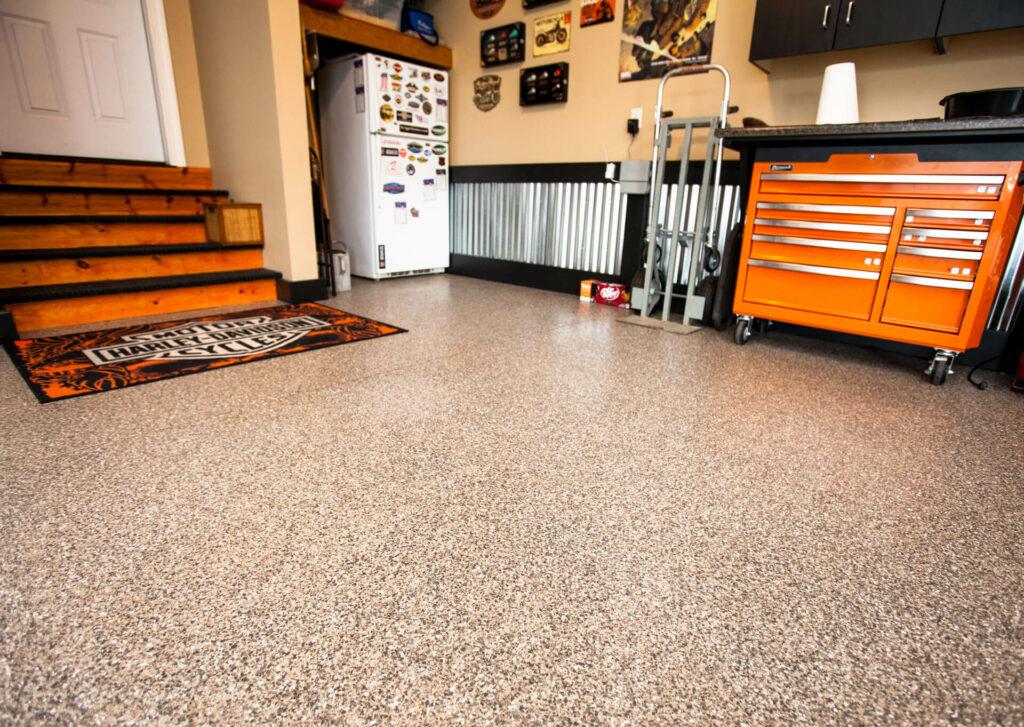
Property owners in Wyandotte, Roseville, and Detroit often compare the performance of tile flooring to epoxy flooring. In terms of durability, tile resists scratches but is prone to chipping under heavy impact, while epoxy provides a seamless, impact- and chemical-resistant surface. Tile requires more maintenance because grout must be cleaned and resealed regularly, whereas epoxy is easier to maintain with simple sweeping and mopping. Costs also differ, with tile installation ranging between $8 and $15 per square foot, while epoxy typically falls between $3 and $10 per square foot, making it more affordable for larger areas. From a safety perspective, textured tile helps reduce slips in kitchens and bathrooms, while epoxy can be customized with slip-resistant aggregates, which are especially useful in garages and industrial spaces in Gibraltar or Woodhaven.
How Much Does Tile Flooring Installation Cost in Dundee and Surrounding Cities?
The cost of tile flooring installation in Dundee, Ann Arbor, and Farmington Hills depends on several factors including tile type, square footage, subfloor condition, and pattern complexity. On average, projects range between $8 and $15 per square foot, with natural stone being the most expensive option. By comparison, epoxy flooring often costs between $3 and $10 per square foot, which makes it an appealing alternative for large garages or commercial properties where cost efficiency is a priority.
What Challenges Affect Tile Flooring in Michigan?
Tile flooring in Michigan can be affected by unique climate-related challenges. In Southeast Michigan, freeze-thaw cycles can weaken grout if it is not properly sealed, while substrate movement may cause cracks in the tile surface without the use of proper underlayment. Moisture exposure in basements and kitchens is another concern, making vapor barriers and sealants necessary. Professional installers in Detroit, Taylor, and Roseville typically address these challenges with flexible adhesives, high-quality grout, and expansion joints that protect the integrity of the flooring over time.
How Should Tile Flooring Be Maintained?
Maintaining tile flooring is essential for extending its lifespan and preserving its appearance. In Dundee and Ann Arbor, property owners are advised to sweep floors regularly to remove abrasive debris and mop with pH-neutral cleaners that protect the tile finish. Grout should be deep-cleaned and resealed every one to two years, particularly in high-traffic or wet areas. For more serious issues such as cracked tiles, persistent grout problems, or subfloor movement, professional repair services are recommended to restore both functionality and aesthetics.
Why Hire Local Dundee Tile Experts?
Hiring local Dundee tile experts offers multiple advantages for property owners across Southeast Michigan. Contractors familiar with Michigan’s climate and building codes can provide installations that are both compliant and durable. They also use proper preparation techniques and high-quality materials, ensuring long-term performance. Many local installers provide free estimates, financing options, and access to reviews or project galleries, which help customers in Royal Oak, Wyandotte, and Farmington Hills make informed decisions. By working with regional experts, homeowners and businesses can expect flooring that is both beautiful and built to withstand Michigan’s conditions.
Final Thoughts
Tile flooring installation across Dundee, Ann Arbor, Detroit, and nearby cities offers unmatched elegance and durability when installed by experienced professionals. From ceramic and porcelain to natural stone, tile suits everything from kitchens and foyers to commercial lobbies and showrooms. When compared with epoxy flooring, property owners can weigh decorative appeal against seamless durability for their specific needs. By partnering with trusted Dundee-area installers, you’ll secure beautiful, long-lasting flooring that enhances property value and stands the test of time.
How long does tile flooring typically last?
With proper installation and maintenance, tile flooring can last 20–50 years depending on the material and usage.
Can tile flooring be installed over existing floors?
Yes, in many cases tile can be installed over concrete, vinyl, or old tile if the surface is clean, level, and structurally sound.
Is tile flooring good for Michigan’s climate?
While laminate is water-resistant, it’s best used in areas with minimal exposure to standing water. For higher-moisture areas, waterproof laminate or vinyl alternatives may be recommended.
How do I keep grout from discoloring?
Regular cleaning with pH-neutral products and applying a grout sealer every one to two years helps prevent staining and discoloration.
Do Dundee tile contractors offer free estimates?
Most local tile experts in Dundee and surrounding areas such as Ann Arbor, Detroit, and Royal Oak provide free consultations and estimates to help plan projects.
Email: [email protected]
Phone: +1 734-875-8241
Address: 17109 Day Rd, Dundee, MI 48131