
Blog

Blog

Quitclaim Deed vs Warranty Deed in WV: What You’re Really Signing
Quitclaim Deed vs Warranty Deed in West Virginia: What You’re Really Signing
Knowing the difference between a quitclaim deed and a warranty deed is essential when you deal with property in West Virginia. These instruments serve distinct legal functions. A quitclaim transfers only the interest the grantor may have and gives no title warranties. A warranty deed includes express guarantees about the validity of title. This article describes each deed type, outlines the risks associated with quitclaim deeds, and explains the protections warranty deeds provide so you can choose the appropriate form for your transaction.
A clear grasp of how each deed is drafted helps you understand its legal effect.
Quitclaim vs. Warranty Deed Construction
This construction may give a deed the effect of a quitclaim deed. It distinguishes the form of the instrument as a quitclaim deed rather than a warranty deed. Deeds-Construction as Quitclaim, Bargain-and-Sale, or Warranty Deed, 1955
What Is a Quitclaim Deed and What Are Its Risks in West Virginia?

A quitclaim deed transfers whatever interest the grantor holds in property, if any, without warranties about title. The grantor does not assure ownership or declare the property free of liens or encumbrances. The key risk is that you may receive no enforceable ownership if the grantor lacks valid title, which can result in disputes and financial loss.
The potential for fraudulent or improperly executed deeds in West Virginia underscores why these distinctions matter.
West Virginia Fraudulent Deeds & Property Risks
The record showed the deed was executed and recorded, yet no portion of the purchase money was paid; the court characterized the deed as fraudulent. WEST VIRGINIA SUPREME COURT
How Does a Quitclaim Deed Affect Property Ownership Rights in WV?
A quitclaim deed transfers the grantor's existing interest without assuring its validity. If liens or competing claims exist, you may inherit unresolved encumbrances that limit your ownership rights and reduce the property's value. A comprehensive title search is necessary to assess those risks before you accept a quitclaim conveyance.
When Is Using a Quitclaim Deed Appropriate in West Virginia?
A quitclaim deed can be suitable in limited circumstances, such as:
Intra-family Transactions: Quitclaim deeds are often used among family members, such as transferring property between parents and children, where trust exists.
Clearing Title Defects: If there are minor issues with the title, a quitclaim deed can help clear up any uncertainties.
Low-Risk Transfers: In cases where the parties are familiar with each other and the property, a quitclaim deed can simplify the transfer process.
What Are the Benefits of a Warranty Deed in West Virginia Real Estate Transactions?
A warranty deed provides statutory and contractual protections that many buyers prefer. Its principal benefits are:
Full Title Warranty: A warranty deed guarantees that the grantor holds clear title to the property and has the authority to transfer it.
Legal Protections for the Buyer: If title issues arise, the grantor is legally obligated to defend the title against claims.
Marketability of the Property: Properties conveyed by warranty deed are generally more marketable because buyers receive a guaranteed title.
When transactions are complex, selecting the correct deed is critical. Moye Law Firm provides legal guidance on property transactions and advises clients on their options. For more information about our practice areas and how we can assist you, visit our website.
How Does a Warranty Deed Provide Legal Protection and Title Guarantees?

A warranty deed secures the grantee through several core features:
Assurances from the Grantor: The grantor guarantees that they own the property and that it is free from any encumbrances, except those disclosed in the deed.
Covenants to Defend Title: The grantor agrees to defend the title against any claims that may arise, providing peace of mind to the grantee.
Reduction of Post-Closing Disputes: By ensuring that the title is clear, warranty deeds help minimize disputes after the transaction is completed.
FeatureDescriptionBenefitAssurancesGuarantees ownership and freedom from encumbrancesPeace of mind for the buyerCovenantsLegal obligation to defend the titleProtection against future claimsClarityA clear title reduces disputesSmooth transaction process
Overall, warranty deeds typically offer stronger title protections than quitclaim deeds, making them the safer choice for buyers concerned with clear ownership.
What Are the Advantages of Choosing a Warranty Deed Over a Quitclaim Deed?
Selecting a warranty deed rather than a quitclaim deed provides several practical advantages for buyers:
Full Title Warranty vs. No Warranty: Warranty deeds provide a full warranty of title, while quitclaim deeds offer no such assurances.
Buyer Confidence: Buyers are more likely to feel secure in their investment when acquiring property through a warranty deed.
Legal Protections: Warranty deeds come with legal protections that can safeguard the buyer against future claims or disputes.
The legal distinction between these deed types is significant; courts frequently examine deed language to determine the parties' actual intent and the scope of conveyance.
Warranty vs. Quitclaim Deed: Court Interpretation
When an instrument might be characterised as either a warranty deed or a quitclaim deed, courts examine its language to determine the proper classification. Use of the Special Warranty in Oklahoma and Texas Oil and Gas Transactions, 2016
How Do You Transfer Property in West Virginia: Deed Types and Recording Process
To transfer property in West Virginia you must choose the appropriate deed form and complete the county recording process. The principal deed types used are quitclaim deeds and warranty deeds.
Choose the Right Deed: Determine whether a quitclaim or warranty deed is more suitable for your transaction.
Prepare the Deed: Ensure that the deed is properly drafted, including all necessary information about the grantor, grantee, and property description.
Record the Deed: Submit the completed deed to the county clerk's office for recording, which provides public notice of the transfer.
What Are the Legal Requirements for Recording Deeds in West Virginia?
Recording a deed in West Virginia requires compliance with several formalities:
Identification of Grantor and Grantee: The deed must clearly identify both the grantor and grantee.
Legal Description of Property: A detailed legal description of the property being transferred must be included.
Notarization and Recording: The deed must be notarized and then recorded with the county clerk to be legally effective.
How Does Title Insurance Complement Deed Protections in WV?
Title insurance is an important safeguard for West Virginia property owners. It covers title defects that may not be found during a title search. Title insurance complements warranty deed protections by:
Protection Against Title Defects: Title insurance safeguards against issues such as undisclosed liens or claims that could affect ownership.
Difference from Deed Protections: While deeds provide assurances from the grantor, title insurance offers additional security against unforeseen problems.
Importance of Title Insurance: Having title insurance is essential for buyers, as it provides financial protection and peace of mind.
How Can Moye Law Firm Assist with Choosing and Executing the Right Deed in West Virginia?
Moye Law Firm offers comprehensive legal support to help you select and execute the appropriate deed. Services include:
Deed Preparation Services: Ensuring that all deeds are accurately prepared to meet legal requirements.
Title Searches and Issue Resolution: Conducting thorough title searches to identify any potential issues before the transaction.
Legal Guidance Throughout the Process: Providing expert advice to navigate the complexities of real estate transactions.
Learn more about our firm and team on our About Us page.
What Legal Services Does Moye Law Firm Offer for Real Estate Deed Transactions?
Moye Law Firm provides a range of services for deed transactions, including:
Deed Preparation: Crafting legally sound deeds that protect clients' interests.
Title Issue Resolution: Addressing any title defects or disputes that may arise.
Coordination with Estate Planning: Ensuring that property transfers align with clients' overall estate planning goals.
Why Is Local WV Legal Expertise Important When Signing Deeds?
Local legal expertise matters in West Virginia because attorneys familiar with state statutes and local practice can streamline transactions and prevent errors. They know state-specific requirements and common county procedures, which helps reduce the risk of improper execution or recording.
Compliance with State Statutes: Local attorneys are familiar with state laws and regulations governing property transactions.
Understanding Local Practices: Knowledge of local customs and practices can help streamline the transaction process.
Preventing Legal Complications: Engaging a local attorney can help avoid potential legal issues that may arise from improper deed execution or recording.
Understanding the differences between quitclaim and warranty deeds lets you make informed choices that protect your property rights and investments in West Virginia.
For further assistance, contact us to schedule a consultation or visit our FAQs page for more information.
Frequently Asked Questions
What are the common uses for a quitclaim deed in West Virginia?
Quitclaim deeds are commonly used for intra-family transfers, clearing minor title defects, or low-risk transfers between acquainted parties. Because they contain no warranties, you should understand the risk of existing liens or competing claims before accepting a quitclaim conveyance.
How does a warranty deed affect the resale value of a property?
A warranty deed can improve resale prospects because it offers buyers assurance of clear title and legal protections. That assurance often makes a property more attractive, which can speed sale timelines and support stronger offers compared with properties conveyed by quitclaim deed.
What should I do if I suspect a quitclaim deed is fraudulent?
If you suspect fraud, act promptly. Preserve any documents or communications you have and consult a real estate attorney right away. An attorney can evaluate the matter, advise on contesting the deed, and pursue remedies to protect your ownership rights. Moye Law Firm also handles personal injury law and divorce and family law matters, providing comprehensive legal support.
Can a warranty deed be contested after it has been recorded?
Yes. A recorded warranty deed can be challenged on grounds such as fraud, undue influence, or lack of capacity at the time of signing. If a dispute arises, the grantee should gather evidence and seek legal counsel to navigate the litigation or defense process.
What role does title insurance play in real estate transactions?
Title insurance protects buyers from title defects not discovered in a title search and provides financial coverage against claims or liens that arise after closing. It complements deed-based protections by offering an additional layer of security for your investment.
How can I verify the legitimacy of a deed before signing?
Before signing, obtain a full title search to identify liens, claims, or encumbrances. Have a real estate attorney review the deed language to ensure it complies with legal requirements. This due diligence helps you avoid defects and confirms that the transfer matches your expectations.
What are the implications of not recording a deed in West Virginia?
Failing to record a deed can create serious complications. An unrecorded deed may not be enforceable against third parties and can leave you vulnerable to competing claims. It can also complicate future sales or financing, since buyers and lenders generally require recorded proof of ownership.

Moye Law Offices
We have two offices in West Virginia: Winfield and Cross Lanes.
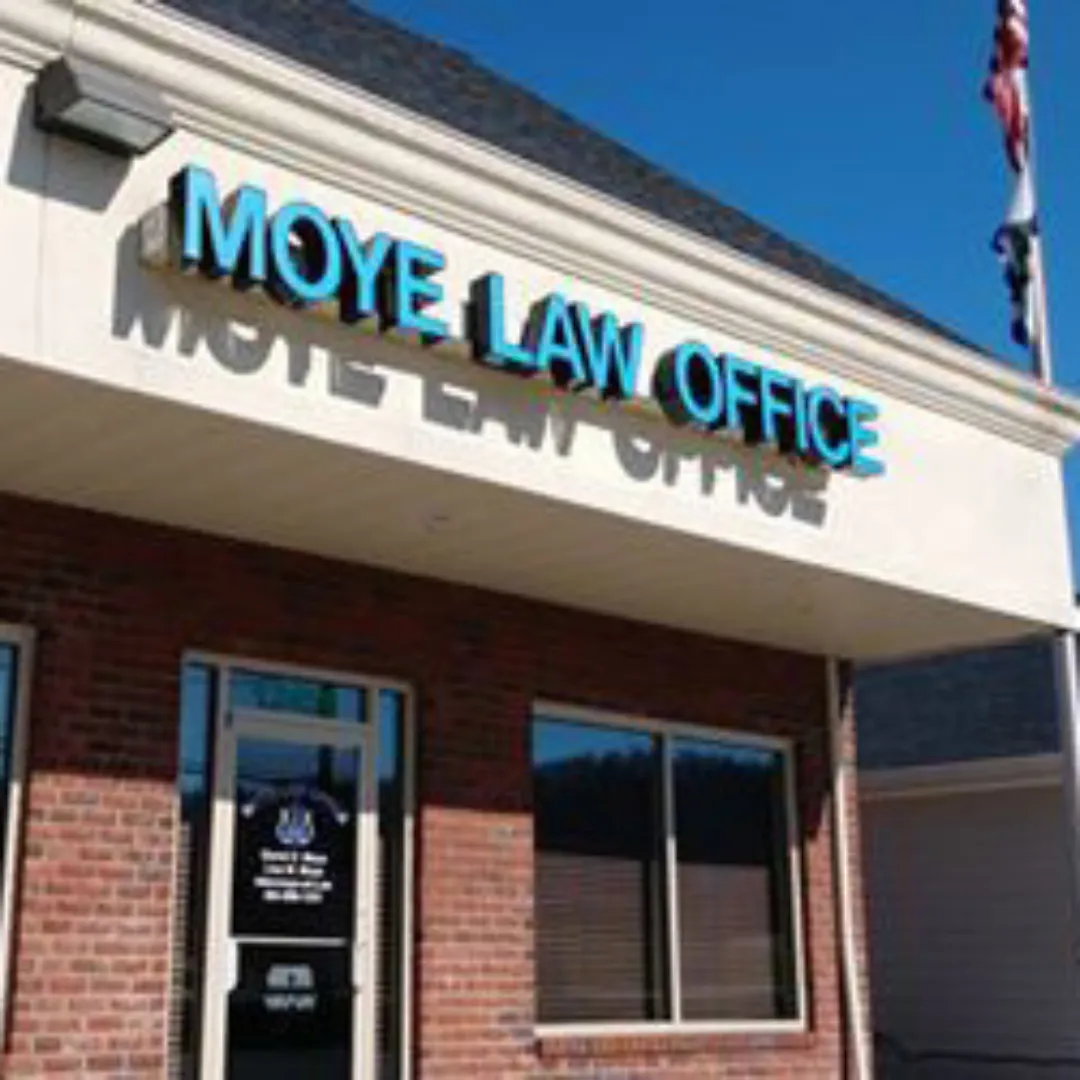
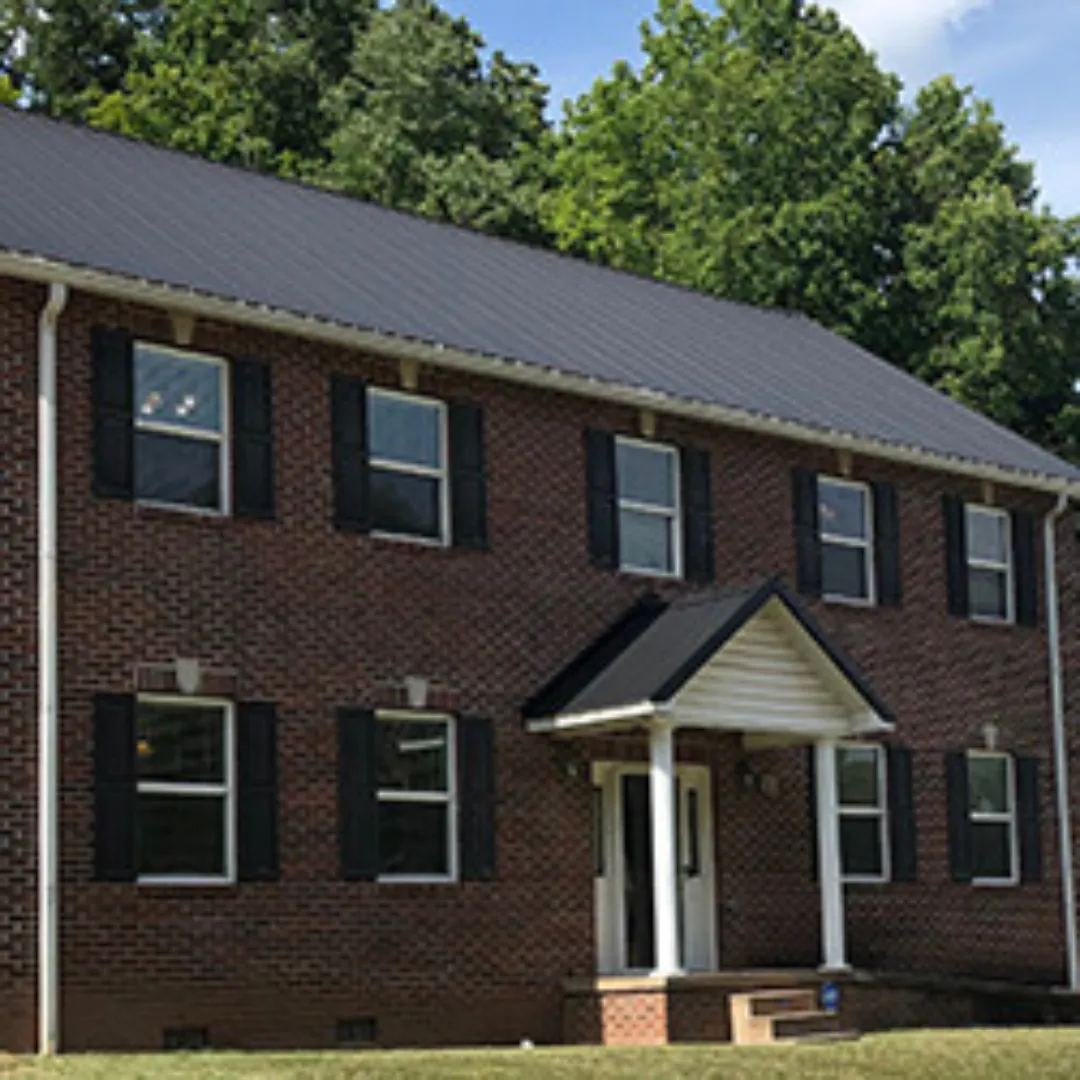
CROSS LANES
Quitclaim Deed vs Warranty Deed in WV: What You’re Really Signing
Quitclaim Deed vs Warranty Deed in West Virginia: What You’re Really Signing
Knowing the difference between a quitclaim deed and a warranty deed is essential when you deal with property in West Virginia. These instruments serve distinct legal functions. A quitclaim transfers only the interest the grantor may have and gives no title warranties. A warranty deed includes express guarantees about the validity of title. This article describes each deed type, outlines the risks associated with quitclaim deeds, and explains the protections warranty deeds provide so you can choose the appropriate form for your transaction.
A clear grasp of how each deed is drafted helps you understand its legal effect.
Quitclaim vs. Warranty Deed Construction
This construction may give a deed the effect of a quitclaim deed. It distinguishes the form of the instrument as a quitclaim deed rather than a warranty deed. Deeds-Construction as Quitclaim, Bargain-and-Sale, or Warranty Deed, 1955
What Is a Quitclaim Deed and What Are Its Risks in West Virginia?
A quitclaim deed transfers whatever interest the grantor holds in property, if any, without warranties about title. The grantor does not assure ownership or declare the property free of liens or encumbrances. The key risk is that you may receive no enforceable ownership if the grantor lacks valid title, which can result in disputes and financial loss.
The potential for fraudulent or improperly executed deeds in West Virginia underscores why these distinctions matter.
West Virginia Fraudulent Deeds & Property Risks
The record showed the deed was executed and recorded, yet no portion of the purchase money was paid; the court characterized the deed as fraudulent. WEST VIRGINIA SUPREME COURT
How Does a Quitclaim Deed Affect Property Ownership Rights in WV?
A quitclaim deed transfers the grantor's existing interest without assuring its validity. If liens or competing claims exist, you may inherit unresolved encumbrances that limit your ownership rights and reduce the property's value. A comprehensive title search is necessary to assess those risks before you accept a quitclaim conveyance.
When Is Using a Quitclaim Deed Appropriate in West Virginia?
A quitclaim deed can be suitable in limited circumstances, such as:
Intra-family Transactions: Quitclaim deeds are often used among family members, such as transferring property between parents and children, where trust exists.
Clearing Title Defects: If there are minor issues with the title, a quitclaim deed can help clear up any uncertainties.
Low-Risk Transfers: In cases where the parties are familiar with each other and the property, a quitclaim deed can simplify the transfer process.
What Are the Benefits of a Warranty Deed in West Virginia Real Estate Transactions?
A warranty deed provides statutory and contractual protections that many buyers prefer. Its principal benefits are:
Full Title Warranty: A warranty deed guarantees that the grantor holds clear title to the property and has the authority to transfer it.
Legal Protections for the Buyer: If title issues arise, the grantor is legally obligated to defend the title against claims.
Marketability of the Property: Properties conveyed by warranty deed are generally more marketable because buyers receive a guaranteed title.
When transactions are complex, selecting the correct deed is critical. Moye Law Firm provides legal guidance on property transactions and advises clients on their options. For more information about our practice areas and how we can assist you, visit our website.
How Does a Warranty Deed Provide Legal Protection and Title Guarantees?
A warranty deed secures the grantee through several core features:
Assurances from the Grantor: The grantor guarantees that they own the property and that it is free from any encumbrances, except those disclosed in the deed.
Covenants to Defend Title: The grantor agrees to defend the title against any claims that may arise, providing peace of mind to the grantee.
Reduction of Post-Closing Disputes: By ensuring that the title is clear, warranty deeds help minimize disputes after the transaction is completed.
FeatureDescriptionBenefitAssurancesGuarantees ownership and freedom from encumbrancesPeace of mind for the buyerCovenantsLegal obligation to defend the titleProtection against future claimsClarityA clear title reduces disputesSmooth transaction process
Overall, warranty deeds typically offer stronger title protections than quitclaim deeds, making them the safer choice for buyers concerned with clear ownership.
What Are the Advantages of Choosing a Warranty Deed Over a Quitclaim Deed?
Selecting a warranty deed rather than a quitclaim deed provides several practical advantages for buyers:
Full Title Warranty vs. No Warranty: Warranty deeds provide a full warranty of title, while quitclaim deeds offer no such assurances.
Buyer Confidence: Buyers are more likely to feel secure in their investment when acquiring property through a warranty deed.
Legal Protections: Warranty deeds come with legal protections that can safeguard the buyer against future claims or disputes.
The legal distinction between these deed types is significant; courts frequently examine deed language to determine the parties' actual intent and the scope of conveyance.
Warranty vs. Quitclaim Deed: Court Interpretation
When an instrument might be characterised as either a warranty deed or a quitclaim deed, courts examine its language to determine the proper classification. Use of the Special Warranty in Oklahoma and Texas Oil and Gas Transactions, 2016
How Do You Transfer Property in West Virginia: Deed Types and Recording Process
To transfer property in West Virginia you must choose the appropriate deed form and complete the county recording process. The principal deed types used are quitclaim deeds and warranty deeds.
Choose the Right Deed: Determine whether a quitclaim or warranty deed is more suitable for your transaction.
Prepare the Deed: Ensure that the deed is properly drafted, including all necessary information about the grantor, grantee, and property description.
Record the Deed: Submit the completed deed to the county clerk's office for recording, which provides public notice of the transfer.
What Are the Legal Requirements for Recording Deeds in West Virginia?
Recording a deed in West Virginia requires compliance with several formalities:
Identification of Grantor and Grantee: The deed must clearly identify both the grantor and grantee.
Legal Description of Property: A detailed legal description of the property being transferred must be included.
Notarization and Recording: The deed must be notarized and then recorded with the county clerk to be legally effective.
How Does Title Insurance Complement Deed Protections in WV?
Title insurance is an important safeguard for West Virginia property owners. It covers title defects that may not be found during a title search. Title insurance complements warranty deed protections by:
Protection Against Title Defects: Title insurance safeguards against issues such as undisclosed liens or claims that could affect ownership.
Difference from Deed Protections: While deeds provide assurances from the grantor, title insurance offers additional security against unforeseen problems.
Importance of Title Insurance: Having title insurance is essential for buyers, as it provides financial protection and peace of mind.
How Can Moye Law Firm Assist with Choosing and Executing the Right Deed in West Virginia?
Moye Law Firm offers comprehensive legal support to help you select and execute the appropriate deed. Services include:
Deed Preparation Services: Ensuring that all deeds are accurately prepared to meet legal requirements.
Title Searches and Issue Resolution: Conducting thorough title searches to identify any potential issues before the transaction.
Legal Guidance Throughout the Process: Providing expert advice to navigate the complexities of real estate transactions.
Learn more about our firm and team on our About Us page.
What Legal Services Does Moye Law Firm Offer for Real Estate Deed Transactions?
Moye Law Firm provides a range of services for deed transactions, including:
Deed Preparation: Crafting legally sound deeds that protect clients' interests.
Title Issue Resolution: Addressing any title defects or disputes that may arise.
Coordination with Estate Planning: Ensuring that property transfers align with clients' overall estate planning goals.
Why Is Local WV Legal Expertise Important When Signing Deeds?
Local legal expertise matters in West Virginia because attorneys familiar with state statutes and local practice can streamline transactions and prevent errors. They know state-specific requirements and common county procedures, which helps reduce the risk of improper execution or recording.
Compliance with State Statutes: Local attorneys are familiar with state laws and regulations governing property transactions.
Understanding Local Practices: Knowledge of local customs and practices can help streamline the transaction process.
Preventing Legal Complications: Engaging a local attorney can help avoid potential legal issues that may arise from improper deed execution or recording.
Understanding the differences between quitclaim and warranty deeds lets you make informed choices that protect your property rights and investments in West Virginia.
For further assistance, contact us to schedule a consultation or visit our FAQs page for more information.
Frequently Asked Questions
What are the common uses for a quitclaim deed in West Virginia?
Quitclaim deeds are commonly used for intra-family transfers, clearing minor title defects, or low-risk transfers between acquainted parties. Because they contain no warranties, you should understand the risk of existing liens or competing claims before accepting a quitclaim conveyance.
How does a warranty deed affect the resale value of a property?
A warranty deed can improve resale prospects because it offers buyers assurance of clear title and legal protections. That assurance often makes a property more attractive, which can speed sale timelines and support stronger offers compared with properties conveyed by quitclaim deed.
What should I do if I suspect a quitclaim deed is fraudulent?
If you suspect fraud, act promptly. Preserve any documents or communications you have and consult a real estate attorney right away. An attorney can evaluate the matter, advise on contesting the deed, and pursue remedies to protect your ownership rights. Moye Law Firm also handles personal injury law and divorce and family law matters, providing comprehensive legal support.
Can a warranty deed be contested after it has been recorded?
Yes. A recorded warranty deed can be challenged on grounds such as fraud, undue influence, or lack of capacity at the time of signing. If a dispute arises, the grantee should gather evidence and seek legal counsel to navigate the litigation or defense process.
What role does title insurance play in real estate transactions?
Title insurance protects buyers from title defects not discovered in a title search and provides financial coverage against claims or liens that arise after closing. It complements deed-based protections by offering an additional layer of security for your investment.
How can I verify the legitimacy of a deed before signing?
Before signing, obtain a full title search to identify liens, claims, or encumbrances. Have a real estate attorney review the deed language to ensure it complies with legal requirements. This due diligence helps you avoid defects and confirms that the transfer matches your expectations.
What are the implications of not recording a deed in West Virginia?
Failing to record a deed can create serious complications. An unrecorded deed may not be enforceable against third parties and can leave you vulnerable to competing claims. It can also complicate future sales or financing, since buyers and lenders generally require recorded proof of ownership.
Moye Law Offices
We have two offices in West Virginia:
Winfield and Cross Lanes.
CROSS LANES
We Are Here To Help
Do you have a query or problem that you would like to talk about, or are you curious to hear more about how we can help you?
Get in touch today! We look forward to hearing from you.
Assistance Hours
Monday – Friday: 8:30am – 4:30pm
Saturday: By appointment only
Sunday: CLOSED
Subscribe to our Newsletter
We Are Here To Help
Do you have a query or problem that you would like to talk about, or are you curious to hear more about how we can help you?
Get in touch today! We look forward to hearing from you.
Assistance Hours
Monday – Friday 8:30am – 4:30pm
Saturday: By appointment only
Sunday CLOSED