
Blog

Blog
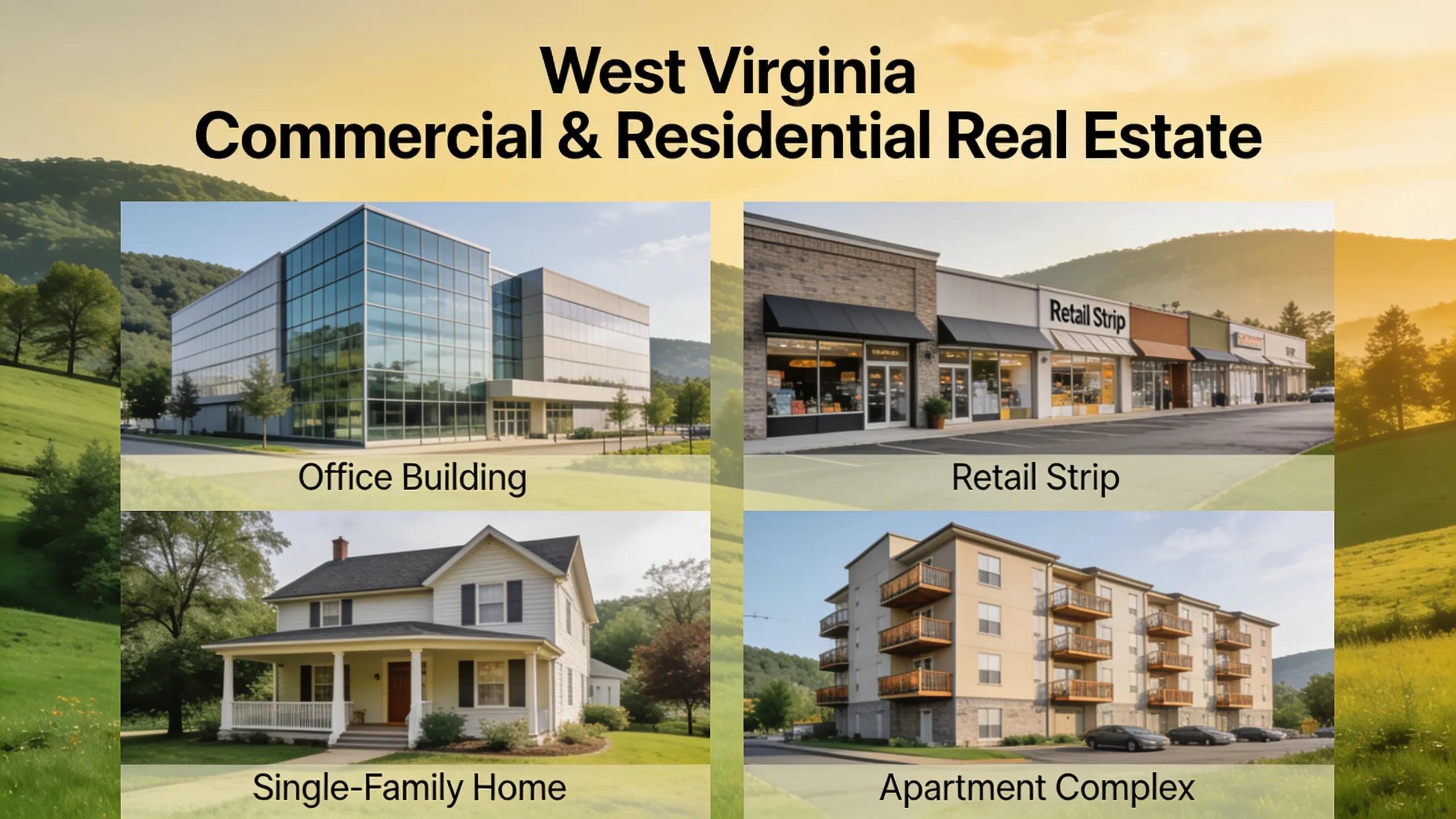
Navigating WV Real Estate Closings: Expert Attorney Insights
Commercial Real Estate Closings vs Residential Closings in West Virginia: Legal Guidance from a Commercial Real Estate Attorney WV
Real estate closings follow different legal paths for commercial and residential properties. This guide summarises those differences under West Virginia law and outlines the steps parties should expect. For clients and businesses, counsel from a specialised attorney—such as Moye Law Firm—helps ensure compliance with local rules and a smoother closing.
Legal Differences
West Virginia treats commercial and residential closings under different regimes. Residential deals typically use standard forms and consumer-protection provisions, producing a more predictable process. Commercial transactions rely on bespoke contracts, broader documentation, and attention to zoning and environmental matters that affect use and liability.
The table below highlights key contrasts:
Closing TypeComplexity LevelDocumentation RequirementsLegal OversightTypical Parties InvolvedResidentialModerateStandard forms, mortgage documentsMinimal oversightIndividual buyers and sellersCommercialHighExtensive due diligence, contracts, zoning complianceSignificant oversightInvestors, corporations, multiple stakeholders
These distinctions affect strategy and risk allocation; specialised legal support is often essential. Moye Law Firm offers tailored guidance for commercial closings.
Processes Involved


Commercial transactions generally require more review and coordination than residential ones. Below are the core steps for each type.
Due Diligence:Residential: Basic inspections and title searches.Commercial: Site assessments, financial review, and environmental studies, including detailed assessments of compliance risk, tenant contracts, and potential liabilities that may affect operational capabilities.
Title Search:Residential: Checks on ownership and clear title.Commercial: Deeper searches for liens, easements, encumbrances, mineral rights and environmental liens, all affecting property value and use.
Closing Procedures:Residential: Fewer documents and participants, often a single signing.Commercial: Multiple meetings among lawyers, buyers, sellers, lenders, investors, and representatives to satisfy complex legal and financial conditions.
Because commercial matters demand more coordination and contract drafting, experienced counsel is important throughout the process. Equally, residential closings benefit from clear understanding of deadlines, disclosures, and paperwork to prevent post-closing complications.
Guidance from a Commercial Real Estate Attorney in WV
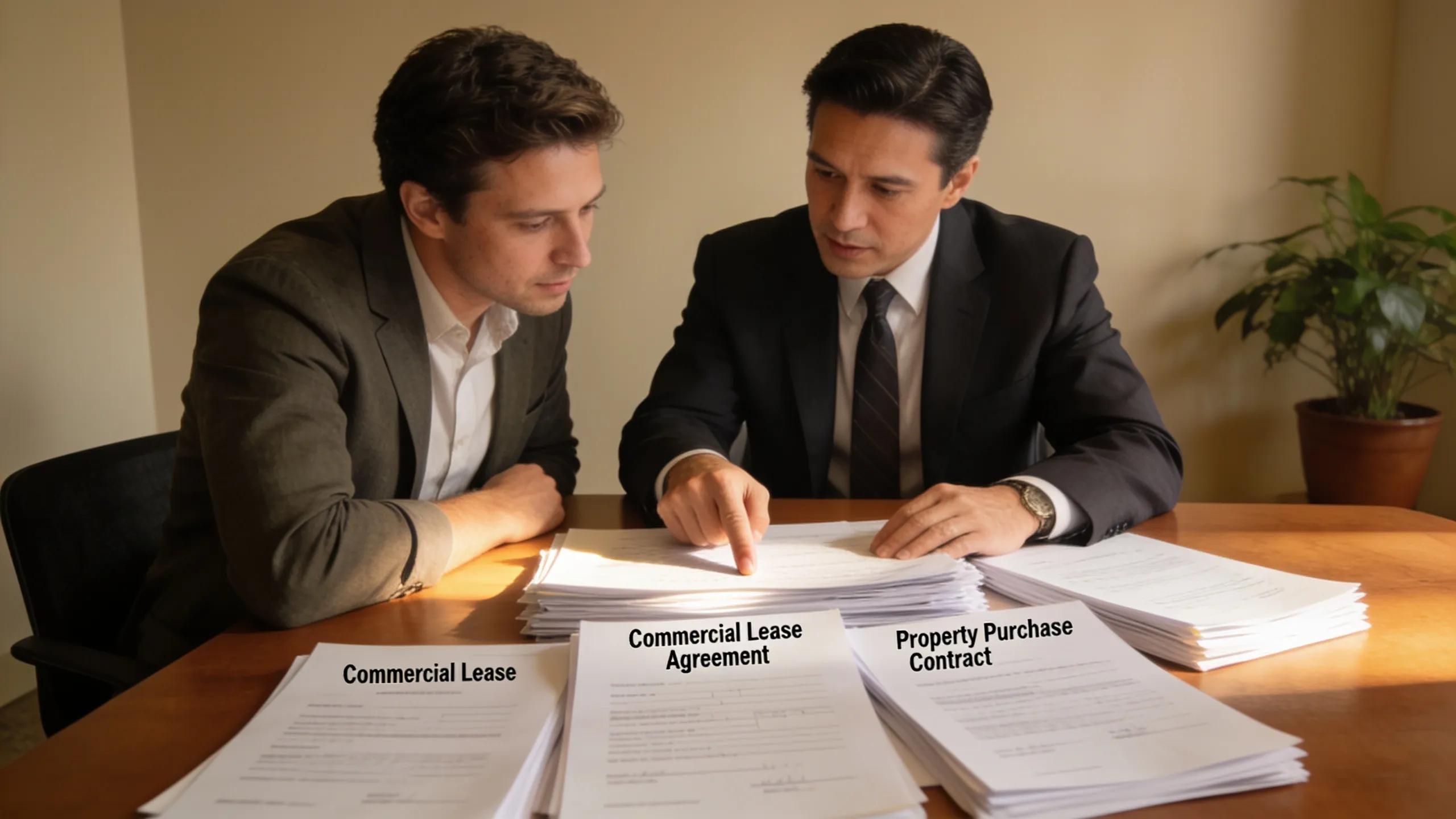
A commercial real estate attorney reviews and finalises documents, identifies and mitigates risks, facilitates communication, and negotiates terms to reflect client objectives. This oversight reduces post-closing disputes and clarifies responsibilities.
Choosing the right partner matters; Moye Law Firm combines local experience with a client-focused approach to protect clients’ interests in both commercial and residential transactions. Attorneys at the firm also stay current with evolving state statutes, court rulings, and local ordinances that may affect transaction outcomes.
What are the key differences between commercial and residential real estate closings in WV?
The main contrasts are transaction complexity, documentation volume, and statutory protections. Residential buyers usually receive consumer protections that commercial parties do not, and commercial deals involve more stakeholders and paperwork.
Complexity of Transactions: Commercial deals typically involve larger sums and more stakeholders, requiring deeper risk analysis and contingency planning.
Documentation Requirements: Residential closings use fewer documents; commercial closings need extensive paperwork, including zoning, environmental, financial, and operational disclosures.
Legal Protections: Consumer protections available to residential buyers may not apply in commercial deals, increasing the importance of counsel to negotiate protective contract terms.
Clients transacting commercial property typically benefit from dedicated legal counsel. Moye Law Firm can provide specialised representation.
How do transaction complexities differ between commercial and residential closings?
Complexities stem from parties involved, negotiation scope, and regulatory burden. Commercial transactions often require alignment among investors, tenants, lenders, and counsel, increasing negotiation complexity and the need for precise contracts.
Stakeholder Dynamics:Residential: Individual buyers and sellers with straightforward interests.Commercial: Investors, corporations, tenants, legal representatives, and lenders with diverse objectives, necessitating clear agreements about responsibilities, risk sharing, and financial returns.
Negotiation Nuances:Residential: More personal and straightforward negotiations.Commercial: Complex negotiations on usage, profit-sharing, liability, compliance requirements, and future operational conditions.
Regulatory Regulations:Residential: Standard consumer-focused laws.Commercial: Zoning laws, environmental compliance, financial disclosures, workplace safety, building codes, and other regulatory approvals creating significant challenges and requiring multiple agency interactions.
What unique legal requirements apply to West Virginia property law for each type?
West Virginia law applies different requirements by property type. Residential transactions emphasise consumer protections and disclosures; commercial deals focus on zoning, environmental, and contractual standards for business use.
Residential Properties: Sales must comply with comprehensive consumer-protection statutes and include disclosures about property condition, known defects, lead-based paint, radon, and safety considerations.
Commercial Properties: Commercial deals require stricter environmental and zoning compliance and often include broader warranties and disclaimers tailored to business use. Additionally, commercial transactions may require negotiation of easements, access rights, right-to-operate licenses, and adherence to federal, state, and local commercial regulations.
Awareness of these obligations helps parties plan due diligence and avoid legal hurdles at closing.
What are the essential legal steps in the residential real estate closing process in West Virginia?
Residential closings follow a sequence designed to transfer title and protect rights. Each step requires review and compliance to prevent disputes.
Offer Acceptance: Execution of a binding purchase contract including contingencies addressing inspection results, financing, and appraisal.
Title Search and Insurance: Confirm ownership, uncover liens or encumbrances, resolve title defects, and obtain title insurance to protect against future claims.
Preparation of Documents: Draft and review the deed, seller disclosures, settlement statements, mortgage documents, and closing disclosures required under West Virginia and federal laws.
Final Walk-Through: Conduct to verify property condition prior to closing as agreed in contract.
Closing Meeting: Execution of all documents, disbursement of funds, and formal transfer of ownership recorded with county authorities.
Legal oversight at these stages helps ensure a lawful and complete transfer.
How is title search and deed preparation handled during residential closings?
Title searches check public records for ownership, pending liens, easements, restrictions, and mortgages; deed preparation creates the legal instrument transferring ownership and must meet state recording requirements. Accurate documentation is essential to avoid post-closing disputes, so working with an attorney is advised to confirm compliance with West Virginia’s recording statutes and to tailor warranties and covenants to client needs.
What risks and common issues should homebuyers anticipate?
Buyers should expect recurring risks and address them via inspection, contract review, and counsel.
Title Issues: Unresolved liens, judgments, or ownership disputes can threaten the sale if not identified and cleared during the title search.
Contractual Ambiguities: Vague or incomplete contract language can cause misunderstandings and disputes about responsibilities, deadlines, or remedies.
Property Condition Disclosure: Sellers may fail to disclose latent defects or environmental hazards, potentially leaving buyers with costly repairs or remediation.
Financing Contingencies: Failure to secure financing within contractual deadlines can jeopardize closings.
Inspection Surprises: Issues found late in inspection may cause renegotiation or cancellation risks.
Proactive measures—inspections, title insurance, and legal counsel—reduce these risks and support successful closings.
What legal procedures govern commercial property closing transactions in West Virginia?
Commercial closings emphasise evaluation of business viability and regulatory status to ensure the property supports the intended use and that risks are allocated appropriately.
Comprehensive Due Diligence: Market analysis, financial projections, physical and environmental assessments, tenant lease and contract reviews, and verification of compliance with federal and state regulations.
Zoning and Compliance Checks: Confirm the proposed use complies with local zoning ordinances, obtain necessary permits, and review environmental impact statements or remediation obligations.
Negotiation of Terms: Finalize contract terms addressing purchase price, expenses, warranties, indemnities, liabilities, and conditions precedent to closing. May include escrow arrangements and financing contingencies.
Preparation and Review of Closing Documents: Draft and review contracts, title reports, closing statements, and ancillary agreements such as lease assignments and service contracts.
Final Closing Coordination: Oversee proper execution, fund transfers, and recording of documents with county clerks or registrars to secure legal ownership and interests.
Specialised counsel—such as Moye Law Firm—can manage these obligations and coordinate among diverse professionals, including accountants, environmental consultants, and real estate brokers.
How does due diligence and contract examination vary in commercial closings?
Commercial due diligence examines financial performance, leases, operational liabilities, environmental risks, and zoning restrictions in far greater depth than residential reviews. This includes assessment of tenant income streams, lease terms, compliance with Americans with Disabilities Act (ADA), and potential environmental contamination. Contracts encompass detailed contingencies, representations, warranties, indemnities, and remedies to clearly delineate responsibilities and mitigate risk among multiple stakeholders.
What compliance and regulatory considerations impact commercial real estate closings?
Key issues to address early include:
Zoning Approvals: Verifying property is zoned for intended use, obtaining variances or permits if needed.
Environmental Compliance: Phase I and Phase II Environmental Site Assessments, addressing contamination risks, and obligations for cleanup or reporting.
Financial Disclosures: Transparency about operating expenses, taxes, utilities, and income projections.
Building Codes and Safety: Ensuring structures meet fire, safety, ADA, and occupancy standards.
Licensing and Regulatory Permits: For certain uses such as hospitality, manufacturing, or retail, additional licenses may be required.
Addressing these obligations with qualified counsel—such as Moye Law Firm—helps businesses proceed with confidence and reduces the risk of regulatory violations or operational interruptions post-closing.
Why should you choose Moye Law Firm as your commercial property closing attorney in WV?
Moye Law Firm pairs West Virginia real estate experience with client-focused service across counties including Cabell, Kanawha, Lincoln, Mason, and Putnam. The firm offers local regulatory expertise, tailored client services, and comprehensive support from consultation through closing. Their attorneys understand nuances of state and local laws, deliver strategic advice, and tailor solutions to client business models.
What expertise does Moye Law Firm provide in commercial vs residential transactions?
The firm handles complex commercial deals, navigates local and federal regulations, and negotiates favorable terms in both commercial and residential transactions to minimize risk and achieve client objectives. Expertise includes title examination, contract negotiation, dispute resolution, and post-closing support.
How does Moye Law Firm support clients through complex West Virginia real estate law?
Document Preparation and Review: Meticulous drafting and review to ensure compliance with state law and reduce dispute risk.
Closing Coordination: Streamlined communication and logistics to facilitate smooth transactions among various parties.
Legal Protections for Clients: Risk identification, negotiation of protective clauses, and strategy development to protect clients during and after closing.
Post-Closing Services: Assistance with recording documents, addressing title issues, and resolving disputes that arise after closing.
These services let clients proceed with transactions knowing legal details and deadlines are managed by experienced counsel.
Secure Expert Legal Guidance for Your Real Estate Closing
Whether commercial or residential, navigating West Virginia real estate closings can be complex. Partner with Moye Law Firm to ensure your transaction is handled professionally and compliantly.
Frequently Asked Questions
1. What factors should be considered when choosing a commercial real estate attorney in West Virginia?
Choose an attorney with commercial transaction experience, local regulatory knowledge, strong negotiation skills, and clear communication.
2. How long do commercial real estate closings typically take in West Virginia?
Timelines vary by complexity; many commercial closings take 30 to 90 days, with more complex matters taking longer. Early counsel engagement shortens delays.
3. What are the common financial considerations for commercial real estate buyers?
Assess purchase price, financing structure, taxes, insurance, maintenance, and cash-flow projections. Coordinate advisors and counsel to validate assumptions.
4. How do environmental assessments factor into commercial closings?
Assessments confirm compliance, reveal contamination risks, and may require remediation or altered deal terms. Early assessment limits exposure.
5. How is due diligence conducted in commercial real estate transactions?
Due diligence covers financial records, leases, title, inspections, and market conditions, often using appraisers, environmental consultants, and legal counsel.
6. What role does a title insurance policy play in commercial closings?
Title insurance protects buyers against hidden title defects, undisclosed liens, or competing claims, mitigating post-closing risk.
7. What are the implications of zoning laws on commercial real estate transactions?
Zoning determines permitted uses and development standards. A zoning review identifies required permits or restrictions and informs compliance or remediation strategies.

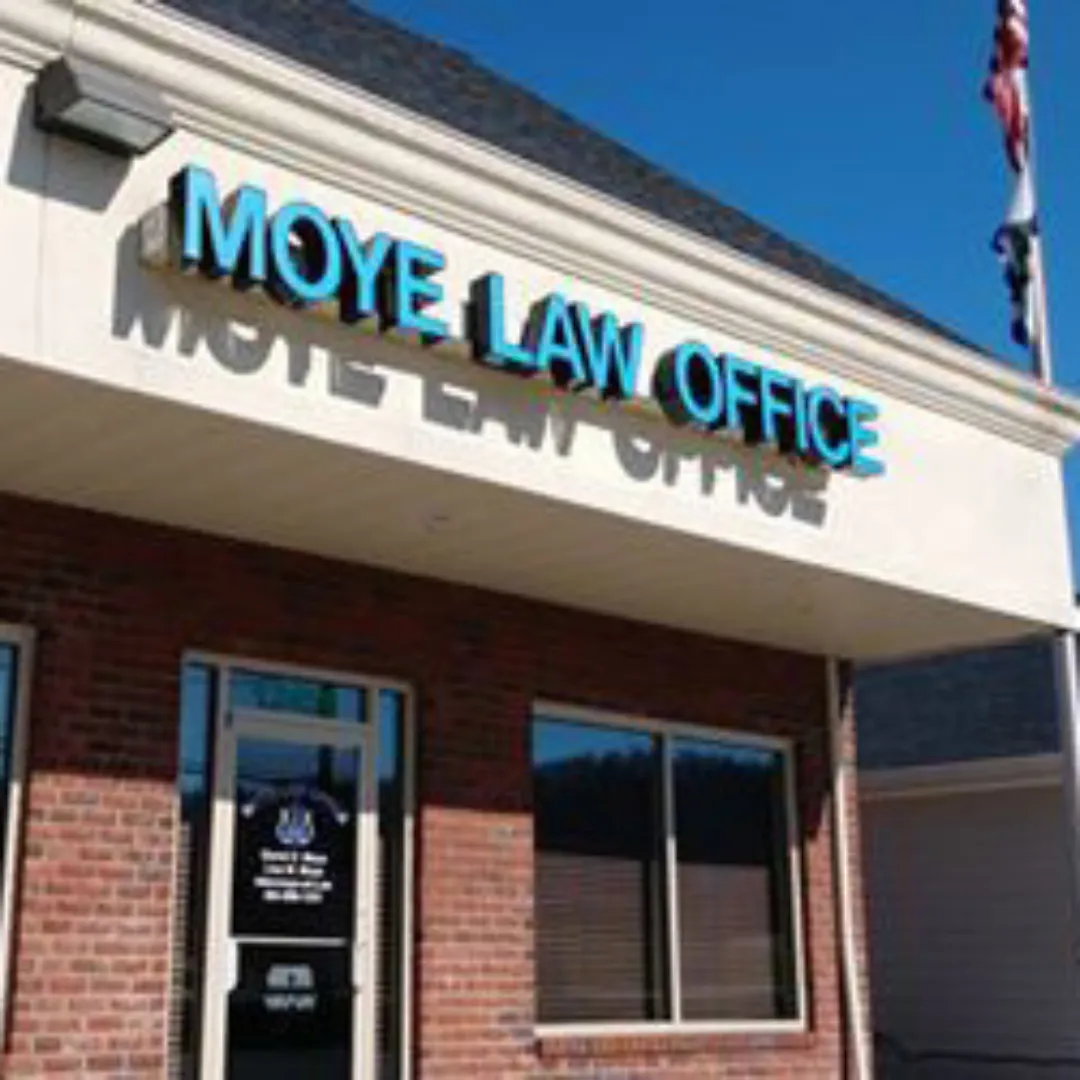
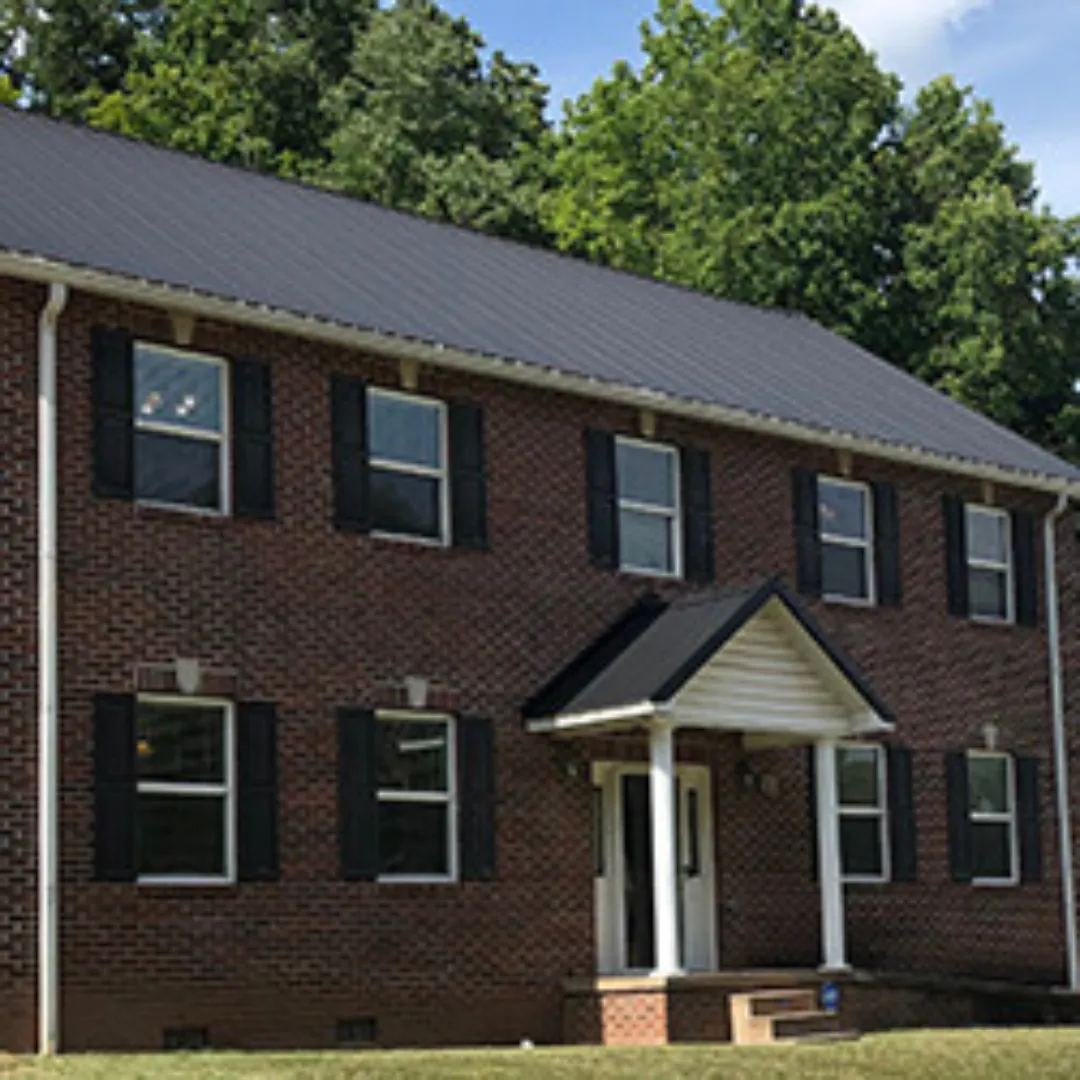
Moye Law Offices
We have two offices in West Virginia: Winfield and Cross Lanes.
CROSS LANES
Navigating WV Real Estate Closings: Expert Attorney Insights
Commercial Real Estate Closings vs Residential Closings in West Virginia: Legal Guidance from a Commercial Real Estate Attorney WV
Real estate closings follow different legal paths for commercial and residential properties. This guide summarises those differences under West Virginia law and outlines the steps parties should expect. For clients and businesses, counsel from a specialised attorney—such as Moye Law Firm—helps ensure compliance with local rules and a smoother closing.
Legal Differences
West Virginia treats commercial and residential closings under different regimes. Residential deals typically use standard forms and consumer-protection provisions, producing a more predictable process. Commercial transactions rely on bespoke contracts, broader documentation, and attention to zoning and environmental matters that affect use and liability.
The table below highlights key contrasts:
Closing TypeComplexity LevelDocumentation RequirementsLegal OversightTypical Parties InvolvedResidentialModerateStandard forms, mortgage documentsMinimal oversightIndividual buyers and sellersCommercialHighExtensive due diligence, contracts, zoning complianceSignificant oversightInvestors, corporations, multiple stakeholders
These distinctions affect strategy and risk allocation; specialised legal support is often essential. Moye Law Firm offers tailored guidance for commercial closings.
Processes Involved
Commercial transactions generally require more review and coordination than residential ones. Below are the core steps for each type.
Due Diligence:Residential: Basic inspections and title searches.Commercial: Site assessments, financial review, and environmental studies, including detailed assessments of compliance risk, tenant contracts, and potential liabilities that may affect operational capabilities.
Title Search:Residential: Checks on ownership and clear title.Commercial: Deeper searches for liens, easements, encumbrances, mineral rights and environmental liens, all affecting property value and use.
Closing Procedures:Residential: Fewer documents and participants, often a single signing.Commercial: Multiple meetings among lawyers, buyers, sellers, lenders, investors, and representatives to satisfy complex legal and financial conditions.
Because commercial matters demand more coordination and contract drafting, experienced counsel is important throughout the process. Equally, residential closings benefit from clear understanding of deadlines, disclosures, and paperwork to prevent post-closing complications.
Guidance from a Commercial Real Estate Attorney in WV
A commercial real estate attorney reviews and finalises documents, identifies and mitigates risks, facilitates communication, and negotiates terms to reflect client objectives. This oversight reduces post-closing disputes and clarifies responsibilities.
Choosing the right partner matters; Moye Law Firm combines local experience with a client-focused approach to protect clients’ interests in both commercial and residential transactions. Attorneys at the firm also stay current with evolving state statutes, court rulings, and local ordinances that may affect transaction outcomes.
What are the key differences between commercial and residential real estate closings in WV?
The main contrasts are transaction complexity, documentation volume, and statutory protections. Residential buyers usually receive consumer protections that commercial parties do not, and commercial deals involve more stakeholders and paperwork.
Complexity of Transactions: Commercial deals typically involve larger sums and more stakeholders, requiring deeper risk analysis and contingency planning.
Documentation Requirements: Residential closings use fewer documents; commercial closings need extensive paperwork, including zoning, environmental, financial, and operational disclosures.
Legal Protections: Consumer protections available to residential buyers may not apply in commercial deals, increasing the importance of counsel to negotiate protective contract terms.
Clients transacting commercial property typically benefit from dedicated legal counsel. Moye Law Firm can provide specialised representation.
How do transaction complexities differ between commercial and residential closings?
Complexities stem from parties involved, negotiation scope, and regulatory burden. Commercial transactions often require alignment among investors, tenants, lenders, and counsel, increasing negotiation complexity and the need for precise contracts.
Stakeholder Dynamics:Residential: Individual buyers and sellers with straightforward interests.Commercial: Investors, corporations, tenants, legal representatives, and lenders with diverse objectives, necessitating clear agreements about responsibilities, risk sharing, and financial returns.
Negotiation Nuances:Residential: More personal and straightforward negotiations.Commercial: Complex negotiations on usage, profit-sharing, liability, compliance requirements, and future operational conditions.
Regulatory Regulations:Residential: Standard consumer-focused laws.Commercial: Zoning laws, environmental compliance, financial disclosures, workplace safety, building codes, and other regulatory approvals creating significant challenges and requiring multiple agency interactions.
What unique legal requirements apply to West Virginia property law for each type?
West Virginia law applies different requirements by property type. Residential transactions emphasise consumer protections and disclosures; commercial deals focus on zoning, environmental, and contractual standards for business use.
Residential Properties: Sales must comply with comprehensive consumer-protection statutes and include disclosures about property condition, known defects, lead-based paint, radon, and safety considerations.
Commercial Properties: Commercial deals require stricter environmental and zoning compliance and often include broader warranties and disclaimers tailored to business use. Additionally, commercial transactions may require negotiation of easements, access rights, right-to-operate licenses, and adherence to federal, state, and local commercial regulations.
Awareness of these obligations helps parties plan due diligence and avoid legal hurdles at closing.
What are the essential legal steps in the residential real estate closing process in West Virginia?
Residential closings follow a sequence designed to transfer title and protect rights. Each step requires review and compliance to prevent disputes.
Offer Acceptance: Execution of a binding purchase contract including contingencies addressing inspection results, financing, and appraisal.
Title Search and Insurance: Confirm ownership, uncover liens or encumbrances, resolve title defects, and obtain title insurance to protect against future claims.
Preparation of Documents: Draft and review the deed, seller disclosures, settlement statements, mortgage documents, and closing disclosures required under West Virginia and federal laws.
Final Walk-Through: Conduct to verify property condition prior to closing as agreed in contract.
Closing Meeting: Execution of all documents, disbursement of funds, and formal transfer of ownership recorded with county authorities.
Legal oversight at these stages helps ensure a lawful and complete transfer.
How is title search and deed preparation handled during residential closings?
Title searches check public records for ownership, pending liens, easements, restrictions, and mortgages; deed preparation creates the legal instrument transferring ownership and must meet state recording requirements. Accurate documentation is essential to avoid post-closing disputes, so working with an attorney is advised to confirm compliance with West Virginia’s recording statutes and to tailor warranties and covenants to client needs.
What risks and common issues should homebuyers anticipate?
Buyers should expect recurring risks and address them via inspection, contract review, and counsel.
Title Issues: Unresolved liens, judgments, or ownership disputes can threaten the sale if not identified and cleared during the title search.
Contractual Ambiguities: Vague or incomplete contract language can cause misunderstandings and disputes about responsibilities, deadlines, or remedies.
Property Condition Disclosure: Sellers may fail to disclose latent defects or environmental hazards, potentially leaving buyers with costly repairs or remediation.
Financing Contingencies: Failure to secure financing within contractual deadlines can jeopardize closings.
Inspection Surprises: Issues found late in inspection may cause renegotiation or cancellation risks.
Proactive measures—inspections, title insurance, and legal counsel—reduce these risks and support successful closings.
What legal procedures govern commercial property closing transactions in West Virginia?
Commercial closings emphasise evaluation of business viability and regulatory status to ensure the property supports the intended use and that risks are allocated appropriately.
Comprehensive Due Diligence: Market analysis, financial projections, physical and environmental assessments, tenant lease and contract reviews, and verification of compliance with federal and state regulations.
Zoning and Compliance Checks: Confirm the proposed use complies with local zoning ordinances, obtain necessary permits, and review environmental impact statements or remediation obligations.
Negotiation of Terms: Finalize contract terms addressing purchase price, expenses, warranties, indemnities, liabilities, and conditions precedent to closing. May include escrow arrangements and financing contingencies.
Preparation and Review of Closing Documents: Draft and review contracts, title reports, closing statements, and ancillary agreements such as lease assignments and service contracts.
Final Closing Coordination: Oversee proper execution, fund transfers, and recording of documents with county clerks or registrars to secure legal ownership and interests.
Specialised counsel—such as Moye Law Firm—can manage these obligations and coordinate among diverse professionals, including accountants, environmental consultants, and real estate brokers.
How does due diligence and contract examination vary in commercial closings?
Commercial due diligence examines financial performance, leases, operational liabilities, environmental risks, and zoning restrictions in far greater depth than residential reviews. This includes assessment of tenant income streams, lease terms, compliance with Americans with Disabilities Act (ADA), and potential environmental contamination. Contracts encompass detailed contingencies, representations, warranties, indemnities, and remedies to clearly delineate responsibilities and mitigate risk among multiple stakeholders.
What compliance and regulatory considerations impact commercial real estate closings?
Key issues to address early include:
Zoning Approvals: Verifying property is zoned for intended use, obtaining variances or permits if needed.
Environmental Compliance: Phase I and Phase II Environmental Site Assessments, addressing contamination risks, and obligations for cleanup or reporting.
Financial Disclosures: Transparency about operating expenses, taxes, utilities, and income projections.
Building Codes and Safety: Ensuring structures meet fire, safety, ADA, and occupancy standards.
Licensing and Regulatory Permits: For certain uses such as hospitality, manufacturing, or retail, additional licenses may be required.
Addressing these obligations with qualified counsel—such as Moye Law Firm—helps businesses proceed with confidence and reduces the risk of regulatory violations or operational interruptions post-closing.
Why should you choose Moye Law Firm as your commercial property closing attorney in WV?
Moye Law Firm pairs West Virginia real estate experience with client-focused service across counties including Cabell, Kanawha, Lincoln, Mason, and Putnam. The firm offers local regulatory expertise, tailored client services, and comprehensive support from consultation through closing. Their attorneys understand nuances of state and local laws, deliver strategic advice, and tailor solutions to client business models.
What expertise does Moye Law Firm provide in commercial vs residential transactions?
The firm handles complex commercial deals, navigates local and federal regulations, and negotiates favorable terms in both commercial and residential transactions to minimize risk and achieve client objectives. Expertise includes title examination, contract negotiation, dispute resolution, and post-closing support.
How does Moye Law Firm support clients through complex West Virginia real estate law?
Document Preparation and Review: Meticulous drafting and review to ensure compliance with state law and reduce dispute risk.
Closing Coordination: Streamlined communication and logistics to facilitate smooth transactions among various parties.
Legal Protections for Clients: Risk identification, negotiation of protective clauses, and strategy development to protect clients during and after closing.
Post-Closing Services: Assistance with recording documents, addressing title issues, and resolving disputes that arise after closing.
These services let clients proceed with transactions knowing legal details and deadlines are managed by experienced counsel.
Secure Expert Legal Guidance for Your Real Estate Closing
Whether commercial or residential, navigating West Virginia real estate closings can be complex. Partner with Moye Law Firm to ensure your transaction is handled professionally and compliantly.
Frequently Asked Questions
1. What factors should be considered when choosing a commercial real estate attorney in West Virginia?
Choose an attorney with commercial transaction experience, local regulatory knowledge, strong negotiation skills, and clear communication.
2. How long do commercial real estate closings typically take in West Virginia?
Timelines vary by complexity; many commercial closings take 30 to 90 days, with more complex matters taking longer. Early counsel engagement shortens delays.
3. What are the common financial considerations for commercial real estate buyers?
Assess purchase price, financing structure, taxes, insurance, maintenance, and cash-flow projections. Coordinate advisors and counsel to validate assumptions.
4. How do environmental assessments factor into commercial closings?
Assessments confirm compliance, reveal contamination risks, and may require remediation or altered deal terms. Early assessment limits exposure.
5. How is due diligence conducted in commercial real estate transactions?
Due diligence covers financial records, leases, title, inspections, and market conditions, often using appraisers, environmental consultants, and legal counsel.
6. What role does a title insurance policy play in commercial closings?
Title insurance protects buyers against hidden title defects, undisclosed liens, or competing claims, mitigating post-closing risk.
7. What are the implications of zoning laws on commercial real estate transactions?
Zoning determines permitted uses and development standards. A zoning review identifies required permits or restrictions and informs compliance or remediation strategies.
Moye Law Offices
We have two offices in West Virginia:
Winfield and Cross Lanes.
CROSS LANES
We Are Here To Help
Do you have a query or problem that you would like to talk about, or are you curious to hear more about how we can help you?
Get in touch today! We look forward to hearing from you.
Assistance Hours
Monday – Friday: 8:30am – 4:30pm
Saturday: By appointment only
Sunday: CLOSED
Subscribe to our Newsletter
We Are Here To Help
Do you have a query or problem that you would like to talk about, or are you curious to hear more about how we can help you?
Get in touch today! We look forward to hearing from you.
Assistance Hours
Monday – Friday 8:30am – 4:30pm
Saturday: By appointment only
Sunday CLOSED