
Blog

Blog
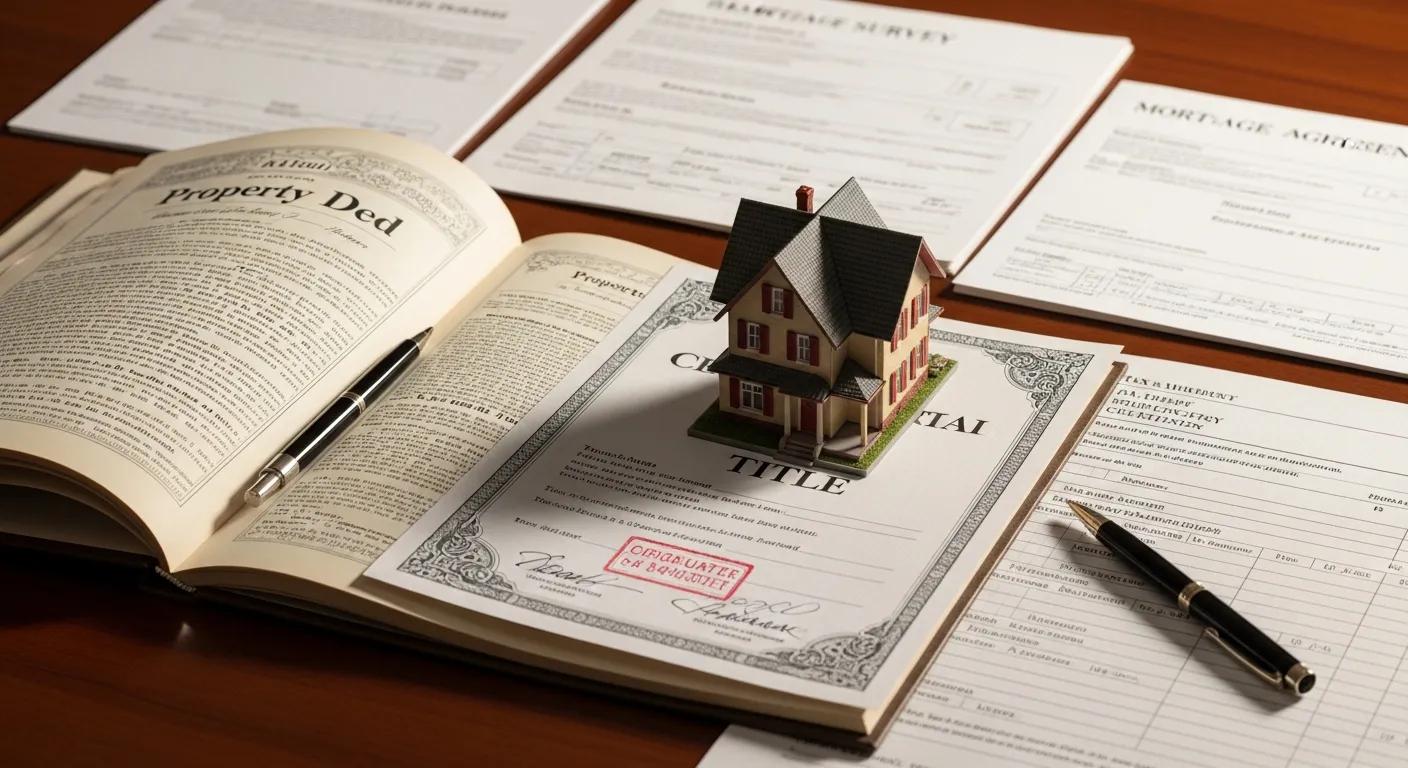
Common Misunderstandings About Property Ownership That Buyers Should Know
Deed vs. Title — Common Property Ownership Misunderstandings West Virginia Buyers Should Know
Many homebuyers mix up “deed” and “title.” That confusion can create real legal and financial risk during — and after — a sale. This article clears up the difference for buyers in West Virginia, outlines common misunderstandings, and gives practical steps you can take to reduce exposure to hidden defects. Attorneys at MOYE Law Office, experienced in West Virginia real estate practice and local community matters, helped shape this guidance so you’ll know when to get legal help. Read on to learn the deed vs. title distinction, the myths that cause trouble, WV-specific ownership rights, typical transfer and closing pitfalls, latent title problems that can appear years later, and concrete protections — like title insurance and surveys — that protect your purchase. We include clear definitions, checklists, comparison tables, and practical next steps to make these concepts usable for buyers.
What Is the Difference Between a Deed and a Title in Property Ownership?
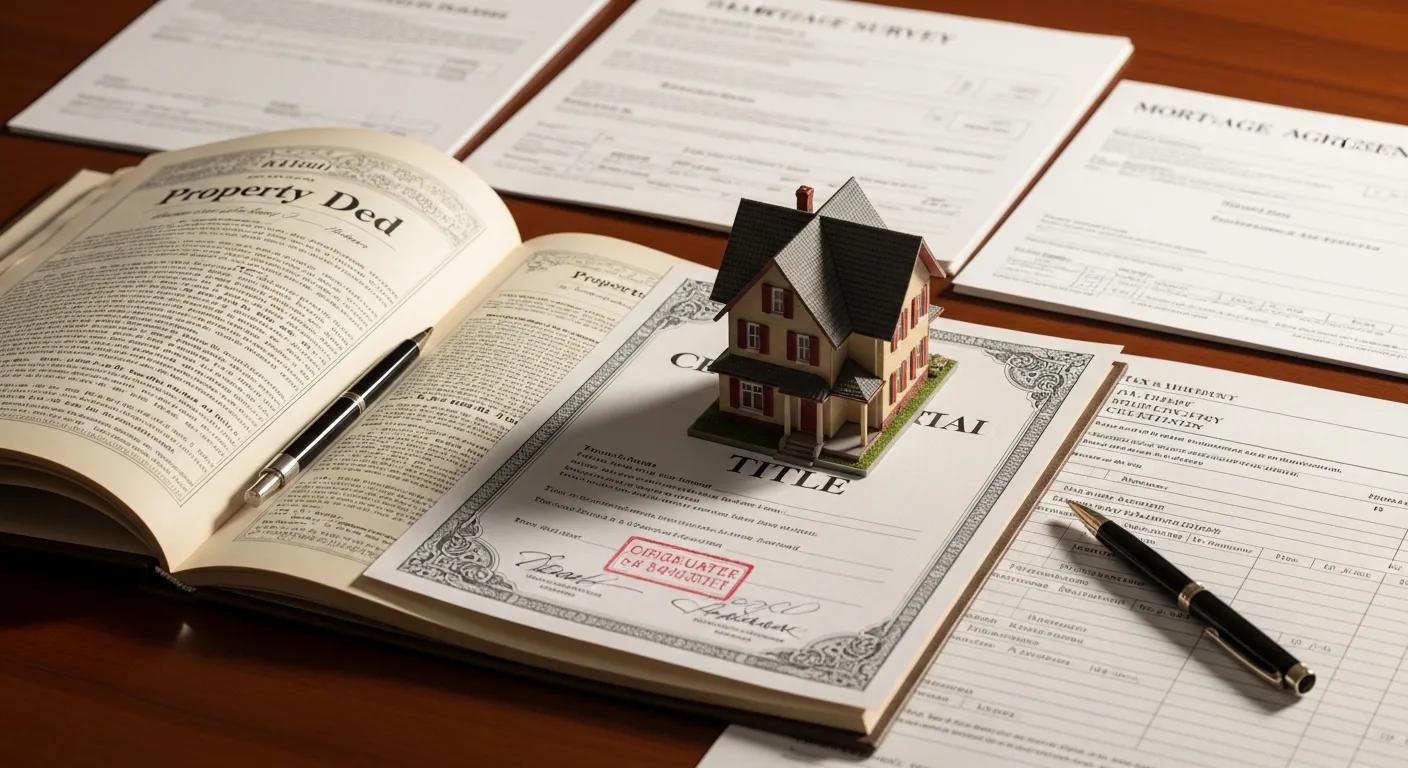
A deed is the written document that conveys an interest in real estate. Title is the legal right to possess, use, and transfer the property. Put simply: the deed is the instrument that transfers an interest; title is the bundle of rights and proof that someone actually owns the property. A properly executed and recorded deed affects notice and priority, but title is established by evidence — the chain of title, recorded instruments, title commitments, and surveys — and it determines marketability and enforceable ownership. Knowing this distinction helps buyers prioritize a thorough title search and consider owner’s title insurance during due diligence. The table below highlights how the two differ and why both matter.
ConceptCharacteristicPractical ImpactDeedWritten instrument describing the conveyanceTransfers an interest when signed, delivered, and (usually) recordedRecordingPublic filing of the deedGives constructive notice and helps secure priority against later claimsTitleBundle of legal rights and interestsDetermines who can possess, use, or sell the propertyEvidenceChain of title, title commitment, surveysUsed to prove ownership and reveal encumbrancesDefectsForged signatures, undisclosed heirs, unreleased liensCan cloud marketability and lead to litigation or insurance claims
What Is a Property Deed and What Types Exist?
A deed is the formal document used to transfer ownership and must include basic elements — identification of grantor and grantee, a legal description, consideration language, and a granting clause. Buyers typically encounter several deed types: warranty deeds, special warranty deeds, quitclaim deeds, and transfer-on-death deeds. A warranty deed offers the strongest seller assurances about prior title defects; a quitclaim deed transfers whatever interest the grantor has without warranties and is often used between family members or to clear clouds; a transfer-on-death deed lets a named beneficiary inherit outside probate but must be properly drafted and recorded under state rules. Prompt recording and careful review of deed language at closing are essential to make sure the deed accomplishes the intended transfer.
Knowing these deed types naturally leads to the next question: how is title proved and why does chain-of-title review matter?
What Does Property Title Mean and How Is Ownership Proven?
Title is the legal right to own and use property and is proved by combining documentary evidence with factual possession into a clear chain of title. Buyers rely on title searches, the title commitment, recorded instruments, and surveys to confirm the seller holds marketable title free of undisclosed encumbrances, liens, or competing claims. Gaps in the chain — an unrecorded deed, a missing heir, or a forged instrument — can create defects that reduce transferability and value. Finding those defects sometimes requires searching probate or bankruptcy records in addition to the public land records. Title insurance underwrites many of these risks by providing defense and indemnity for covered defects; quiet title actions are the court process used to resolve ownership disputes. Because title is an abstract legal right supported by documentary proof, buyers should focus on both the deed and comprehensive title evidence before closing. For related questions see our FAQs.
What Are the Common Property Ownership Myths and Misunderstandings?
Buyers often assume possession or a signed deed equals undisputed ownership. Those assumptions can be costly. Common myths include believing a recorded deed always guarantees clear title, assuming physical possession defeats prior claims, and thinking long-term possession means there are no latent title problems. Each belief hides exceptions — recording helps with notice but doesn’t cure every defect, possession can be subordinate to earlier legal interests, and long possession may coexist with undisclosed liens or heir claims. Treat objective documentation — title searches, surveys, and insurance — as your primary protection rather than appearances or seller assurances.
Myth: A recorded deed always guarantees clean ownership.
Myth: Continuous possession means absolute ownership.
Myth: If the seller has lived on the property for decades, there are no title problems.
Each myth has real exceptions: recording statutes have limits, possessory claims can be subordinate to earlier-recorded interests, and long possession can coexist with unreleased liens. For that reason, buyers should rely on documentary evidence to determine security. The sections that follow look at specific scenarios and practical steps buyers can take.
Does Having a Deed Always Guarantee Clear Ownership?
A deed is strong evidence of intent to transfer, but it does not automatically eliminate title defects like forgery, undisclosed heirs, or unsatisfied liens. For instance, a seller who lacked authority because of an unresolved probate matter can still have their deed challenged; forged or improperly executed deeds can be voidable. Title insurance typically covers many such defects by paying defense costs and indemnity, and quiet title actions are the judicial tool to resolve disputes. Don’t accept a deed alone as proof of clear title: insist on a title search, review exceptions in the title commitment, and consider purchasing an owner’s title insurance policy as part of your closing protections.
Understanding that a deed may be insufficient makes it important to know the role of recording and how unrecorded instruments affect later purchasers.
Can You Own Property Without a Recorded Deed or Title?
Yes — legal ownership can exist even if a deed hasn’t been recorded. Recording primarily provides public notice and determines priority, rather than creating ownership in many cases. In West Virginia, an unrecorded deed can transfer interests between the original parties, but it can leave later purchasers unaware of that transfer. Constructive notice rules protect those who rely on the public record in good faith, so an unrecorded deed can expose you to risk if someone else records first. To reduce that risk, record deeds promptly, obtain a title search, and consider quiet title proceedings when competing claims arise.
Recording practices and constructive notice doctrines make documentary diligence essential to avoid priority disputes.
What Are the Key Ownership Rights and Responsibilities for Property Buyers in West Virginia?
Ownership gives a bundle of rights — possession, control, exclusion, enjoyment, and disposition — but those rights come with limits like easements, zoning, and covenants. Buyers should evaluate how encumbrances (easements, liens, restrictive covenants) change those rights and plan for ongoing responsibilities, including property taxes, upkeep, code compliance, and mortgage obligations. Different vesting forms (sole ownership, tenancy in common, joint tenancy, tenancy by the entirety where applicable) carry different survivorship and creditor consequences, so the form of ownership chosen at closing matters for estate planning and creditor exposure.
The list below clarifies the key rights included in typical property ownership and how each affects daily use and long-term planning.
Possession: The right to occupy and use the property within legal limits.
Control: The ability to manage or change the property subject to law and covenants.
Exclusion: The power to keep others off the property without permission.
These rights can be limited by easements, municipal rules, or private agreements, so buyers should carefully review recorded encumbrances before closing.
What Is the Bundle of Rights Included in Property Ownership?
The bundle of rights includes possession (occupying the land), control (deciding how it’s used), exclusion (keeping others out), enjoyment (using the property without interference), and disposition (selling, gifting, or bequeathing it). Each right has practical limits: zoning may restrict uses, easements allow others limited access, and covenants can limit changes. Possession alone won’t guarantee full enjoyment if an easement exists or a lien limits disposition. Reviewing recorded encumbrances and local land-use rules during due diligence clarifies which rights are effectively available and helps you negotiate remedies or price adjustments as needed.
What Types of Property Ownership Exist in West Virginia?
Common forms include sole ownership, tenancy in common, joint tenancy with right of survivorship, and tenancy by the entirety for married couples where applicable. Tenancy in common allows divisible interests that can be sold or inherited separately; joint tenancy includes survivorship so the survivor automatically takes full title; tenancy by the entirety can offer creditor protections for spouses in some situations, although state rules vary. Choose a vesting form that matches your estate plan, mortgage needs, and creditor concerns, and make sure the deed’s language clearly states the intended form of ownership. When in doubt, consult an attorney before closing to avoid unintended consequences and simplify future transfers.
How Does the Property Transfer Process Work and What Pitfalls Should Buyers Avoid?
Most transfers follow a sequence: offer and contract, due diligence (inspections, title search, survey), financing and contingencies, closing (deed execution), and recording (public notice). Common pitfalls include skipping a current survey, missing exceptions in the title commitment, accepting vague deed language, or failing to ensure lien releases are recorded. Each oversight can lead to boundary disputes, lien claims, or defective title. Proactive steps — ordering an owner’s title policy, having a real estate attorney review closing documents, and confirming recorded releases — greatly reduce those risks.
A disciplined checklist and early attorney involvement often prevent the errors outlined in the table below and their consequences.
StepCommon ErrorImpactContract/OfferMissing contingencies or vague conveyance termsBuyer left with limited remedies or unwanted defectsTitle SearchFailing to address title exceptions or unrecorded instrumentsUndiscovered liens or heirs can cloud title after closingSurveyRelying on an outdated or no surveyBoundary disputes or encroachments discovered laterClosingWrong deed form or missing signaturesVoidable conveyance or need for corrective deedRecordingDelays or failure to record the deedLoss of priority to subsequent bona fide purchasers
This mapping shows where diligence matters most. The sections that follow provide a step-by-step checklist and explain common transfer errors with available remedies.
What Are the Essential Steps in Transferring Property Ownership?
Use this concise transfer checklist to track critical milestones from offer to recorded deed:
(1) Negotiate and sign a clear purchase contract with appropriate contingencies.
(2) Order a title search and obtain a title commitment.
(3) Commission a current property survey and complete inspections.
(4) Secure financing and satisfy lender requirements.
(5) Attend closing where the deed is signed, funds are exchanged, and documents are submitted for recording.
Each step involves different parties — buyer, seller, lender, title company, and often a closing attorney — and can take weeks to months. Contract contingencies should protect the buyer during title and inspection periods so unresolved issues can be fixed or the deal terminated. Confirm each item is complete before closing to minimize post-closing surprises and preserve your remedies.
What Are Common Transfer Errors and How Do They Affect Buyers?
Transfer errors range from clerical mistakes — omitted signatures, incorrect legal descriptions, or recording entry errors — to substantive issues like undisclosed liens, seller incapacity, or forged documents. Clerical mistakes may require corrective deeds and re-recording; substantive defects can trigger costly litigation, cloud title, or destroy marketability. Remedies include title insurance claims (when covered), quiet title actions to clear ownership, and negotiated corrections before recording. An attorney can advise which remedy fits the specific error. Because human error and hidden encumbrances commonly cause post-closing disputes, confirm document accuracy at closing and engage an attorney or title professional to resolve errors promptly.
Strong buyer protections are the best prevention; the next section explains those protections in detail.
What Hidden Issues Can Affect Long-Term Property Owners and Buyers?
Long-term ownership doesn’t guarantee immunity from latent title defects that can surface years later — forged conveyances, undisclosed heirs, unreleased mortgages or judgments, and municipal permit or zoning violations are common examples. These defects often stem from historical gaps in the chain of title, clerical errors, or unpermitted changes in use. Consequences include loss of marketability, new liens, or litigation to defend possession. Title insurance, periodic title monitoring, and clearing known exceptions before purchase limit exposure; quiet title suits or covenant enforcement can resolve existing disputes when necessary.
The subsections below describe common defects and boundary/easement problems and outline practical resolution paths.
What Are Common Title Defects and How Do They Impact Ownership?
Typical title defects include unreleased mortgages or liens, forged or improperly executed instruments, recording errors, and undisclosed heirs with inheritance claims. These defects reduce marketability: lenders may refuse financing, buyers may be unable to sell, and owners may face foreclosure or litigation to remove encumbrances. Title insurance often covers many such defects by providing defense and indemnity, but policies include exceptions that buyers must review carefully. Legal remedies — quiet title suits, lien releases, or negotiated settlements — can resolve defects but usually require attorney involvement and expense. Early detection through a thorough title search and prompt legal action when issues arise reduces long-term damage to ownership and property value.
How Do Boundary Disputes and Easements Affect Property Rights?
Boundary disputes and easements limit exclusive use by granting others access or imposing restrictions; common examples include driveway easements, utility rights-of-way, and neighboring encroachments. These problems can come from inaccurate surveys, informal historical agreements, or adverse possession claims where long-term use creates rights under state law. Resolving boundary disputes may require a new survey, negotiated boundary agreements or easement clarifications, mediation, or — if necessary — quiet title or adverse possession litigation. Order an up-to-date survey during due diligence and verify recorded easements and rights-of-way so you understand limitations before you buy. Engaging a surveyor and counsel early helps clarify lines and prevents surprise limitations on property use.
How Can Buyers Protect Their Investment Through Legal Solutions in West Virginia?
Buyers protect themselves with a mix of title insurance, attorney review, current surveys, careful escrow/recording practices, and targeted endorsements when needed. An owner’s title policy protects equity and covers many latent defects; a lender’s policy protects the lender’s mortgage interest. An attorney can review contracts, title commitments, and closing documents to identify exceptions and recommend solutions. Ordering a recent survey identifies boundary and encroachment issues, and ensuring liens and releases are recorded at or before closing preserves priority.
The table below compares protection measures, what they cover, and when to use them so buyers can choose the right protections for their situation.
Protection MeasureWhat It CoversWhen to Use ItOwner's Title InsuranceDefense and indemnity for covered title defectsRecommended for most buyers to protect equityLender's Title PolicyProtects the lender’s mortgage interestRequired by most lenders when financingAttorney ReviewContract and title commitment analysis; closing representationComplex transactions, title exceptions, or disputesProperty SurveyShows boundary lines, easements, and encroachmentsWhen boundary clarity or improvements are in questionEscrow & Recording ChecksEnsures lien releases and deed recordingAt closing to protect priority and notice
Why Is Title Insurance Important and What Does It Cover?
Title insurance protects buyers (owner’s policy) and lenders (loan policy) against covered defects that existed before the policy date — things like undisclosed heirs, forged instruments, or defects in prior conveyances. An owner’s policy indemnifies you for loss of ownership or defense costs; a lender’s policy protects the lender’s loan interest but not your equity. Typical exclusions include zoning violations, rights not of record, and events that occur after the policy date; endorsements can add coverage for survey matters or access issues. When a covered defect surfaces, the title company may defend you and pay covered losses. Review the title commitment’s exceptions carefully and address issues pre-closing when possible. Title insurance is a one-time premium that helps preserve a property’s marketability and is a core protection for buyers in West Virginia.
When Should Buyers Consult a Real Estate Attorney?
Consult an attorney early — ideally during contract negotiation or as soon as you see the title commitment — whenever the deal raises title exceptions, complex vesting questions, boundary uncertainty, inherited-property complications, or any encumbrance that could affect financing or future use. If post-closing defects appear (unrecorded liens, claims from undisclosed heirs, etc.), call an attorney promptly. A lawyer can advise on quiet title actions, negotiate corrective deeds, review survey discrepancies, and represent you in mediation or litigation if needed. For buyers in West Virginia, local counsel familiar with Putnam County, Winfield, or Cross Lanes practices can save time and reduce friction. If you have title, boundary, or closing concerns, schedule a consultation through the MOYE Law Office website to discuss protections and next steps with experienced real estate counsel.
Frequently Asked Questions
What Are the Risks of Not Having Title Insurance?
Without title insurance, buyers face the risk of paying out-of-pocket for legal defense and financial losses if a covered defect appears — for example, liens, claims from undisclosed heirs, or recording errors. These disputes can be costly and time-consuming. Title insurance provides a one-time protection that covers defense costs and losses for covered defects, making it an important safeguard in most transactions.
How Can Buyers Ensure a Smooth Closing Process?
To keep closing on track, follow a checklist: negotiate clear contract terms and contingencies, complete due diligence (title search and current survey), secure financing, and review the title commitment and closing documents early. Engaging a real estate attorney to review documents and confirm lien releases are recorded will help avoid surprises. Communication and early preparation are the keys to a smooth closing.
What Should Buyers Know About Property Taxes After Purchase?
Property taxes are an ongoing responsibility and vary by location and property type. In West Virginia, taxes are typically assessed annually; unpaid taxes can lead to penalties or, in extreme cases, tax liens or foreclosure. Review the property’s tax history before buying and budget for annual taxes as part of your ownership costs.
What Are the Consequences of Ignoring Easements on a Property?
Ignoring easements can create legal and financial problems. An easement grants someone else a right to use part of your property — for utilities, access, or shared driveways — and obstructing it can lead to lawsuits, injunctions, or damages. Easements also limit how you can use or develop the land. Identify and respect recorded easements before purchase to avoid disputes down the road.
How Do Zoning Laws Affect Property Use?
Zoning controls how property may be used and developed in a given area, affecting residential, commercial, and mixed uses. Before buying, confirm that your intended use complies with local zoning rules. Violating zoning can lead to fines, forced compliance, or the need to obtain variances. Understanding zoning early prevents costly surprises when you want to modify or use the property.
What Steps Can Buyers Take to Resolve Title Issues?
If title issues arise, start with a thorough title search to identify defects. Then consult a real estate attorney to evaluate options: negotiate a cure with the seller, file a title insurance claim if covered, or bring a quiet title action to clear ownership. Prompt and informed action minimizes financial exposure and helps restore marketable title.
What Is the Importance of a Property Survey?
A current property survey establishes accurate boundaries and reveals encroachments or easements that affect ownership and use. Ordering a survey before closing helps prevent neighbor disputes and confirms that the property matches your expectations. A survey is a cost-effective way to reduce risk and avoid future boundary problems.
**

Moye Law Offices
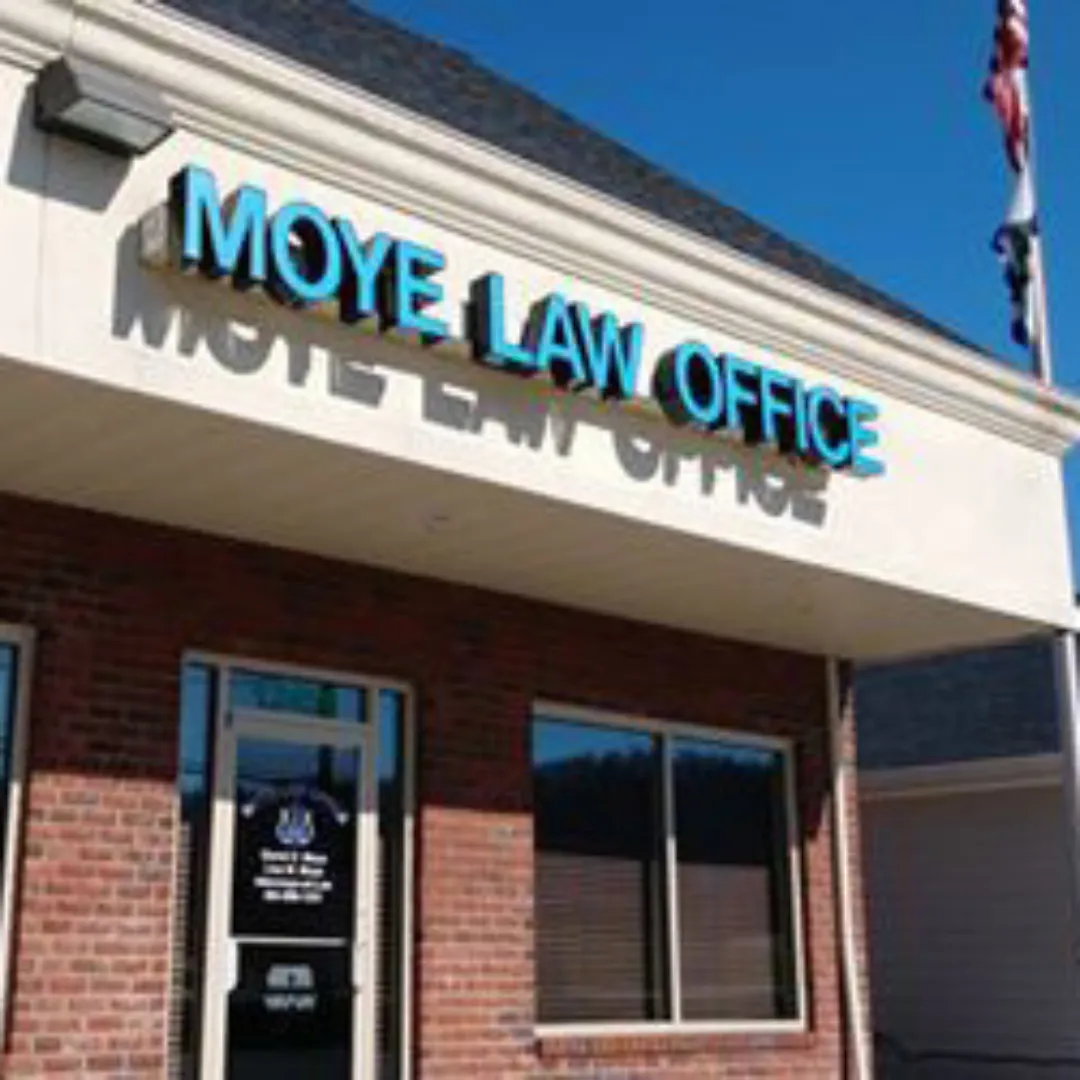
We have two offices in West Virginia: Winfield and Cross Lanes.
CROSS LANES
Common Misunderstandings About Property Ownership That Buyers Should Know
Deed vs. Title — Common Property Ownership Misunderstandings West Virginia Buyers Should Know
Many homebuyers mix up “deed” and “title.” That confusion can create real legal and financial risk during — and after — a sale. This article clears up the difference for buyers in West Virginia, outlines common misunderstandings, and gives practical steps you can take to reduce exposure to hidden defects. Attorneys at MOYE Law Office, experienced in West Virginia real estate practice and local community matters, helped shape this guidance so you’ll know when to get legal help. Read on to learn the deed vs. title distinction, the myths that cause trouble, WV-specific ownership rights, typical transfer and closing pitfalls, latent title problems that can appear years later, and concrete protections — like title insurance and surveys — that protect your purchase. We include clear definitions, checklists, comparison tables, and practical next steps to make these concepts usable for buyers.
What Is the Difference Between a Deed and a Title in Property Ownership?
A deed is the written document that conveys an interest in real estate. Title is the legal right to possess, use, and transfer the property. Put simply: the deed is the instrument that transfers an interest; title is the bundle of rights and proof that someone actually owns the property. A properly executed and recorded deed affects notice and priority, but title is established by evidence — the chain of title, recorded instruments, title commitments, and surveys — and it determines marketability and enforceable ownership. Knowing this distinction helps buyers prioritize a thorough title search and consider owner’s title insurance during due diligence. The table below highlights how the two differ and why both matter.
ConceptCharacteristicPractical ImpactDeedWritten instrument describing the conveyanceTransfers an interest when signed, delivered, and (usually) recordedRecordingPublic filing of the deedGives constructive notice and helps secure priority against later claimsTitleBundle of legal rights and interestsDetermines who can possess, use, or sell the propertyEvidenceChain of title, title commitment, surveysUsed to prove ownership and reveal encumbrancesDefectsForged signatures, undisclosed heirs, unreleased liensCan cloud marketability and lead to litigation or insurance claims
What Is a Property Deed and What Types Exist?
A deed is the formal document used to transfer ownership and must include basic elements — identification of grantor and grantee, a legal description, consideration language, and a granting clause. Buyers typically encounter several deed types: warranty deeds, special warranty deeds, quitclaim deeds, and transfer-on-death deeds. A warranty deed offers the strongest seller assurances about prior title defects; a quitclaim deed transfers whatever interest the grantor has without warranties and is often used between family members or to clear clouds; a transfer-on-death deed lets a named beneficiary inherit outside probate but must be properly drafted and recorded under state rules. Prompt recording and careful review of deed language at closing are essential to make sure the deed accomplishes the intended transfer.
Knowing these deed types naturally leads to the next question: how is title proved and why does chain-of-title review matter?
What Does Property Title Mean and How Is Ownership Proven?
Title is the legal right to own and use property and is proved by combining documentary evidence with factual possession into a clear chain of title. Buyers rely on title searches, the title commitment, recorded instruments, and surveys to confirm the seller holds marketable title free of undisclosed encumbrances, liens, or competing claims. Gaps in the chain — an unrecorded deed, a missing heir, or a forged instrument — can create defects that reduce transferability and value. Finding those defects sometimes requires searching probate or bankruptcy records in addition to the public land records. Title insurance underwrites many of these risks by providing defense and indemnity for covered defects; quiet title actions are the court process used to resolve ownership disputes. Because title is an abstract legal right supported by documentary proof, buyers should focus on both the deed and comprehensive title evidence before closing. For related questions see our FAQs.
What Are the Common Property Ownership Myths and Misunderstandings?
Buyers often assume possession or a signed deed equals undisputed ownership. Those assumptions can be costly. Common myths include believing a recorded deed always guarantees clear title, assuming physical possession defeats prior claims, and thinking long-term possession means there are no latent title problems. Each belief hides exceptions — recording helps with notice but doesn’t cure every defect, possession can be subordinate to earlier legal interests, and long possession may coexist with undisclosed liens or heir claims. Treat objective documentation — title searches, surveys, and insurance — as your primary protection rather than appearances or seller assurances.
Myth: A recorded deed always guarantees clean ownership.
Myth: Continuous possession means absolute ownership.
Myth: If the seller has lived on the property for decades, there are no title problems.
Each myth has real exceptions: recording statutes have limits, possessory claims can be subordinate to earlier-recorded interests, and long possession can coexist with unreleased liens. For that reason, buyers should rely on documentary evidence to determine security. The sections that follow look at specific scenarios and practical steps buyers can take.
Does Having a Deed Always Guarantee Clear Ownership?
A deed is strong evidence of intent to transfer, but it does not automatically eliminate title defects like forgery, undisclosed heirs, or unsatisfied liens. For instance, a seller who lacked authority because of an unresolved probate matter can still have their deed challenged; forged or improperly executed deeds can be voidable. Title insurance typically covers many such defects by paying defense costs and indemnity, and quiet title actions are the judicial tool to resolve disputes. Don’t accept a deed alone as proof of clear title: insist on a title search, review exceptions in the title commitment, and consider purchasing an owner’s title insurance policy as part of your closing protections.
Understanding that a deed may be insufficient makes it important to know the role of recording and how unrecorded instruments affect later purchasers.
Can You Own Property Without a Recorded Deed or Title?
Yes — legal ownership can exist even if a deed hasn’t been recorded. Recording primarily provides public notice and determines priority, rather than creating ownership in many cases. In West Virginia, an unrecorded deed can transfer interests between the original parties, but it can leave later purchasers unaware of that transfer. Constructive notice rules protect those who rely on the public record in good faith, so an unrecorded deed can expose you to risk if someone else records first. To reduce that risk, record deeds promptly, obtain a title search, and consider quiet title proceedings when competing claims arise.
Recording practices and constructive notice doctrines make documentary diligence essential to avoid priority disputes.
What Are the Key Ownership Rights and Responsibilities for Property Buyers in West Virginia?
Ownership gives a bundle of rights — possession, control, exclusion, enjoyment, and disposition — but those rights come with limits like easements, zoning, and covenants. Buyers should evaluate how encumbrances (easements, liens, restrictive covenants) change those rights and plan for ongoing responsibilities, including property taxes, upkeep, code compliance, and mortgage obligations. Different vesting forms (sole ownership, tenancy in common, joint tenancy, tenancy by the entirety where applicable) carry different survivorship and creditor consequences, so the form of ownership chosen at closing matters for estate planning and creditor exposure.
The list below clarifies the key rights included in typical property ownership and how each affects daily use and long-term planning.
Possession: The right to occupy and use the property within legal limits.
Control: The ability to manage or change the property subject to law and covenants.
Exclusion: The power to keep others off the property without permission.
These rights can be limited by easements, municipal rules, or private agreements, so buyers should carefully review recorded encumbrances before closing.
What Is the Bundle of Rights Included in Property Ownership?
The bundle of rights includes possession (occupying the land), control (deciding how it’s used), exclusion (keeping others out), enjoyment (using the property without interference), and disposition (selling, gifting, or bequeathing it). Each right has practical limits: zoning may restrict uses, easements allow others limited access, and covenants can limit changes. Possession alone won’t guarantee full enjoyment if an easement exists or a lien limits disposition. Reviewing recorded encumbrances and local land-use rules during due diligence clarifies which rights are effectively available and helps you negotiate remedies or price adjustments as needed.
What Types of Property Ownership Exist in West Virginia?
Common forms include sole ownership, tenancy in common, joint tenancy with right of survivorship, and tenancy by the entirety for married couples where applicable. Tenancy in common allows divisible interests that can be sold or inherited separately; joint tenancy includes survivorship so the survivor automatically takes full title; tenancy by the entirety can offer creditor protections for spouses in some situations, although state rules vary. Choose a vesting form that matches your estate plan, mortgage needs, and creditor concerns, and make sure the deed’s language clearly states the intended form of ownership. When in doubt, consult an attorney before closing to avoid unintended consequences and simplify future transfers.
How Does the Property Transfer Process Work and What Pitfalls Should Buyers Avoid?
Most transfers follow a sequence: offer and contract, due diligence (inspections, title search, survey), financing and contingencies, closing (deed execution), and recording (public notice). Common pitfalls include skipping a current survey, missing exceptions in the title commitment, accepting vague deed language, or failing to ensure lien releases are recorded. Each oversight can lead to boundary disputes, lien claims, or defective title. Proactive steps — ordering an owner’s title policy, having a real estate attorney review closing documents, and confirming recorded releases — greatly reduce those risks.
A disciplined checklist and early attorney involvement often prevent the errors outlined in the table below and their consequences.
StepCommon ErrorImpactContract/OfferMissing contingencies or vague conveyance termsBuyer left with limited remedies or unwanted defectsTitle SearchFailing to address title exceptions or unrecorded instrumentsUndiscovered liens or heirs can cloud title after closingSurveyRelying on an outdated or no surveyBoundary disputes or encroachments discovered laterClosingWrong deed form or missing signaturesVoidable conveyance or need for corrective deedRecordingDelays or failure to record the deedLoss of priority to subsequent bona fide purchasers
This mapping shows where diligence matters most. The sections that follow provide a step-by-step checklist and explain common transfer errors with available remedies.
What Are the Essential Steps in Transferring Property Ownership?
Use this concise transfer checklist to track critical milestones from offer to recorded deed:
(1) Negotiate and sign a clear purchase contract with appropriate contingencies.
(2) Order a title search and obtain a title commitment.
(3) Commission a current property survey and complete inspections.
(4) Secure financing and satisfy lender requirements.
(5) Attend closing where the deed is signed, funds are exchanged, and documents are submitted for recording.
Each step involves different parties — buyer, seller, lender, title company, and often a closing attorney — and can take weeks to months. Contract contingencies should protect the buyer during title and inspection periods so unresolved issues can be fixed or the deal terminated. Confirm each item is complete before closing to minimize post-closing surprises and preserve your remedies.
What Are Common Transfer Errors and How Do They Affect Buyers?
Transfer errors range from clerical mistakes — omitted signatures, incorrect legal descriptions, or recording entry errors — to substantive issues like undisclosed liens, seller incapacity, or forged documents. Clerical mistakes may require corrective deeds and re-recording; substantive defects can trigger costly litigation, cloud title, or destroy marketability. Remedies include title insurance claims (when covered), quiet title actions to clear ownership, and negotiated corrections before recording. An attorney can advise which remedy fits the specific error. Because human error and hidden encumbrances commonly cause post-closing disputes, confirm document accuracy at closing and engage an attorney or title professional to resolve errors promptly.
Strong buyer protections are the best prevention; the next section explains those protections in detail.
What Hidden Issues Can Affect Long-Term Property Owners and Buyers?
Long-term ownership doesn’t guarantee immunity from latent title defects that can surface years later — forged conveyances, undisclosed heirs, unreleased mortgages or judgments, and municipal permit or zoning violations are common examples. These defects often stem from historical gaps in the chain of title, clerical errors, or unpermitted changes in use. Consequences include loss of marketability, new liens, or litigation to defend possession. Title insurance, periodic title monitoring, and clearing known exceptions before purchase limit exposure; quiet title suits or covenant enforcement can resolve existing disputes when necessary.
The subsections below describe common defects and boundary/easement problems and outline practical resolution paths.
What Are Common Title Defects and How Do They Impact Ownership?
Typical title defects include unreleased mortgages or liens, forged or improperly executed instruments, recording errors, and undisclosed heirs with inheritance claims. These defects reduce marketability: lenders may refuse financing, buyers may be unable to sell, and owners may face foreclosure or litigation to remove encumbrances. Title insurance often covers many such defects by providing defense and indemnity, but policies include exceptions that buyers must review carefully. Legal remedies — quiet title suits, lien releases, or negotiated settlements — can resolve defects but usually require attorney involvement and expense. Early detection through a thorough title search and prompt legal action when issues arise reduces long-term damage to ownership and property value.
How Do Boundary Disputes and Easements Affect Property Rights?
Boundary disputes and easements limit exclusive use by granting others access or imposing restrictions; common examples include driveway easements, utility rights-of-way, and neighboring encroachments. These problems can come from inaccurate surveys, informal historical agreements, or adverse possession claims where long-term use creates rights under state law. Resolving boundary disputes may require a new survey, negotiated boundary agreements or easement clarifications, mediation, or — if necessary — quiet title or adverse possession litigation. Order an up-to-date survey during due diligence and verify recorded easements and rights-of-way so you understand limitations before you buy. Engaging a surveyor and counsel early helps clarify lines and prevents surprise limitations on property use.
How Can Buyers Protect Their Investment Through Legal Solutions in West Virginia?
Buyers protect themselves with a mix of title insurance, attorney review, current surveys, careful escrow/recording practices, and targeted endorsements when needed. An owner’s title policy protects equity and covers many latent defects; a lender’s policy protects the lender’s mortgage interest. An attorney can review contracts, title commitments, and closing documents to identify exceptions and recommend solutions. Ordering a recent survey identifies boundary and encroachment issues, and ensuring liens and releases are recorded at or before closing preserves priority.
The table below compares protection measures, what they cover, and when to use them so buyers can choose the right protections for their situation.
Protection MeasureWhat It CoversWhen to Use ItOwner's Title InsuranceDefense and indemnity for covered title defectsRecommended for most buyers to protect equityLender's Title PolicyProtects the lender’s mortgage interestRequired by most lenders when financingAttorney ReviewContract and title commitment analysis; closing representationComplex transactions, title exceptions, or disputesProperty SurveyShows boundary lines, easements, and encroachmentsWhen boundary clarity or improvements are in questionEscrow & Recording ChecksEnsures lien releases and deed recordingAt closing to protect priority and notice
Why Is Title Insurance Important and What Does It Cover?
Title insurance protects buyers (owner’s policy) and lenders (loan policy) against covered defects that existed before the policy date — things like undisclosed heirs, forged instruments, or defects in prior conveyances. An owner’s policy indemnifies you for loss of ownership or defense costs; a lender’s policy protects the lender’s loan interest but not your equity. Typical exclusions include zoning violations, rights not of record, and events that occur after the policy date; endorsements can add coverage for survey matters or access issues. When a covered defect surfaces, the title company may defend you and pay covered losses. Review the title commitment’s exceptions carefully and address issues pre-closing when possible. Title insurance is a one-time premium that helps preserve a property’s marketability and is a core protection for buyers in West Virginia.
When Should Buyers Consult a Real Estate Attorney?
Consult an attorney early — ideally during contract negotiation or as soon as you see the title commitment — whenever the deal raises title exceptions, complex vesting questions, boundary uncertainty, inherited-property complications, or any encumbrance that could affect financing or future use. If post-closing defects appear (unrecorded liens, claims from undisclosed heirs, etc.), call an attorney promptly. A lawyer can advise on quiet title actions, negotiate corrective deeds, review survey discrepancies, and represent you in mediation or litigation if needed. For buyers in West Virginia, local counsel familiar with Putnam County, Winfield, or Cross Lanes practices can save time and reduce friction. If you have title, boundary, or closing concerns, schedule a consultation through the MOYE Law Office website to discuss protections and next steps with experienced real estate counsel.
Frequently Asked Questions
What Are the Risks of Not Having Title Insurance?
Without title insurance, buyers face the risk of paying out-of-pocket for legal defense and financial losses if a covered defect appears — for example, liens, claims from undisclosed heirs, or recording errors. These disputes can be costly and time-consuming. Title insurance provides a one-time protection that covers defense costs and losses for covered defects, making it an important safeguard in most transactions.
How Can Buyers Ensure a Smooth Closing Process?
To keep closing on track, follow a checklist: negotiate clear contract terms and contingencies, complete due diligence (title search and current survey), secure financing, and review the title commitment and closing documents early. Engaging a real estate attorney to review documents and confirm lien releases are recorded will help avoid surprises. Communication and early preparation are the keys to a smooth closing.
What Should Buyers Know About Property Taxes After Purchase?
Property taxes are an ongoing responsibility and vary by location and property type. In West Virginia, taxes are typically assessed annually; unpaid taxes can lead to penalties or, in extreme cases, tax liens or foreclosure. Review the property’s tax history before buying and budget for annual taxes as part of your ownership costs.
What Are the Consequences of Ignoring Easements on a Property?
Ignoring easements can create legal and financial problems. An easement grants someone else a right to use part of your property — for utilities, access, or shared driveways — and obstructing it can lead to lawsuits, injunctions, or damages. Easements also limit how you can use or develop the land. Identify and respect recorded easements before purchase to avoid disputes down the road.
How Do Zoning Laws Affect Property Use?
Zoning controls how property may be used and developed in a given area, affecting residential, commercial, and mixed uses. Before buying, confirm that your intended use complies with local zoning rules. Violating zoning can lead to fines, forced compliance, or the need to obtain variances. Understanding zoning early prevents costly surprises when you want to modify or use the property.
What Steps Can Buyers Take to Resolve Title Issues?
If title issues arise, start with a thorough title search to identify defects. Then consult a real estate attorney to evaluate options: negotiate a cure with the seller, file a title insurance claim if covered, or bring a quiet title action to clear ownership. Prompt and informed action minimizes financial exposure and helps restore marketable title.
What Is the Importance of a Property Survey?
A current property survey establishes accurate boundaries and reveals encroachments or easements that affect ownership and use. Ordering a survey before closing helps prevent neighbor disputes and confirms that the property matches your expectations. A survey is a cost-effective way to reduce risk and avoid future boundary problems.
**
Moye Law Offices
We have two offices in West Virginia:
Winfield and Cross Lanes.
CROSS LANES
We Are Here To Help
Do you have a query or problem that you would like to talk about, or are you curious to hear more about how we can help you?
Get in touch today! We look forward to hearing from you.
Assistance Hours
Monday – Friday: 8:30am – 4:30pm
Saturday: By appointment only
Sunday: CLOSED
Subscribe to our Newsletter
We Are Here To Help
Do you have a query or problem that you would like to talk about, or are you curious to hear more about how we can help you?
Get in touch today! We look forward to hearing from you.
Assistance Hours
Monday – Friday 8:30am – 4:30pm
Saturday: By appointment only
Sunday CLOSED