Blog
Blog
From Contract to Closing: Your Step-by-Step Guide to Buying Property in West Virginia
From Contract to Closing — Your Step-by-Step Guide to Buying Property in West Virginia
Buying a home in West Virginia is exciting — and it can be confusing. This guide walks you through each stage in plain language, from checking your finances to signing at closing. We’ll point out common roadblocks — like getting a loan, finding the right property, and meeting legal requirements — and explain how a local law office can help you avoid costly surprises. Use this roadmap to move confidently from contract to closing, and learn when to call Moye Law Office for help.
What are the essential steps to prepare for buying a home in West Virginia?
Preparation starts with a few practical steps that protect your timeline and budget. Get a clear picture of your finances, check your credit, and learn your mortgage options. If you’re a first‑time buyer, look into state and local down payment assistance programs — they can significantly affect what you can afford.
How do you assess your finances and obtain mortgage pre-approval in WV?

Start by listing income, savings, debts, and your credit score. Lenders use that information to decide which loan programs and rates you qualify for. For pre-approval you’ll usually provide pay stubs, tax returns, and recent bank statements. A pre-approval gives you a realistic price range and tells sellers you’re a serious buyer.
What down payment assistance programs are available for West Virginia homebuyers?
West Virginia and several local organizations offer down payment help — grants, low‑interest second loans, or tax credits — often aimed at first‑time buyers and moderate‑income households. Each program has income and property limits, so check eligibility early. These options can lower your up‑front costs and broaden your choices when house hunting.
How do you find property and make an offer in West Virginia?
Finding the right home takes research and a local team you trust. Explore neighborhoods, attend open houses, and work with a real estate agent familiar with West Virginia markets. When you find a property you like, a well‑prepared, appropriately priced offer gives you the best shot at winning the contract.
What role do real estate agents play in the WV home buying process?

Agents bring local market knowledge, negotiation experience, and transaction coordination. They help you target neighborhoods, compare recent sales, write offers, and arrange inspections and closing details. A good agent keeps the process moving and helps you avoid surprises.
How do you make and negotiate an offer on a West Virginia property?
Your offer should reflect current market conditions and the property’s condition. Typical offers include a purchase price, earnest money deposit, contingencies (inspections, financing), and a proposed closing date. Negotiations may touch price, timing, or who handles repairs. Your agent — and an attorney when needed — can help you structure terms that protect your interests while staying competitive.
What is involved in due diligence and legal review before closing in West Virginia?
Due diligence is your chance to confirm the property’s condition and legal status before you’re committed. That includes inspections, reviewing seller disclosures, and a title review to uncover liens or restrictions. These steps protect your investment and give you options if significant problems appear.
Why are home inspections crucial in West Virginia’s buyer‑beware environment?
West Virginia follows a “buyer beware” approach, so inspections are essential. A licensed inspector will flag structural issues, pest damage, roof or HVAC problems, and other costly repairs. Inspection results can justify renegotiation, require repairs, or give you confidence that the home is in good shape — all valuable before closing.
How does title work and how does title insurance protect your investment in WV?
Title work verifies the seller’s legal right to sell and reveals any undisclosed liens or claims. Title insurance protects you against certain title defects that surface after closing. Reviewing the title report and securing title insurance are key steps to ensure you’re buying clear ownership.
What happens during the real estate closing process in West Virginia?
Closing is when the transaction becomes final: documents are signed, funds are transferred, and ownership changes hands. Your lender, title company, attorney, and the seller coordinate to complete paperwork and record the sale with the county.
What documents are signed and what costs are involved at closing in WV?
At closing you’ll sign the deed, loan documents, and the closing disclosure summarizing final loan terms and costs. Expect closing costs such as title insurance, appraisal fees, recording fees, and attorney or settlement fees. Reviewing an itemized closing statement ahead of time helps you plan accurately.
How is the property deed transferred and when do you get the keys in West Virginia?
After signatures and funding, the deed is recorded with the county clerk, which legally transfers ownership. Once recording is complete and funds clear, you receive the keys. Before closing, do a final walkthrough to confirm the property’s condition and that any agreed repairs were completed.
How does Moye Law Office support you throughout the West Virginia home buying journey?
Navigating legal details can be stressful. Moye Law Office offers practical, state‑specific legal guidance at each stage of your purchase — protecting your interests and explaining options in straightforward terms.
What legal services does Moye Law provide for real estate transactions in WV?
Moye Law Office handles contract review, title examination, and closing representation to make sure documents are accurate and your rights are protected. The team explains your obligations and resolves legal issues that could delay or derail a closing. For details, see our real estate law services.
Outside of real estate, Moye Law represents clients in other matters as well. If you’re facing unrelated legal issues — for example a criminal defense matter — the firm can connect you with the right expertise.
When should you consult a real estate attorney during your WV property purchase?
It’s smart to consult an attorney early — ideally when you’re preparing an offer or reviewing contract terms. Early legal review can spot risks, suggest protective contingencies, and prevent last‑minute problems. If questions come up, check the firm’s FAQ or contact the office for direct advice.
What should you know about post‑closing responsibilities after buying property in West Virginia?
After closing you’ll handle ongoing obligations like property taxes, homeowners insurance, and routine maintenance. Staying on top of these tasks protects your investment and helps you avoid penalties.
How are property taxes and homeowners insurance managed in West Virginia?
Property taxes are assessed annually and vary by county and property value. Homeowners insurance covers damage and liability. Include both in your long‑term budget so recurring expenses don’t catch you off guard.
When is it necessary to seek legal support after closing?
Post‑closing issues can include disputes with the seller, title claims, or problems discovered later. If you encounter title issues, unresolved seller obligations, or other disputes, contact a trusted attorney like the team at Moye Law Office for prompt guidance and representation. See contact options.
Document typeWhat it isWhy it mattersPurchase AgreementThe contract that lays out the sale termsEssential for protecting your legal rightsTitle ReportA record that verifies legal ownership and flags outstanding claimsCritical for confirming clear titleClosing DisclosureAn itemized summary of final loan terms and closing costsRequired for transparency before you sign
Knowing the steps to buy property in West Virginia cuts down surprises and helps you make better choices. Follow this guide, rely on experienced local professionals, and bring Moye Law Office into the process when you need legal clarity or protection.
Frequently Asked Questions
What are the common mistakes to avoid when buying property in West Virginia?
Common mistakes include skipping a home inspection, underestimating closing and ongoing costs, and failing to research the neighborhood or title history. Rushing into offers without proper contingencies or not reading the purchase agreement carefully can lead to unfavorable terms. Working with a knowledgeable agent and an attorney helps you avoid these pitfalls.
How can you prepare for unexpected costs after buying a home?
Plan for regular upkeep and surprise repairs by building a reserve — many experts suggest 1–3% of the home’s value each year. Factor property taxes and insurance into your monthly budget and get estimates for likely repairs so expectations are realistic.
What should you know about homeowner associations (HOAs) in West Virginia?
HOAs set rules, manage shared spaces, and collect fees that affect your lifestyle and budget. Before buying in an HOA community, review the covenants, restrictions, bylaws, fee schedule, and the association’s financial statements. Look for pending assessments that could raise your costs.
How do property appraisals work in West Virginia?
Licensed appraisers inspect the property and compare recent sales to estimate market value. Lenders require an appraisal to confirm the home’s value relative to the loan. Understanding appraisals helps you set realistic offers and respond if the appraisal comes in below the contract price.
What are the benefits of using a real estate attorney in West Virginia?
An attorney reviews contracts, checks title issues, advises on contingencies, and represents you at closing. Legal oversight reduces risk and helps resolve disputes more efficiently, which can save time and money in complex transactions.
What is the importance of a final walkthrough before closing?
The final walkthrough verifies the property’s condition and that agreed repairs were completed. It’s your last opportunity to confirm the home is ready for possession. Raise any remaining concerns before closing so they can be addressed in writing.

Moye Law Offices
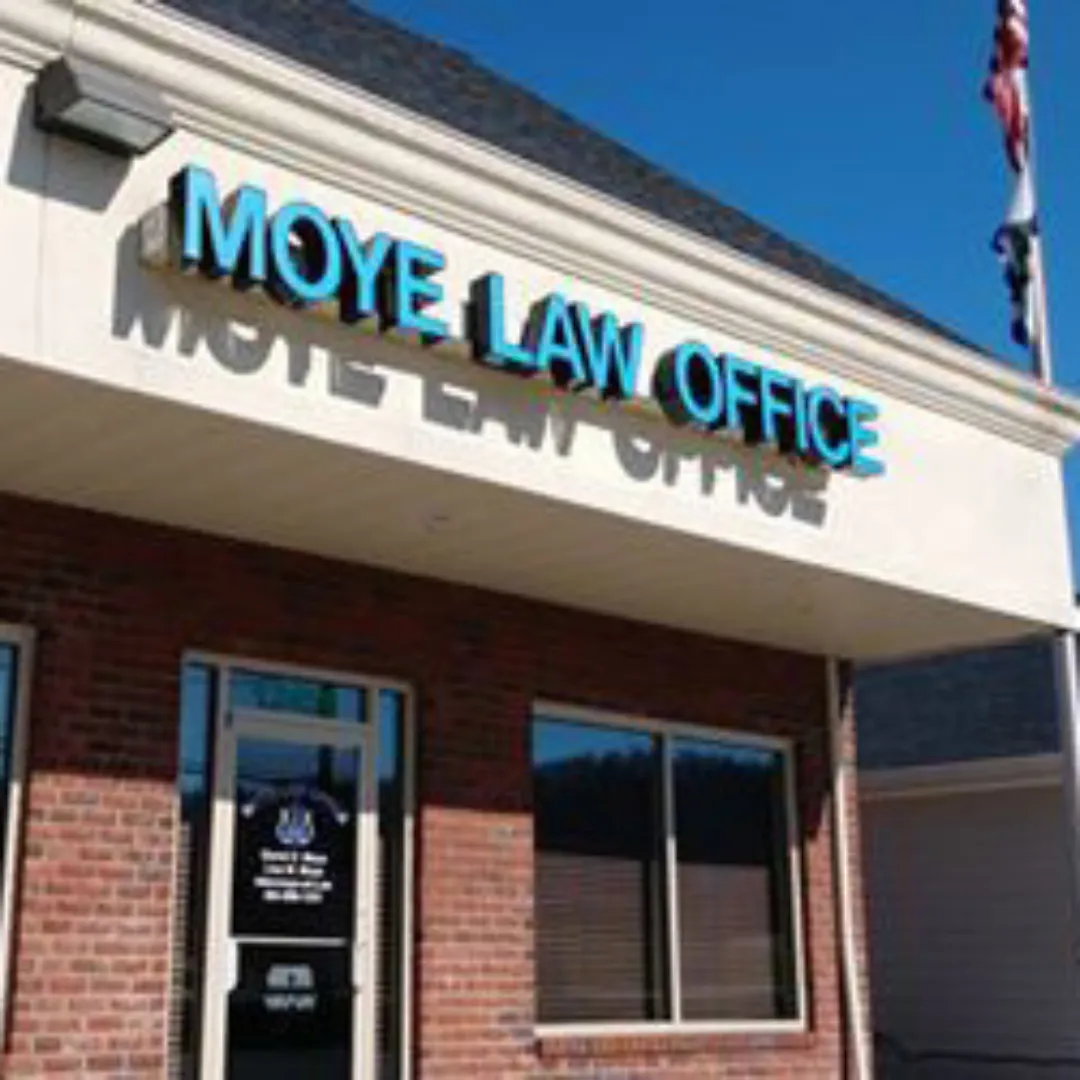
We have two offices in West Virginia: Winfield and Cross Lanes.
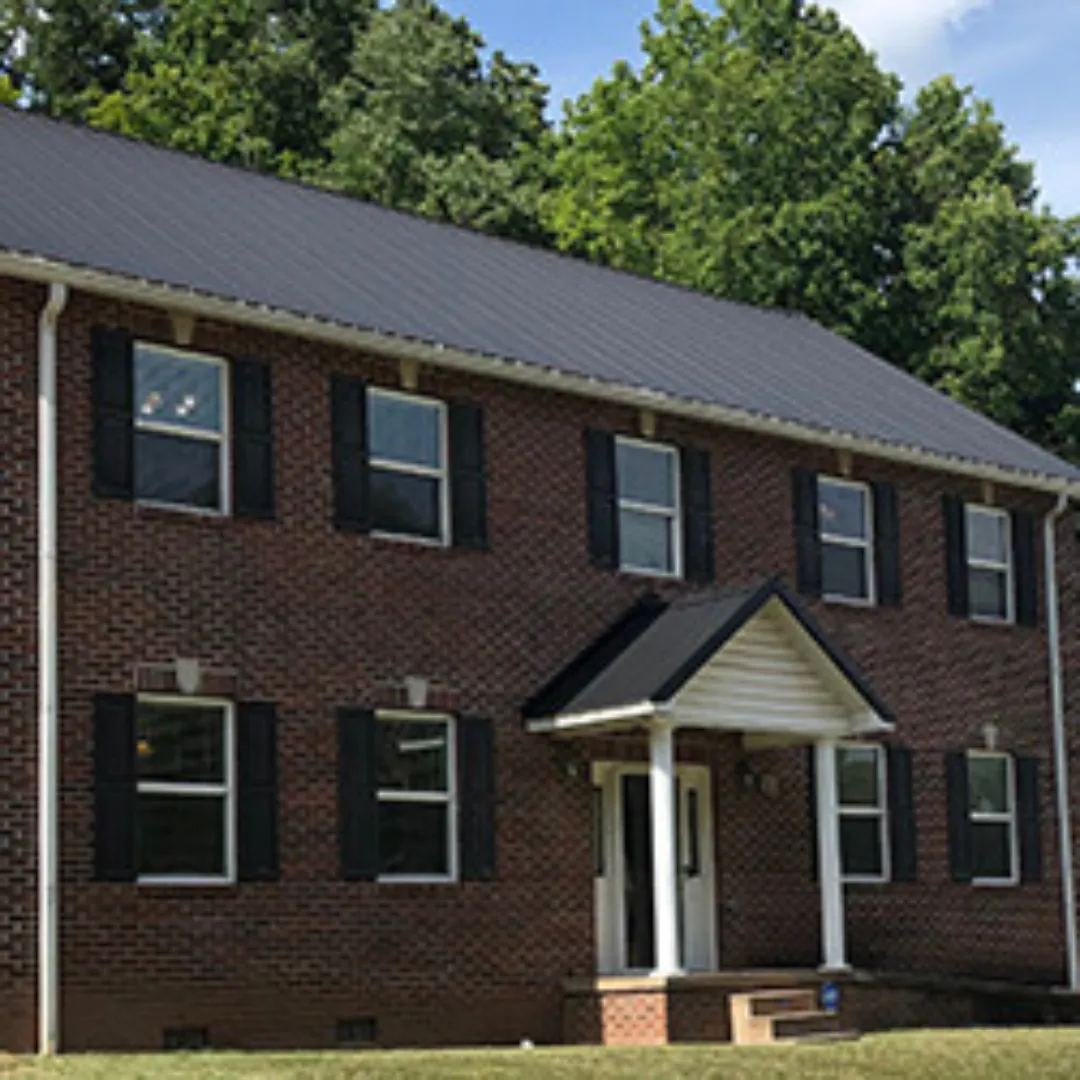
CROSS LANES
From Contract to Closing: Your Step-by-Step Guide to Buying Property in West Virginia
From Contract to Closing — Your Step-by-Step Guide to Buying Property in West Virginia
Buying a home in West Virginia is exciting — and it can be confusing. This guide walks you through each stage in plain language, from checking your finances to signing at closing. We’ll point out common roadblocks — like getting a loan, finding the right property, and meeting legal requirements — and explain how a local law office can help you avoid costly surprises. Use this roadmap to move confidently from contract to closing, and learn when to call Moye Law Office for help.
What are the essential steps to prepare for buying a home in West Virginia?
Preparation starts with a few practical steps that protect your timeline and budget. Get a clear picture of your finances, check your credit, and learn your mortgage options. If you’re a first‑time buyer, look into state and local down payment assistance programs — they can significantly affect what you can afford.
How do you assess your finances and obtain mortgage pre-approval in WV?
Start by listing income, savings, debts, and your credit score. Lenders use that information to decide which loan programs and rates you qualify for. For pre-approval you’ll usually provide pay stubs, tax returns, and recent bank statements. A pre-approval gives you a realistic price range and tells sellers you’re a serious buyer.
What down payment assistance programs are available for West Virginia homebuyers?
West Virginia and several local organizations offer down payment help — grants, low‑interest second loans, or tax credits — often aimed at first‑time buyers and moderate‑income households. Each program has income and property limits, so check eligibility early. These options can lower your up‑front costs and broaden your choices when house hunting.
How do you find property and make an offer in West Virginia?
Finding the right home takes research and a local team you trust. Explore neighborhoods, attend open houses, and work with a real estate agent familiar with West Virginia markets. When you find a property you like, a well‑prepared, appropriately priced offer gives you the best shot at winning the contract.
What role do real estate agents play in the WV home buying process?
Agents bring local market knowledge, negotiation experience, and transaction coordination. They help you target neighborhoods, compare recent sales, write offers, and arrange inspections and closing details. A good agent keeps the process moving and helps you avoid surprises.
How do you make and negotiate an offer on a West Virginia property?
Your offer should reflect current market conditions and the property’s condition. Typical offers include a purchase price, earnest money deposit, contingencies (inspections, financing), and a proposed closing date. Negotiations may touch price, timing, or who handles repairs. Your agent — and an attorney when needed — can help you structure terms that protect your interests while staying competitive.
What is involved in due diligence and legal review before closing in West Virginia?
Due diligence is your chance to confirm the property’s condition and legal status before you’re committed. That includes inspections, reviewing seller disclosures, and a title review to uncover liens or restrictions. These steps protect your investment and give you options if significant problems appear.
Why are home inspections crucial in West Virginia’s buyer‑beware environment?
West Virginia follows a “buyer beware” approach, so inspections are essential. A licensed inspector will flag structural issues, pest damage, roof or HVAC problems, and other costly repairs. Inspection results can justify renegotiation, require repairs, or give you confidence that the home is in good shape — all valuable before closing.
How does title work and how does title insurance protect your investment in WV?
Title work verifies the seller’s legal right to sell and reveals any undisclosed liens or claims. Title insurance protects you against certain title defects that surface after closing. Reviewing the title report and securing title insurance are key steps to ensure you’re buying clear ownership.
What happens during the real estate closing process in West Virginia?
Closing is when the transaction becomes final: documents are signed, funds are transferred, and ownership changes hands. Your lender, title company, attorney, and the seller coordinate to complete paperwork and record the sale with the county.
What documents are signed and what costs are involved at closing in WV?
At closing you’ll sign the deed, loan documents, and the closing disclosure summarizing final loan terms and costs. Expect closing costs such as title insurance, appraisal fees, recording fees, and attorney or settlement fees. Reviewing an itemized closing statement ahead of time helps you plan accurately.
How is the property deed transferred and when do you get the keys in West Virginia?
After signatures and funding, the deed is recorded with the county clerk, which legally transfers ownership. Once recording is complete and funds clear, you receive the keys. Before closing, do a final walkthrough to confirm the property’s condition and that any agreed repairs were completed.
How does Moye Law Office support you throughout the West Virginia home buying journey?
Navigating legal details can be stressful. Moye Law Office offers practical, state‑specific legal guidance at each stage of your purchase — protecting your interests and explaining options in straightforward terms.
What legal services does Moye Law provide for real estate transactions in WV?
Moye Law Office handles contract review, title examination, and closing representation to make sure documents are accurate and your rights are protected. The team explains your obligations and resolves legal issues that could delay or derail a closing. For details, see our real estate law services.
Outside of real estate, Moye Law represents clients in other matters as well. If you’re facing unrelated legal issues — for example a criminal defense matter — the firm can connect you with the right expertise.
When should you consult a real estate attorney during your WV property purchase?
It’s smart to consult an attorney early — ideally when you’re preparing an offer or reviewing contract terms. Early legal review can spot risks, suggest protective contingencies, and prevent last‑minute problems. If questions come up, check the firm’s FAQ or contact the office for direct advice.
What should you know about post‑closing responsibilities after buying property in West Virginia?
After closing you’ll handle ongoing obligations like property taxes, homeowners insurance, and routine maintenance. Staying on top of these tasks protects your investment and helps you avoid penalties.
How are property taxes and homeowners insurance managed in West Virginia?
Property taxes are assessed annually and vary by county and property value. Homeowners insurance covers damage and liability. Include both in your long‑term budget so recurring expenses don’t catch you off guard.
When is it necessary to seek legal support after closing?
Post‑closing issues can include disputes with the seller, title claims, or problems discovered later. If you encounter title issues, unresolved seller obligations, or other disputes, contact a trusted attorney like the team at Moye Law Office for prompt guidance and representation. See contact options.
Document typeWhat it isWhy it mattersPurchase AgreementThe contract that lays out the sale termsEssential for protecting your legal rightsTitle ReportA record that verifies legal ownership and flags outstanding claimsCritical for confirming clear titleClosing DisclosureAn itemized summary of final loan terms and closing costsRequired for transparency before you sign
Knowing the steps to buy property in West Virginia cuts down surprises and helps you make better choices. Follow this guide, rely on experienced local professionals, and bring Moye Law Office into the process when you need legal clarity or protection.
Frequently Asked Questions
What are the common mistakes to avoid when buying property in West Virginia?
Common mistakes include skipping a home inspection, underestimating closing and ongoing costs, and failing to research the neighborhood or title history. Rushing into offers without proper contingencies or not reading the purchase agreement carefully can lead to unfavorable terms. Working with a knowledgeable agent and an attorney helps you avoid these pitfalls.
How can you prepare for unexpected costs after buying a home?
Plan for regular upkeep and surprise repairs by building a reserve — many experts suggest 1–3% of the home’s value each year. Factor property taxes and insurance into your monthly budget and get estimates for likely repairs so expectations are realistic.
What should you know about homeowner associations (HOAs) in West Virginia?
HOAs set rules, manage shared spaces, and collect fees that affect your lifestyle and budget. Before buying in an HOA community, review the covenants, restrictions, bylaws, fee schedule, and the association’s financial statements. Look for pending assessments that could raise your costs.
How do property appraisals work in West Virginia?
Licensed appraisers inspect the property and compare recent sales to estimate market value. Lenders require an appraisal to confirm the home’s value relative to the loan. Understanding appraisals helps you set realistic offers and respond if the appraisal comes in below the contract price.
What are the benefits of using a real estate attorney in West Virginia?
An attorney reviews contracts, checks title issues, advises on contingencies, and represents you at closing. Legal oversight reduces risk and helps resolve disputes more efficiently, which can save time and money in complex transactions.
What is the importance of a final walkthrough before closing?
The final walkthrough verifies the property’s condition and that agreed repairs were completed. It’s your last opportunity to confirm the home is ready for possession. Raise any remaining concerns before closing so they can be addressed in writing.
Moye Law Offices
We have two offices in West Virginia:
Winfield and Cross Lanes.
CROSS LANES
We Are Here To Help
Do you have a query or problem that you would like to talk about, or are you curious to hear more about how we can help you?
Get in touch today! We look forward to hearing from you.
Assistance Hours
Monday – Friday: 8:30am – 4:30pm
Saturday: By appointment only
Sunday: CLOSED
Subscribe to our Newsletter
We Are Here To Help
Do you have a query or problem that you would like to talk about, or are you curious to hear more about how we can help you?
Get in touch today! We look forward to hearing from you.
Assistance Hours
Monday – Friday 8:30am – 4:30pm
Saturday: By appointment only
Sunday CLOSED