
Blog

Blog

Judgment Lien in West Virginia: How to Clear Your Property
Judgments and Liens in West Virginia: Understanding Attachment to Property and How to Clear Them
Judgments and liens can materially affect property ownership in West Virginia and block sales or refinancing until resolved. According to the West Virginia State Bar, judgment liens are among the most common encumbrances affecting real estate transactions in the state. This article defines judgment liens, explains how they attach to real property, summarizes their effects on title and transactions, and describes practical steps to clear them. For direct help see legal assistance and explore the practice areas offered by Moye Law Firm.
What Is a Judgment Lien and How Does It Attach to Property in West Virginia?

A judgment lien is a court-ordered claim that secures a creditor's right to satisfy a money judgment. In West Virginia, creditors obtain a judgment, then record or docket it with the county clerk; recording creates public notice and causes the lien to attach to real property owned by the judgment debtor in that county, affecting the owner's ability to sell or refinance until resolved.
According to a 2019 report by the National Consumer Law Center, judgment liens are a significant barrier to homeownership and refinancing for many Americans, including West Virginians, as they remain on property titles until fully satisfied or legally removed.
Definition and Legal Basis of Judgment Liens in WV
Judgment liens are involuntary encumbrances arising from court judgments; state law allows creditors to docket judgments to secure interests in a debtor's real estate when obligations remain unpaid. Resolving a lien typically requires paying the judgment, negotiating a settlement with a creditor, and obtaining and recording a formal release.
Historical authorities note that judgments become liens on real estate through formal docketing and recording procedures. Judgment Lien Creditors' Suits in West Virginia, 1928
West Virginia Judgment Lien Attachment & Docketing
Historical authorities note that judgments become liens on real estate through formal docketing and recording procedures. Judgment Lien Creditors' Suits in West Virginia, 1928
Process of Lien Attachment to Property Titles
Attachment follows a clear sequence: a creditor secures a judgment, files and records it with the county clerk, and the recording creates the lien on the debtor's property in that county; the lien remains until satisfied or removed by legal means.
Data from the West Virginia Secretary of State indicates that thousands of judgment liens are docketed annually, underscoring the importance of understanding this process for property owners.
What Are the Effects of Judgment Liens on West Virginia Property Titles and Real Estate Transactions?
A recorded judgment lien reduces marketability and can block sales or refinancing because buyers and lenders typically require clear title; sellers with liens may face reduced negotiating leverage and disclosure duties.
Impact of Liens on Property Ownership and Title Encumbrances
Liens create enforceable claims that limit an owner's ability to transfer title or obtain mortgage financing, often delaying transactions and increasing the need for title remediation.
The American Land Title Association reports that liens are among the top five title defects that cause delays or cancellations in real estate closings nationwide, including West Virginia.
How Liens Can Delay or Stall Real Estate Deals in WV
Liens introduce legal and financing obstacles: buyers may avoid encumbered property, lenders often insist on lien removal before funding, and negotiations can become more complex while parties determine responsibility for resolution.
According to a 2021 survey by the National Association of Realtors, 27% of real estate transactions nationwide experienced delays due to title issues, with liens being a primary cause.
How Can You Remove or Clear a Judgment Lien from Property in West Virginia?

To remove a judgment lien, confirm the lien in court and title records, consult an attorney if needed, negotiate settlement or payment with the creditor (lump sum or plan), obtain a written release, and file that release with the county clerk so the record shows the lien is cleared. For expert guidance, visit the About Us page of Moye Law Firm or contact them directly through their contact page.
Step-by-Step Lien Removal and Cure Process in WV
The lien removal process follows these key steps:
Identify the Lien: Review court records and property titles to confirm existence.
Negotiate with Creditors: Contact the creditor to discuss settlement or payment options.
Obtain a Lien Release: Request a written release once the debt is satisfied or settled.
File the Release: Record the release with the county clerk to clear the title.
These steps help property owners manage lien removal efficiently and reduce risks to their title. For more detailed answers, see the FAQs provided by Moye Law Firm.
Legal Documentation and Requirements for Lien Release
Clearing a judgment lien requires accurate documentation; commonly required items include:
Judgment Release: A formal document from the creditor stating the debt is satisfied and the lien is released.
Payment Records: Proof of payment or a settlement agreement demonstrating resolution.
Filing Fees: Any fees required to record the release with the county clerk.
Ensure all documents are complete and properly filed so the recorded release clears the title without further issues.
Where Can West Virginia Residents Find Legal Assistance and Resources for Judgment Liens?
Residents can seek help from local legal aid organizations or retain private attorneys who specialize in real estate law for focused counsel on lien resolution and title clearing; professional advice helps owners weigh options and choose remedies that protect their rights. Moye Law Firm also offers expertise in related areas such as personal injury law and divorce and family law, providing comprehensive legal support.
Moye Law Firm’s Services for Lien Resolution and Title Clearing
Moye Law Firm represents clients in lien resolution and title clearing across West Virginia, assisting individuals and families with judgment liens and related title issues. Residents in counties such as Cabell, Kanawha, Lincoln, Mason, and Putnam may use the firm's services for negotiating settlements, preparing releases, and filing required documents. Learn more about the firm and its team on the About Us page.
Frequently Asked Questions
What are the potential consequences of having a judgment lien on my property?
A judgment lien can prevent sale or refinancing, expose the owner to foreclosure remedies if unpaid, and negatively affect credit and future borrowing; timely action is important.
Can judgment liens affect my credit score?
Yes. Judgments are often reported to credit bureaus and can lower scores, making credit and favorable rates harder to obtain; resolving the judgment helps mitigate these impacts.
Is it possible to negotiate a settlement for a judgment lien?
Yes. Creditors commonly accept lump‑sum settlements or payment plans; always obtain a written release and record it after settlement. Legal counsel can assist in negotiation and documentation.
What documentation is needed to clear a judgment lien?
Typically a formal judgment release from the creditor, proof of payment or a settlement agreement, and payment of recording fees are required to remove the lien from public records.
How can I find legal assistance for dealing with judgment liens?
Contact local legal aid for low‑cost help or retain a private attorney who handles real estate matters; a qualified lawyer can negotiate with creditors and prepare filings to clear your title. Visit Moye Law Firm for trusted legal support.
What steps should I take if I discover a judgment lien on my property?
Confirm the judgment and terms in court and title records, contact the creditor to discuss resolution, obtain a written release for any settlement, and file the release with the county clerk; consult counsel as needed.

Moye Law Offices
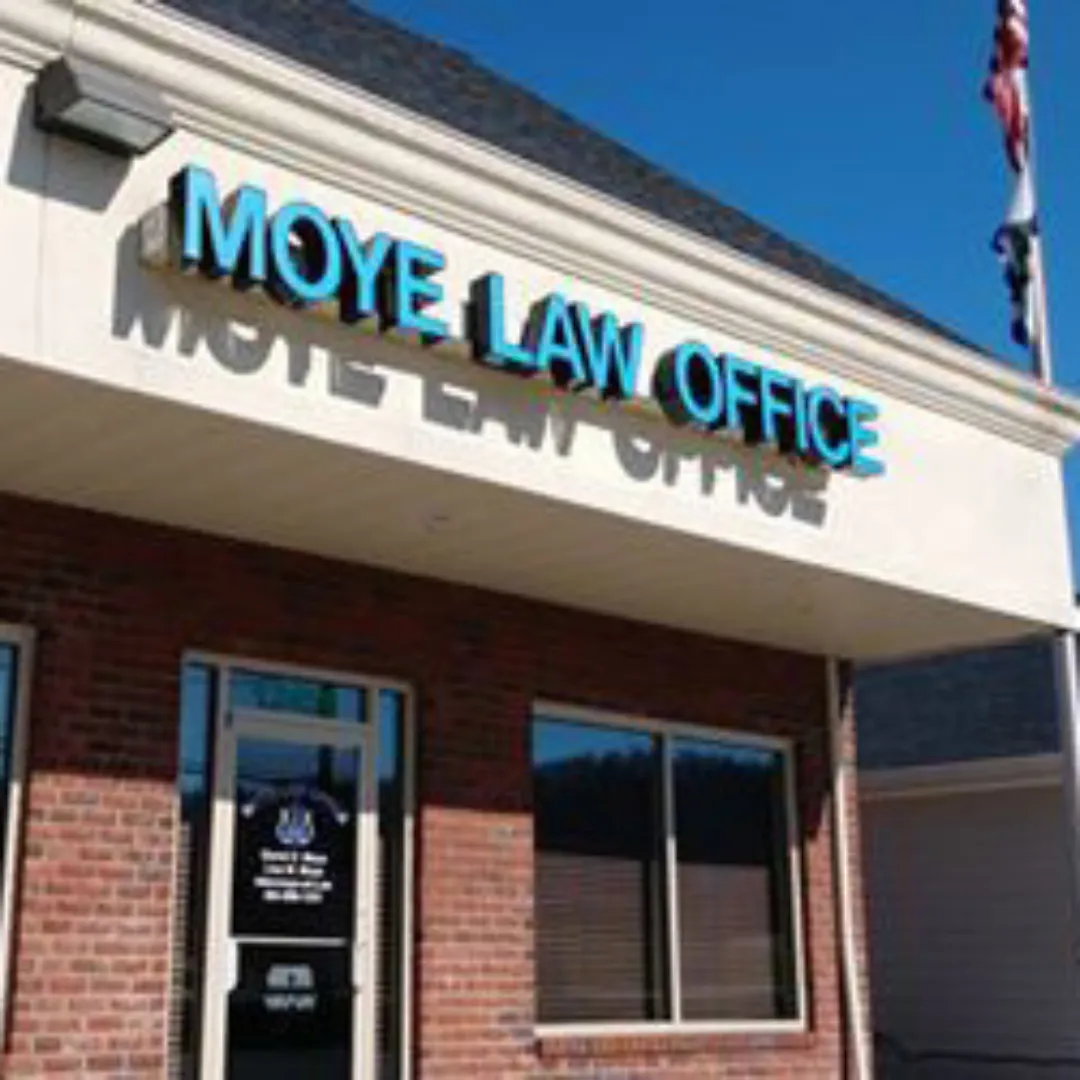
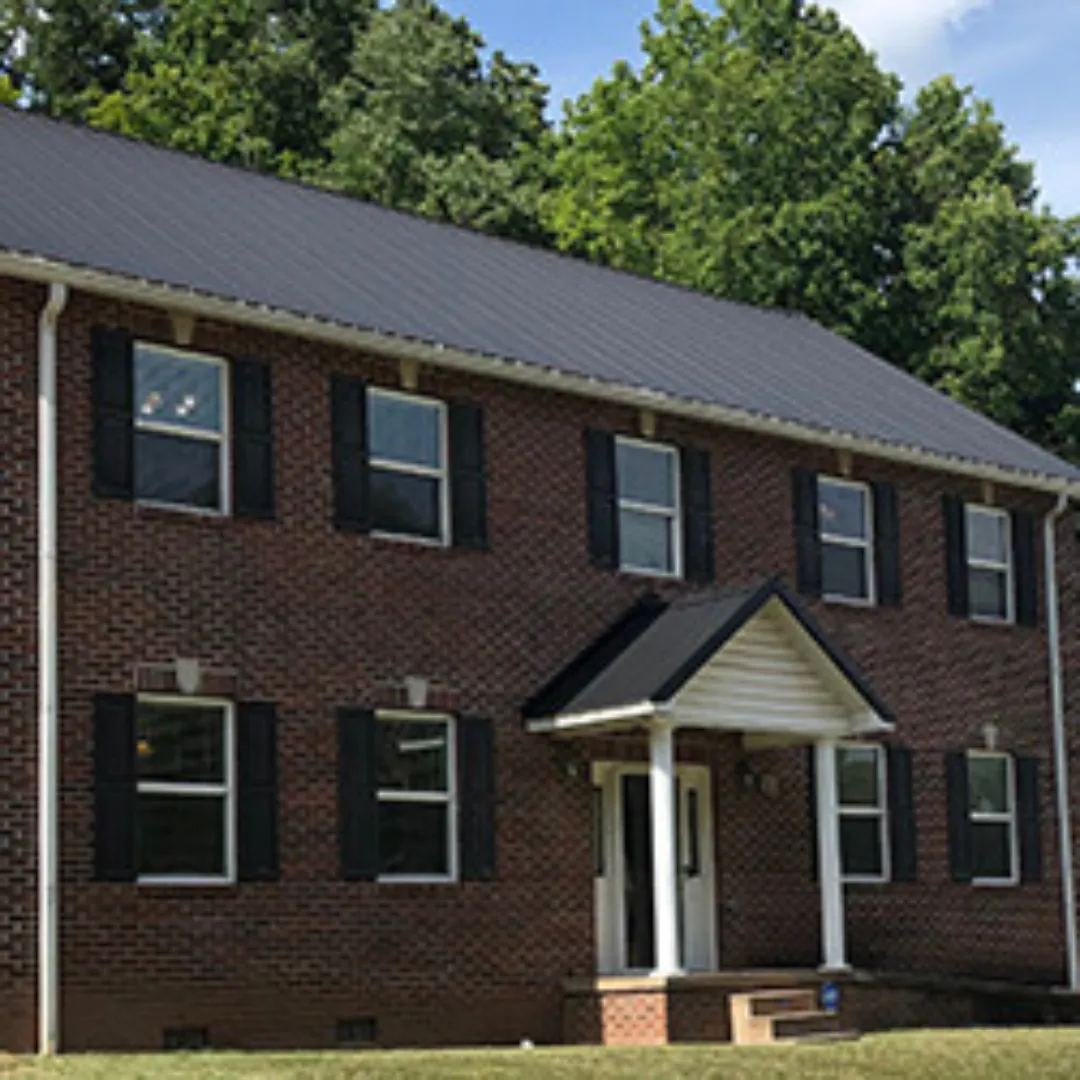
We have two offices in West Virginia: Winfield and Cross Lanes.
CROSS LANES
Judgment Lien in West Virginia: How to Clear Your Property
Judgments and Liens in West Virginia: Understanding Attachment to Property and How to Clear Them
Judgments and liens can materially affect property ownership in West Virginia and block sales or refinancing until resolved. According to the West Virginia State Bar, judgment liens are among the most common encumbrances affecting real estate transactions in the state. This article defines judgment liens, explains how they attach to real property, summarizes their effects on title and transactions, and describes practical steps to clear them. For direct help see legal assistance and explore the practice areas offered by Moye Law Firm.
What Is a Judgment Lien and How Does It Attach to Property in West Virginia?
A judgment lien is a court-ordered claim that secures a creditor's right to satisfy a money judgment. In West Virginia, creditors obtain a judgment, then record or docket it with the county clerk; recording creates public notice and causes the lien to attach to real property owned by the judgment debtor in that county, affecting the owner's ability to sell or refinance until resolved.
According to a 2019 report by the National Consumer Law Center, judgment liens are a significant barrier to homeownership and refinancing for many Americans, including West Virginians, as they remain on property titles until fully satisfied or legally removed.
Definition and Legal Basis of Judgment Liens in WV
Judgment liens are involuntary encumbrances arising from court judgments; state law allows creditors to docket judgments to secure interests in a debtor's real estate when obligations remain unpaid. Resolving a lien typically requires paying the judgment, negotiating a settlement with a creditor, and obtaining and recording a formal release.
Historical authorities note that judgments become liens on real estate through formal docketing and recording procedures. Judgment Lien Creditors' Suits in West Virginia, 1928
West Virginia Judgment Lien Attachment & Docketing
Historical authorities note that judgments become liens on real estate through formal docketing and recording procedures. Judgment Lien Creditors' Suits in West Virginia, 1928
Process of Lien Attachment to Property Titles
Attachment follows a clear sequence: a creditor secures a judgment, files and records it with the county clerk, and the recording creates the lien on the debtor's property in that county; the lien remains until satisfied or removed by legal means.
Data from the West Virginia Secretary of State indicates that thousands of judgment liens are docketed annually, underscoring the importance of understanding this process for property owners.
What Are the Effects of Judgment Liens on West Virginia Property Titles and Real Estate Transactions?
A recorded judgment lien reduces marketability and can block sales or refinancing because buyers and lenders typically require clear title; sellers with liens may face reduced negotiating leverage and disclosure duties.
Impact of Liens on Property Ownership and Title Encumbrances
Liens create enforceable claims that limit an owner's ability to transfer title or obtain mortgage financing, often delaying transactions and increasing the need for title remediation.
The American Land Title Association reports that liens are among the top five title defects that cause delays or cancellations in real estate closings nationwide, including West Virginia.
How Liens Can Delay or Stall Real Estate Deals in WV
Liens introduce legal and financing obstacles: buyers may avoid encumbered property, lenders often insist on lien removal before funding, and negotiations can become more complex while parties determine responsibility for resolution.
According to a 2021 survey by the National Association of Realtors, 27% of real estate transactions nationwide experienced delays due to title issues, with liens being a primary cause.
How Can You Remove or Clear a Judgment Lien from Property in West Virginia?
To remove a judgment lien, confirm the lien in court and title records, consult an attorney if needed, negotiate settlement or payment with the creditor (lump sum or plan), obtain a written release, and file that release with the county clerk so the record shows the lien is cleared. For expert guidance, visit the About Us page of Moye Law Firm or contact them directly through their contact page.
Step-by-Step Lien Removal and Cure Process in WV
The lien removal process follows these key steps:
Identify the Lien: Review court records and property titles to confirm existence.
Negotiate with Creditors: Contact the creditor to discuss settlement or payment options.
Obtain a Lien Release: Request a written release once the debt is satisfied or settled.
File the Release: Record the release with the county clerk to clear the title.
These steps help property owners manage lien removal efficiently and reduce risks to their title. For more detailed answers, see the FAQs provided by Moye Law Firm.
Legal Documentation and Requirements for Lien Release
Clearing a judgment lien requires accurate documentation; commonly required items include:
Judgment Release: A formal document from the creditor stating the debt is satisfied and the lien is released.
Payment Records: Proof of payment or a settlement agreement demonstrating resolution.
Filing Fees: Any fees required to record the release with the county clerk.
Ensure all documents are complete and properly filed so the recorded release clears the title without further issues.
Where Can West Virginia Residents Find Legal Assistance and Resources for Judgment Liens?
Residents can seek help from local legal aid organizations or retain private attorneys who specialize in real estate law for focused counsel on lien resolution and title clearing; professional advice helps owners weigh options and choose remedies that protect their rights. Moye Law Firm also offers expertise in related areas such as personal injury law and divorce and family law, providing comprehensive legal support.
Moye Law Firm’s Services for Lien Resolution and Title Clearing
Moye Law Firm represents clients in lien resolution and title clearing across West Virginia, assisting individuals and families with judgment liens and related title issues. Residents in counties such as Cabell, Kanawha, Lincoln, Mason, and Putnam may use the firm's services for negotiating settlements, preparing releases, and filing required documents. Learn more about the firm and its team on the About Us page.
Frequently Asked Questions
What are the potential consequences of having a judgment lien on my property?
A judgment lien can prevent sale or refinancing, expose the owner to foreclosure remedies if unpaid, and negatively affect credit and future borrowing; timely action is important.
Can judgment liens affect my credit score?
Yes. Judgments are often reported to credit bureaus and can lower scores, making credit and favorable rates harder to obtain; resolving the judgment helps mitigate these impacts.
Is it possible to negotiate a settlement for a judgment lien?
Yes. Creditors commonly accept lump‑sum settlements or payment plans; always obtain a written release and record it after settlement. Legal counsel can assist in negotiation and documentation.
What documentation is needed to clear a judgment lien?
Typically a formal judgment release from the creditor, proof of payment or a settlement agreement, and payment of recording fees are required to remove the lien from public records.
How can I find legal assistance for dealing with judgment liens?
Contact local legal aid for low‑cost help or retain a private attorney who handles real estate matters; a qualified lawyer can negotiate with creditors and prepare filings to clear your title. Visit Moye Law Firm for trusted legal support.
What steps should I take if I discover a judgment lien on my property?
Confirm the judgment and terms in court and title records, contact the creditor to discuss resolution, obtain a written release for any settlement, and file the release with the county clerk; consult counsel as needed.
Moye Law Offices
We have two offices in West Virginia:
Winfield and Cross Lanes.
CROSS LANES
We Are Here To Help
Do you have a query or problem that you would like to talk about, or are you curious to hear more about how we can help you?
Get in touch today! We look forward to hearing from you.
Assistance Hours
Monday – Friday: 8:30am – 4:30pm
Saturday: By appointment only
Sunday: CLOSED
Subscribe to our Newsletter
We Are Here To Help
Do you have a query or problem that you would like to talk about, or are you curious to hear more about how we can help you?
Get in touch today! We look forward to hearing from you.
Assistance Hours
Monday – Friday 8:30am – 4:30pm
Saturday: By appointment only
Sunday CLOSED