Blog
Blog
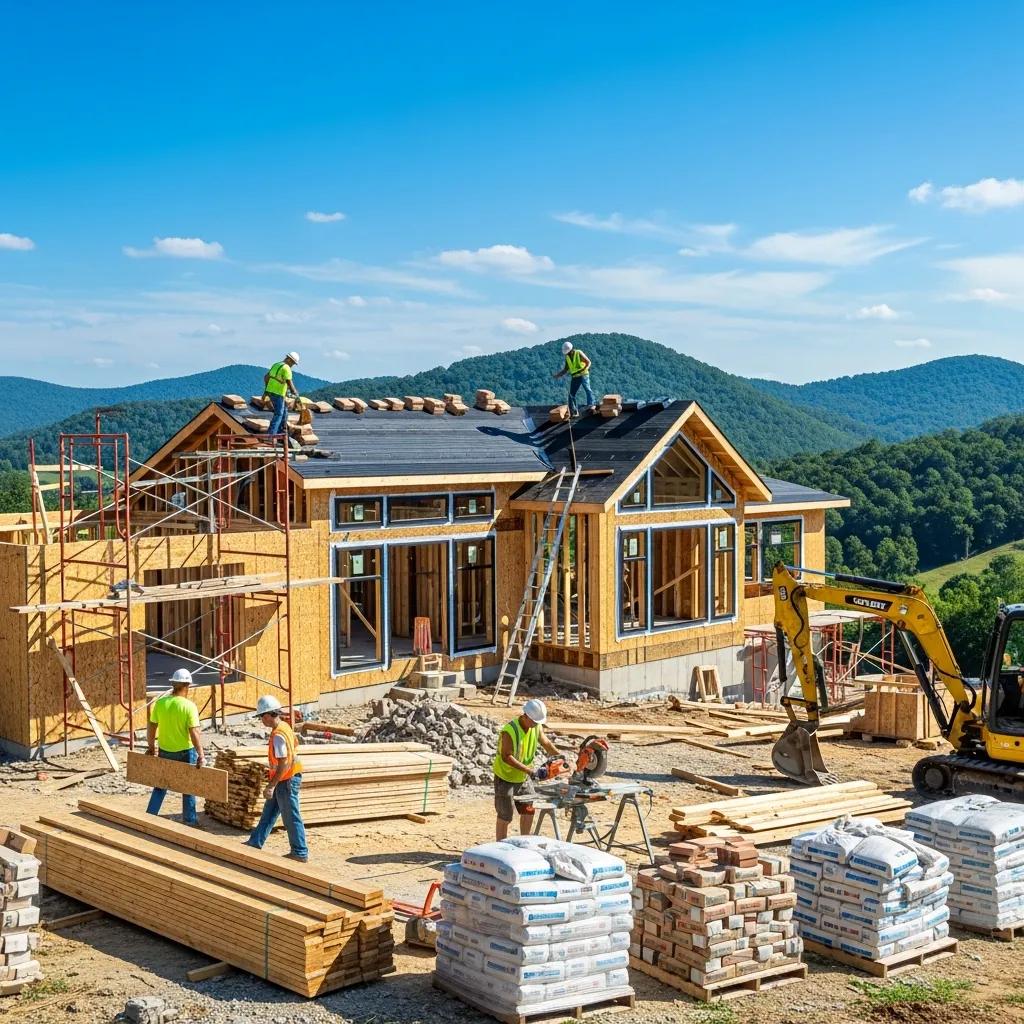
Key Insights on New Construction Closing Risks in WV
New Construction Closings in West Virginia: Understanding Title, Permits, and Managing Last-Minute Risks
New construction closings in West Virginia hinge on a few practical tasks: confirming title, verifying permits and managing last‑minute issues. This guide summarizes the steps, explains title insurance and legal review, and notes how Moye Law Firm can assist clients.
Key considerations for new construction closings in West Virginia include:
Focus on three core items to reduce risk and keep the closing on schedule: a title examination, confirmed permit compliance and proactive handling of last‑minute surprises.
Conducting a Thorough Title Search: Identify liens or encumbrances early.
Ensuring All Necessary Permits Are Obtained: Verify permits and inspections are complete.
Managing Potential Last-Minute Risks: Plan contingencies for common closing issues.
Moye Law Firm specializes in real estate law and other practice areas across West Virginia, assisting with title review, contract matters and closing coordination.
What Are the Essential Steps in the New Home Closing Process in West Virginia?
The process typically follows three stages: (1) contract formation after offer acceptance, (2) lender underwriting and financing, and (3) title search and procurement of title insurance. Timely document handling at each stage prevents last‑minute delays.
Offer Acceptance and Contract Formation
Financing and Lender Underwriting
Title Search and Title Insurance Procurement
How Does Title Review Protect Buyers and Sellers in New Construction Closings?

Title review confirms the seller's marketable title and uncovers defects (liens, encumbrances, recording errors). It supports the issuance of title insurance to protect buyers and lenders from covered losses.
Identifying Defects Before Closing: Catch and resolve issues early.
Ensuring Title is Clear and Marketable: Confirms the seller's right to convey.
Providing Financial Protection Through Title Insurance: Shifts certain post‑closing risks to the insurer.
What Role Do Building Permits Play in the Closing Process?

Permits and inspection records prove construction complied with codes. Verifying permit status is a routine, essential part of due diligence to avoid inheriting compliance problems.
Ensuring Compliance with Local Regulations
Preventing Inheriting Compliance Problems
Involving Inspections and Approvals
How Does Title Insurance Safeguard New Construction Transactions in West Virginia?
Title insurance protects buyers and lenders from covered defects that surface after closing, such as undisclosed heirs or forged documents, providing both legal defense and indemnity subject to policy terms.
Protecting Against Financial Losses from Title Defects
Covering Issues Like Undisclosed Heirs and Forged Documents
Serving as a Legal and Financial Backstop
What Common Title Issues Arise in New Home Closings?
Frequent problems include unpaid liens, errors in public records, and claims by undisclosed heirs. Early detection lets parties resolve defects or negotiate remedies before closing.
Unpaid Liens
Public Record Errors
Undisclosed Heirs
Why Is Legal Review Critical Before Finalizing Title Insurance?
An attorney ensures disclosures, contracts and title documents accurately allocate risk and reflect the parties' agreement. Legal review reduces the chance of costly post‑closing disputes.
Ensuring Accuracy of Disclosures
Aligning Agreements with Expectations
Helping Avoid Costly Errors
What Are the Common Last-Minute Surprise Risks in New Construction Closings?
Closings can be delayed by newly discovered liens, record errors or missing signatures. Frequent communication and contingency planning minimize disruptions.
Unpaid Liens
Mistakes in Public Records
Missing Signatures
How Can Permit Irregularities Impact Closing Outcomes?
Permit irregularities may force corrective work, extra inspections or enforcement actions, any of which can delay or prevent closing and may create liability for involved parties.
Can Lead to Delays or Cancellations
May Expose to Legal Claims
Creates Uncertainty About Ownership
Understand permit status early and prepare a plan to address irregularities so they do not block closing or future resale.
Construction Permitting Challenges: Delays & Complexity
The findings indicate that licensing, insurance and bonding are foundational to credibility and compliance, while permitting is most often cited as the principal challenge. Respondents described permitting as complex, inconsistent across jurisdictions and a common source of project delay. Many called for more efficient, transparent and standardised permitting processes.
How Regulations Impact Contractors in California: Licensing, Insurance, Bonding & Permitting, 2025
What Legal Strategies Mitigate Last-Minute Closing Risks?
Key strategies are early due diligence, focused title searches and clear contractual contingencies that assign responsibility for outstanding matters.
Early Due Diligence: Start investigations and document requests promptly.
Title Search and Review: Target issues that commonly delay closings.
Clear Contract Contingencies: Use contract language to address outstanding items.
How Do County-Specific Considerations Affect New Construction Closings in West Virginia?
County practices (staffing, recording rules, accepted e‑recording vendors) influence processing times and submission requirements. Anticipate local variations to avoid unnecessary delays.
County Clerk Staffing
Processing Rules Vary by County
E-Recording Vendor Requirements
What Are the Building Permit Requirements in Cabell, Kanawha, and Surrounding Counties?
Permit rules differ by county. Confirm submission requirements, inspection protocols and timing with the relevant permitting authority for each jurisdiction involved.
Specific Requirements Vary by County
Importance of Local Regulations
Potential for Compliance Issues
How Does Moye Law Firm Support Clients Across West Virginia Counties?
Moye Law Firm offers legal services statewide for real estate transactions, related criminal defence issues and estate planning affecting property.
Real Estate Law Assistance
Criminal Defense Representation
Estate Planning Guidance
For more information about our team, visit our about us page or explore our contact us page to get in touch.
Frequently Asked Questions
What should buyers look for in a title insurance policy?
Confirm coverage for common risks (liens, ownership disputes, recording errors), review exclusions and limits, and consult an attorney about policy terms for the specific property. See our FAQs for more details.
How can buyers prepare for potential delays in the closing process?
Assemble documents early, secure financing, complete inspections, verify permits and keep regular communication with lenders, agents and counsel. Build time contingencies into the schedule.
What are the implications of not obtaining necessary building permits?
Missing permits can lead to fines, required removal of work, enforcement actions and resale complications. Verify permits before closing to avoid these outcomes.
How do zoning laws affect new construction projects?
Zoning sets permitted uses, dimensions and restrictions; non‑compliance may require costly revisions. Verify zoning compatibility early and consult planning authorities if needed.
What steps can be taken if a title issue is discovered before closing?
Contact the title company and a real estate attorney immediately. Remedies include paying or negotiating liens, correcting records or delaying closing until the issue is resolved.
What role does a real estate attorney play in the closing process?
An attorney reviews documents, advises on legal risks, negotiates remedies and coordinates with title professionals to help ensure a clean transfer and smoother closing logistics. Learn more about our personal injury law and divorce and family law services as well.
How can buyers ensure they are compliant with local building codes?
Review local codes, hire contractors familiar with county requirements, obtain required permits and schedule inspections; consult local building authorities or counsel for guidance.
Additional Considerations for New Construction Closings in West Virginia
Beyond the core elements of title, permits, and last-minute risk management, several additional factors can influence the success and smoothness of new construction closings in West Virginia. Understanding these can help buyers, sellers, and their legal teams better prepare and avoid common pitfalls.
Environmental and Land Use Regulations
New construction projects must comply with environmental regulations that protect wetlands, waterways, and endangered species habitats. Failure to address these can result in costly delays or legal challenges. It is important to verify that all necessary environmental assessments and approvals have been completed before closing.
Homeowner Association (HOA) Requirements
If the new construction is within a community governed by a homeowner association, buyers should review HOA covenants, conditions, and restrictions (CC&Rs). These documents can affect property use, maintenance obligations, and fees, which may impact the buyer’s decision and financing.
Builder Warranties and Post-Closing Responsibilities
Understanding the scope and duration of builder warranties is critical. Buyers should ensure that warranties covering structural defects, systems, and finishes are clearly documented and transferred at closing. Additionally, post-closing responsibilities such as final inspections or punch list completions should be clearly outlined in the contract to avoid disputes.
Impact of Market Conditions on Closing Timelines
Market factors such as labor shortages, supply chain disruptions, and fluctuating material costs can affect construction completion dates and closing schedules. Buyers and sellers should maintain flexible timelines and communicate regularly to manage expectations and adjust plans as needed.
Insurance Requirements Beyond Title Insurance
In addition to title insurance, buyers should consider obtaining homeowner’s insurance that covers the new property from the date of closing. Builders may also carry builder’s risk insurance during construction, but buyers need to confirm when their coverage begins to avoid gaps.
Importance of Clear Communication Among All Parties
Effective communication between buyers, sellers, builders, lenders, title companies, and attorneys is essential to identify and resolve issues promptly. Establishing a clear point of contact and regular updates can prevent misunderstandings and last-minute surprises.
By addressing these additional considerations alongside the primary focus areas, parties involved in new construction closings in West Virginia can better navigate the complexities and achieve a successful transaction.

Moye Law Offices
We have two offices in West Virginia: Winfield and Cross Lanes.
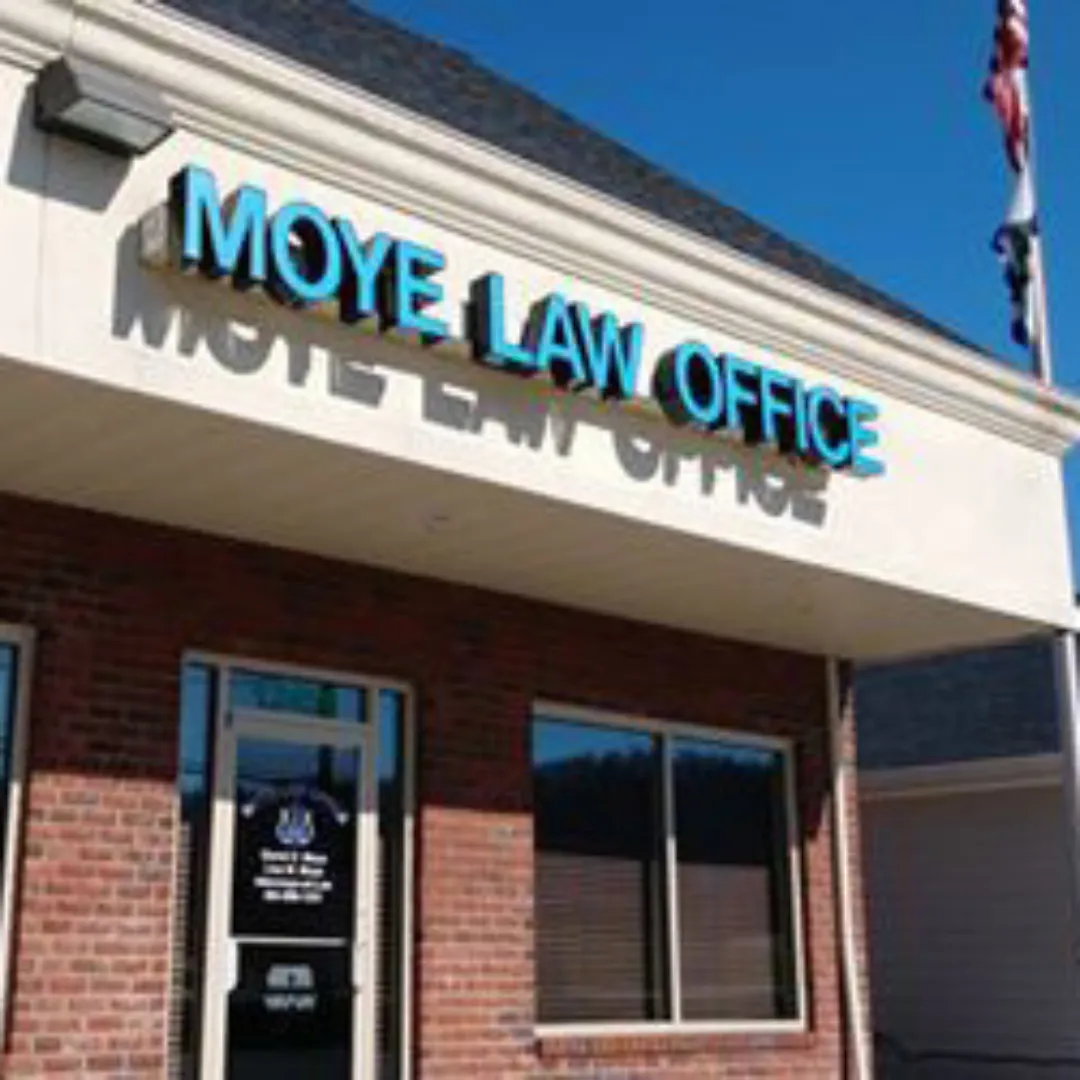
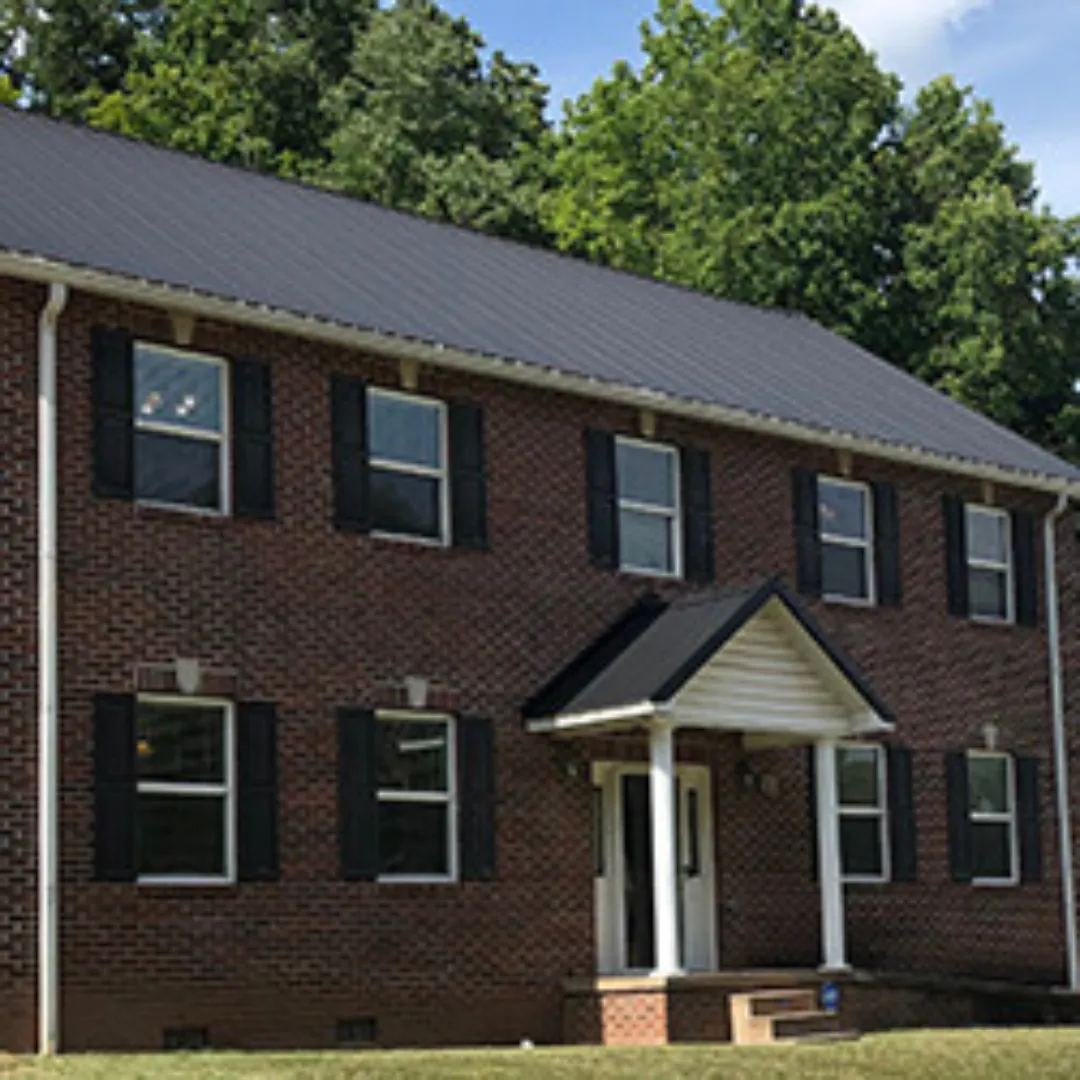
CROSS LANES
Key Insights on New Construction Closing Risks in WV
New Construction Closings in West Virginia: Understanding Title, Permits, and Managing Last-Minute Risks
New construction closings in West Virginia hinge on a few practical tasks: confirming title, verifying permits and managing last‑minute issues. This guide summarizes the steps, explains title insurance and legal review, and notes how Moye Law Firm can assist clients.
Key considerations for new construction closings in West Virginia include:
Focus on three core items to reduce risk and keep the closing on schedule: a title examination, confirmed permit compliance and proactive handling of last‑minute surprises.
Conducting a Thorough Title Search: Identify liens or encumbrances early.
Ensuring All Necessary Permits Are Obtained: Verify permits and inspections are complete.
Managing Potential Last-Minute Risks: Plan contingencies for common closing issues.
Moye Law Firm specializes in real estate law and other practice areas across West Virginia, assisting with title review, contract matters and closing coordination.
What Are the Essential Steps in the New Home Closing Process in West Virginia?
The process typically follows three stages: (1) contract formation after offer acceptance, (2) lender underwriting and financing, and (3) title search and procurement of title insurance. Timely document handling at each stage prevents last‑minute delays.
Offer Acceptance and Contract Formation
Financing and Lender Underwriting
Title Search and Title Insurance Procurement
How Does Title Review Protect Buyers and Sellers in New Construction Closings?
Title review confirms the seller's marketable title and uncovers defects (liens, encumbrances, recording errors). It supports the issuance of title insurance to protect buyers and lenders from covered losses.
Identifying Defects Before Closing: Catch and resolve issues early.
Ensuring Title is Clear and Marketable: Confirms the seller's right to convey.
Providing Financial Protection Through Title Insurance: Shifts certain post‑closing risks to the insurer.
What Role Do Building Permits Play in the Closing Process?
Permits and inspection records prove construction complied with codes. Verifying permit status is a routine, essential part of due diligence to avoid inheriting compliance problems.
Ensuring Compliance with Local Regulations
Preventing Inheriting Compliance Problems
Involving Inspections and Approvals
How Does Title Insurance Safeguard New Construction Transactions in West Virginia?
Title insurance protects buyers and lenders from covered defects that surface after closing, such as undisclosed heirs or forged documents, providing both legal defense and indemnity subject to policy terms.
Protecting Against Financial Losses from Title Defects
Covering Issues Like Undisclosed Heirs and Forged Documents
Serving as a Legal and Financial Backstop
What Common Title Issues Arise in New Home Closings?
Frequent problems include unpaid liens, errors in public records, and claims by undisclosed heirs. Early detection lets parties resolve defects or negotiate remedies before closing.
Unpaid Liens
Public Record Errors
Undisclosed Heirs
Why Is Legal Review Critical Before Finalizing Title Insurance?
An attorney ensures disclosures, contracts and title documents accurately allocate risk and reflect the parties' agreement. Legal review reduces the chance of costly post‑closing disputes.
Ensuring Accuracy of Disclosures
Aligning Agreements with Expectations
Helping Avoid Costly Errors
What Are the Common Last-Minute Surprise Risks in New Construction Closings?
Closings can be delayed by newly discovered liens, record errors or missing signatures. Frequent communication and contingency planning minimize disruptions.
Unpaid Liens
Mistakes in Public Records
Missing Signatures
How Can Permit Irregularities Impact Closing Outcomes?
Permit irregularities may force corrective work, extra inspections or enforcement actions, any of which can delay or prevent closing and may create liability for involved parties.
Can Lead to Delays or Cancellations
May Expose to Legal Claims
Creates Uncertainty About Ownership
Understand permit status early and prepare a plan to address irregularities so they do not block closing or future resale.
Construction Permitting Challenges: Delays & Complexity
The findings indicate that licensing, insurance and bonding are foundational to credibility and compliance, while permitting is most often cited as the principal challenge. Respondents described permitting as complex, inconsistent across jurisdictions and a common source of project delay. Many called for more efficient, transparent and standardised permitting processes.
How Regulations Impact Contractors in California: Licensing, Insurance, Bonding & Permitting, 2025
What Legal Strategies Mitigate Last-Minute Closing Risks?
Key strategies are early due diligence, focused title searches and clear contractual contingencies that assign responsibility for outstanding matters.
Early Due Diligence: Start investigations and document requests promptly.
Title Search and Review: Target issues that commonly delay closings.
Clear Contract Contingencies: Use contract language to address outstanding items.
How Do County-Specific Considerations Affect New Construction Closings in West Virginia?
County practices (staffing, recording rules, accepted e‑recording vendors) influence processing times and submission requirements. Anticipate local variations to avoid unnecessary delays.
County Clerk Staffing
Processing Rules Vary by County
E-Recording Vendor Requirements
What Are the Building Permit Requirements in Cabell, Kanawha, and Surrounding Counties?
Permit rules differ by county. Confirm submission requirements, inspection protocols and timing with the relevant permitting authority for each jurisdiction involved.
Specific Requirements Vary by County
Importance of Local Regulations
Potential for Compliance Issues
How Does Moye Law Firm Support Clients Across West Virginia Counties?
Moye Law Firm offers legal services statewide for real estate transactions, related criminal defence issues and estate planning affecting property.
Real Estate Law Assistance
Criminal Defense Representation
Estate Planning Guidance
For more information about our team, visit our about us page or explore our contact us page to get in touch.
Frequently Asked Questions
What should buyers look for in a title insurance policy?
Confirm coverage for common risks (liens, ownership disputes, recording errors), review exclusions and limits, and consult an attorney about policy terms for the specific property. See our FAQs for more details.
How can buyers prepare for potential delays in the closing process?
Assemble documents early, secure financing, complete inspections, verify permits and keep regular communication with lenders, agents and counsel. Build time contingencies into the schedule.
What are the implications of not obtaining necessary building permits?
Missing permits can lead to fines, required removal of work, enforcement actions and resale complications. Verify permits before closing to avoid these outcomes.
How do zoning laws affect new construction projects?
Zoning sets permitted uses, dimensions and restrictions; non‑compliance may require costly revisions. Verify zoning compatibility early and consult planning authorities if needed.
What steps can be taken if a title issue is discovered before closing?
Contact the title company and a real estate attorney immediately. Remedies include paying or negotiating liens, correcting records or delaying closing until the issue is resolved.
What role does a real estate attorney play in the closing process?
An attorney reviews documents, advises on legal risks, negotiates remedies and coordinates with title professionals to help ensure a clean transfer and smoother closing logistics. Learn more about our personal injury law and divorce and family law services as well.
How can buyers ensure they are compliant with local building codes?
Review local codes, hire contractors familiar with county requirements, obtain required permits and schedule inspections; consult local building authorities or counsel for guidance.
Additional Considerations for New Construction Closings in West Virginia
Beyond the core elements of title, permits, and last-minute risk management, several additional factors can influence the success and smoothness of new construction closings in West Virginia. Understanding these can help buyers, sellers, and their legal teams better prepare and avoid common pitfalls.
Environmental and Land Use Regulations
New construction projects must comply with environmental regulations that protect wetlands, waterways, and endangered species habitats. Failure to address these can result in costly delays or legal challenges. It is important to verify that all necessary environmental assessments and approvals have been completed before closing.
Homeowner Association (HOA) Requirements
If the new construction is within a community governed by a homeowner association, buyers should review HOA covenants, conditions, and restrictions (CC&Rs). These documents can affect property use, maintenance obligations, and fees, which may impact the buyer’s decision and financing.
Builder Warranties and Post-Closing Responsibilities
Understanding the scope and duration of builder warranties is critical. Buyers should ensure that warranties covering structural defects, systems, and finishes are clearly documented and transferred at closing. Additionally, post-closing responsibilities such as final inspections or punch list completions should be clearly outlined in the contract to avoid disputes.
Impact of Market Conditions on Closing Timelines
Market factors such as labor shortages, supply chain disruptions, and fluctuating material costs can affect construction completion dates and closing schedules. Buyers and sellers should maintain flexible timelines and communicate regularly to manage expectations and adjust plans as needed.
Insurance Requirements Beyond Title Insurance
In addition to title insurance, buyers should consider obtaining homeowner’s insurance that covers the new property from the date of closing. Builders may also carry builder’s risk insurance during construction, but buyers need to confirm when their coverage begins to avoid gaps.
Importance of Clear Communication Among All Parties
Effective communication between buyers, sellers, builders, lenders, title companies, and attorneys is essential to identify and resolve issues promptly. Establishing a clear point of contact and regular updates can prevent misunderstandings and last-minute surprises.
By addressing these additional considerations alongside the primary focus areas, parties involved in new construction closings in West Virginia can better navigate the complexities and achieve a successful transaction.
Moye Law Offices
We have two offices in West Virginia:
Winfield and Cross Lanes.
CROSS LANES
We Are Here To Help
Do you have a query or problem that you would like to talk about, or are you curious to hear more about how we can help you?
Get in touch today! We look forward to hearing from you.
Assistance Hours
Monday – Friday: 8:30am – 4:30pm
Saturday: By appointment only
Sunday: CLOSED
Subscribe to our Newsletter
We Are Here To Help
Do you have a query or problem that you would like to talk about, or are you curious to hear more about how we can help you?
Get in touch today! We look forward to hearing from you.
Assistance Hours
Monday – Friday 8:30am – 4:30pm
Saturday: By appointment only
Sunday CLOSED