Blog
Blog

Navigate Complex Real Estate Transactions with WV Lawyers
Preventing Real Estate Risk in West Virginia: How Lawyers Protect You in Complex Transactions
Legal oversight in real estate is about preventing problems before they happen. Attorneys spot title defects, contract gaps, and regulatory exposures early so value is preserved and costly post-closing disputes are avoided. This article shows how real estate lawyers act as risk managers in complex West Virginia transactions, laying out due diligence steps, how title insurance works, effective contract negotiation strategies, and key differences between commercial and residential risk. You’ll find practical checklists for title and survey review, a clear explanation of owner vs. loan policies, and contract clauses that limit liability. We also map who does each task and when, so buyers, sellers, and lenders can allocate responsibilities. Finally, we explain how local counsel with community ties add value at negotiation and closing, and we give straightforward next steps for securing legal help in Winfield or Cross Lanes, West Virginia.
Why is Legal Oversight Essential for Risk Prevention in West Virginia Real Estate?
Legal oversight is a proactive framework that identifies and neutralizes transactional risk before it becomes a dispute. By investing in due diligence, tailored contract drafting, title clearance, and negotiation, attorneys help buyers and lenders reach predictable closings and avoid the time and expense of post-closing litigation. The economic case is simple: prevention preserves equity and usually costs far less than remediation after a problem surfaces. Knowing how legal oversight works helps stakeholders prioritize lawyer-led steps during complex West Virginia transactions and view counsel as risk management—not just another line item.
Real estate lawyers reduce risk by coordinating title searches, reviewing surveys, drafting contingencies, and negotiating closing conditions.
That hands-on work continues through escrow oversight and, when necessary, post-closing remedies. Local counsel can also move faster on West Virginia-specific statutes and municipal practices to keep closings clean and on schedule.
MOYE Law Office has local offices in Winfield and Cross Lanes and takes a community-focused approach that combines title work, negotiation, and closing oversight to prevent delays. For transaction-specific guidance, call (304) 586-1251 or (304) 693-2331, or email [email protected].
How Do Real Estate Lawyers Mitigate Risks in Complex Transactions?

Attorneys mitigate transaction risk through a coordinated sequence of steps that identify defects, assign responsibility, and secure remedies before closing.
First, counsel orders and reviews a title search and public records to uncover liens, judgments, or hidden encumbrances, then works with title companies to clear defects.
Second, lawyers review surveys and zoning records to confirm boundaries and permitted uses, negotiating solutions for easements or encroachments when needed.
Third, attorneys draft and negotiate contract contingencies—inspection, financing, environmental, and title—that create clear exit or cure paths if issues arise.
Core mitigation steps include document review, negotiation of remedies, escrow structuring, and planning for post-closing claims.
Counsel coordinates with title agents and surveyors to reconcile discrepancies and obtain necessary endorsements.
A common avoided-loss scenario: a recorded lien turns up in pre-closing title review and the seller clears it after counsel negotiates an escrowed payoff.
These measures depend on fast communication and precise contract language—both of which reduce surprises and keep closings on track.
What Are the Common Risks in West Virginia Property Deals?
Common risks in West Virginia transactions include title defects, undisclosed liens, boundary and easement disputes, and seller nondisclosure—each with specific legal responses. Title problems can stem from deed errors, forgery, or unrecorded interests that cloud ownership; liens and judgments reduce marketable title until cleared. Boundary and easement issues often hinge on survey interpretation and can limit intended property use, sometimes requiring quiet-title actions or negotiated easement adjustments. Because some disclosure rules operate under a “caveat emptor” approach, counsel emphasizes strong contract representations and inspection contingencies to secure remedies for material nondisclosure.
Title defects usually require title-company negotiation, corrective deeds, or litigation to quiet title.
Boundary and easement disputes often lead to survey corrections, negotiated access agreements, or indemnities.
Disclosure and fraud concerns are handled through contractual warranties, indemnities, and preserved inspection and remedy periods.
Anticipating these risks and building protective clauses into agreements lowers the chance that a post-closing defect will become an expensive dispute.
What Is Due Diligence and How Does It Protect Property Buyers in West Virginia?

Due diligence is the structured set of investigations a buyer (and often a lender) uses to confirm a property’s legal, physical, and regulatory condition before purchase. Its goal is to eliminate or allocate risk: discovering encumbrances, zoning limits, or environmental issues early lets parties negotiate price changes, require remediation, or walk away under contract contingencies. Good due diligence produces actionable documents—title opinions, survey certifications, inspection reports—that counsel uses to draft closing conditions and escrow instructions. Timing matters: the most invasive checks should happen pre-contract when possible, with final verification before closing to catch new issues.
A practical due diligence checklist focuses resources on the highest risks and assigns each task to the right professional. Below is a prioritized checklist for complex transactions with likely performers and red flags to watch for.
Title and lien search by a title company or attorney to reveal liens, judgments, and easements.
Boundary and survey review by a licensed surveyor to identify encroachments and confirm the legal description.
Property and specialized inspections (structural, roofing, HVAC) by licensed inspectors to find concealed defects.
Zoning and permit verification by counsel or local land‑use professionals to confirm permitted uses and unresolved violations.
Environmental review (Phase I or targeted inquiries) by environmental consultants for contamination or regulated-waste risks.
This prioritized approach turns findings into negotiable items so counsel can demand cure, escrow funds, price adjustments, or termination rights before the closing window narrows. The table below links common findings to the risks each action mitigates.
ActionTypical FindingsRisk MitigatedTitle SearchLiens, mortgages, judgmentsPrevents unexpected financial encumbrancesSurvey ReviewEncroachments, boundary discrepanciesPreserves usable acreage and avoids disputesInspection ReportsStructural or system defectsAvoids surprise repair costs after closing
These checks let counsel convert issues into negotiated solutions—cures, escrows, credits, or walk-away rights—that materially reduce buyer exposure.
Which Due Diligence Steps Are Critical in Complex Real Estate Transactions?
Critical due diligence focuses on title integrity, boundary certainty, and material physical or regulatory defects that affect value and use. Title and lien searches reveal recorded interests that could block financing or ownership. A current survey confirms boundaries and uncovers easements or encroachments that limit development. Physical inspections reveal hidden conditions—foundation problems, roof issues, or hazardous materials—that may require costly remediation. Zoning and permit checks confirm lawful use, and environmental inquiries protect against contamination liabilities. Each finding is a decision point: negotiate repairs, demand indemnities, or hold funds in escrow for unresolved items.
Title and lien search to identify recorded interests.
Survey and boundary confirmation to verify acreage and easements.
Physical and specialized inspections to assess repair needs and safety.
Regulatory checks for zoning, permits, and environmental liabilities.
Because timing changes risk exposure, counsel usually sequences these tasks so high‑liability items are screened first, allowing rapid negotiation or termination if a deal’s risk profile becomes unacceptable.
How Does MOYE Law Office Conduct Thorough Title Research and Risk Assessment?
MOYE Law Office follows a step‑by‑step, client‑centered process that combines public‑record analysis with active coordination among title companies, surveyors, and clients. We order a full title commitment and review back title to spot gaps, liens, or unrecorded interests that could affect marketable title. We then compare the legal description to recent surveys and municipal records, flagging encroachments or easements that may limit intended use. Finally, we explain findings in plain language, outline remediation options—payoff, corrective deed, escrow—and negotiate with sellers and title insurers to secure endorsements or cures.
The result is a clear risk register clients can use to approve closing, demand remediation, or reserve escrow funds for unresolved matters. Our process emphasizes transparent timelines and direct communication so risk decisions happen with full information before critical deadlines.
How Does Title Insurance Provide Legal Protection in West Virginia Real Estate?
Title insurance protects buyers and lenders from financial loss caused by covered title defects that existed before the policy’s effective date. Unlike other insurance, title insurance focuses on past-recorded events rather than future accidents. An owner’s policy protects the buyer’s equity and defends against covered claims, while a lender’s (loan) policy protects the mortgagee’s security interest up to the loan amount. Because title insurance responds to defects discovered after closing—undisclosed heirs, forged documents, or unrecorded liens—it’s a critical backstop that complements counsel’s preventive work. Timing matters: owners typically buy a policy at closing to secure protection for as long as they or their heirs hold title.
The table below compares owner and loan policies and common covered risks to clarify differences for West Virginia buyers.
Policy TypePrimary CoverageWho BenefitsOwner's PolicyProtects owner's equity against covered title defectsBuyer / OwnerLoan PolicyProtects lender's security interest up to the loan amountMortgagee / LenderCommon EndorsementsSurvey, boundary, or access endorsementsPurchaser choosing expanded coverage
This comparison shows why many buyers purchase an owner’s policy in addition to a lender policy: it protects equity beyond the mortgage balance and covers certain risks the loan policy won’t.
What Types of Title Insurance Are Available for WV Property Buyers?
West Virginia buyers usually encounter two primary policies: an owner’s policy, which protects the purchaser’s equity and right to possess, and a loan policy, which secures the lender’s interest for the mortgage amount. Optional endorsements—survey or access endorsements, for example—extend coverage for issues discovered during due diligence. An owner’s policy stays in force as long as the owner or their heirs retain an interest; the loan policy ends when the mortgage is repaid. Deciding which endorsements to add is a judgment call that weighs the extra premium against exposures found during title and survey review.
An owner’s policy secures marketable title for the buyer beyond lender coverage.
A loan policy protects the lender’s security but not the owner’s residual equity.
Endorsements address known survey or boundary concerns when standard coverage is insufficient.
Choosing the right policies and endorsements flows from due diligence findings and counsel’s risk assessment.
How Does Title Insurance Prevent Financial Loss from Title Defects?
Title insurance prevents financial loss by funding defense costs and compensating insured parties for covered defects that undermine ownership or lien priority. When a covered claim arises—say an unrecorded heir asserts title or a forged deed appears—the title insurer provides a legal defense, investigates the chain of title, and pays judgments up to the policy limit for valid claims. Counsel supports the claim by documenting issues, coordinating with the insurer, and pursuing subrogation or settlement when appropriate. The claims process depends on early notification, careful evidence preservation, and aligned strategy between attorney and insurer to maximize recovery.
Premiums are a one‑time closing expense compared with potentially larger remediation costs later.
Counsel’s documentation and negotiation improve the odds of favorable insurer resolutions.
When endorsements apply, insurers may cover survey‑related disputes that would otherwise fall to the owner.
Given these factors, owner policies often make sense when counsel identifies latent title exposure or complex ownership chains that raise post‑closing claim risk.
How Do Real Estate Lawyers Navigate Complex Commercial and Residential Transactions in West Virginia?
Attorneys tailor due diligence, contract terms, and closing structures to the transaction type. Commercial deals typically involve layered title interests, environmental risk, and negotiated leases; residential transactions focus on consumer protections and clear closings. In commercial matters, counsel digs deeper into zoning and environmental issues, negotiates complex indemnities, and coordinates tenant or lender consents. For residential transactions, attorneys emphasize marketable title, seller representations, inspection contingencies, and escrow instructions to resolve minor defects without litigation. The transaction’s size, use, and financing drive the depth of legal oversight required.
Recognizing these differences helps clients deploy resources where exposure is highest and lets counsel sequence actions to remove deal‑killers early. The sections that follow illustrate these differing priorities with practical examples.
What Legal Challenges Arise in Commercial Property Deals?
Commercial transactions bring challenges like zoning and land‑use compliance, environmental liability from prior industrial uses, complex financing with layered mortgages, and lease structures that affect value. Zoning or entitlement issues can change permitted uses and require variances or rezoning. Environmental contamination can trigger cleanup obligations that reduce marketability. Financing often includes mezzanine debt or multiple deeds of trust that complicate lien priority, and existing leases can carry tenant rights that limit redevelopment. Counsel manages these risks through targeted environmental studies, title layering analysis, negotiated indemnities, and subordination or consent arrangements.
Zoning risk requires review of municipal approvals and rezoning timelines.
Environmental risk calls for Phase I/II assessments and clear allocation of remediation responsibility.
Lease and financing complexity means careful review of priorities and consent needs.
Addressing these issues early—with the right consultants and precise contract language—prevents surprises that can derail commercial investments.
How Is Residential Real Estate Closing Legally Protected?
Residential closings use a set of standard protections—inspection contingencies, seller representations, escrow arrangements, and title insurance—that together reduce the chance of post‑closing disputes and preserve buyer remedies. Inspection contingencies let buyers discover and negotiate repairs or credits. Seller representations and warranties create contractual claims if undisclosed defects surface. Escrow arrangements allow funds to be held for cure or lien payoff, and title insurance covers defects that slipped past pre‑closing searches. Counsel ensures closing documents reflect negotiated remedies, that escrow instructions allocate holdbacks properly, and that deeds convey marketable title consistent with the contract.
Inspection and financing contingencies provide exit or cure options before closing.
Seller representations create contractual remedies for omitted material facts.
Correct escrow instructions and title policy issuance finalize protections at closing.
Used together, these tools deliver a legally protected closing and efficient post‑closing remedies when needed.
How Can Legal Contract Review and Negotiation Prevent Disputes in WV Real Estate Deals?
Careful contract review and negotiation prevent disputes by allocating risks with clear contingencies, indemnities, and remedies—and by removing ambiguous language that invites litigation. Lawyers examine each provision for hidden exposures—timing requirements, notice obligations, and cure windows—and craft clauses that shift responsibility or provide practical resolution mechanisms. Negotiation can reassign responsibility for title defects, repair costs, environmental cleanup, or post‑closing litigation expenses so parties understand their obligations before they sign. The result: fewer surprises, faster dispute resolution, and less litigation because the agreement prescribes responses to foreseeable problems.
A structured clause review is essential: attorneys flag vague commitments, short notice periods, and missing contingencies, then propose precise language to control outcomes and avoid uneven obligations. The table below links common contract clauses to their purpose and risk‑reduction function.
Contract ClausePurposeHow It Reduces RiskInspection ContingencyAllows buyer to inspect and request remediesPrevents hidden‑defect surprises and enables negotiated cureTitle ContingencyEnsures marketable title before closingAllows cure or termination for recorded defectsIndemnity ProvisionAllocates responsibility for specified lossesShifts remediation cost to the responsible party
Including clear deadlines and notice procedures lets parties act promptly when issues arise, limiting escalation and preserving value.
What Contract Clauses Are Critical to Risk Mitigation?
Certain clauses consistently reduce risk: inspection and financing contingencies, clear title and survey contingencies, environmental and latent‑defect indemnities, and explicit remedies for breach. Inspection and financing contingencies create procedural exit or cure paths. Title and survey contingencies give time to resolve encumbrances or obtain endorsements. Indemnities assign long‑tail liabilities for environmental problems or undisclosed liens. Clear notice and cure timelines prevent technical defaults and reduce opportunistic litigation by requiring parties to seek remedies within agreed windows.
Inspection and financing contingencies preserve the buyer’s right to terminate or renegotiate.
Title and survey contingencies provide leverage to secure cures or price adjustments.
Indemnities allocate long‑running liabilities for environmental or hidden defects.
Drafted precisely, these clauses convert potential disputes into contractually managed processes rather than automatic litigation triggers.
How Do Lawyers Address Seller Disclosure Laws and Fraud Prevention?
Lawyers handle seller disclosure and fraud prevention by converting statutory obligations into contractual warranties, requiring seller attestations, and preserving inspection and discovery remedies that reveal misrepresentations. In West Virginia, counsel reviews applicable disclosure statutes and drafts representations focused on facts that materially affect value or safety. Fraud red flags—conflicting records, undisclosed alterations, or suspicious chain‑of‑title entries—prompt targeted document requests, supplemental inspections, or escrow holdbacks. When fraud is suspected, counsel preserves claims with timely notices, evidence collection, and coordination with title insurers and authorities as needed.
Tailored seller representations create enforceable contractual remedies beyond statutory options.
Early document review and targeted inspections surface inconsistencies that may indicate fraud.
Clear notice and cure periods allow efficient resolution or termination before closing.
Proactive counsel deters fraud through contract design and timely investigation that make deceptive conduct hard to conceal.
Why Should You Choose MOYE Law Office for Real Estate Legal Protection in West Virginia?
MOYE Law Office emphasizes client‑centered legal protection by pairing local knowledge of Winfield and Cross Lanes with pragmatic transaction management built to prevent loss. Our attorneys concentrate on real estate law, estate planning, and related areas so we can align title, contract, and post‑closing strategies with your goals.
We explain findings in plain language, coordinate with title companies and surveyors, and negotiate remedies that protect client equity—working to reduce the friction that lengthens closings and adds cost.
To schedule a consultation, call (304) 586-1251 or (304) 693-2331, or email [email protected].
What Expertise Does Attorney Lisa M. Moye Bring to Real Estate Risk Prevention?
Attorney Lisa M. Moye concentrates on real estate, wills and estates, and business law. Her hands‑on experience informs precise title analysis and practical contract drafting for property transactions. Her community involvement and bar association work give her an efficient understanding of local records and West Virginia practice norms. That mix of substantive knowledge and local experience helps clients avoid routine procedural pitfalls and secures tailored remedies when complex title or disclosure issues arise. Clients get counsel that blends legal insight with practical transaction management to protect investments and reduce dispute risk.
How Have MOYE Law Office’s Legal Services Prevented Client Losses?
MOYE Law Office focuses on preventing losses by spotting title defects, negotiating cures, and structuring escrow protections that resolve disputes before they turn into litigation. Examples include negotiating escrowed payoffs for hidden liens discovered during title review and obtaining title endorsements to address chain‑of‑title ambiguities—actions that preserved closing value and prevented delay. We prioritize early communication so clients can choose whether to accept negotiated remedies or walk away when exposures exceed acceptable thresholds. Those outcomes save clients time and money by converting potential litigation into contractual fixes or indemnities.
If you’re evaluating a complex West Virginia transaction, MOYE Law Office can explain how this preventive approach applies to your deal and outline next steps for a focused legal review.
Frequently Asked Questions
What should I look for when hiring a real estate lawyer in West Virginia?
Look for experience in local real estate practice and familiarity with the transaction type you’re undertaking—residential or commercial. Prioritize a lawyer with a track record in risk management, contract negotiation, and title research. Communication and responsiveness matter: you want a lawyer who explains issues plainly and answers questions quickly. Client reviews or referrals can also help you judge reputation and effectiveness in complex deals.
How can I ensure my real estate transaction is compliant with local regulations?
Engage a real estate lawyer who knows West Virginia laws and municipal codes. A good lawyer will run zoning checks, verify permits, and flag regulatory issues during due diligence. They’ll draft contract language that meets local requirements and negotiate terms that protect your interests. Staying informed and leaning on local counsel helps ensure a smoother, compliant transaction.
What are the benefits of using title insurance in real estate transactions?
Title insurance protects buyers and lenders from financial loss due to covered title defects discovered after closing—undisclosed heirs, forged documents, or unrecorded liens, for example. Unlike other insurance, it covers past recorded issues. Title insurance provides a defense and potential recovery for covered claims, giving long‑term protection for your investment and peace of mind.
What role does a real estate lawyer play during the closing process?
A real estate lawyer ensures legal documents are correct and the transaction complies with applicable laws. They prepare and review closing documents, facilitate communication among parties, and confirm contractual obligations are met. Lawyers also oversee fund disbursement, manage escrow instructions, and resolve last‑minute issues—helping the closing proceed smoothly and minimizing disputes.
How can I protect myself from potential fraud in real estate transactions?
Protect yourself by conducting thorough due diligence and hiring a qualified real estate lawyer. Counsel will spot red flags—conflicting records, missing documents, or undisclosed issues—and recommend targeted inspections or escrow holdbacks. Make sure agreements include clear seller representations and warranties, and consider title insurance for added protection against hidden claims after closing.
What are the common pitfalls to avoid in real estate transactions?
Common pitfalls include insufficient due diligence, skimming contract language, and undervaluing title insurance. Overlooking zoning or environmental issues can create costly problems later. Also avoid rushing to close without confirming all conditions are satisfied. Working with experienced counsel helps you navigate these traps and avoid costly mistakes or legal disputes.

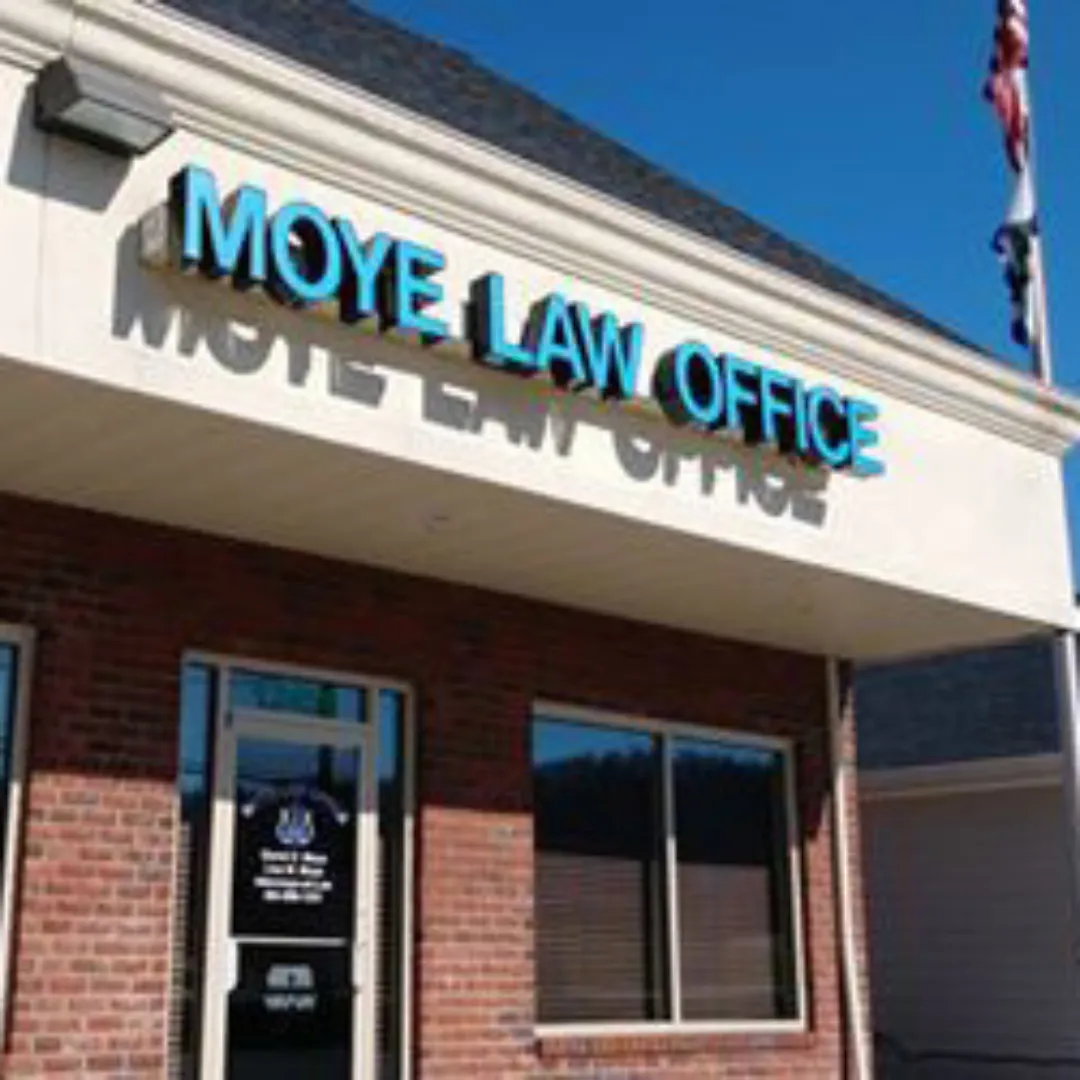
Moye Law Offices
We have two offices in West Virginia: Winfield and Cross Lanes.
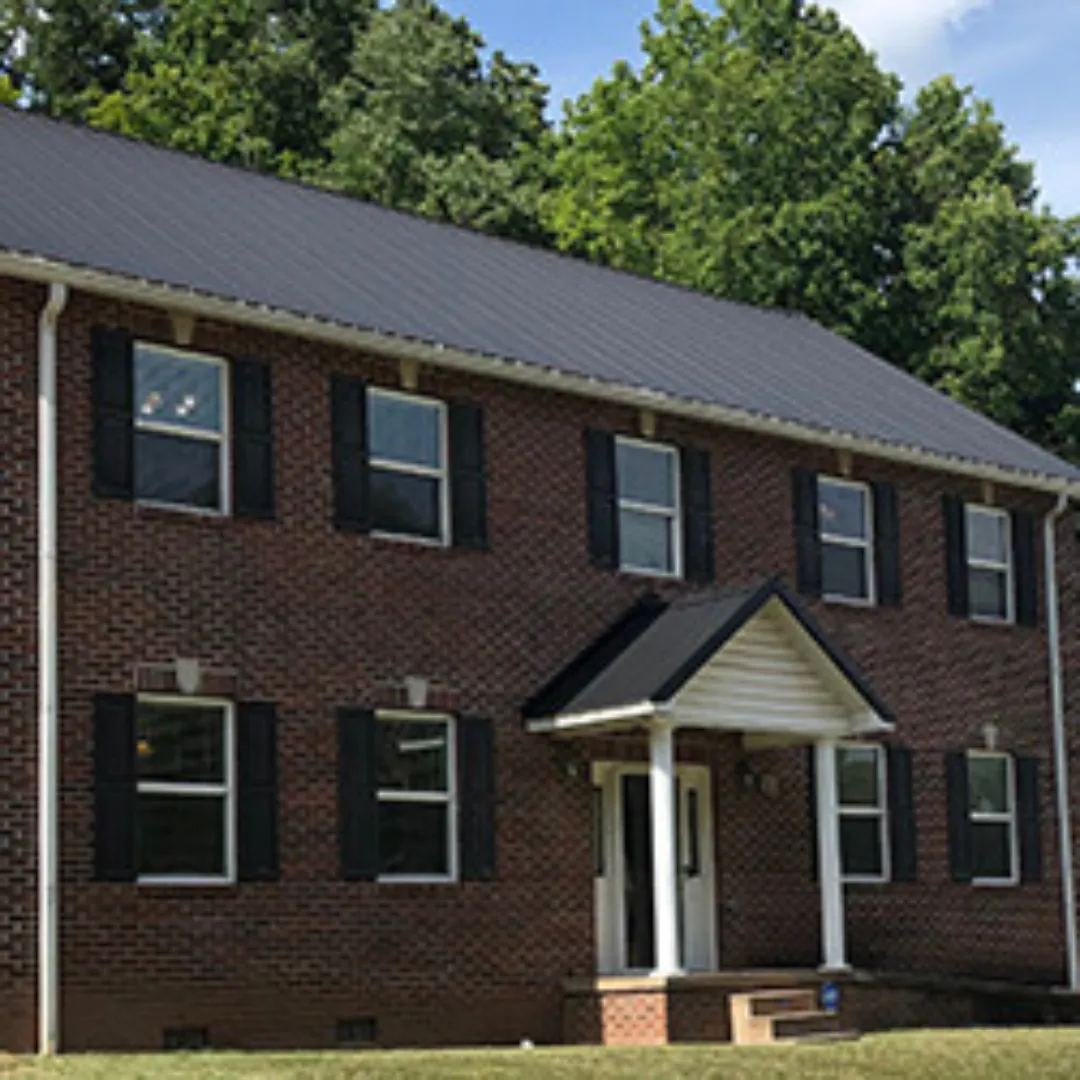
CROSS LANES
Navigate Complex Real Estate Transactions with WV Lawyers
Preventing Real Estate Risk in West Virginia: How Lawyers Protect You in Complex Transactions
Legal oversight in real estate is about preventing problems before they happen. Attorneys spot title defects, contract gaps, and regulatory exposures early so value is preserved and costly post-closing disputes are avoided. This article shows how real estate lawyers act as risk managers in complex West Virginia transactions, laying out due diligence steps, how title insurance works, effective contract negotiation strategies, and key differences between commercial and residential risk. You’ll find practical checklists for title and survey review, a clear explanation of owner vs. loan policies, and contract clauses that limit liability. We also map who does each task and when, so buyers, sellers, and lenders can allocate responsibilities. Finally, we explain how local counsel with community ties add value at negotiation and closing, and we give straightforward next steps for securing legal help in Winfield or Cross Lanes, West Virginia.
Why is Legal Oversight Essential for Risk Prevention in West Virginia Real Estate?
Legal oversight is a proactive framework that identifies and neutralizes transactional risk before it becomes a dispute. By investing in due diligence, tailored contract drafting, title clearance, and negotiation, attorneys help buyers and lenders reach predictable closings and avoid the time and expense of post-closing litigation. The economic case is simple: prevention preserves equity and usually costs far less than remediation after a problem surfaces. Knowing how legal oversight works helps stakeholders prioritize lawyer-led steps during complex West Virginia transactions and view counsel as risk management—not just another line item.
Real estate lawyers reduce risk by coordinating title searches, reviewing surveys, drafting contingencies, and negotiating closing conditions.
That hands-on work continues through escrow oversight and, when necessary, post-closing remedies. Local counsel can also move faster on West Virginia-specific statutes and municipal practices to keep closings clean and on schedule.
MOYE Law Office has local offices in Winfield and Cross Lanes and takes a community-focused approach that combines title work, negotiation, and closing oversight to prevent delays. For transaction-specific guidance, call (304) 586-1251 or (304) 693-2331, or email [email protected].
How Do Real Estate Lawyers Mitigate Risks in Complex Transactions?
Attorneys mitigate transaction risk through a coordinated sequence of steps that identify defects, assign responsibility, and secure remedies before closing.
First, counsel orders and reviews a title search and public records to uncover liens, judgments, or hidden encumbrances, then works with title companies to clear defects.
Second, lawyers review surveys and zoning records to confirm boundaries and permitted uses, negotiating solutions for easements or encroachments when needed.
Third, attorneys draft and negotiate contract contingencies—inspection, financing, environmental, and title—that create clear exit or cure paths if issues arise.
Core mitigation steps include document review, negotiation of remedies, escrow structuring, and planning for post-closing claims.
Counsel coordinates with title agents and surveyors to reconcile discrepancies and obtain necessary endorsements.
A common avoided-loss scenario: a recorded lien turns up in pre-closing title review and the seller clears it after counsel negotiates an escrowed payoff.
These measures depend on fast communication and precise contract language—both of which reduce surprises and keep closings on track.
What Are the Common Risks in West Virginia Property Deals?
Common risks in West Virginia transactions include title defects, undisclosed liens, boundary and easement disputes, and seller nondisclosure—each with specific legal responses. Title problems can stem from deed errors, forgery, or unrecorded interests that cloud ownership; liens and judgments reduce marketable title until cleared. Boundary and easement issues often hinge on survey interpretation and can limit intended property use, sometimes requiring quiet-title actions or negotiated easement adjustments. Because some disclosure rules operate under a “caveat emptor” approach, counsel emphasizes strong contract representations and inspection contingencies to secure remedies for material nondisclosure.
Title defects usually require title-company negotiation, corrective deeds, or litigation to quiet title.
Boundary and easement disputes often lead to survey corrections, negotiated access agreements, or indemnities.
Disclosure and fraud concerns are handled through contractual warranties, indemnities, and preserved inspection and remedy periods.
Anticipating these risks and building protective clauses into agreements lowers the chance that a post-closing defect will become an expensive dispute.
What Is Due Diligence and How Does It Protect Property Buyers in West Virginia?
Due diligence is the structured set of investigations a buyer (and often a lender) uses to confirm a property’s legal, physical, and regulatory condition before purchase. Its goal is to eliminate or allocate risk: discovering encumbrances, zoning limits, or environmental issues early lets parties negotiate price changes, require remediation, or walk away under contract contingencies. Good due diligence produces actionable documents—title opinions, survey certifications, inspection reports—that counsel uses to draft closing conditions and escrow instructions. Timing matters: the most invasive checks should happen pre-contract when possible, with final verification before closing to catch new issues.
A practical due diligence checklist focuses resources on the highest risks and assigns each task to the right professional. Below is a prioritized checklist for complex transactions with likely performers and red flags to watch for.
Title and lien search by a title company or attorney to reveal liens, judgments, and easements.
Boundary and survey review by a licensed surveyor to identify encroachments and confirm the legal description.
Property and specialized inspections (structural, roofing, HVAC) by licensed inspectors to find concealed defects.
Zoning and permit verification by counsel or local land‑use professionals to confirm permitted uses and unresolved violations.
Environmental review (Phase I or targeted inquiries) by environmental consultants for contamination or regulated-waste risks.
This prioritized approach turns findings into negotiable items so counsel can demand cure, escrow funds, price adjustments, or termination rights before the closing window narrows. The table below links common findings to the risks each action mitigates.
ActionTypical FindingsRisk MitigatedTitle SearchLiens, mortgages, judgmentsPrevents unexpected financial encumbrancesSurvey ReviewEncroachments, boundary discrepanciesPreserves usable acreage and avoids disputesInspection ReportsStructural or system defectsAvoids surprise repair costs after closing
These checks let counsel convert issues into negotiated solutions—cures, escrows, credits, or walk-away rights—that materially reduce buyer exposure.
Which Due Diligence Steps Are Critical in Complex Real Estate Transactions?
Critical due diligence focuses on title integrity, boundary certainty, and material physical or regulatory defects that affect value and use. Title and lien searches reveal recorded interests that could block financing or ownership. A current survey confirms boundaries and uncovers easements or encroachments that limit development. Physical inspections reveal hidden conditions—foundation problems, roof issues, or hazardous materials—that may require costly remediation. Zoning and permit checks confirm lawful use, and environmental inquiries protect against contamination liabilities. Each finding is a decision point: negotiate repairs, demand indemnities, or hold funds in escrow for unresolved items.
Title and lien search to identify recorded interests.
Survey and boundary confirmation to verify acreage and easements.
Physical and specialized inspections to assess repair needs and safety.
Regulatory checks for zoning, permits, and environmental liabilities.
Because timing changes risk exposure, counsel usually sequences these tasks so high‑liability items are screened first, allowing rapid negotiation or termination if a deal’s risk profile becomes unacceptable.
How Does MOYE Law Office Conduct Thorough Title Research and Risk Assessment?
MOYE Law Office follows a step‑by‑step, client‑centered process that combines public‑record analysis with active coordination among title companies, surveyors, and clients. We order a full title commitment and review back title to spot gaps, liens, or unrecorded interests that could affect marketable title. We then compare the legal description to recent surveys and municipal records, flagging encroachments or easements that may limit intended use. Finally, we explain findings in plain language, outline remediation options—payoff, corrective deed, escrow—and negotiate with sellers and title insurers to secure endorsements or cures.
The result is a clear risk register clients can use to approve closing, demand remediation, or reserve escrow funds for unresolved matters. Our process emphasizes transparent timelines and direct communication so risk decisions happen with full information before critical deadlines.
How Does Title Insurance Provide Legal Protection in West Virginia Real Estate?
Title insurance protects buyers and lenders from financial loss caused by covered title defects that existed before the policy’s effective date. Unlike other insurance, title insurance focuses on past-recorded events rather than future accidents. An owner’s policy protects the buyer’s equity and defends against covered claims, while a lender’s (loan) policy protects the mortgagee’s security interest up to the loan amount. Because title insurance responds to defects discovered after closing—undisclosed heirs, forged documents, or unrecorded liens—it’s a critical backstop that complements counsel’s preventive work. Timing matters: owners typically buy a policy at closing to secure protection for as long as they or their heirs hold title.
The table below compares owner and loan policies and common covered risks to clarify differences for West Virginia buyers.
Policy TypePrimary CoverageWho BenefitsOwner's PolicyProtects owner's equity against covered title defectsBuyer / OwnerLoan PolicyProtects lender's security interest up to the loan amountMortgagee / LenderCommon EndorsementsSurvey, boundary, or access endorsementsPurchaser choosing expanded coverage
This comparison shows why many buyers purchase an owner’s policy in addition to a lender policy: it protects equity beyond the mortgage balance and covers certain risks the loan policy won’t.
What Types of Title Insurance Are Available for WV Property Buyers?
West Virginia buyers usually encounter two primary policies: an owner’s policy, which protects the purchaser’s equity and right to possess, and a loan policy, which secures the lender’s interest for the mortgage amount. Optional endorsements—survey or access endorsements, for example—extend coverage for issues discovered during due diligence. An owner’s policy stays in force as long as the owner or their heirs retain an interest; the loan policy ends when the mortgage is repaid. Deciding which endorsements to add is a judgment call that weighs the extra premium against exposures found during title and survey review.
An owner’s policy secures marketable title for the buyer beyond lender coverage.
A loan policy protects the lender’s security but not the owner’s residual equity.
Endorsements address known survey or boundary concerns when standard coverage is insufficient.
Choosing the right policies and endorsements flows from due diligence findings and counsel’s risk assessment.
How Does Title Insurance Prevent Financial Loss from Title Defects?
Title insurance prevents financial loss by funding defense costs and compensating insured parties for covered defects that undermine ownership or lien priority. When a covered claim arises—say an unrecorded heir asserts title or a forged deed appears—the title insurer provides a legal defense, investigates the chain of title, and pays judgments up to the policy limit for valid claims. Counsel supports the claim by documenting issues, coordinating with the insurer, and pursuing subrogation or settlement when appropriate. The claims process depends on early notification, careful evidence preservation, and aligned strategy between attorney and insurer to maximize recovery.
Premiums are a one‑time closing expense compared with potentially larger remediation costs later.
Counsel’s documentation and negotiation improve the odds of favorable insurer resolutions.
When endorsements apply, insurers may cover survey‑related disputes that would otherwise fall to the owner.
Given these factors, owner policies often make sense when counsel identifies latent title exposure or complex ownership chains that raise post‑closing claim risk.
How Do Real Estate Lawyers Navigate Complex Commercial and Residential Transactions in West Virginia?
Attorneys tailor due diligence, contract terms, and closing structures to the transaction type. Commercial deals typically involve layered title interests, environmental risk, and negotiated leases; residential transactions focus on consumer protections and clear closings. In commercial matters, counsel digs deeper into zoning and environmental issues, negotiates complex indemnities, and coordinates tenant or lender consents. For residential transactions, attorneys emphasize marketable title, seller representations, inspection contingencies, and escrow instructions to resolve minor defects without litigation. The transaction’s size, use, and financing drive the depth of legal oversight required.
Recognizing these differences helps clients deploy resources where exposure is highest and lets counsel sequence actions to remove deal‑killers early. The sections that follow illustrate these differing priorities with practical examples.
What Legal Challenges Arise in Commercial Property Deals?
Commercial transactions bring challenges like zoning and land‑use compliance, environmental liability from prior industrial uses, complex financing with layered mortgages, and lease structures that affect value. Zoning or entitlement issues can change permitted uses and require variances or rezoning. Environmental contamination can trigger cleanup obligations that reduce marketability. Financing often includes mezzanine debt or multiple deeds of trust that complicate lien priority, and existing leases can carry tenant rights that limit redevelopment. Counsel manages these risks through targeted environmental studies, title layering analysis, negotiated indemnities, and subordination or consent arrangements.
Zoning risk requires review of municipal approvals and rezoning timelines.
Environmental risk calls for Phase I/II assessments and clear allocation of remediation responsibility.
Lease and financing complexity means careful review of priorities and consent needs.
Addressing these issues early—with the right consultants and precise contract language—prevents surprises that can derail commercial investments.
How Is Residential Real Estate Closing Legally Protected?
Residential closings use a set of standard protections—inspection contingencies, seller representations, escrow arrangements, and title insurance—that together reduce the chance of post‑closing disputes and preserve buyer remedies. Inspection contingencies let buyers discover and negotiate repairs or credits. Seller representations and warranties create contractual claims if undisclosed defects surface. Escrow arrangements allow funds to be held for cure or lien payoff, and title insurance covers defects that slipped past pre‑closing searches. Counsel ensures closing documents reflect negotiated remedies, that escrow instructions allocate holdbacks properly, and that deeds convey marketable title consistent with the contract.
Inspection and financing contingencies provide exit or cure options before closing.
Seller representations create contractual remedies for omitted material facts.
Correct escrow instructions and title policy issuance finalize protections at closing.
Used together, these tools deliver a legally protected closing and efficient post‑closing remedies when needed.
How Can Legal Contract Review and Negotiation Prevent Disputes in WV Real Estate Deals?
Careful contract review and negotiation prevent disputes by allocating risks with clear contingencies, indemnities, and remedies—and by removing ambiguous language that invites litigation. Lawyers examine each provision for hidden exposures—timing requirements, notice obligations, and cure windows—and craft clauses that shift responsibility or provide practical resolution mechanisms. Negotiation can reassign responsibility for title defects, repair costs, environmental cleanup, or post‑closing litigation expenses so parties understand their obligations before they sign. The result: fewer surprises, faster dispute resolution, and less litigation because the agreement prescribes responses to foreseeable problems.
A structured clause review is essential: attorneys flag vague commitments, short notice periods, and missing contingencies, then propose precise language to control outcomes and avoid uneven obligations. The table below links common contract clauses to their purpose and risk‑reduction function.
Contract ClausePurposeHow It Reduces RiskInspection ContingencyAllows buyer to inspect and request remediesPrevents hidden‑defect surprises and enables negotiated cureTitle ContingencyEnsures marketable title before closingAllows cure or termination for recorded defectsIndemnity ProvisionAllocates responsibility for specified lossesShifts remediation cost to the responsible party
Including clear deadlines and notice procedures lets parties act promptly when issues arise, limiting escalation and preserving value.
What Contract Clauses Are Critical to Risk Mitigation?
Certain clauses consistently reduce risk: inspection and financing contingencies, clear title and survey contingencies, environmental and latent‑defect indemnities, and explicit remedies for breach. Inspection and financing contingencies create procedural exit or cure paths. Title and survey contingencies give time to resolve encumbrances or obtain endorsements. Indemnities assign long‑tail liabilities for environmental problems or undisclosed liens. Clear notice and cure timelines prevent technical defaults and reduce opportunistic litigation by requiring parties to seek remedies within agreed windows.
Inspection and financing contingencies preserve the buyer’s right to terminate or renegotiate.
Title and survey contingencies provide leverage to secure cures or price adjustments.
Indemnities allocate long‑running liabilities for environmental or hidden defects.
Drafted precisely, these clauses convert potential disputes into contractually managed processes rather than automatic litigation triggers.
How Do Lawyers Address Seller Disclosure Laws and Fraud Prevention?
Lawyers handle seller disclosure and fraud prevention by converting statutory obligations into contractual warranties, requiring seller attestations, and preserving inspection and discovery remedies that reveal misrepresentations. In West Virginia, counsel reviews applicable disclosure statutes and drafts representations focused on facts that materially affect value or safety. Fraud red flags—conflicting records, undisclosed alterations, or suspicious chain‑of‑title entries—prompt targeted document requests, supplemental inspections, or escrow holdbacks. When fraud is suspected, counsel preserves claims with timely notices, evidence collection, and coordination with title insurers and authorities as needed.
Tailored seller representations create enforceable contractual remedies beyond statutory options.
Early document review and targeted inspections surface inconsistencies that may indicate fraud.
Clear notice and cure periods allow efficient resolution or termination before closing.
Proactive counsel deters fraud through contract design and timely investigation that make deceptive conduct hard to conceal.
Why Should You Choose MOYE Law Office for Real Estate Legal Protection in West Virginia?
MOYE Law Office emphasizes client‑centered legal protection by pairing local knowledge of Winfield and Cross Lanes with pragmatic transaction management built to prevent loss. Our attorneys concentrate on real estate law, estate planning, and related areas so we can align title, contract, and post‑closing strategies with your goals.
We explain findings in plain language, coordinate with title companies and surveyors, and negotiate remedies that protect client equity—working to reduce the friction that lengthens closings and adds cost.
To schedule a consultation, call (304) 586-1251 or (304) 693-2331, or email [email protected].
What Expertise Does Attorney Lisa M. Moye Bring to Real Estate Risk Prevention?
Attorney Lisa M. Moye concentrates on real estate, wills and estates, and business law. Her hands‑on experience informs precise title analysis and practical contract drafting for property transactions. Her community involvement and bar association work give her an efficient understanding of local records and West Virginia practice norms. That mix of substantive knowledge and local experience helps clients avoid routine procedural pitfalls and secures tailored remedies when complex title or disclosure issues arise. Clients get counsel that blends legal insight with practical transaction management to protect investments and reduce dispute risk.
How Have MOYE Law Office’s Legal Services Prevented Client Losses?
MOYE Law Office focuses on preventing losses by spotting title defects, negotiating cures, and structuring escrow protections that resolve disputes before they turn into litigation. Examples include negotiating escrowed payoffs for hidden liens discovered during title review and obtaining title endorsements to address chain‑of‑title ambiguities—actions that preserved closing value and prevented delay. We prioritize early communication so clients can choose whether to accept negotiated remedies or walk away when exposures exceed acceptable thresholds. Those outcomes save clients time and money by converting potential litigation into contractual fixes or indemnities.
If you’re evaluating a complex West Virginia transaction, MOYE Law Office can explain how this preventive approach applies to your deal and outline next steps for a focused legal review.
Frequently Asked Questions
What should I look for when hiring a real estate lawyer in West Virginia?
Look for experience in local real estate practice and familiarity with the transaction type you’re undertaking—residential or commercial. Prioritize a lawyer with a track record in risk management, contract negotiation, and title research. Communication and responsiveness matter: you want a lawyer who explains issues plainly and answers questions quickly. Client reviews or referrals can also help you judge reputation and effectiveness in complex deals.
How can I ensure my real estate transaction is compliant with local regulations?
Engage a real estate lawyer who knows West Virginia laws and municipal codes. A good lawyer will run zoning checks, verify permits, and flag regulatory issues during due diligence. They’ll draft contract language that meets local requirements and negotiate terms that protect your interests. Staying informed and leaning on local counsel helps ensure a smoother, compliant transaction.
What are the benefits of using title insurance in real estate transactions?
Title insurance protects buyers and lenders from financial loss due to covered title defects discovered after closing—undisclosed heirs, forged documents, or unrecorded liens, for example. Unlike other insurance, it covers past recorded issues. Title insurance provides a defense and potential recovery for covered claims, giving long‑term protection for your investment and peace of mind.
What role does a real estate lawyer play during the closing process?
A real estate lawyer ensures legal documents are correct and the transaction complies with applicable laws. They prepare and review closing documents, facilitate communication among parties, and confirm contractual obligations are met. Lawyers also oversee fund disbursement, manage escrow instructions, and resolve last‑minute issues—helping the closing proceed smoothly and minimizing disputes.
How can I protect myself from potential fraud in real estate transactions?
Protect yourself by conducting thorough due diligence and hiring a qualified real estate lawyer. Counsel will spot red flags—conflicting records, missing documents, or undisclosed issues—and recommend targeted inspections or escrow holdbacks. Make sure agreements include clear seller representations and warranties, and consider title insurance for added protection against hidden claims after closing.
What are the common pitfalls to avoid in real estate transactions?
Common pitfalls include insufficient due diligence, skimming contract language, and undervaluing title insurance. Overlooking zoning or environmental issues can create costly problems later. Also avoid rushing to close without confirming all conditions are satisfied. Working with experienced counsel helps you navigate these traps and avoid costly mistakes or legal disputes.
Moye Law Offices
We have two offices in West Virginia:
Winfield and Cross Lanes.
CROSS LANES
We Are Here To Help
Do you have a query or problem that you would like to talk about, or are you curious to hear more about how we can help you?
Get in touch today! We look forward to hearing from you.
Assistance Hours
Monday – Friday: 8:30am – 4:30pm
Saturday: By appointment only
Sunday: CLOSED
Subscribe to our Newsletter
We Are Here To Help
Do you have a query or problem that you would like to talk about, or are you curious to hear more about how we can help you?
Get in touch today! We look forward to hearing from you.
Assistance Hours
Monday – Friday 8:30am – 4:30pm
Saturday: By appointment only
Sunday CLOSED