Blog
Blog

Real Estate Transactions in WV: The Documents You’ll See at Closing (Explained)
WV Real Estate Closing Documents Explained: Understanding Key Papers and Costs at Closing
West Virginia real estate closings require several core documents and incur predictable costs. This guide summarizes the settlement statement, property deed, Closing Disclosure, and typical fees so buyers and sellers can budget and prepare with confidence.
A solid foundation in financial literacy, particularly regarding real estate, is essential to navigate these transactions successfully.
Financial Literacy for Informed Real Estate Decisions
Proficiency in financial literacy, including real estate matters, enables individuals to use financial tools and resources, improving their capacity to make informed decisions and enhance economic well-being. Real estate literacy is a subset of financial literacy focused on property transactions.
Enriching Real Estate and Financial Literacy: Exploring Real Estate Use-Cases for Blockchain Technology, A Zureck, 2024
Associated Costs at Closing

Closing costs vary by location, price, and contract terms. Common items include lender fees, title insurance, and escrow or attorney fees. Identifying these early helps you estimate the cash needed at closing.
Loan Origination Fees: Fees for processing the loan, commonly about 0.5%–1% of the loan.
Title Insurance: One-time protection against title defects, often around 0.5%–1% of purchase price.
Escrow Fees: Charged by the closing agent or attorney; they vary with transaction complexity.
Recognising these items lets buyers and sellers plan effectively. Moye Law Firm can help clarify expected expenses.
What Are the Essential Documents Signed at a WV Real Estate Closing?
Several documents are commonly signed to complete a West Virginia sale; they record the terms and effect the transfer of ownership.
Written agreements are required in real estate transactions, as confirmed by West Virginia legal precedent.
West Virginia Real Estate Sales & Written Memoranda
The West Virginia Supreme Court has addressed situations where a trustee's sale of real estate lacked a written memorandum.
WEST VIRGINIA SUPREME COURT'
Purchase Agreement: The written contract stating price, contingencies, and timelines.
Title Commitment: Shows ownership history and any liens to confirm clear title.
Closing Disclosure: The lender's final summary of loan terms and closing costs to be reviewed before closing.
These documents define obligations and protect both parties by making the deal terms explicit.
How Does the Settlement Statement Detail Closing Costs in WV?
The settlement statement itemises all charges and shows the final amounts due from buyer and seller.
Key components include:
Settlement Costs: Line-item fees for services, taxes, and adjustments.
Buyer and Seller Information: Names and responsibilities for each charge.
Property Description: Address and legal description used for recording.
Carefully review the settlement statement to confirm charges and avoid surprises at closing.
What Is the Role of the Property Deed in WV Transactions?

The deed transfers legal title from seller to buyer and must be properly executed and recorded to establish ownership.
Important deed points:
Ownership Transfer: The deed conveys the seller's interest to the buyer.
Public Notice: Recording the deed provides notice of the ownership change.
Types of Deeds: Warranty deeds give protections; quitclaim deeds transfer interest without warranties.
Review the deed type and recording steps to protect your investment.
How to Read and Interpret the HUD-1 and Closing Disclosure Forms in WV
The HUD-1 (for some transactions) and the Closing Disclosure present the transaction's financial terms and final costs; review them to confirm accuracy.
Look for:
Financial Details: Totals due at closing and line-item charges.
Loan Terms: Interest rate, payments, and key loan conditions.
Verification: Ensure all figures match the purchase agreement and lender disclosures.
Comparing these forms with your loan estimate and settlement statement reduces errors and confusion.
What Are Typical WV Real Estate Closing Costs and Fees?
In West Virginia, expect closing costs commonly between 2% and 5% of the purchase price; exact amounts depend on the transaction specifics.
Loan Origination Fees: Typically 0.5%–1% of the loan.
Title Insurance: Often 0.5%–1% of purchase price.
Escrow Fees: Vary by provider and transaction complexity.
Plan ahead—these costs can add materially to the funds required at closing.
How Can Buyers Prepare for Closing Costs in West Virginia?
Early planning reduces last-minute issues. Know the typical fees and use lender estimates to budget accurately.
Practical steps:
Request a Loan Estimate: Get the lender's estimate early to see expected costs.
Budget for 2%–5%: Use this range as a planning guideline for closing expenses.
Engage a Real Estate Attorney: A qualified real estate attorney in West Virginia can review documents and advise on costs; see real estate law services.
These steps help ensure you arrive at closing prepared.
How Can a Real Estate Attorney Assist You During WV Closings?
An attorney protects your legal interests and helps prevent problems before they arise.
Common services include:
Document Preparation and Review: Verify accuracy and completeness of closing paperwork.
Title Searches and Insurance: Identify title issues and secure insurance when needed.
Legal Protections and Problem Resolution: Address defects or contractual disputes before closing.
Having counsel reduces risk and streamlines the closing process. For professional legal help during real estate closing, consider consulting a qualified real estate lawyer.
What Legal Guidance Does Moye Law Firm Provide on Closing Documents?
Moye Law Firm assists clients by preparing and reviewing closing documents and coordinating with lenders, title companies, and other parties.
Services include:
Preparation and Review of Closing Documents: Ensure accuracy and legal compliance.
Coordination with All Parties Involved: Facilitate communications and logistics.
Identifying and Resolving Issues: Spot and address potential problems before closing.
Working with experienced counsel helps clients complete transactions confidently. See learn more about our firm for details.
Why Is Understanding Closing Documents Important for WV Buyers?
Closing documents define your financial obligations, legal duties, and potential risks; reviewing them carefully protects your interests.
Key reasons:
Financial Decisions: Documents show final loan terms and exact costs.
Legal Responsibilities: They record the obligations of the buyer and seller.
Risk Mitigation: Reviewing documents helps avoid unexpected issues.
For additional resources, visit our FAQs page.
Frequently Asked Questions
What should I do if I find discrepancies in my closing documents?
Raise discrepancies immediately with your attorney or closing agent and request corrections before signing.
Are there any specific deadlines I should be aware of during the closing process?
Key deadlines include loan application submission, the lender's Closing Disclosure deadline, and dates for satisfying contract contingencies—track these closely.
Can closing costs be negotiated between buyers and sellers?
Yes, buyers can request seller concessions, but negotiability depends on the market and contract terms.
What happens if I miss a closing date?
Missing a closing can incur penalties or risk earnest money; notify your agent and attorney immediately to seek an extension.
What is the difference between a warranty deed and a quitclaim deed?
A warranty deed provides title guarantees; a quitclaim deed transfers whatever interest exists without warranties, which carries more buyer risk.
How can I ensure that my title is clear before closing?
Perform a title search through a title company or attorney and obtain title insurance to protect against undiscovered claims.
What role does the escrow agent play in the closing process?
The escrow agent holds funds and documents, ensures conditions are met, and disburses funds when all requirements are satisfied.
For personalized assistance with your real estate closing, contact our office to schedule a consultation and get help with your closing.

Moye Law Offices
We have two offices in West Virginia: Winfield and Cross Lanes.
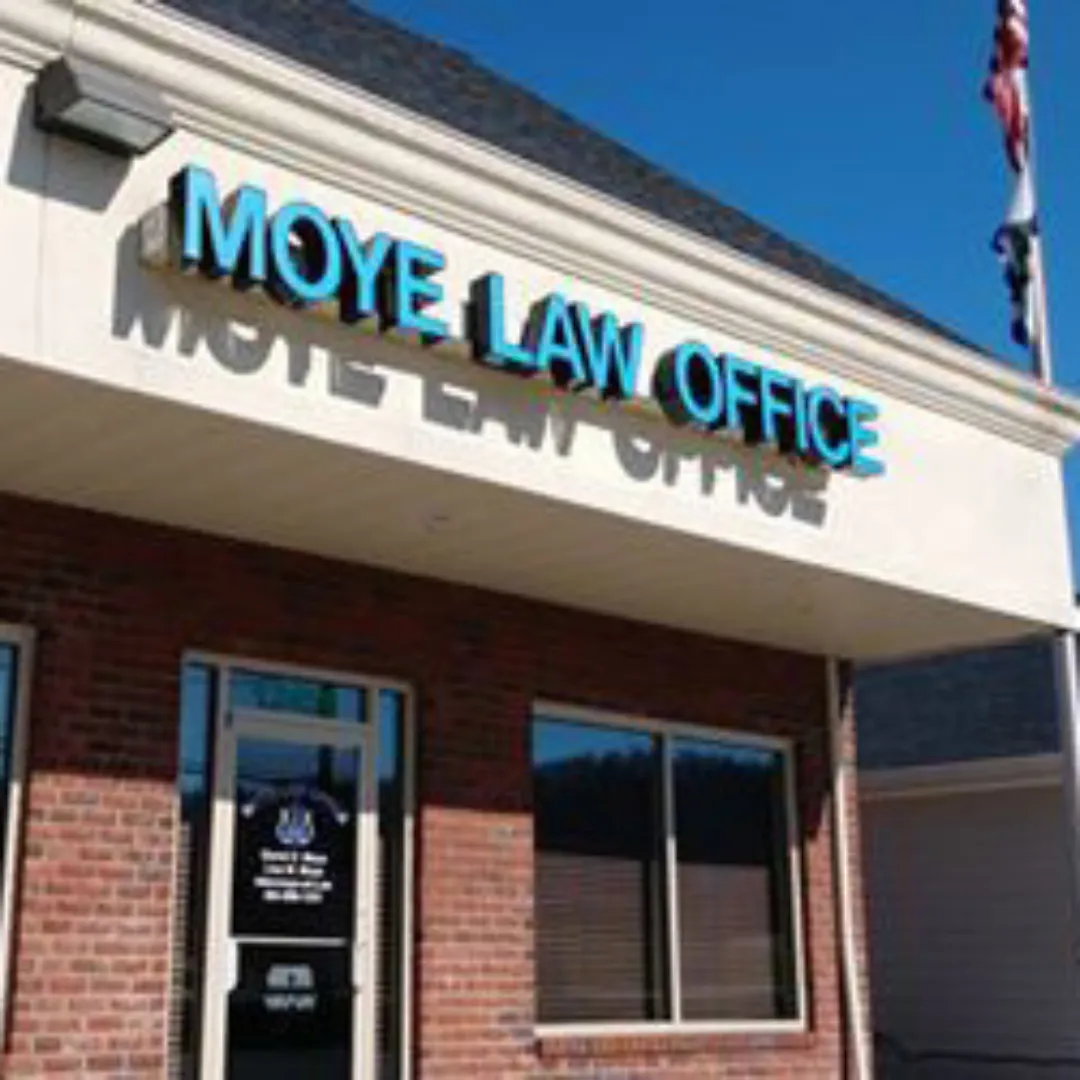
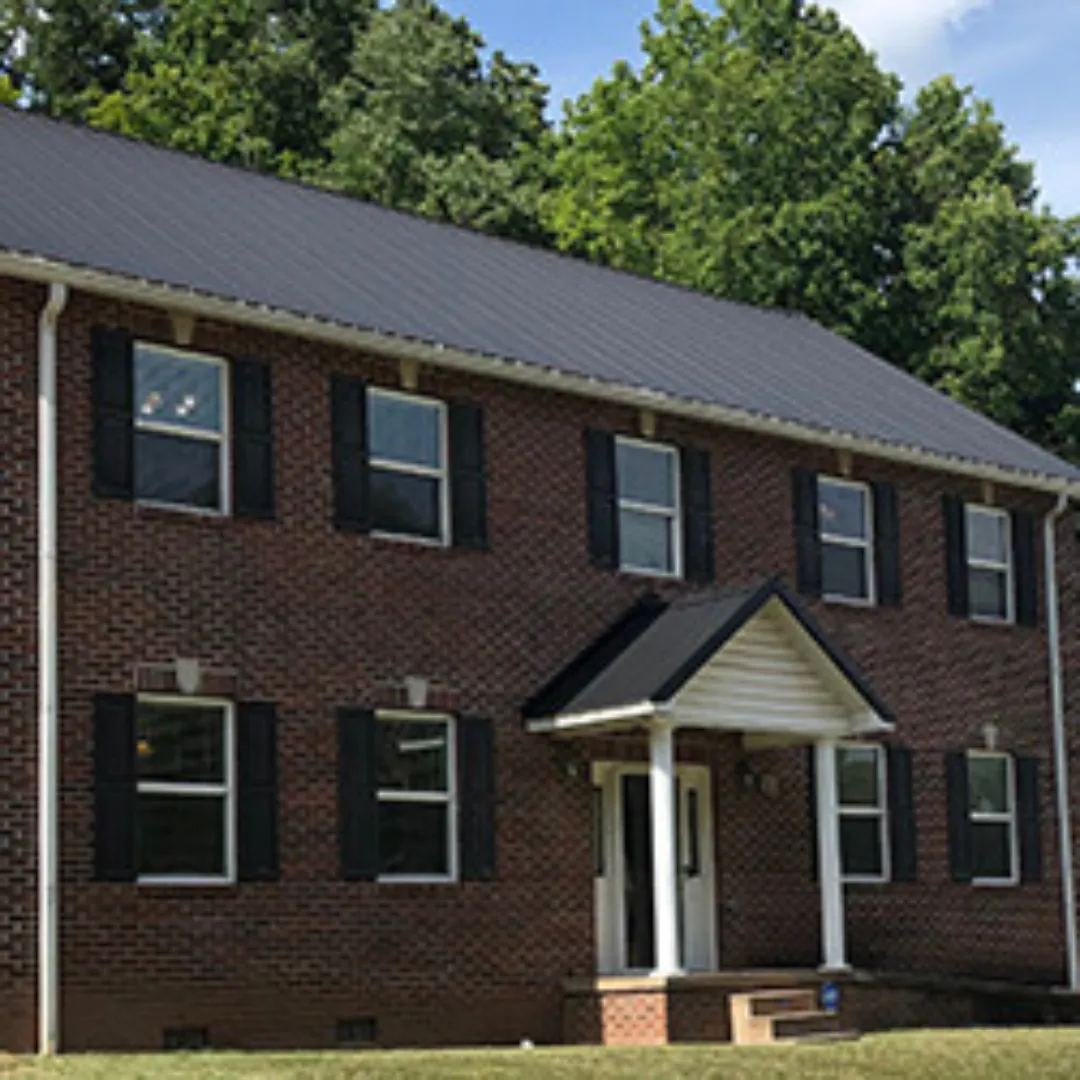
CROSS LANES
Real Estate Transactions in WV: The Documents You’ll See at Closing (Explained)
WV Real Estate Closing Documents Explained: Understanding Key Papers and Costs at Closing
West Virginia real estate closings require several core documents and incur predictable costs. This guide summarizes the settlement statement, property deed, Closing Disclosure, and typical fees so buyers and sellers can budget and prepare with confidence.
A solid foundation in financial literacy, particularly regarding real estate, is essential to navigate these transactions successfully.
Financial Literacy for Informed Real Estate Decisions
Proficiency in financial literacy, including real estate matters, enables individuals to use financial tools and resources, improving their capacity to make informed decisions and enhance economic well-being. Real estate literacy is a subset of financial literacy focused on property transactions.
Enriching Real Estate and Financial Literacy: Exploring Real Estate Use-Cases for Blockchain Technology, A Zureck, 2024
Associated Costs at Closing
Closing costs vary by location, price, and contract terms. Common items include lender fees, title insurance, and escrow or attorney fees. Identifying these early helps you estimate the cash needed at closing.
Loan Origination Fees: Fees for processing the loan, commonly about 0.5%–1% of the loan.
Title Insurance: One-time protection against title defects, often around 0.5%–1% of purchase price.
Escrow Fees: Charged by the closing agent or attorney; they vary with transaction complexity.
Recognising these items lets buyers and sellers plan effectively. Moye Law Firm can help clarify expected expenses.
What Are the Essential Documents Signed at a WV Real Estate Closing?
Several documents are commonly signed to complete a West Virginia sale; they record the terms and effect the transfer of ownership.
Written agreements are required in real estate transactions, as confirmed by West Virginia legal precedent.
West Virginia Real Estate Sales & Written Memoranda
The West Virginia Supreme Court has addressed situations where a trustee's sale of real estate lacked a written memorandum.
WEST VIRGINIA SUPREME COURT'
Purchase Agreement: The written contract stating price, contingencies, and timelines.
Title Commitment: Shows ownership history and any liens to confirm clear title.
Closing Disclosure: The lender's final summary of loan terms and closing costs to be reviewed before closing.
These documents define obligations and protect both parties by making the deal terms explicit.
How Does the Settlement Statement Detail Closing Costs in WV?
The settlement statement itemises all charges and shows the final amounts due from buyer and seller.
Key components include:
Settlement Costs: Line-item fees for services, taxes, and adjustments.
Buyer and Seller Information: Names and responsibilities for each charge.
Property Description: Address and legal description used for recording.
Carefully review the settlement statement to confirm charges and avoid surprises at closing.
What Is the Role of the Property Deed in WV Transactions?
The deed transfers legal title from seller to buyer and must be properly executed and recorded to establish ownership.
Important deed points:
Ownership Transfer: The deed conveys the seller's interest to the buyer.
Public Notice: Recording the deed provides notice of the ownership change.
Types of Deeds: Warranty deeds give protections; quitclaim deeds transfer interest without warranties.
Review the deed type and recording steps to protect your investment.
How to Read and Interpret the HUD-1 and Closing Disclosure Forms in WV
The HUD-1 (for some transactions) and the Closing Disclosure present the transaction's financial terms and final costs; review them to confirm accuracy.
Look for:
Financial Details: Totals due at closing and line-item charges.
Loan Terms: Interest rate, payments, and key loan conditions.
Verification: Ensure all figures match the purchase agreement and lender disclosures.
Comparing these forms with your loan estimate and settlement statement reduces errors and confusion.
What Are Typical WV Real Estate Closing Costs and Fees?
In West Virginia, expect closing costs commonly between 2% and 5% of the purchase price; exact amounts depend on the transaction specifics.
Loan Origination Fees: Typically 0.5%–1% of the loan.
Title Insurance: Often 0.5%–1% of purchase price.
Escrow Fees: Vary by provider and transaction complexity.
Plan ahead—these costs can add materially to the funds required at closing.
How Can Buyers Prepare for Closing Costs in West Virginia?
Early planning reduces last-minute issues. Know the typical fees and use lender estimates to budget accurately.
Practical steps:
Request a Loan Estimate: Get the lender's estimate early to see expected costs.
Budget for 2%–5%: Use this range as a planning guideline for closing expenses.
Engage a Real Estate Attorney: A qualified real estate attorney in West Virginia can review documents and advise on costs; see real estate law services.
These steps help ensure you arrive at closing prepared.
How Can a Real Estate Attorney Assist You During WV Closings?
An attorney protects your legal interests and helps prevent problems before they arise.
Common services include:
Document Preparation and Review: Verify accuracy and completeness of closing paperwork.
Title Searches and Insurance: Identify title issues and secure insurance when needed.
Legal Protections and Problem Resolution: Address defects or contractual disputes before closing.
Having counsel reduces risk and streamlines the closing process. For professional legal help during real estate closing, consider consulting a qualified real estate lawyer.
What Legal Guidance Does Moye Law Firm Provide on Closing Documents?
Moye Law Firm assists clients by preparing and reviewing closing documents and coordinating with lenders, title companies, and other parties.
Services include:
Preparation and Review of Closing Documents: Ensure accuracy and legal compliance.
Coordination with All Parties Involved: Facilitate communications and logistics.
Identifying and Resolving Issues: Spot and address potential problems before closing.
Working with experienced counsel helps clients complete transactions confidently. See learn more about our firm for details.
Why Is Understanding Closing Documents Important for WV Buyers?
Closing documents define your financial obligations, legal duties, and potential risks; reviewing them carefully protects your interests.
Key reasons:
Financial Decisions: Documents show final loan terms and exact costs.
Legal Responsibilities: They record the obligations of the buyer and seller.
Risk Mitigation: Reviewing documents helps avoid unexpected issues.
For additional resources, visit our FAQs page.
Frequently Asked Questions
What should I do if I find discrepancies in my closing documents?
Raise discrepancies immediately with your attorney or closing agent and request corrections before signing.
Are there any specific deadlines I should be aware of during the closing process?
Key deadlines include loan application submission, the lender's Closing Disclosure deadline, and dates for satisfying contract contingencies—track these closely.
Can closing costs be negotiated between buyers and sellers?
Yes, buyers can request seller concessions, but negotiability depends on the market and contract terms.
What happens if I miss a closing date?
Missing a closing can incur penalties or risk earnest money; notify your agent and attorney immediately to seek an extension.
What is the difference between a warranty deed and a quitclaim deed?
A warranty deed provides title guarantees; a quitclaim deed transfers whatever interest exists without warranties, which carries more buyer risk.
How can I ensure that my title is clear before closing?
Perform a title search through a title company or attorney and obtain title insurance to protect against undiscovered claims.
What role does the escrow agent play in the closing process?
The escrow agent holds funds and documents, ensures conditions are met, and disburses funds when all requirements are satisfied.
For personalized assistance with your real estate closing, contact our office to schedule a consultation and get help with your closing.
Moye Law Offices
We have two offices in West Virginia:
Winfield and Cross Lanes.
CROSS LANES
We Are Here To Help
Do you have a query or problem that you would like to talk about, or are you curious to hear more about how we can help you?
Get in touch today! We look forward to hearing from you.
Assistance Hours
Monday – Friday: 8:30am – 4:30pm
Saturday: By appointment only
Sunday: CLOSED
Subscribe to our Newsletter
We Are Here To Help
Do you have a query or problem that you would like to talk about, or are you curious to hear more about how we can help you?
Get in touch today! We look forward to hearing from you.
Assistance Hours
Monday – Friday 8:30am – 4:30pm
Saturday: By appointment only
Sunday CLOSED