Blog
Blog

Understanding Title Insurance: What It Covers and Why You Need It
Title Insurance in West Virginia — What It Covers and Why It Matters
Title insurance is a key part of many real estate transactions. It protects buyers and lenders from hidden problems in a property's title — things you might not discover until after closing. This guide from Moyé Law Office walks through how title insurance works in West Virginia, what owner and lender policies cover, common misconceptions, and how title searches and costs typically play out. Our goal is to give you clear, practical information so you can move forward with confidence when buying property.
What Is Title Insurance and How Does It Protect You?
Title insurance is an indemnity product that guards buyers and lenders against financial loss caused by defects in property title. Unlike homeowners insurance, which covers physical damage to a house, title insurance addresses ownership problems — for example, undisclosed liens, clerical errors in public records, or competing ownership claims. In short, it helps make sure your right to the property is secure.
How Title Insurance Differs from Homeowners Insurance
These two insurance types protect very different risks. Homeowners insurance covers fire, storms, theft, and liability. Title insurance protects the legal ownership of the property. If an unpaid tax bill or an old mortgage surfaces after you buy, title insurance can handle the legal costs and losses tied to that defect — something a standard homeowners policy won’t cover.
Why West Virginia Homebuyers Should Consider Title Insurance
In West Virginia, title issues can come from many places: past owners, recording errors, or court-related claims. While statewide statistics on defects aren’t always published, title insurance remains an important safeguard. It reduces the risk that a surprise claim will threaten your ownership or cause major expense down the road.
Owner’s Policy vs. Lender’s Policy — What’s the Difference?

It helps to know that owner and lender policies protect different parties. An owner’s policy protects your ownership interest. A lender’s policy protects the lender’s financial stake in the property. Both are important during a real estate closing, but they serve separate purposes.
What an Owner’s Title Policy Covers
An owner’s title policy covers many common title defects: undisclosed liens, errors in public records, forgery, and claims by unknown heirs, among others. Crucially, an owner’s policy endures as long as you or your heirs have an interest in the property, offering long-term protection against covered title problems.
Why Lenders Require a Title Policy
Lenders commonly require a mortgagee (lender’s) policy to protect their loan collateral. That policy covers the lender’s financial interest if a title defect reduces the value of their security. Because the lender is protecting its loan, the lender’s policy is often mandatory when you finance a purchase.
Historic analysis helps explain why some defects show up differently between owner and lender policies.
Owner's vs. Mortgagee's Title Insurance Coverage
Historically, certain interests — like claims based on adverse possession or unrecorded interests — are often excluded from owners' policies but covered under mortgagees' (lenders') policies.
Title insurance, 1956
What Title Insurance Typically Covers: Common Defects and Risks
Title insurance is designed to cover many of the hidden risks that affect ownership. These problems can come from prior owners, errors in public records, or fraudulent transfers. Knowing the common risks helps you understand the protection your policy provides.
That said, standard policies do exclude certain matters — especially some types of governmental land-use restrictions.
Title Insurance Policy Exclusions for Land Use
Standard owner and lender policies usually exclude losses caused by violations of governmental land-use rules or certain governmental actions affecting property use.
Understanding the Title Insurance Policy, 2004
Which Defects and Liens Are Usually Covered?
Typical coverage includes unpaid property taxes, unnoticed mortgages or liens, forged documents, and claims from unknown or undisclosed heirs. For example, if a tax lien from a prior owner appears after closing, a covered title policy can address the legal work and costs to clear that claim.
Protection Against Fraud, Forgery, and Undisclosed Heirs
Fraud and forgery are real risks in real estate. Title insurance helps cover the legal defense and potential losses if someone challenges your ownership because of a forged signature, a fraudulent sale, or a previously unknown heir. That protection is one of the main reasons buyers choose to purchase an owner’s policy.
How Much Does Title Insurance Cost in West Virginia?

Costs vary. The premium for title insurance depends on the purchase price, the complexity of the title search, and sometimes the title company you choose. Knowing the factors that drive price can help you budget for closing.
What Influences Title Insurance Premiums in West Virginia?
Prime factors include the property’s sale price, whether the title has known issues, location, and the title insurer’s rate schedule. Higher property values generally mean higher premiums. It's smart to compare quotes and ask about any optional endorsements that might make sense for your situation.
Who Pays for Title Insurance in West Virginia?
Who pays can depend on local custom and negotiation. Often, sellers cover the owner’s policy while buyers pay for the lender’s policy. That’s not a hard rule everywhere, so it’s worth confirming during contract negotiations and at closing.
Common Myths About Title Insurance
Title insurance can be misunderstood. Clearing up common myths helps buyers make smarter choices during a purchase.
Is Title Insurance the Same as Homeowners Insurance?
No. Homeowners insurance covers damage to the home and personal liability. Title insurance protects legal ownership of the property. Both are important but address different kinds of risk.
Do Cash Buyers Need Title Insurance?
Yes — cash buyers can still benefit. Even without a mortgage, a cash buyer risks losing money or facing legal battles if a title defect appears after purchase. Title insurance gives peace of mind regardless of how you pay.
The Title Search and Closing Process in West Virginia
The title search and closing process is central to completing a real estate purchase. Understanding the steps helps you follow the timeline and ask the right questions.
How Real Estate Attorneys Help with Title Insurance
Real estate attorneys typically run or review the title search, identify potential issues, and make sure required documents are correct before closing. Their work reduces the chance of surprises and helps protect your interest in the property. Our firm offers comprehensive legal services across various practice areas, including personal injury and divorce and family law.
Key Steps in the Title Search and Closing
Common steps include a detailed title search, review of the title report, resolving any identified problems, and finalizing closing documents. Once the title is cleared and the parties sign, ownership transfers and the title insurance policy takes effect.
A careful title search is the foundation for a clean, defensible transfer of property ownership.
Title Search for Legitimate Property Ownership
A properly conducted title search helps confirm the buyer’s legitimate ownership by reviewing recorded documents and relevant periods of title history.
An Overview of Title Search Report, 2022
Title Defect TypeDescriptionCoverageLiensUnpaid debts legally attached to the propertyCoveredFraudFalse or deceptive transfers of ownershipCoveredUndisclosed HeirsClaims from heirs not identified during prior transactionsCovered
Title insurance is a practical, often essential part of buying property in West Virginia. By understanding the difference between owner and lender policies, the typical costs, and the title search process, you’ll be better equipped to protect your investment. Whether you’re a first-time buyer or an experienced investor, a clear title and the right policy can prevent serious headaches later on — and we’re here to help if questions come up. Contact us today.
Frequently Asked Questions
How do I file a claim on a title insurance policy?
Start by notifying the title insurance company as soon as you discover a potential title issue. Provide any documentation you have and a clear description of the problem. The insurer will investigate — reviewing the title search and related records — and, if the claim is covered, will handle defense costs or settlement according to your policy terms. Prompt reporting helps speed resolution.
Can title insurance be transferred when I sell my property?
Most owner policies are not transferable to a new buyer. The new owner would usually purchase their own policy. Some insurers offer reduced rates for a new policy if a prior policy exists, but practices vary. Sellers should disclose existing coverage to potential buyers to help with their planning.
How long does title insurance last?
An owner’s title insurance policy lasts as long as you or your heirs have an interest in the property. A lender’s policy lasts until the mortgage is paid off. Keep your policy documents in a safe place — they may be useful if questions arise later.
What happens if a title defect is found after closing?
If a covered defect appears after closing, contact your title insurer immediately. The policy typically covers legal defense costs, expenses to clear the title, and any covered losses. Acting quickly improves the chances of a favorable and timely outcome.
Are there common exclusions in title insurance I should know about?
Yes. Policies commonly exclude losses from certain governmental land-use rules, zoning violations, environmental issues, and any defects caused by the insured after the policy is issued. Always read your policy and discuss any concerns with your title agent or attorney before closing.
How do I choose the right title insurance company?
Look for a company with a solid reputation, clear communication, and a strong track record handling claims. Ask for recommendations from your real estate agent or attorney, compare quotes, and review any available customer feedback. Good customer service and experience resolving issues are as important as price.

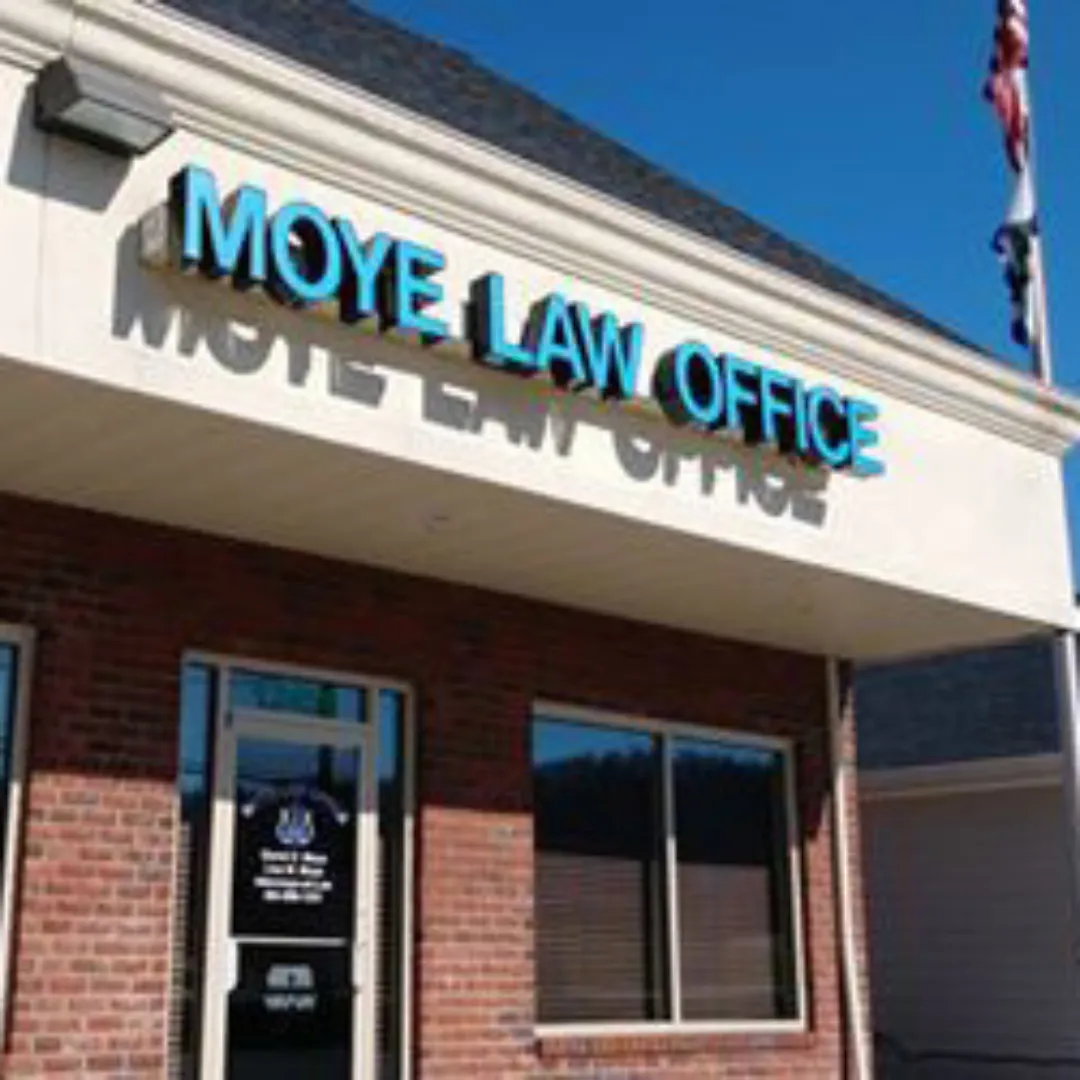
Moye Law Offices
We have two offices in West Virginia: Winfield and Cross Lanes.
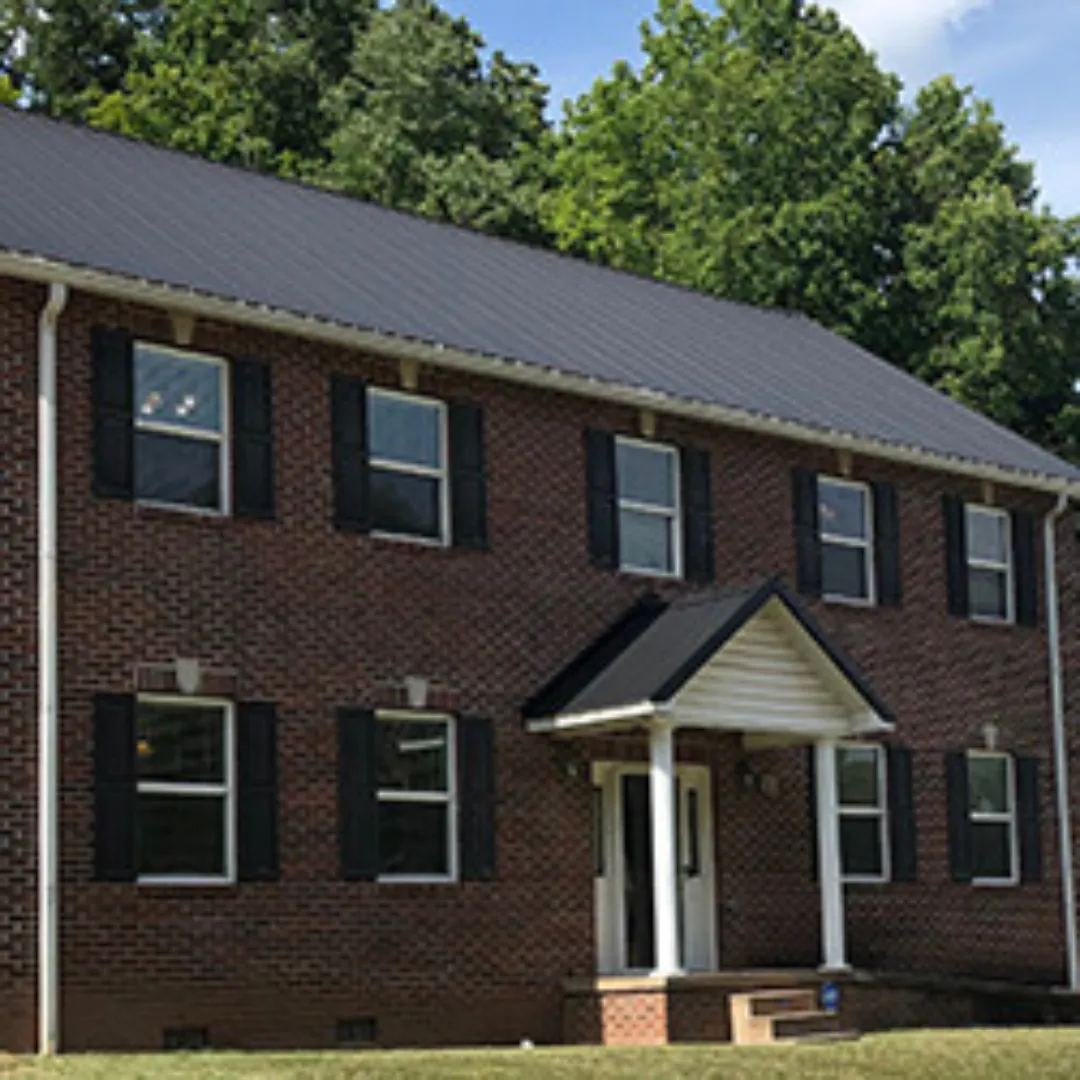
CROSS LANES
Understanding Title Insurance: What It Covers and Why You Need It
Title Insurance in West Virginia — What It Covers and Why It Matters
Title insurance is a key part of many real estate transactions. It protects buyers and lenders from hidden problems in a property's title — things you might not discover until after closing. This guide from Moyé Law Office walks through how title insurance works in West Virginia, what owner and lender policies cover, common misconceptions, and how title searches and costs typically play out. Our goal is to give you clear, practical information so you can move forward with confidence when buying property.
What Is Title Insurance and How Does It Protect You?
Title insurance is an indemnity product that guards buyers and lenders against financial loss caused by defects in property title. Unlike homeowners insurance, which covers physical damage to a house, title insurance addresses ownership problems — for example, undisclosed liens, clerical errors in public records, or competing ownership claims. In short, it helps make sure your right to the property is secure.
How Title Insurance Differs from Homeowners Insurance
These two insurance types protect very different risks. Homeowners insurance covers fire, storms, theft, and liability. Title insurance protects the legal ownership of the property. If an unpaid tax bill or an old mortgage surfaces after you buy, title insurance can handle the legal costs and losses tied to that defect — something a standard homeowners policy won’t cover.
Why West Virginia Homebuyers Should Consider Title Insurance
In West Virginia, title issues can come from many places: past owners, recording errors, or court-related claims. While statewide statistics on defects aren’t always published, title insurance remains an important safeguard. It reduces the risk that a surprise claim will threaten your ownership or cause major expense down the road.
Owner’s Policy vs. Lender’s Policy — What’s the Difference?
It helps to know that owner and lender policies protect different parties. An owner’s policy protects your ownership interest. A lender’s policy protects the lender’s financial stake in the property. Both are important during a real estate closing, but they serve separate purposes.
What an Owner’s Title Policy Covers
An owner’s title policy covers many common title defects: undisclosed liens, errors in public records, forgery, and claims by unknown heirs, among others. Crucially, an owner’s policy endures as long as you or your heirs have an interest in the property, offering long-term protection against covered title problems.
Why Lenders Require a Title Policy
Lenders commonly require a mortgagee (lender’s) policy to protect their loan collateral. That policy covers the lender’s financial interest if a title defect reduces the value of their security. Because the lender is protecting its loan, the lender’s policy is often mandatory when you finance a purchase.
Historic analysis helps explain why some defects show up differently between owner and lender policies.
Owner's vs. Mortgagee's Title Insurance Coverage
Historically, certain interests — like claims based on adverse possession or unrecorded interests — are often excluded from owners' policies but covered under mortgagees' (lenders') policies.
Title insurance, 1956
What Title Insurance Typically Covers: Common Defects and Risks
Title insurance is designed to cover many of the hidden risks that affect ownership. These problems can come from prior owners, errors in public records, or fraudulent transfers. Knowing the common risks helps you understand the protection your policy provides.
That said, standard policies do exclude certain matters — especially some types of governmental land-use restrictions.
Title Insurance Policy Exclusions for Land Use
Standard owner and lender policies usually exclude losses caused by violations of governmental land-use rules or certain governmental actions affecting property use.
Understanding the Title Insurance Policy, 2004
Which Defects and Liens Are Usually Covered?
Typical coverage includes unpaid property taxes, unnoticed mortgages or liens, forged documents, and claims from unknown or undisclosed heirs. For example, if a tax lien from a prior owner appears after closing, a covered title policy can address the legal work and costs to clear that claim.
Protection Against Fraud, Forgery, and Undisclosed Heirs
Fraud and forgery are real risks in real estate. Title insurance helps cover the legal defense and potential losses if someone challenges your ownership because of a forged signature, a fraudulent sale, or a previously unknown heir. That protection is one of the main reasons buyers choose to purchase an owner’s policy.
How Much Does Title Insurance Cost in West Virginia?
Costs vary. The premium for title insurance depends on the purchase price, the complexity of the title search, and sometimes the title company you choose. Knowing the factors that drive price can help you budget for closing.
What Influences Title Insurance Premiums in West Virginia?
Prime factors include the property’s sale price, whether the title has known issues, location, and the title insurer’s rate schedule. Higher property values generally mean higher premiums. It's smart to compare quotes and ask about any optional endorsements that might make sense for your situation.
Who Pays for Title Insurance in West Virginia?
Who pays can depend on local custom and negotiation. Often, sellers cover the owner’s policy while buyers pay for the lender’s policy. That’s not a hard rule everywhere, so it’s worth confirming during contract negotiations and at closing.
Common Myths About Title Insurance
Title insurance can be misunderstood. Clearing up common myths helps buyers make smarter choices during a purchase.
Is Title Insurance the Same as Homeowners Insurance?
No. Homeowners insurance covers damage to the home and personal liability. Title insurance protects legal ownership of the property. Both are important but address different kinds of risk.
Do Cash Buyers Need Title Insurance?
Yes — cash buyers can still benefit. Even without a mortgage, a cash buyer risks losing money or facing legal battles if a title defect appears after purchase. Title insurance gives peace of mind regardless of how you pay.
The Title Search and Closing Process in West Virginia
The title search and closing process is central to completing a real estate purchase. Understanding the steps helps you follow the timeline and ask the right questions.
How Real Estate Attorneys Help with Title Insurance
Real estate attorneys typically run or review the title search, identify potential issues, and make sure required documents are correct before closing. Their work reduces the chance of surprises and helps protect your interest in the property. Our firm offers comprehensive legal services across various practice areas, including personal injury and divorce and family law.
Key Steps in the Title Search and Closing
Common steps include a detailed title search, review of the title report, resolving any identified problems, and finalizing closing documents. Once the title is cleared and the parties sign, ownership transfers and the title insurance policy takes effect.
A careful title search is the foundation for a clean, defensible transfer of property ownership.
Title Search for Legitimate Property Ownership
A properly conducted title search helps confirm the buyer’s legitimate ownership by reviewing recorded documents and relevant periods of title history.
An Overview of Title Search Report, 2022
Title Defect TypeDescriptionCoverageLiensUnpaid debts legally attached to the propertyCoveredFraudFalse or deceptive transfers of ownershipCoveredUndisclosed HeirsClaims from heirs not identified during prior transactionsCovered
Title insurance is a practical, often essential part of buying property in West Virginia. By understanding the difference between owner and lender policies, the typical costs, and the title search process, you’ll be better equipped to protect your investment. Whether you’re a first-time buyer or an experienced investor, a clear title and the right policy can prevent serious headaches later on — and we’re here to help if questions come up. Contact us today.
Frequently Asked Questions
How do I file a claim on a title insurance policy?
Start by notifying the title insurance company as soon as you discover a potential title issue. Provide any documentation you have and a clear description of the problem. The insurer will investigate — reviewing the title search and related records — and, if the claim is covered, will handle defense costs or settlement according to your policy terms. Prompt reporting helps speed resolution.
Can title insurance be transferred when I sell my property?
Most owner policies are not transferable to a new buyer. The new owner would usually purchase their own policy. Some insurers offer reduced rates for a new policy if a prior policy exists, but practices vary. Sellers should disclose existing coverage to potential buyers to help with their planning.
How long does title insurance last?
An owner’s title insurance policy lasts as long as you or your heirs have an interest in the property. A lender’s policy lasts until the mortgage is paid off. Keep your policy documents in a safe place — they may be useful if questions arise later.
What happens if a title defect is found after closing?
If a covered defect appears after closing, contact your title insurer immediately. The policy typically covers legal defense costs, expenses to clear the title, and any covered losses. Acting quickly improves the chances of a favorable and timely outcome.
Are there common exclusions in title insurance I should know about?
Yes. Policies commonly exclude losses from certain governmental land-use rules, zoning violations, environmental issues, and any defects caused by the insured after the policy is issued. Always read your policy and discuss any concerns with your title agent or attorney before closing.
How do I choose the right title insurance company?
Look for a company with a solid reputation, clear communication, and a strong track record handling claims. Ask for recommendations from your real estate agent or attorney, compare quotes, and review any available customer feedback. Good customer service and experience resolving issues are as important as price.
Moye Law Offices
We have two offices in West Virginia:
Winfield and Cross Lanes.
CROSS LANES
We Are Here To Help
Do you have a query or problem that you would like to talk about, or are you curious to hear more about how we can help you?
Get in touch today! We look forward to hearing from you.
Assistance Hours
Monday – Friday: 8:30am – 4:30pm
Saturday: By appointment only
Sunday: CLOSED
Subscribe to our Newsletter
We Are Here To Help
Do you have a query or problem that you would like to talk about, or are you curious to hear more about how we can help you?
Get in touch today! We look forward to hearing from you.
Assistance Hours
Monday – Friday 8:30am – 4:30pm
Saturday: By appointment only
Sunday CLOSED