
Blog

Blog

What “Clear Title” Really Means (and What Can Make a Title Unclear)
What “Clear Title” Really Means: A Practical Guide to Title Defects and How to Resolve Them in West Virginia Real Estate
A clear title is the foundation of any property transaction: it confirms the buyer will receive full ownership free of outstanding claims. For West Virginia buyers, sellers, and lenders, recognizing what a clear title is, how defects arise, and how to fix them prevents delays and protects your investment. This article defines clear title, reviews common defects, and outlines practical steps to resolve problems so you can close with confidence. For more information about our legal services, visit Moye Law Office.
What Is a Clear Title and Why Is It Important in West Virginia?
“Clear title” means ownership is free from unresolved liens, claims, or legal disputes that could threaten the owner’s rights. That clarity matters because buyers, sellers, and lenders rely on it to complete transactions without surprises. In West Virginia, a clear title supports financing, speeds sales, and reduces the risk of later litigation. Finding and fixing title issues early avoids costly delays and uncertainty.
How Does a Clear Title Affect Property Ownership?
With a clear title, the owner can possess, sell, or mortgage the property without interference from prior claims. Clear title reduces ownership disputes and preserves marketability, so transfers are straightforward and the buyer’s rights are protected.
What Legal Implications Does a Clear Title Have in WV Real Estate?
In West Virginia, clear title gives the owner legal authority to sell, lease, or alter the property without unexpected third‑party claims. Lenders commonly require a clear title before issuing a mortgage to protect their collateral. Without clear title, financing and closings can be blocked or delayed, making prompt resolution essential. To learn more about our practice areas including real estate law, visit our website.
What Are Common Title Defects That Make a Title Unclear in West Virginia?

Title defects often stem from prior ownership issues, recording errors, or unresolved financial claims. Detecting these problems during a title search or before closing is the best way to prevent surprises and protect your transaction.
Which Title Issues and Property Liens Commonly Affect WV Properties?
Common title issues in West Virginia include:
Undisclosed Heirs: Relatives not identified in earlier transfers may later assert ownership.
Forged Documents: Fraudulent deeds or signatures that cloud title and require legal correction.
Unpaid or Unrecorded Liens: Taxes, mortgages, or contractor liens that attach to the property if not paid or properly recorded.
Each issue can complicate sales and lending, so thorough title checks and swift resolution are critical.
How Do Probate and Lien Problems Impact Title Clarity in WV?
Probate issues occur when an owner dies without a clear transfer or estate plan, leaving ownership unsettled. Liens—such as unpaid taxes or contractor claims—create encumbrances that must be cleared before a clean transfer. Addressing probate and lien matters early reduces the risk of delays at closing.
How Can You Clear a Title in West Virginia? Step-by-Step Process Explained
Clearing title typically follows a sequence: a detailed title search, identifying defects, negotiating with claimants, and applying legal remedies. Some defects are resolved by paying liens or obtaining corrected documents; contested matters may require court orders. Working with experienced counsel ensures the appropriate and efficient remedy is chosen. To schedule a consultation, please contact us.
What Legal Remedies and Services Does Moye Law Firm Provide for Title Defect Resolution?
Moye Law Firm helps clients resolve title defects and navigate the clearance process. Our services include:
Identifying Title Defects: Detailed title and public-record searches to find issues early.
Negotiating Cures: Settling with creditors, lienholders, or other claimants to remove clouds on title.
Obtaining Title Endorsements: Securing endorsements or court orders that confirm title condition and protect future transactions.
These services are tailored to the specific defect so clients can proceed with a clean title and reduced risk. Learn more about our firm on our About Us page.
How Long Does the Title Clearance Process Typically Take in West Virginia?
Timelines vary by complexity. Simple lien payoffs can take a few weeks; contested claims, probate, or litigation can take several months. The defect’s nature, cooperation from other parties, and any court procedures affect timing. An experienced attorney can often shorten delays by selecting the most efficient legal path and managing communications with creditors and title companies.
What Role Does Title Insurance Play in Ensuring a Clear Title in West Virginia?

Title insurance protects buyers and lenders against losses from title defects missed during the search. If a covered defect arises after closing, the insurer will defend the title and cover eligible losses up to the policy limits, preserving the investment’s value.
How Does Title Insurance Protect Against Title Defects and Property Liens?
Title insurance covers legal defense costs and monetary losses from covered defects—such as undisclosed liens or forgery—discovered after purchase. Rather than paying claims directly, an owner or lender relies on the insurer to resolve covered claims and mitigate financial risk.
Do You Need Title Insurance When Buying Property in West Virginia?
Title insurance isn’t legally required in West Virginia, but it is strongly recommended. Most buyers purchase an owner’s policy, and lenders typically require a lender’s policy to protect their loan. Together these policies add long-term protection against hidden title risks.
Frequently Asked Questions
What steps should I take if I discover a title defect after purchasing a property?
Contact a real estate attorney promptly. Your attorney can review any title insurance, advise whether to file a claim, and outline options such as negotiating with prior owners, pursuing a settlement, or initiating court proceedings to clear the title. For answers to common questions, visit our FAQs page.
Can a title defect affect my ability to sell the property later?
Yes. Unresolved defects can deter buyers and cause lenders to withhold financing, blocking a sale until the defect is cleared. Clearing title issues before listing improves buyer confidence and facilitates closing.
What is the difference between a clear title and a marketable title?
A clear title is free of liens, claims, or disputes that impair ownership. A marketable title is not only clear but also acceptable to a reasonable buyer and typical lenders—meaning no defects likely to result in litigation.
How can I prevent title defects when purchasing a property?
Do due diligence: order a comprehensive title search, review public records, confirm prior transfers, and require that liens be paid or resolved at closing. Purchasing owner’s title insurance and working with a qualified real estate attorney further reduces risk. Our firm also handles other legal matters such as personal injury law and divorce and family law.
What should I do if I find undisclosed heirs after buying a property?
If undisclosed heirs appear, consult an attorney immediately. Heirs may have valid claims that require negotiation, settlement, or court action. Your attorney can determine whether title insurance covers the claim and recommend the best legal strategy.
Are there specific title issues unique to West Virginia real estate?
Yes. West Virginia’s local practices and history can lead to recurring issues such as undisclosed heirs, forged documents, and unrecorded liens. Working with local counsel and a reliable title company familiar with state probate and record systems is often essential.

Moye Law Offices
We have two offices in West Virginia: Winfield and Cross Lanes.
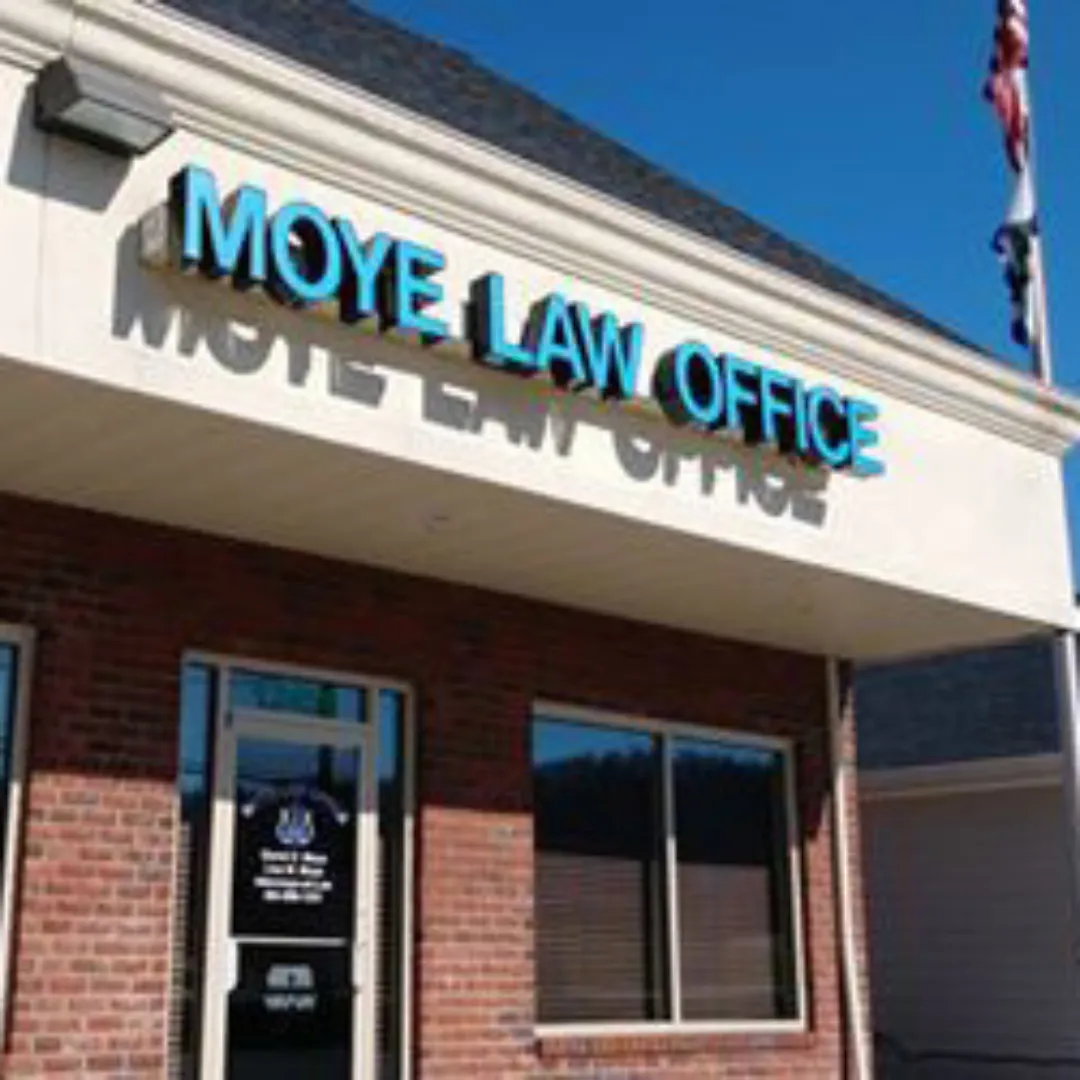
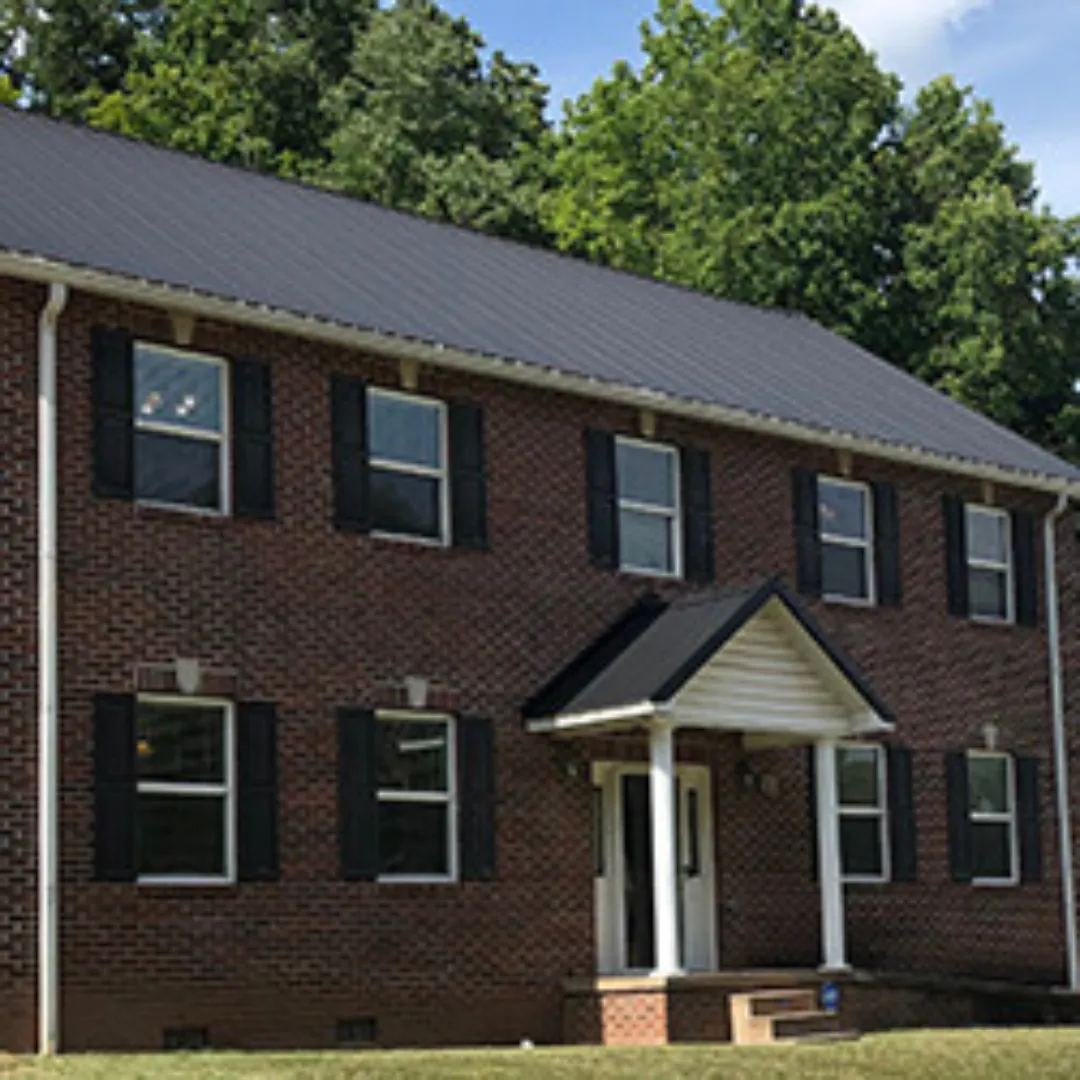
CROSS LANES
What “Clear Title” Really Means (and What Can Make a Title Unclear)
What “Clear Title” Really Means: A Practical Guide to Title Defects and How to Resolve Them in West Virginia Real Estate
A clear title is the foundation of any property transaction: it confirms the buyer will receive full ownership free of outstanding claims. For West Virginia buyers, sellers, and lenders, recognizing what a clear title is, how defects arise, and how to fix them prevents delays and protects your investment. This article defines clear title, reviews common defects, and outlines practical steps to resolve problems so you can close with confidence. For more information about our legal services, visit Moye Law Office.
What Is a Clear Title and Why Is It Important in West Virginia?
“Clear title” means ownership is free from unresolved liens, claims, or legal disputes that could threaten the owner’s rights. That clarity matters because buyers, sellers, and lenders rely on it to complete transactions without surprises. In West Virginia, a clear title supports financing, speeds sales, and reduces the risk of later litigation. Finding and fixing title issues early avoids costly delays and uncertainty.
How Does a Clear Title Affect Property Ownership?
With a clear title, the owner can possess, sell, or mortgage the property without interference from prior claims. Clear title reduces ownership disputes and preserves marketability, so transfers are straightforward and the buyer’s rights are protected.
What Legal Implications Does a Clear Title Have in WV Real Estate?
In West Virginia, clear title gives the owner legal authority to sell, lease, or alter the property without unexpected third‑party claims. Lenders commonly require a clear title before issuing a mortgage to protect their collateral. Without clear title, financing and closings can be blocked or delayed, making prompt resolution essential. To learn more about our practice areas including real estate law, visit our website.
What Are Common Title Defects That Make a Title Unclear in West Virginia?
Title defects often stem from prior ownership issues, recording errors, or unresolved financial claims. Detecting these problems during a title search or before closing is the best way to prevent surprises and protect your transaction.
Which Title Issues and Property Liens Commonly Affect WV Properties?
Common title issues in West Virginia include:
Undisclosed Heirs: Relatives not identified in earlier transfers may later assert ownership.
Forged Documents: Fraudulent deeds or signatures that cloud title and require legal correction.
Unpaid or Unrecorded Liens: Taxes, mortgages, or contractor liens that attach to the property if not paid or properly recorded.
Each issue can complicate sales and lending, so thorough title checks and swift resolution are critical.
How Do Probate and Lien Problems Impact Title Clarity in WV?
Probate issues occur when an owner dies without a clear transfer or estate plan, leaving ownership unsettled. Liens—such as unpaid taxes or contractor claims—create encumbrances that must be cleared before a clean transfer. Addressing probate and lien matters early reduces the risk of delays at closing.
How Can You Clear a Title in West Virginia? Step-by-Step Process Explained
Clearing title typically follows a sequence: a detailed title search, identifying defects, negotiating with claimants, and applying legal remedies. Some defects are resolved by paying liens or obtaining corrected documents; contested matters may require court orders. Working with experienced counsel ensures the appropriate and efficient remedy is chosen. To schedule a consultation, please contact us.
What Legal Remedies and Services Does Moye Law Firm Provide for Title Defect Resolution?
Moye Law Firm helps clients resolve title defects and navigate the clearance process. Our services include:
Identifying Title Defects: Detailed title and public-record searches to find issues early.
Negotiating Cures: Settling with creditors, lienholders, or other claimants to remove clouds on title.
Obtaining Title Endorsements: Securing endorsements or court orders that confirm title condition and protect future transactions.
These services are tailored to the specific defect so clients can proceed with a clean title and reduced risk. Learn more about our firm on our About Us page.
How Long Does the Title Clearance Process Typically Take in West Virginia?
Timelines vary by complexity. Simple lien payoffs can take a few weeks; contested claims, probate, or litigation can take several months. The defect’s nature, cooperation from other parties, and any court procedures affect timing. An experienced attorney can often shorten delays by selecting the most efficient legal path and managing communications with creditors and title companies.
What Role Does Title Insurance Play in Ensuring a Clear Title in West Virginia?
Title insurance protects buyers and lenders against losses from title defects missed during the search. If a covered defect arises after closing, the insurer will defend the title and cover eligible losses up to the policy limits, preserving the investment’s value.
How Does Title Insurance Protect Against Title Defects and Property Liens?
Title insurance covers legal defense costs and monetary losses from covered defects—such as undisclosed liens or forgery—discovered after purchase. Rather than paying claims directly, an owner or lender relies on the insurer to resolve covered claims and mitigate financial risk.
Do You Need Title Insurance When Buying Property in West Virginia?
Title insurance isn’t legally required in West Virginia, but it is strongly recommended. Most buyers purchase an owner’s policy, and lenders typically require a lender’s policy to protect their loan. Together these policies add long-term protection against hidden title risks.
Frequently Asked Questions
What steps should I take if I discover a title defect after purchasing a property?
Contact a real estate attorney promptly. Your attorney can review any title insurance, advise whether to file a claim, and outline options such as negotiating with prior owners, pursuing a settlement, or initiating court proceedings to clear the title. For answers to common questions, visit our FAQs page.
Can a title defect affect my ability to sell the property later?
Yes. Unresolved defects can deter buyers and cause lenders to withhold financing, blocking a sale until the defect is cleared. Clearing title issues before listing improves buyer confidence and facilitates closing.
What is the difference between a clear title and a marketable title?
A clear title is free of liens, claims, or disputes that impair ownership. A marketable title is not only clear but also acceptable to a reasonable buyer and typical lenders—meaning no defects likely to result in litigation.
How can I prevent title defects when purchasing a property?
Do due diligence: order a comprehensive title search, review public records, confirm prior transfers, and require that liens be paid or resolved at closing. Purchasing owner’s title insurance and working with a qualified real estate attorney further reduces risk. Our firm also handles other legal matters such as personal injury law and divorce and family law.
What should I do if I find undisclosed heirs after buying a property?
If undisclosed heirs appear, consult an attorney immediately. Heirs may have valid claims that require negotiation, settlement, or court action. Your attorney can determine whether title insurance covers the claim and recommend the best legal strategy.
Are there specific title issues unique to West Virginia real estate?
Yes. West Virginia’s local practices and history can lead to recurring issues such as undisclosed heirs, forged documents, and unrecorded liens. Working with local counsel and a reliable title company familiar with state probate and record systems is often essential.
Moye Law Offices
We have two offices in West Virginia:
Winfield and Cross Lanes.
CROSS LANES
We Are Here To Help
Do you have a query or problem that you would like to talk about, or are you curious to hear more about how we can help you?
Get in touch today! We look forward to hearing from you.
Assistance Hours
Monday – Friday: 8:30am – 4:30pm
Saturday: By appointment only
Sunday: CLOSED
Subscribe to our Newsletter
We Are Here To Help
Do you have a query or problem that you would like to talk about, or are you curious to hear more about how we can help you?
Get in touch today! We look forward to hearing from you.
Assistance Hours
Monday – Friday 8:30am – 4:30pm
Saturday: By appointment only
Sunday CLOSED