Blog
Blog

Why a West Virginia Real Estate Lawyer is Essential for You
Why Local Matters: Benefits of Using a West Virginia Real Estate Law Firm for Your Property Needs
Local legal representation matters because West Virginia’s statutes, county practices, and community relationships shape how property transactions and disputes are handled, and that local knowledge directly reduces risk, accelerates closings, and prevents costly surprises. This article explains what makes West Virginia real estate law unique, why hiring a local West Virginia real estate attorney produces better outcomes, and how to evaluate firms serving Charleston and surrounding counties. Readers will learn state- and county-level filing nuances, the role of title searches and title insurance in West Virginia, and practical steps for resolving boundary, easement, and title disputes. The article also examines how a community-focused firm provides personalized service, highlights typical real estate services, and offers checklists and selection criteria for choosing the right Charleston-area real estate attorney. Throughout, this guide uses real-world procedural detail and local context to help buyers, sellers, and property owners understand what to expect and how local counsel can preserve value and reduce delays.
What Makes West Virginia Real Estate Law Unique?
West Virginia real estate law is defined by specific recording requirements, deed types, and county-level filing customs that affect timing and the chain of title; these mechanisms influence how transactions close and how defects are discovered. State statutes govern deed formalities and notarization while county clerks enforce local indexing and recording practices, so familiarity with these processes speeds title research and reduces clerical surprises. Local tax and transfer nuances—such as county recording backlogs, transfer tax calculations, and lien priorities—alter closing timelines and the cost calculus for buyers and sellers. Understanding these state and county mechanics helps clients anticipate timing, know where delays are likely, and plan contingencies during contract negotiation and closing.
How Do West Virginia Property Laws Affect Real Estate Transactions?
West Virginia property laws require precise deed execution and county recording steps, which means a single missing signature or a misfiled instrument can delay or cloud a closing. For example, some deed forms and statutory acknowledgments used in West Virginia differ from other states; knowing which form to use prevents rejections at the recorder’s office. Title searches in West Virginia must account for county-specific indexing conventions and historical filings that may reveal latent defects such as unrecorded easements or older mortgages. Anticipating these statutory checkpoints, local counsel sequences tasks—contract review, survey review, title exception resolution—so parties can meet lender and escrow deadlines without last-minute surprises.
What Local Market Factors Influence Real Estate Deals in Charleston and Surrounding Counties?

Charleston and nearby counties such as Putnam, Kanawha, Cabell, Lincoln, and Mason show distinct local market patterns that affect contract terms and closing logistics, including inventory levels, lender preferences, and customary contingency windows. Local lenders and title companies often follow regional practices for escrow holdbacks, payoff demands, and requirements for survey updates, which influence negotiation strategy and the length of due diligence. Recording office hours, backlog, and document indexing differences between county clerks can shift closing dates by days or weeks; attorneys who know these operational details schedule searches and filings to avoid preventable delays. Recognizing these market and administrative patterns helps buyers and sellers set realistic timelines and craft contract contingencies that reflect local realities.
Why Hire a Local West Virginia Real Estate Attorney?
Hiring a local West Virginia real estate attorney provides practical advantages: faster title work through familiarity with county records, smoother communications with local stakeholders, and legal strategies tailored to state statutes and county practices. Local counsel leverages relationships with title companies, surveyors, and court clerks to resolve issues more efficiently and to anticipate local procedural hurdles before they become problems. Community knowledge reduces transactional friction, lowers the risk of undiscovered defects, and supports better negotiation outcomes for both residential and commercial matters. The following brief list summarizes key benefits and leads into specifics about how expertise translates to better closings and dispute resolution.
Faster, more accurate title searches: Local knowledge speeds discovery of relevant historical records.
Smoother closings: Familiarity with county office practices reduces scheduling problems.
Better dispute outcomes: Local courtroom and negotiation experience produces realistic resolutions.
Stronger local relationships: Communication with lenders, surveyors, and clerks is more effective.
These benefits coalesce into fewer surprises and greater predictability for clients, and the next subsection explains concrete procedural advantages in title searches and closings.
How Does Local Expertise Improve Real Estate Closings and Title Searches?
Local expertise improves closings and title searches by combining procedural knowledge, in-house research capability, and direct contacts at recorder offices to accelerate problem-solving and clear exceptions. A local attorney verifies chain-of-title, checks for recorded easements, liens, and judgments, and follows up with county clerks or title companies to resolve ambiguous entries before closing. A practical checklist typically includes verifying deed descriptions, confirming mortgage payoff procedures, requesting surveys or affidavits for boundary issues, and ensuring tax or utility liens are addressed. This proactive approach reduces last-minute holdbacks and helps parties meet lender conditions and scheduled closing dates, while also protecting buyers’ ownership interests through careful title exception negotiation.
What Role Do Community Ties Play in Effective Legal Representation?
Community ties strengthen legal representation by establishing trust, reputation, and local intelligence that facilitate negotiations and administrative interactions in ways that benefit clients. Attorneys active in local schools, civic events, or professional networks—whether through volunteer work, mock trials, or regular engagement—build informal channels that can expedite records retrieval or clarify customary practices. Reputation matters when negotiating with local title companies or mediating disputes, because well-known local counsel can often secure faster responses and cooperative resolutions. These community connections translate into practical advantages during closings and disputes, allowing attorneys to craft solutions that respect both legal requirements and local norms.
How Does MOYE Law Office Provide Personalized and Accessible Real Estate Legal Services?
MOYE Law Office offers a client-centered approach that emphasizes direct attorney access, responsive communication, and practical in-house capabilities such as title research to support smooth residential and commercial transactions. The firm’s personalized intake process assesses client goals, identifies state- and county-specific issues early, and outlines clear steps from initial review through closing or dispute resolution. Accessibility is reinforced by attorneys who explain options in plain language, provide checklists and timelines, and coordinate with lenders, surveyors, and title companies to minimize surprises. These practices create a consistent client experience where expectations are transparent and the path to closing or remediation is clearly mapped.
This local focus naturally leads to in-house title research and community engagement as practical differentiators; for those seeking a consultation, MOYE Law Office accepts inquiries by phone at (304) 586-1251 or (304) 693-2331 and by email at [email protected] to discuss specific Charleston-area property matters and scheduling. This accessibility supports early intervention on title issues and helps clients plan realistic timelines, which in turn reduces transactional risk.
What Specialized Real Estate Law Services Does Attorney Lisa M. Moye Offer?
Attorney Lisa M. Moye provides services tailored to both residential and commercial needs, including deed preparation, residential and commercial closings, title issue resolution, and coordination with estate planning when property transfers intersect with wills or trusts. She assists clients with title searches, resolving title exceptions and coordinating title insurance matters to protect ownership interests. For commercial clients, services extend to review of development documents and transactional negotiation support where contract complexity requires specialized attention. Lisa M. Moye’s practice integrates transactional work with estate-planning considerations when property ownership transitions affect family and beneficiary outcomes, ensuring clients receive holistic legal guidance.
How Does MOYE Law Office Ensure Clear and Trustworthy Legal Guidance?
MOYE Law Office emphasizes plain-language explanations, transparent fee and process disclosures, and client education tools—such as checklists and FAQ-style guidance—to make complex real estate procedures understandable and actionable. The firm’s workflow typically follows an initial consultation, document collection and title review, targeted issue resolution, and closing support, with regular updates to clients at key milestones. This predictable process reduces anxiety and allows clients to prepare required documents, coordinate with lenders, or address survey issues proactively. Clear communication and documented steps build trust and make it easier for clients to make informed decisions throughout a real estate transaction or dispute resolution.
What Are the Key Services Offered by West Virginia Real Estate Law Firms?
West Virginia real estate law firms commonly provide a range of services spanning residential and commercial transactions, title searches and insurance coordination, deed preparation, closings, easement negotiation, and dispute resolution. These services operate as components of a full transactional lifecycle: pre-contract due diligence, contract drafting and negotiation, title clearance, closing logistics, and post-closing issue resolution when necessary. Firms with in-house title research capabilities can often detect and correct title exceptions earlier, reducing the need for last-minute cures. Below is a compact comparison of typical service categories to help clients choose the right support for their property needs.
Service TypeWhat It CoversClient Benefit / Expected OutcomeResidential TransactionsContract review, title search, deed prep, closing coordinationClear title transfer, predictable closing timelineCommercial TransactionsLease and contract negotiation, due diligence, financing coordinationMitigated business risk, structured deal documentsTitle Services & InsuranceTitle searches, exception resolution, policy coordinationProtection against latent defects and ownership disputes
What Should You Know About Residential and Commercial Real Estate Transactions?
Residential and commercial transactions share core steps—due diligence, title review, contract negotiation, and closing—yet they differ in complexity, timeline, and risk profile, requiring different attorney specializations. Residential deals often focus on clear chain-of-title, lender requirements, and contingency handling for inspections and financing, while commercial matters involve leases, zoning, environmental due diligence, and more complex financing and closing structures. Buyers and sellers should involve counsel early when transactions involve development, commercial leases, or unique title encumbrances, as specialized review prevents later disputes. A short checklist for each transaction type helps clarify which issues require immediate attention.
Residential Checklist: Title verification: Confirm chain-of-title and recorded encumbrances. Survey review: Identify boundary concerns or unrecorded easements. Contingency management: Coordinate inspection and financing timelines.
Commercial Checklist: Due diligence: Environmental, zoning, and tenant/lease review. Financing structure: Coordinate lender requirements and security instruments. Permitting and approvals: Confirm municipal or county development requirements.
These checklists guide initial conversations and help determine when to involve specialized counsel for complex commercial matters.
Why Is Title Insurance Important in West Virginia Property Deals?
Title insurance protects buyers and lenders from losses caused by defects in the chain of title, such as undisclosed liens, forged documents, or clerical recording errors that might not surface during standard searches. In West Virginia, title insurance—typically issued as owner’s and lender’s policies—works alongside attorney-conducted title research to reduce risk and provide financial protection against latent defects. Common local title defects include historical gaps in recording, unrecorded easements, or prior mortgage satisfactions that were not properly indexed, and early detection through in-house research can narrow exceptions before closing. Purchasing an owner’s policy and understanding the scope of coverage helps clients know which risks remain and which are insured against after closing.
How Can Local Real Estate Attorneys Help Resolve Property Disputes and Complex Issues?

Local real estate attorneys resolve disputes such as boundary disagreements, easement conflicts, title defects, and lien claims by combining local records research, negotiation, quiet-title actions, and litigation when necessary. Early steps generally include investigating deeds and surveys, communicating with opposing parties, and pursuing negotiated remedies such as boundary line agreements or formal easement drafting. If negotiation fails, counsel may pursue quiet title actions or other court remedies to clarify ownership and remove clouds on title.
Introductory investigations and strategic decisions are essential because many disputes are most effectively resolved through documentation, negotiation, and targeted legal filings rather than protracted litigation.
IssueTypical CauseLocal Solution / MOYE ApproachBoundary DisputeConflicting surveys or unclear deed descriptionsReview historical deeds, order updated survey, negotiate boundary agreementEasement ConflictUnrecorded or ambiguous easementsResearch recordings, mediate use terms, draft formal easement instrumentTitle DefectImproper recording or missing releasesConduct title cure research, negotiate releases, quiet title action if needed
What Are Common Property Disputes in West Virginia and How Are They Handled?
Common property disputes in West Virginia include boundary disagreements, mechanic’s liens, and title clouds from improperly recorded instruments; these are typically handled through investigation, negotiation, and, if required, legal action to quiet title or enforce lien rights. The standard process begins with document collection—deeds, surveys, and communication logs—then shifts to direct negotiation or mediation to secure an agreed remedy such as a boundary line adjustment or lien satisfaction. When parties cannot agree, counsel may file quiet title actions or pursue litigation to obtain a judicial declaration of rights. Clients benefit when counsel provides a clear timeline, evidence checklist, and escalation plan that balances speed with legal effectiveness.
How Does Local Knowledge Aid in Navigating Zoning and Easement Challenges?
Local knowledge aids zoning and easement navigation by identifying county permitting procedures, typical approval timelines, and local authorities’ expectations for documentation, which streamlines permit applications and easement negotiations. Attorneys familiar with county planning departments and recorder customs can often anticipate document requirements, recommend appropriate neighbor communications, and prepare formal easement agreements that reflect local norms. Practical steps include ordering up-to-date surveys, consulting county zoning officers early, and drafting easement language that clarifies maintenance, access, and duration. These local maneuvers increase the probability of timely approvals and durable easement solutions.
How to Choose the Right West Virginia Real Estate Lawyer for Your Needs?
Choosing the right West Virginia real estate lawyer involves assessing local experience, in-house title resources, communication style, fee transparency, and community reputation; each criterion directly affects the quality and predictability of transaction outcomes. Prospective clients should use a short checklist and targeted interview questions to evaluate fit and capacity to handle the specific county-level issues relevant to their property. The following table offers a quick-reference selection guide that links selection criteria to what to look for and why local expertise matters in each area.
Selection CriterionWhat to Look ForWhy Local MattersLocal court/recorder experienceExamples of county-specific workFamiliarity with local procedures speeds resolutionsIn-house title researchDedicated title review capabilityEarly detection of defects reduces closing riskCommunication styleClear timelines and plain-language explanationsEasier coordination with local stakeholdersFee transparencyWritten fee structure and scopePredictable costs for dispute or transaction work
What Questions Should You Ask When Hiring a Local Real Estate Attorney?
“Do you handle transactions in [county]?” — Listen for specific county experience and examples.
“Who performs your title searches and how are exceptions handled?” — Prefer in-house research and clear remedial steps.
“What is your typical timeline for closings in this area?” — Look for realistic, county-specific timelines.
“How do you communicate updates?” — Expect scheduled check-ins and plain-language summaries.
“How are fees structured for transactions or disputes?” — Seek written fee estimates and scope clarity.
“Have you handled boundary/easement disputes locally?” — Look for local resolution strategies and procedural familiarity.
These questions reveal both technical capability and client service orientation; the next subsection summarizes how MOYE Law Office aligns with these criteria.
How Does MOYE Law Office Stand Out Among West Virginia Real Estate Law Firms?
MOYE Law Office stands out through a combination of local expertise, community engagement, and practical in-house title research that together produce accessible, trustworthy guidance for clients in Charleston and surrounding counties. The firm’s attorneys, including Lisa M. Moye and J. Scott Moye, emphasize personalized intake, plain-language communication, and proactive title review to prevent surprises at closing.
Community ties—illustrated by local engagement such as mock trials at Winfield High School—signal a reputation rooted in local relationships that benefits negotiation and administrative coordination. For clients ready to discuss a property matter or schedule an initial consultation, MOYE Law Office can be reached by phone at (304) 586-1251 or (304) 693-2331 or by email at [email protected] to arrange a meeting and review your specific needs.

Moye Law Offices
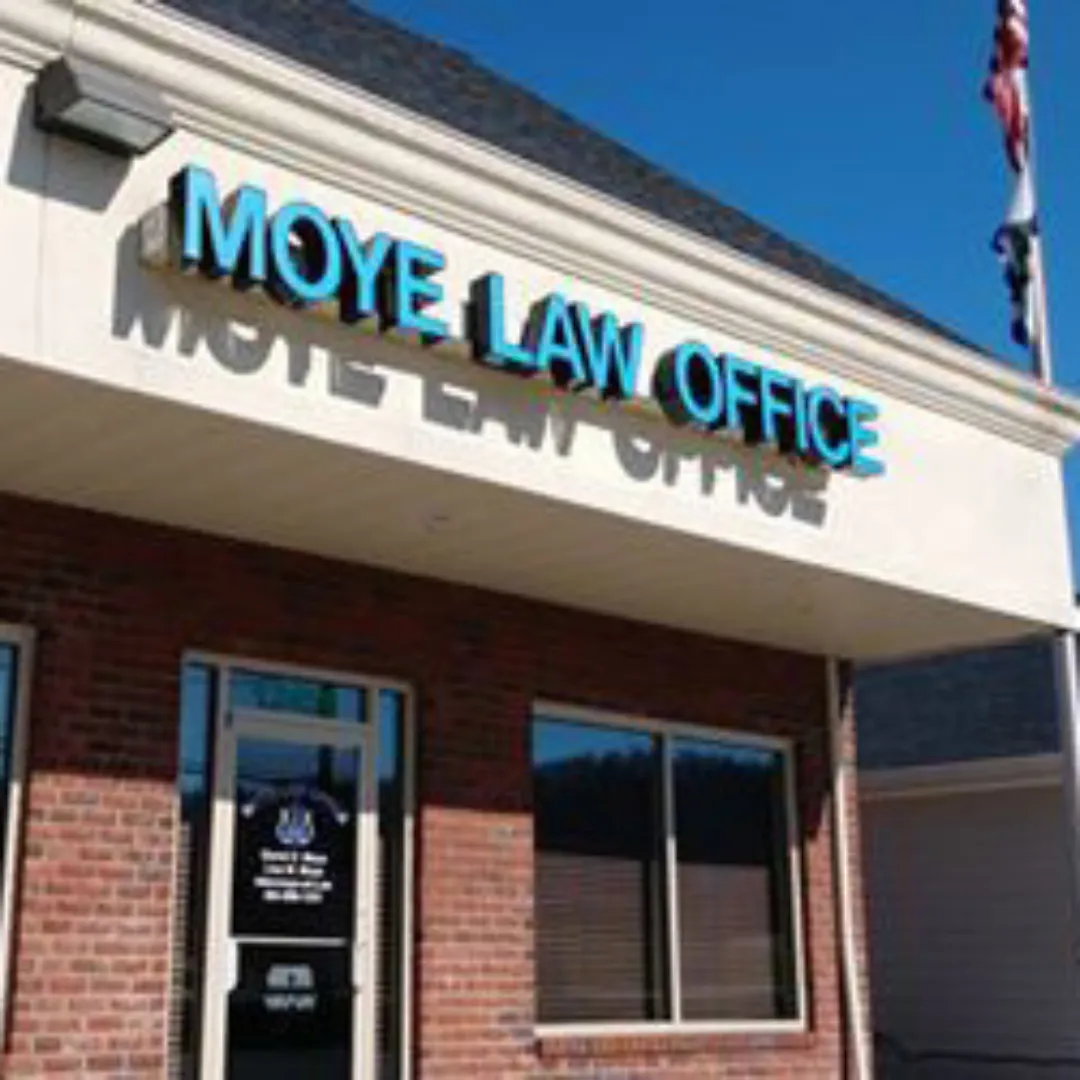
We have two offices in West Virginia: Winfield and Cross Lanes.
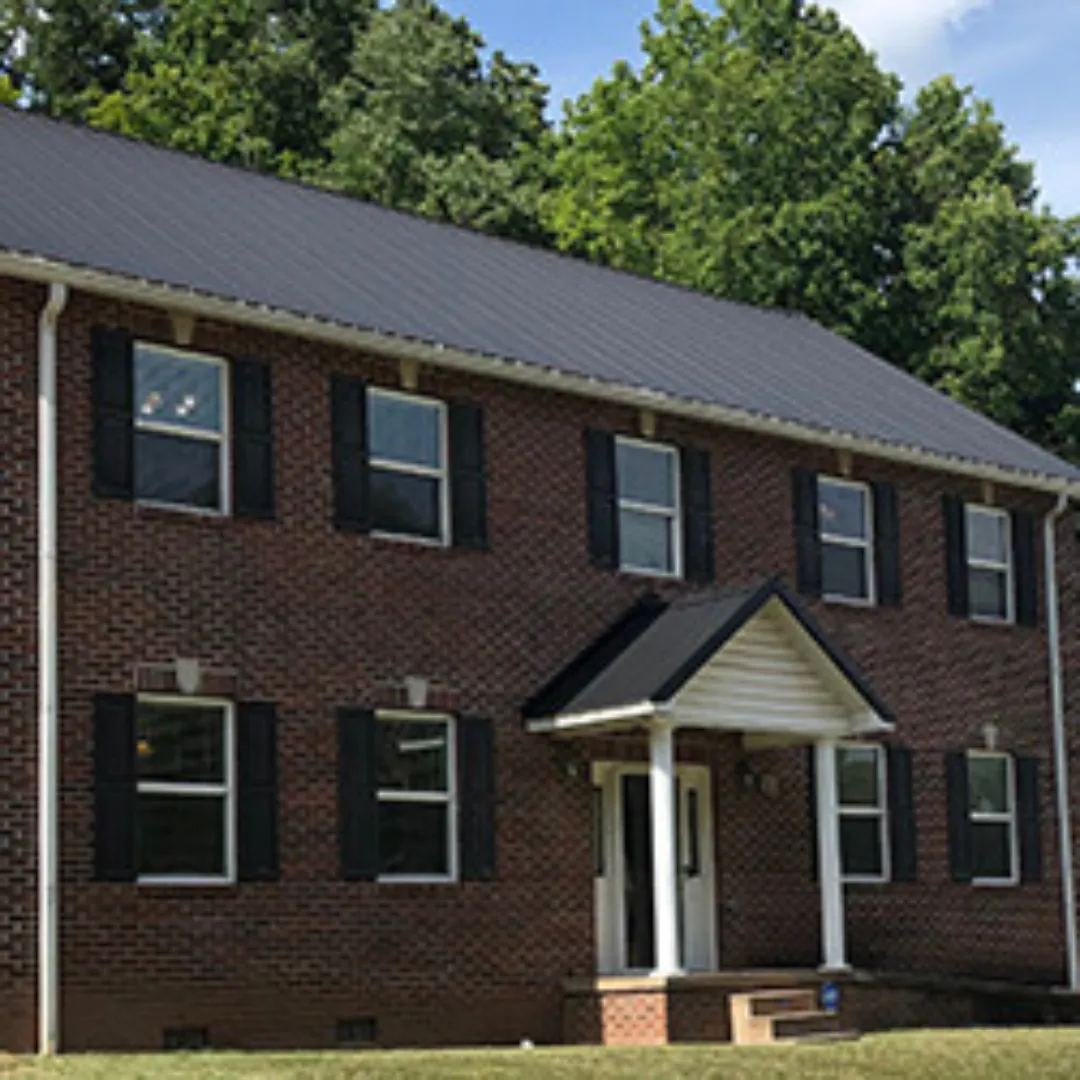
CROSS LANES
Why a West Virginia Real Estate Lawyer is Essential for You
Why Local Matters: Benefits of Using a West Virginia Real Estate Law Firm for Your Property Needs
Local legal representation matters because West Virginia’s statutes, county practices, and community relationships shape how property transactions and disputes are handled, and that local knowledge directly reduces risk, accelerates closings, and prevents costly surprises. This article explains what makes West Virginia real estate law unique, why hiring a local West Virginia real estate attorney produces better outcomes, and how to evaluate firms serving Charleston and surrounding counties. Readers will learn state- and county-level filing nuances, the role of title searches and title insurance in West Virginia, and practical steps for resolving boundary, easement, and title disputes. The article also examines how a community-focused firm provides personalized service, highlights typical real estate services, and offers checklists and selection criteria for choosing the right Charleston-area real estate attorney. Throughout, this guide uses real-world procedural detail and local context to help buyers, sellers, and property owners understand what to expect and how local counsel can preserve value and reduce delays.
What Makes West Virginia Real Estate Law Unique?
West Virginia real estate law is defined by specific recording requirements, deed types, and county-level filing customs that affect timing and the chain of title; these mechanisms influence how transactions close and how defects are discovered. State statutes govern deed formalities and notarization while county clerks enforce local indexing and recording practices, so familiarity with these processes speeds title research and reduces clerical surprises. Local tax and transfer nuances—such as county recording backlogs, transfer tax calculations, and lien priorities—alter closing timelines and the cost calculus for buyers and sellers. Understanding these state and county mechanics helps clients anticipate timing, know where delays are likely, and plan contingencies during contract negotiation and closing.
How Do West Virginia Property Laws Affect Real Estate Transactions?
West Virginia property laws require precise deed execution and county recording steps, which means a single missing signature or a misfiled instrument can delay or cloud a closing. For example, some deed forms and statutory acknowledgments used in West Virginia differ from other states; knowing which form to use prevents rejections at the recorder’s office. Title searches in West Virginia must account for county-specific indexing conventions and historical filings that may reveal latent defects such as unrecorded easements or older mortgages. Anticipating these statutory checkpoints, local counsel sequences tasks—contract review, survey review, title exception resolution—so parties can meet lender and escrow deadlines without last-minute surprises.
What Local Market Factors Influence Real Estate Deals in Charleston and Surrounding Counties?
Charleston and nearby counties such as Putnam, Kanawha, Cabell, Lincoln, and Mason show distinct local market patterns that affect contract terms and closing logistics, including inventory levels, lender preferences, and customary contingency windows. Local lenders and title companies often follow regional practices for escrow holdbacks, payoff demands, and requirements for survey updates, which influence negotiation strategy and the length of due diligence. Recording office hours, backlog, and document indexing differences between county clerks can shift closing dates by days or weeks; attorneys who know these operational details schedule searches and filings to avoid preventable delays. Recognizing these market and administrative patterns helps buyers and sellers set realistic timelines and craft contract contingencies that reflect local realities.
Why Hire a Local West Virginia Real Estate Attorney?
Hiring a local West Virginia real estate attorney provides practical advantages: faster title work through familiarity with county records, smoother communications with local stakeholders, and legal strategies tailored to state statutes and county practices. Local counsel leverages relationships with title companies, surveyors, and court clerks to resolve issues more efficiently and to anticipate local procedural hurdles before they become problems. Community knowledge reduces transactional friction, lowers the risk of undiscovered defects, and supports better negotiation outcomes for both residential and commercial matters. The following brief list summarizes key benefits and leads into specifics about how expertise translates to better closings and dispute resolution.
Faster, more accurate title searches: Local knowledge speeds discovery of relevant historical records.
Smoother closings: Familiarity with county office practices reduces scheduling problems.
Better dispute outcomes: Local courtroom and negotiation experience produces realistic resolutions.
Stronger local relationships: Communication with lenders, surveyors, and clerks is more effective.
These benefits coalesce into fewer surprises and greater predictability for clients, and the next subsection explains concrete procedural advantages in title searches and closings.
How Does Local Expertise Improve Real Estate Closings and Title Searches?
Local expertise improves closings and title searches by combining procedural knowledge, in-house research capability, and direct contacts at recorder offices to accelerate problem-solving and clear exceptions. A local attorney verifies chain-of-title, checks for recorded easements, liens, and judgments, and follows up with county clerks or title companies to resolve ambiguous entries before closing. A practical checklist typically includes verifying deed descriptions, confirming mortgage payoff procedures, requesting surveys or affidavits for boundary issues, and ensuring tax or utility liens are addressed. This proactive approach reduces last-minute holdbacks and helps parties meet lender conditions and scheduled closing dates, while also protecting buyers’ ownership interests through careful title exception negotiation.
What Role Do Community Ties Play in Effective Legal Representation?
Community ties strengthen legal representation by establishing trust, reputation, and local intelligence that facilitate negotiations and administrative interactions in ways that benefit clients. Attorneys active in local schools, civic events, or professional networks—whether through volunteer work, mock trials, or regular engagement—build informal channels that can expedite records retrieval or clarify customary practices. Reputation matters when negotiating with local title companies or mediating disputes, because well-known local counsel can often secure faster responses and cooperative resolutions. These community connections translate into practical advantages during closings and disputes, allowing attorneys to craft solutions that respect both legal requirements and local norms.
How Does MOYE Law Office Provide Personalized and Accessible Real Estate Legal Services?
MOYE Law Office offers a client-centered approach that emphasizes direct attorney access, responsive communication, and practical in-house capabilities such as title research to support smooth residential and commercial transactions. The firm’s personalized intake process assesses client goals, identifies state- and county-specific issues early, and outlines clear steps from initial review through closing or dispute resolution. Accessibility is reinforced by attorneys who explain options in plain language, provide checklists and timelines, and coordinate with lenders, surveyors, and title companies to minimize surprises. These practices create a consistent client experience where expectations are transparent and the path to closing or remediation is clearly mapped.
This local focus naturally leads to in-house title research and community engagement as practical differentiators; for those seeking a consultation, MOYE Law Office accepts inquiries by phone at (304) 586-1251 or (304) 693-2331 and by email at [email protected] to discuss specific Charleston-area property matters and scheduling. This accessibility supports early intervention on title issues and helps clients plan realistic timelines, which in turn reduces transactional risk.
What Specialized Real Estate Law Services Does Attorney Lisa M. Moye Offer?
Attorney Lisa M. Moye provides services tailored to both residential and commercial needs, including deed preparation, residential and commercial closings, title issue resolution, and coordination with estate planning when property transfers intersect with wills or trusts. She assists clients with title searches, resolving title exceptions and coordinating title insurance matters to protect ownership interests. For commercial clients, services extend to review of development documents and transactional negotiation support where contract complexity requires specialized attention. Lisa M. Moye’s practice integrates transactional work with estate-planning considerations when property ownership transitions affect family and beneficiary outcomes, ensuring clients receive holistic legal guidance.
How Does MOYE Law Office Ensure Clear and Trustworthy Legal Guidance?
MOYE Law Office emphasizes plain-language explanations, transparent fee and process disclosures, and client education tools—such as checklists and FAQ-style guidance—to make complex real estate procedures understandable and actionable. The firm’s workflow typically follows an initial consultation, document collection and title review, targeted issue resolution, and closing support, with regular updates to clients at key milestones. This predictable process reduces anxiety and allows clients to prepare required documents, coordinate with lenders, or address survey issues proactively. Clear communication and documented steps build trust and make it easier for clients to make informed decisions throughout a real estate transaction or dispute resolution.
What Are the Key Services Offered by West Virginia Real Estate Law Firms?
West Virginia real estate law firms commonly provide a range of services spanning residential and commercial transactions, title searches and insurance coordination, deed preparation, closings, easement negotiation, and dispute resolution. These services operate as components of a full transactional lifecycle: pre-contract due diligence, contract drafting and negotiation, title clearance, closing logistics, and post-closing issue resolution when necessary. Firms with in-house title research capabilities can often detect and correct title exceptions earlier, reducing the need for last-minute cures. Below is a compact comparison of typical service categories to help clients choose the right support for their property needs.
Service TypeWhat It CoversClient Benefit / Expected OutcomeResidential TransactionsContract review, title search, deed prep, closing coordinationClear title transfer, predictable closing timelineCommercial TransactionsLease and contract negotiation, due diligence, financing coordinationMitigated business risk, structured deal documentsTitle Services & InsuranceTitle searches, exception resolution, policy coordinationProtection against latent defects and ownership disputes
What Should You Know About Residential and Commercial Real Estate Transactions?
Residential and commercial transactions share core steps—due diligence, title review, contract negotiation, and closing—yet they differ in complexity, timeline, and risk profile, requiring different attorney specializations. Residential deals often focus on clear chain-of-title, lender requirements, and contingency handling for inspections and financing, while commercial matters involve leases, zoning, environmental due diligence, and more complex financing and closing structures. Buyers and sellers should involve counsel early when transactions involve development, commercial leases, or unique title encumbrances, as specialized review prevents later disputes. A short checklist for each transaction type helps clarify which issues require immediate attention.
Residential Checklist: Title verification: Confirm chain-of-title and recorded encumbrances. Survey review: Identify boundary concerns or unrecorded easements. Contingency management: Coordinate inspection and financing timelines.
Commercial Checklist: Due diligence: Environmental, zoning, and tenant/lease review. Financing structure: Coordinate lender requirements and security instruments. Permitting and approvals: Confirm municipal or county development requirements.
These checklists guide initial conversations and help determine when to involve specialized counsel for complex commercial matters.
Why Is Title Insurance Important in West Virginia Property Deals?
Title insurance protects buyers and lenders from losses caused by defects in the chain of title, such as undisclosed liens, forged documents, or clerical recording errors that might not surface during standard searches. In West Virginia, title insurance—typically issued as owner’s and lender’s policies—works alongside attorney-conducted title research to reduce risk and provide financial protection against latent defects. Common local title defects include historical gaps in recording, unrecorded easements, or prior mortgage satisfactions that were not properly indexed, and early detection through in-house research can narrow exceptions before closing. Purchasing an owner’s policy and understanding the scope of coverage helps clients know which risks remain and which are insured against after closing.
How Can Local Real Estate Attorneys Help Resolve Property Disputes and Complex Issues?
Local real estate attorneys resolve disputes such as boundary disagreements, easement conflicts, title defects, and lien claims by combining local records research, negotiation, quiet-title actions, and litigation when necessary. Early steps generally include investigating deeds and surveys, communicating with opposing parties, and pursuing negotiated remedies such as boundary line agreements or formal easement drafting. If negotiation fails, counsel may pursue quiet title actions or other court remedies to clarify ownership and remove clouds on title.
Introductory investigations and strategic decisions are essential because many disputes are most effectively resolved through documentation, negotiation, and targeted legal filings rather than protracted litigation.
IssueTypical CauseLocal Solution / MOYE ApproachBoundary DisputeConflicting surveys or unclear deed descriptionsReview historical deeds, order updated survey, negotiate boundary agreementEasement ConflictUnrecorded or ambiguous easementsResearch recordings, mediate use terms, draft formal easement instrumentTitle DefectImproper recording or missing releasesConduct title cure research, negotiate releases, quiet title action if needed
What Are Common Property Disputes in West Virginia and How Are They Handled?
Common property disputes in West Virginia include boundary disagreements, mechanic’s liens, and title clouds from improperly recorded instruments; these are typically handled through investigation, negotiation, and, if required, legal action to quiet title or enforce lien rights. The standard process begins with document collection—deeds, surveys, and communication logs—then shifts to direct negotiation or mediation to secure an agreed remedy such as a boundary line adjustment or lien satisfaction. When parties cannot agree, counsel may file quiet title actions or pursue litigation to obtain a judicial declaration of rights. Clients benefit when counsel provides a clear timeline, evidence checklist, and escalation plan that balances speed with legal effectiveness.
How Does Local Knowledge Aid in Navigating Zoning and Easement Challenges?
Local knowledge aids zoning and easement navigation by identifying county permitting procedures, typical approval timelines, and local authorities’ expectations for documentation, which streamlines permit applications and easement negotiations. Attorneys familiar with county planning departments and recorder customs can often anticipate document requirements, recommend appropriate neighbor communications, and prepare formal easement agreements that reflect local norms. Practical steps include ordering up-to-date surveys, consulting county zoning officers early, and drafting easement language that clarifies maintenance, access, and duration. These local maneuvers increase the probability of timely approvals and durable easement solutions.
How to Choose the Right West Virginia Real Estate Lawyer for Your Needs?
Choosing the right West Virginia real estate lawyer involves assessing local experience, in-house title resources, communication style, fee transparency, and community reputation; each criterion directly affects the quality and predictability of transaction outcomes. Prospective clients should use a short checklist and targeted interview questions to evaluate fit and capacity to handle the specific county-level issues relevant to their property. The following table offers a quick-reference selection guide that links selection criteria to what to look for and why local expertise matters in each area.
Selection CriterionWhat to Look ForWhy Local MattersLocal court/recorder experienceExamples of county-specific workFamiliarity with local procedures speeds resolutionsIn-house title researchDedicated title review capabilityEarly detection of defects reduces closing riskCommunication styleClear timelines and plain-language explanationsEasier coordination with local stakeholdersFee transparencyWritten fee structure and scopePredictable costs for dispute or transaction work
What Questions Should You Ask When Hiring a Local Real Estate Attorney?
“Do you handle transactions in [county]?” — Listen for specific county experience and examples.
“Who performs your title searches and how are exceptions handled?” — Prefer in-house research and clear remedial steps.
“What is your typical timeline for closings in this area?” — Look for realistic, county-specific timelines.
“How do you communicate updates?” — Expect scheduled check-ins and plain-language summaries.
“How are fees structured for transactions or disputes?” — Seek written fee estimates and scope clarity.
“Have you handled boundary/easement disputes locally?” — Look for local resolution strategies and procedural familiarity.
These questions reveal both technical capability and client service orientation; the next subsection summarizes how MOYE Law Office aligns with these criteria.
How Does MOYE Law Office Stand Out Among West Virginia Real Estate Law Firms?
MOYE Law Office stands out through a combination of local expertise, community engagement, and practical in-house title research that together produce accessible, trustworthy guidance for clients in Charleston and surrounding counties. The firm’s attorneys, including Lisa M. Moye and J. Scott Moye, emphasize personalized intake, plain-language communication, and proactive title review to prevent surprises at closing.
Community ties—illustrated by local engagement such as mock trials at Winfield High School—signal a reputation rooted in local relationships that benefits negotiation and administrative coordination. For clients ready to discuss a property matter or schedule an initial consultation, MOYE Law Office can be reached by phone at (304) 586-1251 or (304) 693-2331 or by email at [email protected] to arrange a meeting and review your specific needs.
Moye Law Offices
We have two offices in West Virginia:
Winfield and Cross Lanes.
CROSS LANES
We Are Here To Help
Do you have a query or problem that you would like to talk about, or are you curious to hear more about how we can help you?
Get in touch today! We look forward to hearing from you.
Assistance Hours
Monday – Friday: 8:30am – 4:30pm
Saturday: By appointment only
Sunday: CLOSED
Subscribe to our Newsletter
We Are Here To Help
Do you have a query or problem that you would like to talk about, or are you curious to hear more about how we can help you?
Get in touch today! We look forward to hearing from you.
Assistance Hours
Monday – Friday 8:30am – 4:30pm
Saturday: By appointment only
Sunday CLOSED