
Blog

Blog

Why West Virginia Real Estate Closings Are Unique
How Real Estate Closings Work in West Virginia: A Practical, County‑Focused Guide to the WV Closing Process and What Makes It Different
A real estate closing in West Virginia is the legal moment ownership moves from seller to buyer — recorded with a deed and protected by a cleared title. This guide walks you through the hands‑on steps from contract signature to deed recording, explains why county rules in Putnam, Kanawha and other WV counties matter, and shows how local players — county clerks, title companies, lenders and closing attorneys — affect timing and outcomes. Recording formats, fee schedules and e‑recording options vary by county; that variation often causes delays or surprises. Knowing the differences reduces risk and speeds resolution. Below you’ll find a step‑by‑step WV closing checklist, county comparison tables for recording practices and fees, an overview of typical closing costs and who usually pays them, and practical strategies to prevent title defects and boundary disputes. For hands‑on help, MOYE Law office offers personalized real estate law services and accepts consultation requests online; firm details appear where they directly help you navigate county nuances. Read on for the key WV steps, recording rules, attorney roles, cost allocations, common pitfalls, and realistic timeline expectations.
What Are the Key Steps in the West Virginia Real Estate Closing Process?
The West Virginia closing process follows a clear sequence of steps designed to transfer title, move funds, and protect both parties through documents such as the deed, closing disclosure and title policy. Each stage involves specific participants — buyer, seller, lender, title insurer and county clerk — and produces concrete deliverables: an executed deed, lien payoffs, and a recorded instrument that establishes priority. Understanding the order and who does what helps you anticipate timing issues and know who to contact if something goes wrong. Below we highlight the core steps with WV‑specific notes so you can spot county clerk requirements, recording quirks, and common moments when attorney input is critical.
The core steps are listed next with concise WV-specific notes for each stage:
Offer acceptance and contract formation: Buyer and seller sign the purchase agreement with agreed contingencies; in WV, parties commonly negotiate title cure language and recording timelines.
Financing and lender underwriting: Lender conditions and required title endorsements are confirmed; lenders typically require a lender’s policy and payoff of existing liens before funding.
Title search and title insurance procurement: A chain‑of‑title review surfaces liens, judgments or probate issues that must be cleared before closing.
Preparation of closing documents and closing disclosure: Settlement statements and deed drafts are prepared and often reviewed by counsel to match county formatting expectations.
Closing meeting and fund transfer: Parties sign documents, funds are wired or released from escrow, and settlement statements are finalized.
Deed recording and post‑closing tasks: The deed is submitted to the county clerk for recording; local rules determine acceptable format, fees and indexing practices.
Below is a compact, structured checklist that maps each step to responsible parties and highlights WV‑specific notes to help you follow the sequence in practice.
StepWho is InvolvedDocuments / WV NotesOffer & ContractBuyer, Seller, Real Estate Agents, AttorneysPurchase agreement with title and recording contingencies; earnest money handled according to contract termsFinancingBuyer, Lender, UnderwriterLoan commitment and lender endorsements; lender issues payoff instructions and conditions for fundingTitle SearchTitle Company, Closing AttorneyChain‑of‑title report; identify liens, judgments or probate items common on WV parcelsDocument PrepClosing Attorney, Title Company, LenderDraft deed, closing disclosure and settlement statement; format deed to county clerk preferences where requiredClosing & FundingBuyers, Sellers, Attorneys, Escrow AgentExecute documents, confirm funding, and disburse escrowed proceeds; verify wire instructions carefullyRecording & Post-ClosingCounty Clerk, Attorney, Title CompanySubmit deed for recording; obtain recording receipt and update title insurance as needed
How Does Offer Acceptance and Contract Preparation Work in WV?
In West Virginia, offer acceptance starts the clock: a signed purchase agreement sets closing dates, contingency windows and how earnest money is handled. Contracts commonly include inspection, financing and title contingencies that spell out cure periods and who pays for defects found before closing. Earnest money is usually held in escrow until closing, and the contract will define defaults and remedies under WV law. Because county recording delays can affect whether clear title is in place by the scheduled closing, experienced counsel often advises adding timing buffers and specific remedies tied to recording outcomes. Clear contingency language and precise dates cut down on last‑minute renegotiation and smooth the title review process.
What Happens During Title Search and Title Insurance in West Virginia?

A WV title search checks public records to confirm the chain of title and reveal liens, unpaid taxes, judgments or clouding events like probate matters and easements that could restrict ownership. Title examiners trace past conveyances, mortgages and recorded encumbrances to make sure the seller can deliver marketable title. In West Virginia, common findings include probate‑related clouds and municipal liens. Title insurance — separate owner and lender policies — protects against covered defects: lenders usually require a lender’s policy, and buyers often purchase an owner’s policy to protect their equity. When exceptions appear, cure steps such as lien payoffs, releases or curative affidavits are coordinated by the title company and often a local attorney to clear title before recording. Prompt, clear communication during the title phase speeds cure work and prevents funding delays at closing.
How Does Deed Recording Work in West Virginia and What Are County-Specific Requirements?

In West Virginia, deeds are recorded at the county level by the county clerk (recorder) to give public notice of ownership and to establish lien priority. Recording requires a correctly formatted, notarized deed, payment of recording fees and, in many counties, completion of state or county transfer tax forms; failure to meet format or notarization rules commonly causes rejection. Counties differ in fee schedules, indexing practices (page versus sheet), and e‑recording availability, so preparing the deed correctly the first time reduces rework and delays. The table below compares typical recording attributes for Putnam, Kanawha and Mason counties as practical examples to guide preparers and counsel.
CountyNotarization & FormatTypical Fee StructureE-recording AvailabilityPutnam CountyNotarized deed with precise legal description; follow clerk margin and page requirementsRecording fee per instrument plus per‑page charge; deed indexing fee commonly appliedElectronic recording accepted for many instrumentsKanawha CountyNotarized deed with full legal description; transfer tax reporting often required at submissionFlat instrument fee plus additional per‑page fees; transfer document filing typically requiredE‑recording available with specified vendor requirementsMason CountyNotarized deed; clerks expect clear parcel descriptions and proper signaturesInstrument fee plus per‑page charges; some small instruments have limited exceptionsE‑recording is limited or selectively accepted
This county comparison helps preparers and attorneys anticipate clerk requirements and spot where extra review reduces the risk of rejection.
When preparing deeds for Putnam or Kanawha properties, local experience matters: clerks often have predictable formatting preferences or unique indexing fees. A closing attorney familiar with those counties can prepare deeds to local specs and avoid rejections. Knowing whether a county accepts e‑recording also affects timing: e‑recording usually shortens turnaround, while paper‑only counties can add days or weeks. Confirm county clerk acceptance criteria early to prevent last‑minute resubmits and to schedule funding around expected recording windows.
What Are the Deed Recording Procedures and Fees in WV Counties Like Putnam and Kanawha?
Putnam and Kanawha show how the same legal purpose — giving public notice — is implemented through different administrative practices. Typical steps include presenting a notarized deed with an accurate legal description, completing any required transfer tax forms, and paying an instrument fee plus per‑page charges; some clerks also require reproducible copies or extra indexing details. Common mistakes that cause rejections include inconsistent signatures, missing parcel identifiers, or incorrect fee calculations. Attorneys and title agents who handle these counties frequently can often anticipate clerk preferences, such as preferred legal description formatting, and prepare deeds to meet those expectations before submission. Using a county‑specific checklist during document prep reduces rejection risk and speeds final recording.
How Is Electronic Deed Recording Changing the WV Closing Process?
Electronic recording (e‑recording) is shortening the time between funding and public notice by letting approved submitters — typically title companies and attorneys — upload deeds and receive recording receipts quickly. Adoption varies across West Virginia: counties with mature e‑recording report faster turnaround and fewer clerical rejections, while paper‑only counties still face postal and processing delays. E‑recording cuts errors from illegible handwriting and helps ensure transfer tax forms and fee calculations accompany instruments consistently. Confirm in advance whether your title company or attorney is an approved e‑filer for the county involved — using an approved e‑filer is often the fastest path to recorded documents and reliable funding timelines.
Why Is Hiring a Local West Virginia Real Estate Attorney Essential for Your Closing?
Hiring a local West Virginia real estate attorney is often essential to navigate state and county recording rules, cure title defects, and protect your interests if disputes arise. Attorneys handle targeted tasks: title examination and cure, drafting and reviewing deed language, confirming county formatting, and coordinating with lenders, title insurers and county clerks to keep funding and recording on track. Local counsel also uses relationships and firsthand knowledge of clerk practices to prevent clerical rejections and to speed resolution when problems appear. Below are common attorney tasks that reduce risk and increase predictability during WV closings.
Title examination and cure coordination: Attorneys review title reports, draft curative documents and negotiate resolutions to liens or probate clouds.
Drafting and reviewing closing documents: Attorneys prepare deeds, settlement statements and deed transfer language so documents meet county and lender requirements.
Representation at closing and post‑closing disputes: Attorneys protect client interests during signing and handle post‑closing claims or recording corrections when needed.
What Legal Services Does a WV Real Estate Attorney Provide During Closing?
A West Virginia real estate attorney provides services across the full closing lifecycle: pre‑closing title cure, drafting and negotiating contract language, reviewing lender requirements, preparing deeds and settlement statements, and coordinating recording and payoff instructions. Attorneys also communicate directly with county clerks and title insurers to clarify submission requirements and expedite acceptance of atypical documents. When title exceptions arise, counsel drafts releases, affidavits or corrective deeds and negotiates payoffs to enable funding. That hands‑on coordination protects clients and removes administrative friction that commonly delays WV transactions.
How Does MOYE Law Office and Attorney Lisa M. Moye Protect Your Interests in WV Closings?
MOYE Law office provides personalized real estate legal services built for West Virginia transactions. We combine careful document preparation, local title review and county‑level knowledge so clients move through closing with fewer surprises. Our practice focuses on real estate law and client‑centered representation, grounded in hard work, integrity and respect. We work regularly with Putnam and Kanawha clerks and title insurers to reduce recording friction. In practice, we review purchase contracts for title contingencies, coordinate title cure when liens or probate issues arise, and prepare deeds in formats accepted by local clerks. If you want direct legal support, MOYE Law office invites you to schedule a consultation through the firm’s website to discuss county‑specific matters and closing representation.
If you need personalized legal assistance or have questions about a West Virginia real estate closing, please contact the firm. Our team is ready to help.
What Are the Typical Closing Costs in West Virginia and Who Pays Them?
Closing costs in West Virginia typically include recording fees, transfer taxes, title insurance premiums, prorations for taxes and utilities, lender fees, and escrow or attorney fees. The settlement statement allocates these items between buyer and seller. Who pays each item is negotiable, but common practices exist: buyers often pay lender charges, lender title insurance and recording fees for mortgage documents, while sellers typically cover real estate commissions and seller payoff obligations. Transfer taxes and some recording charges can be state or county obligations and calculation methods vary. Understanding the components helps parties estimate net proceeds and required cash to close. The table below summarizes typical costs, who normally pays them, and how they’re calculated.
Cost TypeTypical PayerTypical Calculation / RangeTitle Insurance (owner)Buyer or negotiatedOne‑time premium based on purchase price for an owner’s policyTitle Insurance (lender)BuyerLender policy premium based on loan amount; usually required by lenderRecording FeesBuyer/Seller per instrumentCounty instrument fee plus per‑page charges per local scheduleTransfer Tax / DocumentarySeller or as negotiatedCalculated per state/county rules; varies by transactionProrated Taxes / UtilitiesBuyer/SellerProrated by closing date; seller credited for prepaid itemsAttorney / Closing FeesBuyer or splitVaries by agreement; covers document prep and settlement services
How Are Buyer and Seller Closing Costs Calculated in WV?
Prorations and line items are calculated on the settlement statement: property taxes, HOA fees and utilities are prorated by closing date so each party pays for the time they owned the property. Recording fees and transfer taxes follow county fee schedules and state forms, and title insurance premiums use company rate tables keyed to purchase price or loan amount. Buyers should review the closing disclosure carefully to confirm lender fees and escrow reserves; sellers should verify payoff statements for existing mortgages and liens to calculate accurate net proceeds. Clear communication among lender, title company and attorney before closing narrows surprises and clarifies cash‑to‑close expectations.
What Role Does Title Insurance Play in Protecting Buyers and Sellers?
Title insurance protects against covered defects that stem from events before closing — for example, undisclosed heirs, forged deeds or recording errors — by providing financial coverage and a defense against covered claims. Lenders require a lender’s policy to protect the mortgagee; buyers often purchase an owner’s policy to protect their equity. An owner’s policy remains with the property owner for the duration of ownership. In practice, title insurance pays losses and funds legal defense if a covered defect arises after closing. Given WV‑specific risks such as probate clouds on rural parcels, purchasing title insurance is a prudent way to secure your ownership.
What Common Issues and Pitfalls Should You Avoid in West Virginia Real Estate Closings?
Common recurring problems in West Virginia closings include title defects (liens, judgments, unresolved probates), boundary disputes from outdated surveys, incomplete seller disclosures, and county clerk rejections from improperly formatted deeds. These issues can delay funding, raise closing costs, and sometimes provoke post‑closing claims. Preventive steps — early title searches, current boundary surveys, clear contract contingencies and county‑aware deed preparation — significantly reduce risk. The practical checklist below helps parties and counsel manage pre‑closing tasks effectively.
Order a title search and review immediately after contract ratification to identify and prioritize cure items.
Obtain a current boundary survey when property lines, easements or potential encroachments matter to value or use.
Require written seller disclosures and verify material facts that affect value or habitability.
Confirm county‑specific deed formatting and recording requirements with the county clerk or a local attorney before submitting the deed.
How Can You Prevent Title Defects and Boundary Disputes in WV?
Preventing title defects and boundary disputes starts with an early title search and, when lines are uncertain, a current boundary survey — especially important for rural West Virginia parcels where historical probates and informal transfers are more common. Address liens, judgments or probate issues promptly with payoffs, releases or curative affidavits so transactions stay on schedule and avoid post‑closing claims. Negotiate who pays for surveys and curative work in the purchase agreement and include clear remedy timelines. Involving local counsel and a reputable title insurer early ensures appropriate remedies are implemented before closing and lowers the chance of later disputes.
What Are the Property Disclosure Requirements and Buyer Protections in West Virginia?
Sellers in West Virginia must disclose material defects that affect property value or safety under statutory and common‑law duties; buyers are entitled to remedies if sellers knowingly withhold such defects, including, in some cases, rescission or damages. Buyers should insist on written seller disclosures, complete inspections within the contingency window, and review municipal and tax records for outstanding issues. If undisclosed defects surface after closing, title insurance, contract indemnities and attorney assistance may provide recovery paths. Combining inspections, disclosure review and a thorough title search offers the strongest practical protection for buyers.
How Long Does the Real Estate Closing Process Take in West Virginia?
For typical financed transactions in West Virginia, the timeline from accepted offer to final deed recording is often 30 to 60 days. All‑cash deals can be faster; transactions with title defects, lender underwriting delays or county recording backlogs can take longer. Key timing drivers include lender underwriting and commitment, the speed of title cure work, county clerk processing times, and whether electronic recording is available. Build realistic milestone dates for inspections, loan approvals and recording windows to avoid rushed signings and last‑minute funding issues. Below are representative timelines and the common factors that influence duration so you can set realistic expectations.
30-day scenario: Clean title, lender pre‑approval complete and county accepts e‑recording — closing and recording within about 30 days.
45-day scenario: Standard financing timeline with routine title cure work and manual clerk review — recording within about 45 days.
60+ day scenario: Probate‑affected title, boundary dispute, or backlog at a paper‑recording county — additional cure and administrative time required.
These examples show how title condition, lender actions and county recording practices combine to determine the total closing length.
What Is the Typical Timeline From Offer to Final Deed Recording?
After offer acceptance, inspection and financing contingencies typically occupy the first 7–21 days; lender underwriting and appraisal often add 14–30 days; title search and cure work run concurrently and can add days to weeks depending on findings; final signing and recording follow once clearances and funds are in place. You can speed the process by getting pre‑approved, ordering title searches and surveys early, and allocating responsibility for timely curing of title items in the contract. When e‑recording is available and the deed is correctly prepared, recording can occur the same day as funding; where e‑recording isn’t available, expect extra processing and mailing time before finality.
How Do Local Practices Affect Closing Duration in Different WV Counties?
Local practices such as county clerk staffing, per‑instrument processing rules and e‑recording vendor requirements materially affect how long recording takes after closing. Putnam and Kanawha counties, for example, may accept e‑recording and return recorded instruments quickly, whereas some counties that still require paper submissions can add multiple days or weeks. Familiarity with county quirks — preferred legal description formats, required attachments or filing windows — lets a closing attorney or title company prepare compliant documents that pass clerk review on the first submission. To reduce county‑specific delays, build buffer days into the contract timeline and confirm e‑recording status and clerk preferences early in the transaction.
Frequently Asked Questions
What Are the Common Delays in the West Virginia Closing Process?
Common delays include title defects (liens, unresolved probates), incomplete or incorrectly formatted documents, and county recording practices that vary by jurisdiction. Title issues often require additional paperwork or payoffs; clerks may reject documents that don’t meet local formatting rules. Anticipating these pitfalls and preparing documents and cure steps early reduces the chance of delay and keeps your closing on track.
How Can Buyers and Sellers Prepare for Closing in West Virginia?
Prepare by ordering an early title search, securing financing or pre‑approval, and reviewing the purchase agreement for contingency deadlines. Communicate with your real estate attorney about county‑specific requirements and confirm seller disclosures are complete. Proactive planning and clear communication with lender, title company and counsel make the closing process smoother and reduce last‑minute surprises.
What Should You Know About Title Insurance in West Virginia?
Title insurance protects against covered title defects that may surface after closing. There are two policies: the lender’s policy (required by most lenders) and the owner’s policy (optional but strongly recommended to protect buyer equity). In West Virginia, where probate clouds and older record issues can occur, an owner’s policy is a valuable safeguard. Review coverage and premium calculations with your title company so you understand the protection and cost.
What Are the Responsibilities of a Real Estate Attorney During Closing?
A real estate attorney in West Virginia reviews and prepares closing documents, conducts title examinations, coordinates with lenders and title companies, and represents clients at closing. Attorneys also handle title cure, drafting of corrective documents, and post‑closing recording corrections or disputes. Having knowledgeable counsel helps avoid administrative errors and protects your legal rights throughout the transaction.
How Do Local County Practices Impact Closing Costs?
County practices affect closing costs because recording fees, transfer taxes and submission requirements differ by county. Some counties charge per‑page fees, others use flat instrument fees, and transfer tax procedures vary. Budgeting for local fee schedules and confirming county requirements in advance helps avoid unexpected charges at closing.
What Are the Risks of Not Hiring a Local Real Estate Attorney?
Skip local legal counsel and you risk missing title defects, misdrafting contract language, or failing to meet county recording requirements — all of which can lead to delays, extra costs or post‑closing disputes. Local attorneys bring county experience and relationships that help prevent clerical rejections and resolve issues quickly. For most WV transactions, having competent local counsel reduces legal and practical risks.
**

Moye Law Offices
We have two offices in West Virginia: Winfield and Cross Lanes.
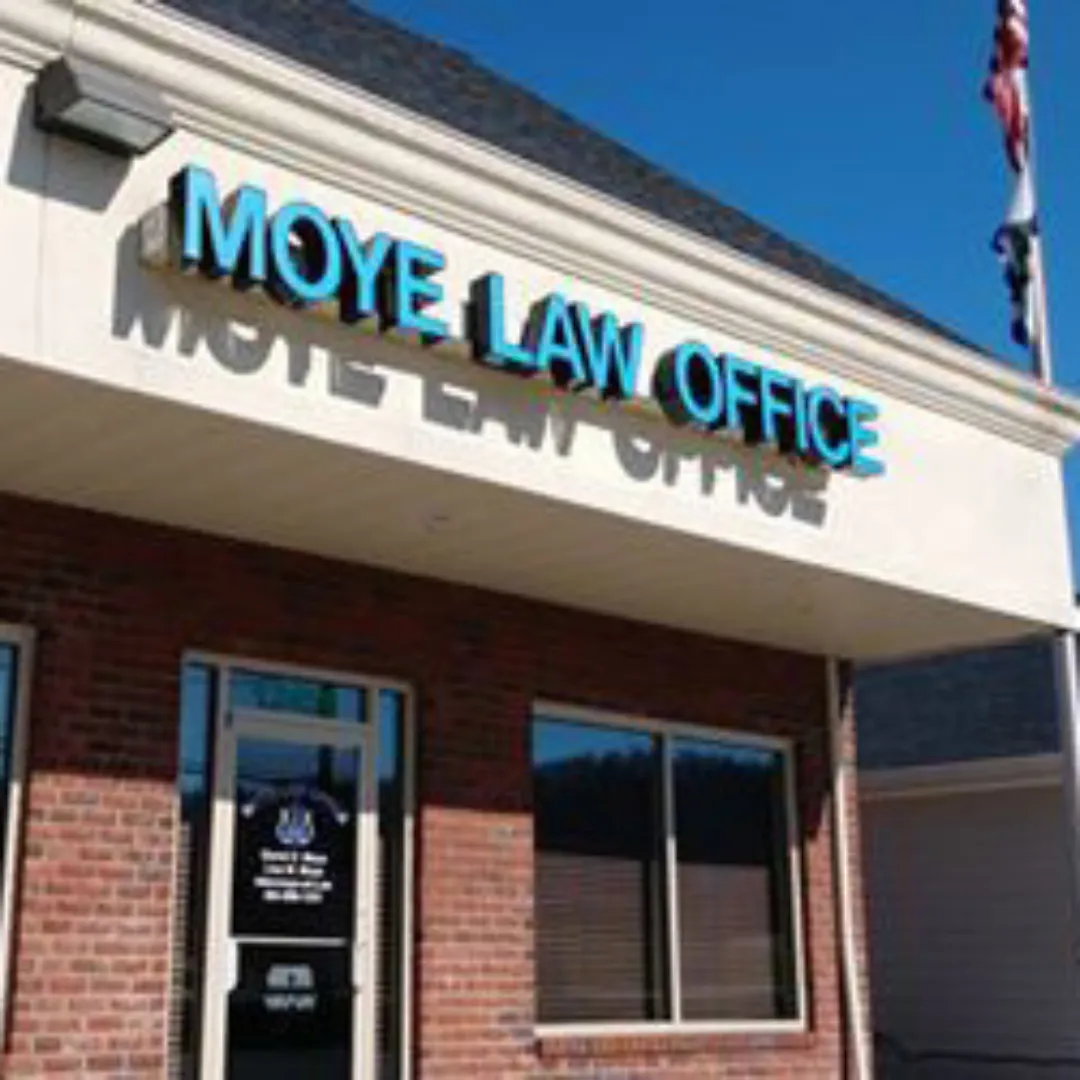
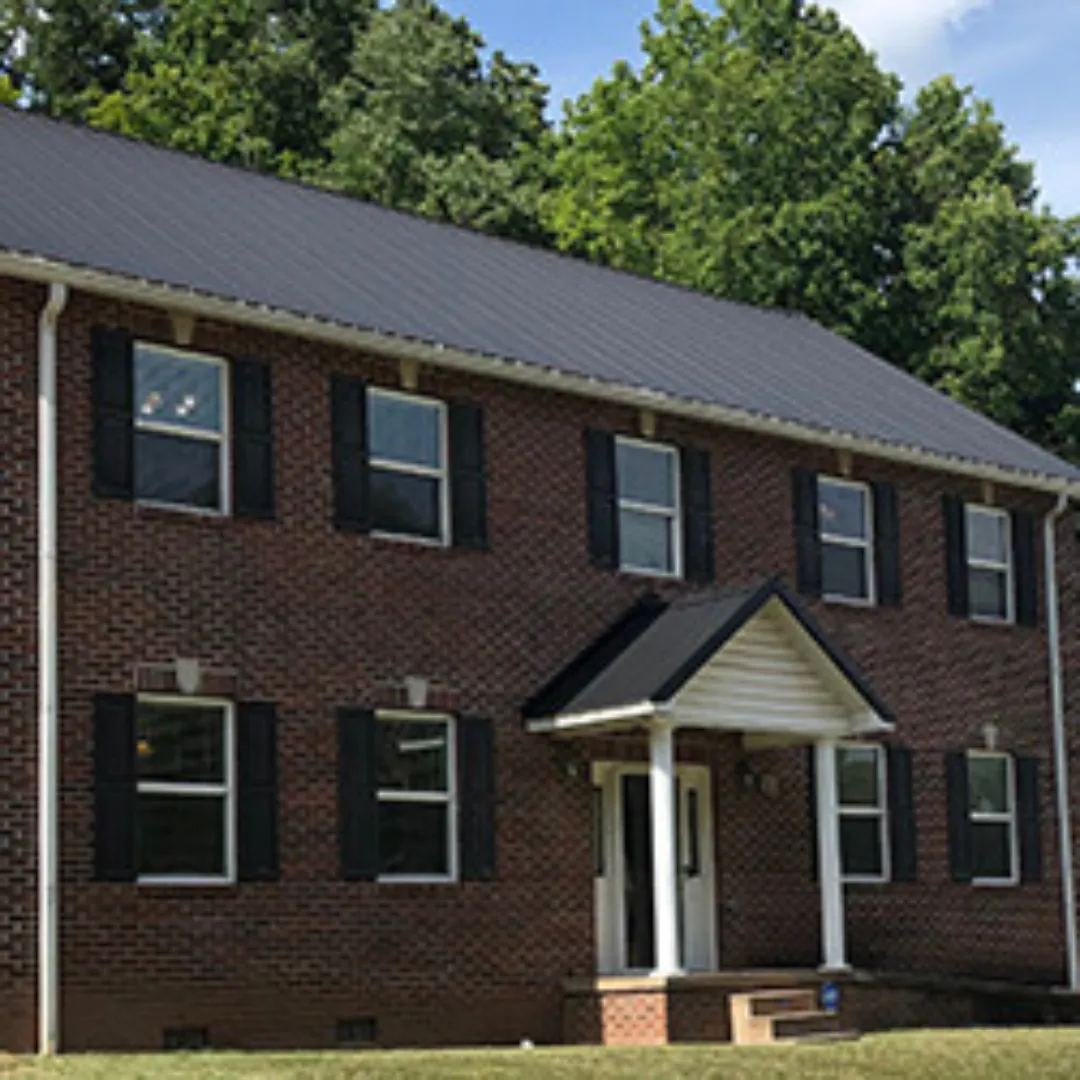
CROSS LANES
Why West Virginia Real Estate Closings Are Unique
How Real Estate Closings Work in West Virginia: A Practical, County‑Focused Guide to the WV Closing Process and What Makes It Different
A real estate closing in West Virginia is the legal moment ownership moves from seller to buyer — recorded with a deed and protected by a cleared title. This guide walks you through the hands‑on steps from contract signature to deed recording, explains why county rules in Putnam, Kanawha and other WV counties matter, and shows how local players — county clerks, title companies, lenders and closing attorneys — affect timing and outcomes. Recording formats, fee schedules and e‑recording options vary by county; that variation often causes delays or surprises. Knowing the differences reduces risk and speeds resolution. Below you’ll find a step‑by‑step WV closing checklist, county comparison tables for recording practices and fees, an overview of typical closing costs and who usually pays them, and practical strategies to prevent title defects and boundary disputes. For hands‑on help, MOYE Law office offers personalized real estate law services and accepts consultation requests online; firm details appear where they directly help you navigate county nuances. Read on for the key WV steps, recording rules, attorney roles, cost allocations, common pitfalls, and realistic timeline expectations.
What Are the Key Steps in the West Virginia Real Estate Closing Process?
The West Virginia closing process follows a clear sequence of steps designed to transfer title, move funds, and protect both parties through documents such as the deed, closing disclosure and title policy. Each stage involves specific participants — buyer, seller, lender, title insurer and county clerk — and produces concrete deliverables: an executed deed, lien payoffs, and a recorded instrument that establishes priority. Understanding the order and who does what helps you anticipate timing issues and know who to contact if something goes wrong. Below we highlight the core steps with WV‑specific notes so you can spot county clerk requirements, recording quirks, and common moments when attorney input is critical.
The core steps are listed next with concise WV-specific notes for each stage:
Offer acceptance and contract formation: Buyer and seller sign the purchase agreement with agreed contingencies; in WV, parties commonly negotiate title cure language and recording timelines.
Financing and lender underwriting: Lender conditions and required title endorsements are confirmed; lenders typically require a lender’s policy and payoff of existing liens before funding.
Title search and title insurance procurement: A chain‑of‑title review surfaces liens, judgments or probate issues that must be cleared before closing.
Preparation of closing documents and closing disclosure: Settlement statements and deed drafts are prepared and often reviewed by counsel to match county formatting expectations.
Closing meeting and fund transfer: Parties sign documents, funds are wired or released from escrow, and settlement statements are finalized.
Deed recording and post‑closing tasks: The deed is submitted to the county clerk for recording; local rules determine acceptable format, fees and indexing practices.
Below is a compact, structured checklist that maps each step to responsible parties and highlights WV‑specific notes to help you follow the sequence in practice.
StepWho is InvolvedDocuments / WV NotesOffer & ContractBuyer, Seller, Real Estate Agents, AttorneysPurchase agreement with title and recording contingencies; earnest money handled according to contract termsFinancingBuyer, Lender, UnderwriterLoan commitment and lender endorsements; lender issues payoff instructions and conditions for fundingTitle SearchTitle Company, Closing AttorneyChain‑of‑title report; identify liens, judgments or probate items common on WV parcelsDocument PrepClosing Attorney, Title Company, LenderDraft deed, closing disclosure and settlement statement; format deed to county clerk preferences where requiredClosing & FundingBuyers, Sellers, Attorneys, Escrow AgentExecute documents, confirm funding, and disburse escrowed proceeds; verify wire instructions carefullyRecording & Post-ClosingCounty Clerk, Attorney, Title CompanySubmit deed for recording; obtain recording receipt and update title insurance as needed
How Does Offer Acceptance and Contract Preparation Work in WV?
In West Virginia, offer acceptance starts the clock: a signed purchase agreement sets closing dates, contingency windows and how earnest money is handled. Contracts commonly include inspection, financing and title contingencies that spell out cure periods and who pays for defects found before closing. Earnest money is usually held in escrow until closing, and the contract will define defaults and remedies under WV law. Because county recording delays can affect whether clear title is in place by the scheduled closing, experienced counsel often advises adding timing buffers and specific remedies tied to recording outcomes. Clear contingency language and precise dates cut down on last‑minute renegotiation and smooth the title review process.
What Happens During Title Search and Title Insurance in West Virginia?
A WV title search checks public records to confirm the chain of title and reveal liens, unpaid taxes, judgments or clouding events like probate matters and easements that could restrict ownership. Title examiners trace past conveyances, mortgages and recorded encumbrances to make sure the seller can deliver marketable title. In West Virginia, common findings include probate‑related clouds and municipal liens. Title insurance — separate owner and lender policies — protects against covered defects: lenders usually require a lender’s policy, and buyers often purchase an owner’s policy to protect their equity. When exceptions appear, cure steps such as lien payoffs, releases or curative affidavits are coordinated by the title company and often a local attorney to clear title before recording. Prompt, clear communication during the title phase speeds cure work and prevents funding delays at closing.
How Does Deed Recording Work in West Virginia and What Are County-Specific Requirements?
In West Virginia, deeds are recorded at the county level by the county clerk (recorder) to give public notice of ownership and to establish lien priority. Recording requires a correctly formatted, notarized deed, payment of recording fees and, in many counties, completion of state or county transfer tax forms; failure to meet format or notarization rules commonly causes rejection. Counties differ in fee schedules, indexing practices (page versus sheet), and e‑recording availability, so preparing the deed correctly the first time reduces rework and delays. The table below compares typical recording attributes for Putnam, Kanawha and Mason counties as practical examples to guide preparers and counsel.
CountyNotarization & FormatTypical Fee StructureE-recording AvailabilityPutnam CountyNotarized deed with precise legal description; follow clerk margin and page requirementsRecording fee per instrument plus per‑page charge; deed indexing fee commonly appliedElectronic recording accepted for many instrumentsKanawha CountyNotarized deed with full legal description; transfer tax reporting often required at submissionFlat instrument fee plus additional per‑page fees; transfer document filing typically requiredE‑recording available with specified vendor requirementsMason CountyNotarized deed; clerks expect clear parcel descriptions and proper signaturesInstrument fee plus per‑page charges; some small instruments have limited exceptionsE‑recording is limited or selectively accepted
This county comparison helps preparers and attorneys anticipate clerk requirements and spot where extra review reduces the risk of rejection.
When preparing deeds for Putnam or Kanawha properties, local experience matters: clerks often have predictable formatting preferences or unique indexing fees. A closing attorney familiar with those counties can prepare deeds to local specs and avoid rejections. Knowing whether a county accepts e‑recording also affects timing: e‑recording usually shortens turnaround, while paper‑only counties can add days or weeks. Confirm county clerk acceptance criteria early to prevent last‑minute resubmits and to schedule funding around expected recording windows.
What Are the Deed Recording Procedures and Fees in WV Counties Like Putnam and Kanawha?
Putnam and Kanawha show how the same legal purpose — giving public notice — is implemented through different administrative practices. Typical steps include presenting a notarized deed with an accurate legal description, completing any required transfer tax forms, and paying an instrument fee plus per‑page charges; some clerks also require reproducible copies or extra indexing details. Common mistakes that cause rejections include inconsistent signatures, missing parcel identifiers, or incorrect fee calculations. Attorneys and title agents who handle these counties frequently can often anticipate clerk preferences, such as preferred legal description formatting, and prepare deeds to meet those expectations before submission. Using a county‑specific checklist during document prep reduces rejection risk and speeds final recording.
How Is Electronic Deed Recording Changing the WV Closing Process?
Electronic recording (e‑recording) is shortening the time between funding and public notice by letting approved submitters — typically title companies and attorneys — upload deeds and receive recording receipts quickly. Adoption varies across West Virginia: counties with mature e‑recording report faster turnaround and fewer clerical rejections, while paper‑only counties still face postal and processing delays. E‑recording cuts errors from illegible handwriting and helps ensure transfer tax forms and fee calculations accompany instruments consistently. Confirm in advance whether your title company or attorney is an approved e‑filer for the county involved — using an approved e‑filer is often the fastest path to recorded documents and reliable funding timelines.
Why Is Hiring a Local West Virginia Real Estate Attorney Essential for Your Closing?
Hiring a local West Virginia real estate attorney is often essential to navigate state and county recording rules, cure title defects, and protect your interests if disputes arise. Attorneys handle targeted tasks: title examination and cure, drafting and reviewing deed language, confirming county formatting, and coordinating with lenders, title insurers and county clerks to keep funding and recording on track. Local counsel also uses relationships and firsthand knowledge of clerk practices to prevent clerical rejections and to speed resolution when problems appear. Below are common attorney tasks that reduce risk and increase predictability during WV closings.
Title examination and cure coordination: Attorneys review title reports, draft curative documents and negotiate resolutions to liens or probate clouds.
Drafting and reviewing closing documents: Attorneys prepare deeds, settlement statements and deed transfer language so documents meet county and lender requirements.
Representation at closing and post‑closing disputes: Attorneys protect client interests during signing and handle post‑closing claims or recording corrections when needed.
What Legal Services Does a WV Real Estate Attorney Provide During Closing?
A West Virginia real estate attorney provides services across the full closing lifecycle: pre‑closing title cure, drafting and negotiating contract language, reviewing lender requirements, preparing deeds and settlement statements, and coordinating recording and payoff instructions. Attorneys also communicate directly with county clerks and title insurers to clarify submission requirements and expedite acceptance of atypical documents. When title exceptions arise, counsel drafts releases, affidavits or corrective deeds and negotiates payoffs to enable funding. That hands‑on coordination protects clients and removes administrative friction that commonly delays WV transactions.
How Does MOYE Law Office and Attorney Lisa M. Moye Protect Your Interests in WV Closings?
MOYE Law office provides personalized real estate legal services built for West Virginia transactions. We combine careful document preparation, local title review and county‑level knowledge so clients move through closing with fewer surprises. Our practice focuses on real estate law and client‑centered representation, grounded in hard work, integrity and respect. We work regularly with Putnam and Kanawha clerks and title insurers to reduce recording friction. In practice, we review purchase contracts for title contingencies, coordinate title cure when liens or probate issues arise, and prepare deeds in formats accepted by local clerks. If you want direct legal support, MOYE Law office invites you to schedule a consultation through the firm’s website to discuss county‑specific matters and closing representation.
If you need personalized legal assistance or have questions about a West Virginia real estate closing, please contact the firm. Our team is ready to help.
What Are the Typical Closing Costs in West Virginia and Who Pays Them?
Closing costs in West Virginia typically include recording fees, transfer taxes, title insurance premiums, prorations for taxes and utilities, lender fees, and escrow or attorney fees. The settlement statement allocates these items between buyer and seller. Who pays each item is negotiable, but common practices exist: buyers often pay lender charges, lender title insurance and recording fees for mortgage documents, while sellers typically cover real estate commissions and seller payoff obligations. Transfer taxes and some recording charges can be state or county obligations and calculation methods vary. Understanding the components helps parties estimate net proceeds and required cash to close. The table below summarizes typical costs, who normally pays them, and how they’re calculated.
Cost TypeTypical PayerTypical Calculation / RangeTitle Insurance (owner)Buyer or negotiatedOne‑time premium based on purchase price for an owner’s policyTitle Insurance (lender)BuyerLender policy premium based on loan amount; usually required by lenderRecording FeesBuyer/Seller per instrumentCounty instrument fee plus per‑page charges per local scheduleTransfer Tax / DocumentarySeller or as negotiatedCalculated per state/county rules; varies by transactionProrated Taxes / UtilitiesBuyer/SellerProrated by closing date; seller credited for prepaid itemsAttorney / Closing FeesBuyer or splitVaries by agreement; covers document prep and settlement services
How Are Buyer and Seller Closing Costs Calculated in WV?
Prorations and line items are calculated on the settlement statement: property taxes, HOA fees and utilities are prorated by closing date so each party pays for the time they owned the property. Recording fees and transfer taxes follow county fee schedules and state forms, and title insurance premiums use company rate tables keyed to purchase price or loan amount. Buyers should review the closing disclosure carefully to confirm lender fees and escrow reserves; sellers should verify payoff statements for existing mortgages and liens to calculate accurate net proceeds. Clear communication among lender, title company and attorney before closing narrows surprises and clarifies cash‑to‑close expectations.
What Role Does Title Insurance Play in Protecting Buyers and Sellers?
Title insurance protects against covered defects that stem from events before closing — for example, undisclosed heirs, forged deeds or recording errors — by providing financial coverage and a defense against covered claims. Lenders require a lender’s policy to protect the mortgagee; buyers often purchase an owner’s policy to protect their equity. An owner’s policy remains with the property owner for the duration of ownership. In practice, title insurance pays losses and funds legal defense if a covered defect arises after closing. Given WV‑specific risks such as probate clouds on rural parcels, purchasing title insurance is a prudent way to secure your ownership.
What Common Issues and Pitfalls Should You Avoid in West Virginia Real Estate Closings?
Common recurring problems in West Virginia closings include title defects (liens, judgments, unresolved probates), boundary disputes from outdated surveys, incomplete seller disclosures, and county clerk rejections from improperly formatted deeds. These issues can delay funding, raise closing costs, and sometimes provoke post‑closing claims. Preventive steps — early title searches, current boundary surveys, clear contract contingencies and county‑aware deed preparation — significantly reduce risk. The practical checklist below helps parties and counsel manage pre‑closing tasks effectively.
Order a title search and review immediately after contract ratification to identify and prioritize cure items.
Obtain a current boundary survey when property lines, easements or potential encroachments matter to value or use.
Require written seller disclosures and verify material facts that affect value or habitability.
Confirm county‑specific deed formatting and recording requirements with the county clerk or a local attorney before submitting the deed.
How Can You Prevent Title Defects and Boundary Disputes in WV?
Preventing title defects and boundary disputes starts with an early title search and, when lines are uncertain, a current boundary survey — especially important for rural West Virginia parcels where historical probates and informal transfers are more common. Address liens, judgments or probate issues promptly with payoffs, releases or curative affidavits so transactions stay on schedule and avoid post‑closing claims. Negotiate who pays for surveys and curative work in the purchase agreement and include clear remedy timelines. Involving local counsel and a reputable title insurer early ensures appropriate remedies are implemented before closing and lowers the chance of later disputes.
What Are the Property Disclosure Requirements and Buyer Protections in West Virginia?
Sellers in West Virginia must disclose material defects that affect property value or safety under statutory and common‑law duties; buyers are entitled to remedies if sellers knowingly withhold such defects, including, in some cases, rescission or damages. Buyers should insist on written seller disclosures, complete inspections within the contingency window, and review municipal and tax records for outstanding issues. If undisclosed defects surface after closing, title insurance, contract indemnities and attorney assistance may provide recovery paths. Combining inspections, disclosure review and a thorough title search offers the strongest practical protection for buyers.
How Long Does the Real Estate Closing Process Take in West Virginia?
For typical financed transactions in West Virginia, the timeline from accepted offer to final deed recording is often 30 to 60 days. All‑cash deals can be faster; transactions with title defects, lender underwriting delays or county recording backlogs can take longer. Key timing drivers include lender underwriting and commitment, the speed of title cure work, county clerk processing times, and whether electronic recording is available. Build realistic milestone dates for inspections, loan approvals and recording windows to avoid rushed signings and last‑minute funding issues. Below are representative timelines and the common factors that influence duration so you can set realistic expectations.
30-day scenario: Clean title, lender pre‑approval complete and county accepts e‑recording — closing and recording within about 30 days.
45-day scenario: Standard financing timeline with routine title cure work and manual clerk review — recording within about 45 days.
60+ day scenario: Probate‑affected title, boundary dispute, or backlog at a paper‑recording county — additional cure and administrative time required.
These examples show how title condition, lender actions and county recording practices combine to determine the total closing length.
What Is the Typical Timeline From Offer to Final Deed Recording?
After offer acceptance, inspection and financing contingencies typically occupy the first 7–21 days; lender underwriting and appraisal often add 14–30 days; title search and cure work run concurrently and can add days to weeks depending on findings; final signing and recording follow once clearances and funds are in place. You can speed the process by getting pre‑approved, ordering title searches and surveys early, and allocating responsibility for timely curing of title items in the contract. When e‑recording is available and the deed is correctly prepared, recording can occur the same day as funding; where e‑recording isn’t available, expect extra processing and mailing time before finality.
How Do Local Practices Affect Closing Duration in Different WV Counties?
Local practices such as county clerk staffing, per‑instrument processing rules and e‑recording vendor requirements materially affect how long recording takes after closing. Putnam and Kanawha counties, for example, may accept e‑recording and return recorded instruments quickly, whereas some counties that still require paper submissions can add multiple days or weeks. Familiarity with county quirks — preferred legal description formats, required attachments or filing windows — lets a closing attorney or title company prepare compliant documents that pass clerk review on the first submission. To reduce county‑specific delays, build buffer days into the contract timeline and confirm e‑recording status and clerk preferences early in the transaction.
Frequently Asked Questions
What Are the Common Delays in the West Virginia Closing Process?
Common delays include title defects (liens, unresolved probates), incomplete or incorrectly formatted documents, and county recording practices that vary by jurisdiction. Title issues often require additional paperwork or payoffs; clerks may reject documents that don’t meet local formatting rules. Anticipating these pitfalls and preparing documents and cure steps early reduces the chance of delay and keeps your closing on track.
How Can Buyers and Sellers Prepare for Closing in West Virginia?
Prepare by ordering an early title search, securing financing or pre‑approval, and reviewing the purchase agreement for contingency deadlines. Communicate with your real estate attorney about county‑specific requirements and confirm seller disclosures are complete. Proactive planning and clear communication with lender, title company and counsel make the closing process smoother and reduce last‑minute surprises.
What Should You Know About Title Insurance in West Virginia?
Title insurance protects against covered title defects that may surface after closing. There are two policies: the lender’s policy (required by most lenders) and the owner’s policy (optional but strongly recommended to protect buyer equity). In West Virginia, where probate clouds and older record issues can occur, an owner’s policy is a valuable safeguard. Review coverage and premium calculations with your title company so you understand the protection and cost.
What Are the Responsibilities of a Real Estate Attorney During Closing?
A real estate attorney in West Virginia reviews and prepares closing documents, conducts title examinations, coordinates with lenders and title companies, and represents clients at closing. Attorneys also handle title cure, drafting of corrective documents, and post‑closing recording corrections or disputes. Having knowledgeable counsel helps avoid administrative errors and protects your legal rights throughout the transaction.
How Do Local County Practices Impact Closing Costs?
County practices affect closing costs because recording fees, transfer taxes and submission requirements differ by county. Some counties charge per‑page fees, others use flat instrument fees, and transfer tax procedures vary. Budgeting for local fee schedules and confirming county requirements in advance helps avoid unexpected charges at closing.
What Are the Risks of Not Hiring a Local Real Estate Attorney?
Skip local legal counsel and you risk missing title defects, misdrafting contract language, or failing to meet county recording requirements — all of which can lead to delays, extra costs or post‑closing disputes. Local attorneys bring county experience and relationships that help prevent clerical rejections and resolve issues quickly. For most WV transactions, having competent local counsel reduces legal and practical risks.
**
Moye Law Offices
We have two offices in West Virginia:
Winfield and Cross Lanes.
CROSS LANES
We Are Here To Help
Do you have a query or problem that you would like to talk about, or are you curious to hear more about how we can help you?
Get in touch today! We look forward to hearing from you.
Assistance Hours
Monday – Friday: 8:30am – 4:30pm
Saturday: By appointment only
Sunday: CLOSED
Subscribe to our Newsletter
We Are Here To Help
Do you have a query or problem that you would like to talk about, or are you curious to hear more about how we can help you?
Get in touch today! We look forward to hearing from you.
Assistance Hours
Monday – Friday 8:30am – 4:30pm
Saturday: By appointment only
Sunday CLOSED