
Blog

Blog

Secure Your Investment: Verify Property Ownership Today
Why a Title Search Is Essential Before You Buy Property in West Virginia
A title search is a review of public records that confirms who legally owns a parcel and uncovers claims, liens, or restrictions that could affect your ownership. In West Virginia, a proper search will turn up recorded deeds, mortgages, tax liens, easements and probate transfers — all items that shape marketable title and your ability to use or sell the property later. Buyers who skip or rush this step risk surprise bills, ownership disputes, or loss of mineral rights, problems made more likely by differences in county recording practices across the state. This article explains what a title search finds, outlines the West Virginia search process, catalogs common defects and their consequences, compares title insurance options, and describes how targeted legal review and in‑house research protect buyers. Read on for practical steps, county‑specific tips, and guidance on when to involve counsel so you can verify ownership with confidence and avoid surprises at closing.
What Is a Title Search for Property in West Virginia?
A title search in West Virginia is a legal and factual investigation into the chain of ownership and any recorded interests that affect a parcel. The search traces the chain of title through recorded documents, flags encumbrances like liens or easements, and identifies probate or mineral‑rights issues that can cloud ownership. For West Virginia buyers, the chief benefit is clarity: a search lowers the chance of inheriting unknown debts or boundary disputes and gives a factual basis for negotiating cures or buying title insurance. Below we list the core records a thorough West Virginia title search examines so buyers know what to expect.
What Does a Title Search Reveal About West Virginia Property?
A title search uncovers recorded items and historical events that define legal ownership and encumbrances for a West Virginia parcel. Typical results include the recorded deeds and chain of title, active mortgages and satisfactions, tax liens and municipal assessments, recorded judgments and mechanic’s liens, easements and rights‑of‑way, and probate filings showing transfers by inheritance. For example, a search might disclose an unpaid municipal utility lien in Putnam County or a previously undisclosed utility easement that limits use. In one anonymized case, a buyer found an unrecorded probate claim that required a quiet title action before transfer — a reminder that historical depth matters. Knowing what a search reveals helps buyers evaluate remedies and next steps.
Benjamin Harrison Smith and the History of West Virginia Land Titles
Benjamin Harrison Smith played an important role in shaping West Virginia’s approach to land titles. His work, together with the 1862 and 1872 constitutional conventions, influenced how the state addressed waste, delinquent and forfeited land, and the procedures used to quiet title. Quieting title — resolving competing ownership claims so a clear, marketable title remains — grew out of disputes dating back to eighteenth‑century land grants and large land companies. This history helps explain why resolving title clouds can require careful archival work and, sometimes, court action.
How Does a Title Search Protect Property Buyers in WV?
A title search protects buyers by identifying legal obstacles before closing so defects can be remedied, negotiated away, or, if necessary, used as a basis to cancel the transaction. A search confirms the seller’s right to convey and prevents transfers from impostors, unresolved probate estates, or parties with superior claims. It also reveals liens and judgments the buyer could inherit if not addressed. When issues arise, buyers can insist on payoffs, curative deeds, boundary surveys, or title insurance to shift risk. In practice, a thorough search turns uncertainty into negotiation leverage and helps preserve your investment.
What Is the West Virginia Property Title Search Process?

A West Virginia title search starts with precise property identification and moves through county records, abstracting, and legal review to produce a clear title history and recommended remedies. The typical workflow includes obtaining the legal description and plat, searching recorder and clerk indexes in the county where the property sits, reviewing probate and tax records, and compiling a chain of title that extends far enough back to establish marketability. How thorough the search is depends on county record availability, whether records are digitized, and whether an attorney or licensed abstractor performs research; those choices affect both speed and the likelihood of catching hidden issues. Below are the practical steps buyers or their representatives should follow to order and understand a West Virginia title search.
The practical steps buyers or their representatives follow in West Virginia include:
Obtain the legal description and parcel identifiers from the seller or listing.
Search county deed books, mortgage records, and lien indexes where the property is recorded.
Review county tax and judgment records to identify unpaid assessments or liens.
Check probate dockets for inherited transfers or potential undisclosed heirs.
Assemble a chain of title, identify defects, and prepare a title report with recommended cures.
These steps clarify the search workflow and set expectations for turnaround time and decision points. Next we describe the roles county record systems and abstractors play in West Virginia title searches.
How Are County Records and Abstractors Involved in WV Title Searches?
County clerks and recorders in West Virginia custody land records, and their indexes and deed books form the backbone of any title search. Abstractors or title examiners extract and summarize relevant instruments for legal review. Counties vary in how much they have digitized: some offer online indexes and scanned documents, while others still require in‑office research or formal requests. When access is limited, working with local abstractors or attorneys familiar with county practice speeds discovery and reduces the risk of missed records. In‑house legal research can then layer analysis and curative recommendations on top of the abstractor’s work so buyers understand options and next steps.
Introductory table: comparison of common title search types, scope, records location, and typical turnaround expectations to guide buyers and practitioners in choosing the right approach.
Search TypeScope / FocusWhere Records are FoundTypical TurnaroundChain of Title SearchHistorical ownership continuity and deed chainCounty deed books, recorded instruments, plat records5–20 business days (depends on depth)Lien SearchOutstanding mortgages, tax liens, judgments, mechanic’s liensCounty lien indices, tax office, court judgment dockets2–10 business daysProbate Title SearchTransfers by inheritance and potential undisclosed heirsCounty probate dockets, wills, estate files7–30 business days (may require probate estate review)
How Long Does a Title Search Take in West Virginia?
Timelines vary: focused lien checks can take a few days, while deep chain‑of‑title or probate investigations may require several weeks. Searches finish faster in counties with digitized records and straightforward ownership histories; older properties with many transfers, probate entries, or potential mineral‑rights issues generally take longer and sometimes require court research. Common causes of delay include missing links in the documentary chain, ambiguous deed descriptions that require a survey, and unresolved probate matters that lead to quiet title actions. Buyers should schedule searches early in the contract period and allow time for curative work; involving counsel early often speeds negotiation and resolution before closing.
What Are the Common Title Defects in West Virginia and Their Risks?
Common title defects in West Virginia include unpaid property taxes, recorded judgments or mortgages, undisclosed easements or rights‑of‑way, boundary‑description errors, and probate‑related clouds such as transfers by intestacy or unknown heirs. Each defect can affect your ability to use, finance, or resell the property and may lead to financial obligations or litigation if left unaddressed. Understanding these defects lets buyers prioritize remedies — payoffs, curative deeds, surveys, increased owner’s title insurance, or quiet title litigation when necessary.
The EAV table below summarizes typical defects, attributes, and downstream risk or impact to help buyers and advisers triage issues uncovered during a search.
DefectAttributeRisk / ImpactUnpaid property taxesTax lien or assessmentForced payoff at closing, possible tax sale exposureRecorded judgments or mortgagesMonetary encumbranceLender or creditor claims against the propertyUndisclosed easementsUse restriction (utility, access)Loss of use, reduced marketability, access disputesBoundary/description errorsLegal description ambiguitySurvey disputes, neighbor claims, need for corrective deedsProbate/undisclosed heir claimsCloud on title from inheritanceQuiet title litigation, delayed closing, possible loss of title
Which Title Defects Most Often Affect West Virginia Properties?
Frequent defects in West Virginia include unpaid municipal taxes, judgment liens, and probate‑related clouds from informal estate transfers or incomplete administration. Mineral rights issues also arise in some counties where historic severances or vague conveyances create competing claims not obvious in standard deed chains. Metes‑and‑bounds description errors — common with older rural parcels — often trigger boundary disputes that a surveyor must resolve before clear conveyance. Buyers should target searches for tax, judgment, probate and mineral records to expose vulnerabilities early and pursue negotiated cures or insurance protection.
How Can Title Defects Lead to Financial and Legal Problems for Buyers?
Unresolved title defects can force buyers to pay hidden debts, defend against lawsuits, lose access or productive use, or, in extreme cases, lose ownership to superior claims — each outcome carrying direct legal expenses and indirect market consequences. Quiet title and other litigation bring attorney fees, court costs and lengthy uncertainty; even a successful defense can leave owners with heavy costs and delayed resale opportunities. Lenders may decline financing when defects exist, causing contract breaches or forfeited earnest money. Proactive title searches, coupled with curative strategies and appropriate insurance, reduce these risks and make ownership more secure.
Why Is Title Insurance Important in West Virginia Property Transactions?
Title insurance transfers the financial risk of covered, pre‑closing title defects from the owner or lender to an insurer, providing defense and indemnity for covered claims that were unknown at closing. A title search identifies known risks; title insurance protects against many unknown defects the search might miss, covering legal defense costs and indemnity for covered losses. In West Virginia transactions, lenders commonly require a lender’s policy; purchasing an owner’s policy protects your equity. Which policy to buy depends on your risk tolerance and transaction costs.
The table below compares owner’s and lender’s policies so buyers can decide which coverage best matches their goals and exposure.
Policy TypeWho It ProtectsTypical Coverage / LimitationsOwner’s Title InsuranceProperty buyer / ownerProtects the owner’s equity and pays for defense of covered claims; does not cover post‑closing defects created laterLender’s Title InsuranceMortgage lenderProtects the lender’s security interest up to the loan amount; does not protect owner’s equitySimultaneous PoliciesBoth owner and lenderCommon to obtain both so each party’s interest is covered; owner’s policy is optional but recommended
For buyers who want professional help obtaining and understanding title insurance, MOYE Law Office provides guidance and can coordinate title review and insurance placement. MOYE Law Office performs in‑house title research and legal review to identify which policy types and exceptions matter for your transaction. An early consultation clarifies coverage choices and next steps; if you buy an owner’s policy, early legal involvement helps minimize exceptions and pursue curative actions before closing so the policy delivers maximum value.
What Are the Differences Between Owner’s and Lender’s Title Insurance Policies?
Owner’s and lender’s policies differ in beneficiary and scope: the lender’s policy protects the mortgage lender’s interest up to the loan balance, while the owner’s policy protects the buyer’s equity and pays for defense of covered historic defects. Lenders typically require the lender’s policy; it protects only the lender and expires when the loan is paid. An owner’s policy requires a one‑time premium at closing and remains in effect while the owner or heirs hold an interest in the property, offering broader protection. Because of this, many practitioners advise purchasers to buy an owner’s policy to protect invested capital and cover defense costs for covered claims.
How Does Title Insurance Protect Against Past Title Defects in WV?
Title insurance covers certain pre‑existing defects that escaped detection during the search by paying for legal defense and indemnity when covered claims arise — for example, forged deeds, undisclosed heirs, or misindexed documents. In West Virginia, claim scenarios often involve unknown probate claims, forged signatures in old deeds, or recording errors that surface after purchase. When a covered claim arises, the insurer typically funds defense and any indemnity up to policy limits. Standard exceptions and endorsements limit coverage, so carefully reviewing the preliminary title report and addressing curative tasks or negotiating endorsements before closing preserves expectations and maximizes protection.
How Does MOYE Law Office Support Secure Property Purchases with Title Searches in West Virginia?
MOYE Law Office helps buyers secure West Virginia property purchases through in‑house title research, legal review of title reports, and tailored strategies to cure defects or obtain insurance protections that preserve ownership and financing options. The firm combines practical title examination, coordination with abstractors and insurers, preparation of closing documents, and representation in quiet title or other curative matters when necessary. Clients benefit from a team approach: technical searching identifies issues; legal analysis recommends remedies; and closing representation ensures documents and endorsements line up with negotiated protections. For buyers seeking experienced counsel, MOYE Law Office explains options, prepares necessary documentation, and coordinates with insurers and surveyors to bring transactions to safe closings.
What Legal Services Does MOYE Law Office Provide for WV Title Searches?
MOYE Law Office offers legal services that support title searches and secure closings, including title examination and risk assessment, negotiation and resolution of defects with sellers or lienholders, preparation and review of closing documents, and litigation support for quiet title or other corrective actions. The firm conducts in‑house title research when appropriate, compiles clear reports summarizing risks and recommended cures, and works with title insurers and local abstractors to streamline document assembly. Expect practical guidance on payoffs, corrective deeds, endorsements, or litigation and realistic timelines so closings proceed with minimized risk. Engaging counsel early reduces surprises and preserves negotiating leverage.
How Does Attorney Lisa M. Moye’s Expertise Benefit West Virginia Property Buyers?
Attorney Lisa M. Moye’s local experience and community roles offer practical advantages to buyers. She specializes in Real Estate Law and Wills & Estates, serves in local bar leadership, and teaches at BridgeValley Community and Technical College — all of which sustain county‑level familiarity that helps resolve recording quirks and probate‑related title issues. Those connections mean clients receive tailored advice grounded in local practice, efficient coordination with county offices and abstractors, and clear explanations of complex remedies. Working with counsel who understands county nuance helps buyers navigate West Virginia‑specific title challenges with confidence.
Frequently Asked Questions
What are the potential consequences of skipping a title search?
Skipping a title search can expose buyers to substantial financial and legal risk. Without a search, you may inherit unpaid taxes, liens, or judgments that must be paid at closing. Undisclosed easements or boundary disputes can limit use and reduce marketability. In the worst cases, undisclosed heirs or superior claimants can trigger litigation or even threaten ownership. Conducting a title search is the primary way to avoid these outcomes and ensure a lawful transfer.
How can buyers identify common title defects before purchasing?
Buyers can identify common defects by running a preliminary title check: review online deed indexes where available, check county tax records for unpaid assessments, and scan probate dockets for estate activity. Compare the legal description to visible boundaries and plats for obvious discrepancies. For reliable, thorough results, engage a professional title examiner or attorney who can uncover less obvious issues and recommend remedies before closing.
What steps should buyers take if they discover title defects?
If a defect appears, document it and consult a real estate attorney or title professional right away. Remedies may include negotiating seller payoffs, requiring corrective deeds, obtaining endorsements to a title policy, ordering a survey, or, in serious cases, pursuing quiet title litigation. Your attorney will recommend the most efficient curative path based on the defect’s nature and the transaction timeline.
What role does title insurance play in protecting buyers?
Title insurance protects buyers by covering financial loss and defense costs arising from covered defects that were unknown at closing. An owner’s policy secures your equity and pays for legal defense of covered claims; a lender’s policy protects the lender’s collateral. Because title searches can miss hidden risks, many buyers purchase an owner’s policy for long‑term peace of mind.
How can buyers ensure a smooth title search process?
Start early: gather the legal description and parcel identifiers as soon as the property is under contract. Hire a qualified title examiner or attorney to navigate county records and identify issues. Stay proactive in communication with your counsel, respond quickly to document requests, and allow time for curative tasks. Early legal involvement is the best way to avoid last‑minute surprises.
What should buyers know about the differences between owner’s and lender’s title insurance?
Owner’s title insurance protects the buyer’s equity and remains in force while the owner or their heirs hold an interest in the property. Lender’s title insurance protects only the lender’s loan balance and ends when the mortgage is paid. Because the owner’s policy covers your investment, many experts recommend purchasing it even when the lender requires its own policy.
Why Is a Title Search Non-Negotiable Before Buying Property in WV?
A title search is essential because it reveals liens, easements, probate clouds, and other encumbrances that can impose costs or impair ownership. Lenders and insurers rely on clear title to fund loans and issue policies, and skipping a search leaves buyers exposed to inherited debts, lawsuits from undisclosed heirs, or restrictive use limitations. The search establishes whether the seller can lawfully convey marketable title and whether curative steps are needed before closing. For these reasons, order a comprehensive title search early in the contract period and consult counsel if defects appear to avoid costly post‑closing disputes.
Can Buyers Conduct Their Own Title Search in West Virginia?
Buyers can perform preliminary DIY checks — for example, reviewing online deed indexes, tax records, and visible plat data — but DIY searches have limits and commonly miss probate claims, misindexed documents, or matters that require legal interpretation. Basic DIY steps include confirming the legal description, checking county recorder indexes for recent instruments, reviewing tax office records for unpaid assessments, and scanning probate dockets for estate filings. When you encounter ambiguities, conflicting documents, or potential undisclosed heirs, escalate to an attorney or licensed abstractor who can run deeper archival research, interpret complex deed language, and recommend curative measures. When in doubt, early legal help preserves options and reduces later litigation risk.
For personalized help with title review, curative strategy, or closing representation, prospective clients may consult MOYE Law Office for an initial discussion about a specific transaction. Highlighting Attorney J. Scott Moye’s experience and community ties can help establish trust; when a buyer wants comprehensive support, MOYE Law Office’s in‑house title research and legal review streamline the process and protect transactions against known and unknown title risks.

Moye Law Offices
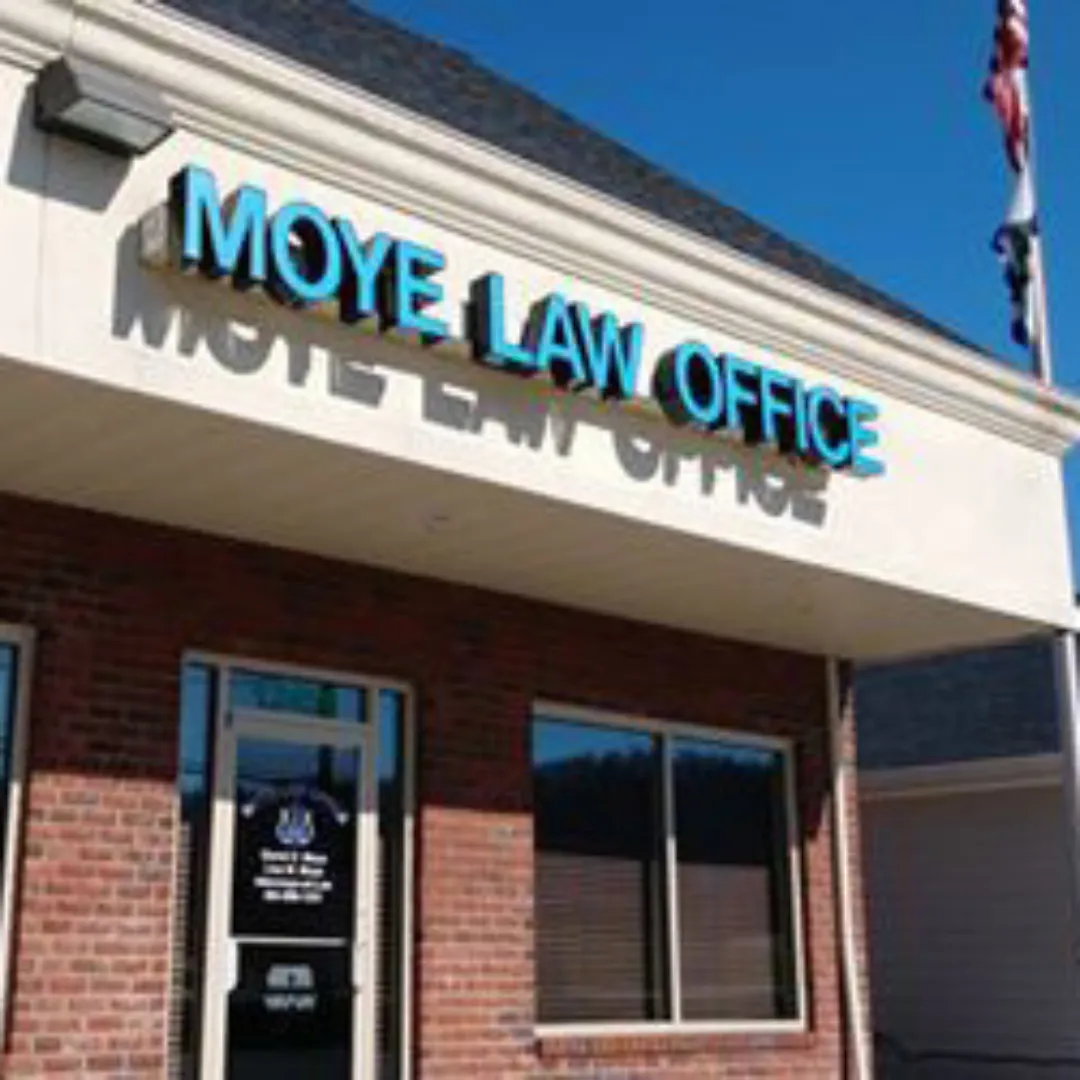
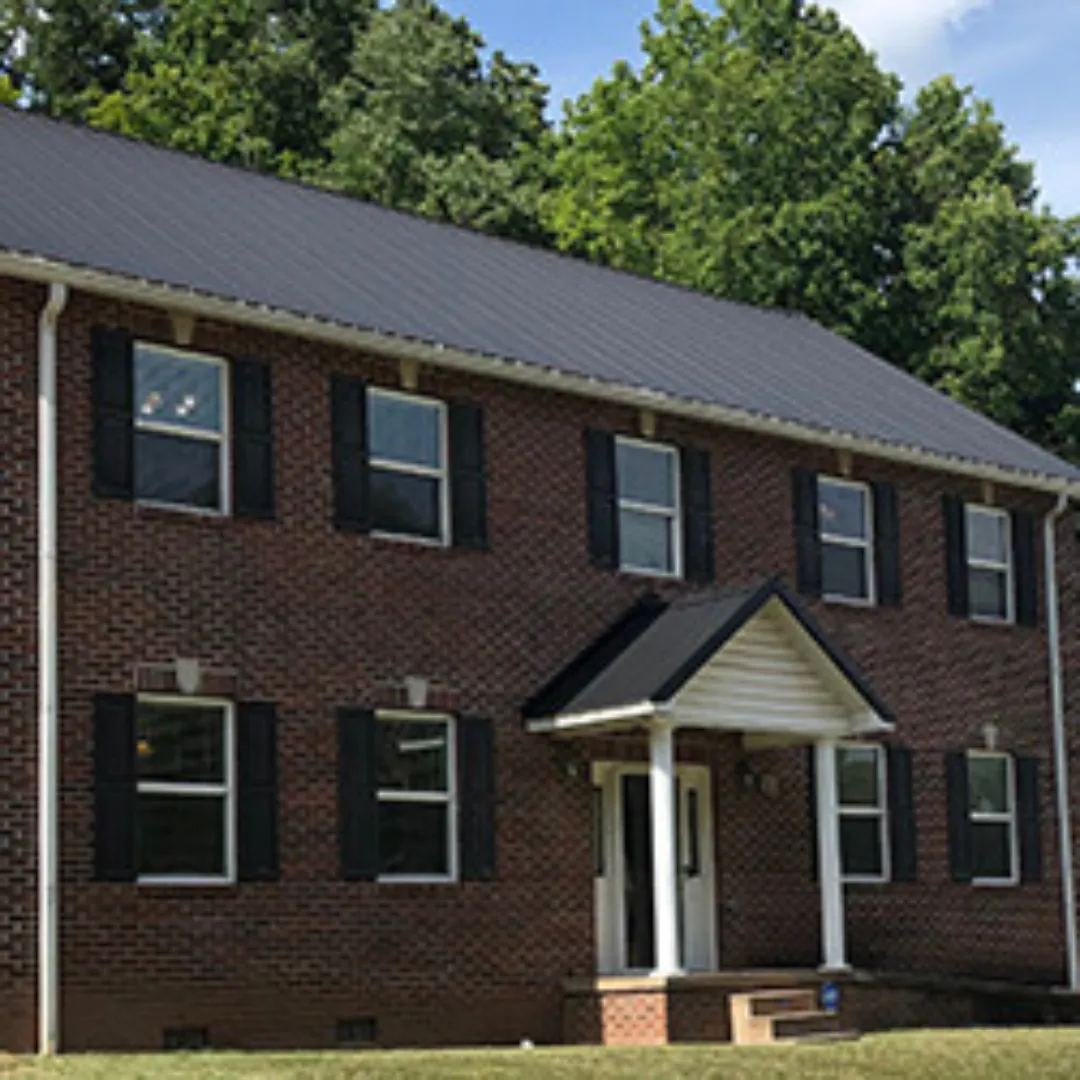
We have two offices in West Virginia: Winfield and Cross Lanes.
CROSS LANES
Secure Your Investment: Verify Property Ownership Today
Why a Title Search Is Essential Before You Buy Property in West Virginia
A title search is a review of public records that confirms who legally owns a parcel and uncovers claims, liens, or restrictions that could affect your ownership. In West Virginia, a proper search will turn up recorded deeds, mortgages, tax liens, easements and probate transfers — all items that shape marketable title and your ability to use or sell the property later. Buyers who skip or rush this step risk surprise bills, ownership disputes, or loss of mineral rights, problems made more likely by differences in county recording practices across the state. This article explains what a title search finds, outlines the West Virginia search process, catalogs common defects and their consequences, compares title insurance options, and describes how targeted legal review and in‑house research protect buyers. Read on for practical steps, county‑specific tips, and guidance on when to involve counsel so you can verify ownership with confidence and avoid surprises at closing.
What Is a Title Search for Property in West Virginia?
A title search in West Virginia is a legal and factual investigation into the chain of ownership and any recorded interests that affect a parcel. The search traces the chain of title through recorded documents, flags encumbrances like liens or easements, and identifies probate or mineral‑rights issues that can cloud ownership. For West Virginia buyers, the chief benefit is clarity: a search lowers the chance of inheriting unknown debts or boundary disputes and gives a factual basis for negotiating cures or buying title insurance. Below we list the core records a thorough West Virginia title search examines so buyers know what to expect.
What Does a Title Search Reveal About West Virginia Property?
A title search uncovers recorded items and historical events that define legal ownership and encumbrances for a West Virginia parcel. Typical results include the recorded deeds and chain of title, active mortgages and satisfactions, tax liens and municipal assessments, recorded judgments and mechanic’s liens, easements and rights‑of‑way, and probate filings showing transfers by inheritance. For example, a search might disclose an unpaid municipal utility lien in Putnam County or a previously undisclosed utility easement that limits use. In one anonymized case, a buyer found an unrecorded probate claim that required a quiet title action before transfer — a reminder that historical depth matters. Knowing what a search reveals helps buyers evaluate remedies and next steps.
Benjamin Harrison Smith and the History of West Virginia Land Titles
Benjamin Harrison Smith played an important role in shaping West Virginia’s approach to land titles. His work, together with the 1862 and 1872 constitutional conventions, influenced how the state addressed waste, delinquent and forfeited land, and the procedures used to quiet title. Quieting title — resolving competing ownership claims so a clear, marketable title remains — grew out of disputes dating back to eighteenth‑century land grants and large land companies. This history helps explain why resolving title clouds can require careful archival work and, sometimes, court action.
How Does a Title Search Protect Property Buyers in WV?
A title search protects buyers by identifying legal obstacles before closing so defects can be remedied, negotiated away, or, if necessary, used as a basis to cancel the transaction. A search confirms the seller’s right to convey and prevents transfers from impostors, unresolved probate estates, or parties with superior claims. It also reveals liens and judgments the buyer could inherit if not addressed. When issues arise, buyers can insist on payoffs, curative deeds, boundary surveys, or title insurance to shift risk. In practice, a thorough search turns uncertainty into negotiation leverage and helps preserve your investment.
What Is the West Virginia Property Title Search Process?
A West Virginia title search starts with precise property identification and moves through county records, abstracting, and legal review to produce a clear title history and recommended remedies. The typical workflow includes obtaining the legal description and plat, searching recorder and clerk indexes in the county where the property sits, reviewing probate and tax records, and compiling a chain of title that extends far enough back to establish marketability. How thorough the search is depends on county record availability, whether records are digitized, and whether an attorney or licensed abstractor performs research; those choices affect both speed and the likelihood of catching hidden issues. Below are the practical steps buyers or their representatives should follow to order and understand a West Virginia title search.
The practical steps buyers or their representatives follow in West Virginia include:
Obtain the legal description and parcel identifiers from the seller or listing.
Search county deed books, mortgage records, and lien indexes where the property is recorded.
Review county tax and judgment records to identify unpaid assessments or liens.
Check probate dockets for inherited transfers or potential undisclosed heirs.
Assemble a chain of title, identify defects, and prepare a title report with recommended cures.
These steps clarify the search workflow and set expectations for turnaround time and decision points. Next we describe the roles county record systems and abstractors play in West Virginia title searches.
How Are County Records and Abstractors Involved in WV Title Searches?
County clerks and recorders in West Virginia custody land records, and their indexes and deed books form the backbone of any title search. Abstractors or title examiners extract and summarize relevant instruments for legal review. Counties vary in how much they have digitized: some offer online indexes and scanned documents, while others still require in‑office research or formal requests. When access is limited, working with local abstractors or attorneys familiar with county practice speeds discovery and reduces the risk of missed records. In‑house legal research can then layer analysis and curative recommendations on top of the abstractor’s work so buyers understand options and next steps.
Introductory table: comparison of common title search types, scope, records location, and typical turnaround expectations to guide buyers and practitioners in choosing the right approach.
Search TypeScope / FocusWhere Records are FoundTypical TurnaroundChain of Title SearchHistorical ownership continuity and deed chainCounty deed books, recorded instruments, plat records5–20 business days (depends on depth)Lien SearchOutstanding mortgages, tax liens, judgments, mechanic’s liensCounty lien indices, tax office, court judgment dockets2–10 business daysProbate Title SearchTransfers by inheritance and potential undisclosed heirsCounty probate dockets, wills, estate files7–30 business days (may require probate estate review)
How Long Does a Title Search Take in West Virginia?
Timelines vary: focused lien checks can take a few days, while deep chain‑of‑title or probate investigations may require several weeks. Searches finish faster in counties with digitized records and straightforward ownership histories; older properties with many transfers, probate entries, or potential mineral‑rights issues generally take longer and sometimes require court research. Common causes of delay include missing links in the documentary chain, ambiguous deed descriptions that require a survey, and unresolved probate matters that lead to quiet title actions. Buyers should schedule searches early in the contract period and allow time for curative work; involving counsel early often speeds negotiation and resolution before closing.
What Are the Common Title Defects in West Virginia and Their Risks?
Common title defects in West Virginia include unpaid property taxes, recorded judgments or mortgages, undisclosed easements or rights‑of‑way, boundary‑description errors, and probate‑related clouds such as transfers by intestacy or unknown heirs. Each defect can affect your ability to use, finance, or resell the property and may lead to financial obligations or litigation if left unaddressed. Understanding these defects lets buyers prioritize remedies — payoffs, curative deeds, surveys, increased owner’s title insurance, or quiet title litigation when necessary.
The EAV table below summarizes typical defects, attributes, and downstream risk or impact to help buyers and advisers triage issues uncovered during a search.
DefectAttributeRisk / ImpactUnpaid property taxesTax lien or assessmentForced payoff at closing, possible tax sale exposureRecorded judgments or mortgagesMonetary encumbranceLender or creditor claims against the propertyUndisclosed easementsUse restriction (utility, access)Loss of use, reduced marketability, access disputesBoundary/description errorsLegal description ambiguitySurvey disputes, neighbor claims, need for corrective deedsProbate/undisclosed heir claimsCloud on title from inheritanceQuiet title litigation, delayed closing, possible loss of title
Which Title Defects Most Often Affect West Virginia Properties?
Frequent defects in West Virginia include unpaid municipal taxes, judgment liens, and probate‑related clouds from informal estate transfers or incomplete administration. Mineral rights issues also arise in some counties where historic severances or vague conveyances create competing claims not obvious in standard deed chains. Metes‑and‑bounds description errors — common with older rural parcels — often trigger boundary disputes that a surveyor must resolve before clear conveyance. Buyers should target searches for tax, judgment, probate and mineral records to expose vulnerabilities early and pursue negotiated cures or insurance protection.
How Can Title Defects Lead to Financial and Legal Problems for Buyers?
Unresolved title defects can force buyers to pay hidden debts, defend against lawsuits, lose access or productive use, or, in extreme cases, lose ownership to superior claims — each outcome carrying direct legal expenses and indirect market consequences. Quiet title and other litigation bring attorney fees, court costs and lengthy uncertainty; even a successful defense can leave owners with heavy costs and delayed resale opportunities. Lenders may decline financing when defects exist, causing contract breaches or forfeited earnest money. Proactive title searches, coupled with curative strategies and appropriate insurance, reduce these risks and make ownership more secure.
Why Is Title Insurance Important in West Virginia Property Transactions?
Title insurance transfers the financial risk of covered, pre‑closing title defects from the owner or lender to an insurer, providing defense and indemnity for covered claims that were unknown at closing. A title search identifies known risks; title insurance protects against many unknown defects the search might miss, covering legal defense costs and indemnity for covered losses. In West Virginia transactions, lenders commonly require a lender’s policy; purchasing an owner’s policy protects your equity. Which policy to buy depends on your risk tolerance and transaction costs.
The table below compares owner’s and lender’s policies so buyers can decide which coverage best matches their goals and exposure.
Policy TypeWho It ProtectsTypical Coverage / LimitationsOwner’s Title InsuranceProperty buyer / ownerProtects the owner’s equity and pays for defense of covered claims; does not cover post‑closing defects created laterLender’s Title InsuranceMortgage lenderProtects the lender’s security interest up to the loan amount; does not protect owner’s equitySimultaneous PoliciesBoth owner and lenderCommon to obtain both so each party’s interest is covered; owner’s policy is optional but recommended
For buyers who want professional help obtaining and understanding title insurance, MOYE Law Office provides guidance and can coordinate title review and insurance placement. MOYE Law Office performs in‑house title research and legal review to identify which policy types and exceptions matter for your transaction. An early consultation clarifies coverage choices and next steps; if you buy an owner’s policy, early legal involvement helps minimize exceptions and pursue curative actions before closing so the policy delivers maximum value.
What Are the Differences Between Owner’s and Lender’s Title Insurance Policies?
Owner’s and lender’s policies differ in beneficiary and scope: the lender’s policy protects the mortgage lender’s interest up to the loan balance, while the owner’s policy protects the buyer’s equity and pays for defense of covered historic defects. Lenders typically require the lender’s policy; it protects only the lender and expires when the loan is paid. An owner’s policy requires a one‑time premium at closing and remains in effect while the owner or heirs hold an interest in the property, offering broader protection. Because of this, many practitioners advise purchasers to buy an owner’s policy to protect invested capital and cover defense costs for covered claims.
How Does Title Insurance Protect Against Past Title Defects in WV?
Title insurance covers certain pre‑existing defects that escaped detection during the search by paying for legal defense and indemnity when covered claims arise — for example, forged deeds, undisclosed heirs, or misindexed documents. In West Virginia, claim scenarios often involve unknown probate claims, forged signatures in old deeds, or recording errors that surface after purchase. When a covered claim arises, the insurer typically funds defense and any indemnity up to policy limits. Standard exceptions and endorsements limit coverage, so carefully reviewing the preliminary title report and addressing curative tasks or negotiating endorsements before closing preserves expectations and maximizes protection.
How Does MOYE Law Office Support Secure Property Purchases with Title Searches in West Virginia?
MOYE Law Office helps buyers secure West Virginia property purchases through in‑house title research, legal review of title reports, and tailored strategies to cure defects or obtain insurance protections that preserve ownership and financing options. The firm combines practical title examination, coordination with abstractors and insurers, preparation of closing documents, and representation in quiet title or other curative matters when necessary. Clients benefit from a team approach: technical searching identifies issues; legal analysis recommends remedies; and closing representation ensures documents and endorsements line up with negotiated protections. For buyers seeking experienced counsel, MOYE Law Office explains options, prepares necessary documentation, and coordinates with insurers and surveyors to bring transactions to safe closings.
What Legal Services Does MOYE Law Office Provide for WV Title Searches?
MOYE Law Office offers legal services that support title searches and secure closings, including title examination and risk assessment, negotiation and resolution of defects with sellers or lienholders, preparation and review of closing documents, and litigation support for quiet title or other corrective actions. The firm conducts in‑house title research when appropriate, compiles clear reports summarizing risks and recommended cures, and works with title insurers and local abstractors to streamline document assembly. Expect practical guidance on payoffs, corrective deeds, endorsements, or litigation and realistic timelines so closings proceed with minimized risk. Engaging counsel early reduces surprises and preserves negotiating leverage.
How Does Attorney Lisa M. Moye’s Expertise Benefit West Virginia Property Buyers?
Attorney Lisa M. Moye’s local experience and community roles offer practical advantages to buyers. She specializes in Real Estate Law and Wills & Estates, serves in local bar leadership, and teaches at BridgeValley Community and Technical College — all of which sustain county‑level familiarity that helps resolve recording quirks and probate‑related title issues. Those connections mean clients receive tailored advice grounded in local practice, efficient coordination with county offices and abstractors, and clear explanations of complex remedies. Working with counsel who understands county nuance helps buyers navigate West Virginia‑specific title challenges with confidence.
Frequently Asked Questions
What are the potential consequences of skipping a title search?
Skipping a title search can expose buyers to substantial financial and legal risk. Without a search, you may inherit unpaid taxes, liens, or judgments that must be paid at closing. Undisclosed easements or boundary disputes can limit use and reduce marketability. In the worst cases, undisclosed heirs or superior claimants can trigger litigation or even threaten ownership. Conducting a title search is the primary way to avoid these outcomes and ensure a lawful transfer.
How can buyers identify common title defects before purchasing?
Buyers can identify common defects by running a preliminary title check: review online deed indexes where available, check county tax records for unpaid assessments, and scan probate dockets for estate activity. Compare the legal description to visible boundaries and plats for obvious discrepancies. For reliable, thorough results, engage a professional title examiner or attorney who can uncover less obvious issues and recommend remedies before closing.
What steps should buyers take if they discover title defects?
If a defect appears, document it and consult a real estate attorney or title professional right away. Remedies may include negotiating seller payoffs, requiring corrective deeds, obtaining endorsements to a title policy, ordering a survey, or, in serious cases, pursuing quiet title litigation. Your attorney will recommend the most efficient curative path based on the defect’s nature and the transaction timeline.
What role does title insurance play in protecting buyers?
Title insurance protects buyers by covering financial loss and defense costs arising from covered defects that were unknown at closing. An owner’s policy secures your equity and pays for legal defense of covered claims; a lender’s policy protects the lender’s collateral. Because title searches can miss hidden risks, many buyers purchase an owner’s policy for long‑term peace of mind.
How can buyers ensure a smooth title search process?
Start early: gather the legal description and parcel identifiers as soon as the property is under contract. Hire a qualified title examiner or attorney to navigate county records and identify issues. Stay proactive in communication with your counsel, respond quickly to document requests, and allow time for curative tasks. Early legal involvement is the best way to avoid last‑minute surprises.
What should buyers know about the differences between owner’s and lender’s title insurance?
Owner’s title insurance protects the buyer’s equity and remains in force while the owner or their heirs hold an interest in the property. Lender’s title insurance protects only the lender’s loan balance and ends when the mortgage is paid. Because the owner’s policy covers your investment, many experts recommend purchasing it even when the lender requires its own policy.
Why Is a Title Search Non-Negotiable Before Buying Property in WV?
A title search is essential because it reveals liens, easements, probate clouds, and other encumbrances that can impose costs or impair ownership. Lenders and insurers rely on clear title to fund loans and issue policies, and skipping a search leaves buyers exposed to inherited debts, lawsuits from undisclosed heirs, or restrictive use limitations. The search establishes whether the seller can lawfully convey marketable title and whether curative steps are needed before closing. For these reasons, order a comprehensive title search early in the contract period and consult counsel if defects appear to avoid costly post‑closing disputes.
Can Buyers Conduct Their Own Title Search in West Virginia?
Buyers can perform preliminary DIY checks — for example, reviewing online deed indexes, tax records, and visible plat data — but DIY searches have limits and commonly miss probate claims, misindexed documents, or matters that require legal interpretation. Basic DIY steps include confirming the legal description, checking county recorder indexes for recent instruments, reviewing tax office records for unpaid assessments, and scanning probate dockets for estate filings. When you encounter ambiguities, conflicting documents, or potential undisclosed heirs, escalate to an attorney or licensed abstractor who can run deeper archival research, interpret complex deed language, and recommend curative measures. When in doubt, early legal help preserves options and reduces later litigation risk.
For personalized help with title review, curative strategy, or closing representation, prospective clients may consult MOYE Law Office for an initial discussion about a specific transaction. Highlighting Attorney J. Scott Moye’s experience and community ties can help establish trust; when a buyer wants comprehensive support, MOYE Law Office’s in‑house title research and legal review streamline the process and protect transactions against known and unknown title risks.
Moye Law Offices
We have two offices in West Virginia:
Winfield and Cross Lanes.
CROSS LANES
We Are Here To Help
Do you have a query or problem that you would like to talk about, or are you curious to hear more about how we can help you?
Get in touch today! We look forward to hearing from you.
Assistance Hours
Monday – Friday: 8:30am – 4:30pm
Saturday: By appointment only
Sunday: CLOSED
Subscribe to our Newsletter
We Are Here To Help
Do you have a query or problem that you would like to talk about, or are you curious to hear more about how we can help you?
Get in touch today! We look forward to hearing from you.
Assistance Hours
Monday – Friday 8:30am – 4:30pm
Saturday: By appointment only
Sunday CLOSED