
Blog

Blog

Title Search in West Virginia: What It Is and Why It Matters Before You Buy
Title Search in West Virginia — What It Is and Why It Matters Before You Buy
If you’re buying property in West Virginia, understanding a title search will help you avoid surprises at closing. According to the American Land Title Association (ALTA), over 90% of real estate transactions in the U.S. involve a title search to ensure clear ownership. A title search reviews public records to confirm legal ownership and flag claims, liens, or other encumbrances that could affect your purchase. Below we explain the process, why it matters to buyers and lenders, and county considerations to watch for before you close. For legal guidance throughout this process, consider consulting with experienced attorneys at Moye Law Office.
What Is the Property Title Search Process in West Virginia?
A title search means reviewing public records to verify legal ownership and spot anything that could cloud the title. That includes deeds, mortgages, tax records, and related legal filings. The National Association of Realtors reports that title issues are among the top reasons real estate transactions fail, highlighting the importance of thorough searches. Finding problems early helps you avoid surprises and confirm you’re buying clear ownership. For more information on legal services related to real estate, visit the practice areas page at Moye Law Office.
How Does a Title Search Uncover Liens and Encumbrances?
Searches uncover liens and encumbrances by checking the recorded public history of the property. Common liens include mortgage liens, tax liens, and mechanic’s liens. According to the U.S. Department of Housing and Urban Development, unresolved liens can delay or derail property sales, making early detection critical. Public records provide an ownership timeline and recorded claims. Buyers frequently use title contingencies in purchase agreements to protect against unexpected debts or claims.
What Are the Steps to Conduct a Title Search in WV?

A typical title search in West Virginia follows a few clear steps:
Initial research: Collect the property’s legal description and current owner information.
Document examination: Search deeds, mortgages, tax records, and other public filings to identify any claims or encumbrances.
Final report: Summarize findings in a concise report that flags issues needing attention.
These steps give buyers a clear picture of the property's legal standing before committing to a purchase. If you need assistance with these steps, contact Moye Law Office for expert help.
Why Is a Title Search Important Before Buying Property in West Virginia?
A title search protects buyers and lenders by revealing defects that could lead to disputes or financial loss. The American Bar Association notes that title defects cause millions in losses annually nationwide. Confirming a clear title reduces the risk of surprises after closing and clarifies legal exposure.
How Does a Title Search Protect Buyers and Lenders?
By uncovering existing claims or defects, a title search lets you address problems before they become your responsibility. Searches can reveal undisclosed heirs, forged documents, or unrecorded liens. Tackling these issues early helps you make informed decisions and protect your investment. For legal advice on these matters, see the about us page to learn more about the team at Moye Law Office.
What Are Common Title Defects in West Virginia?
Some title defects that commonly appear in West Virginia searches include:
Undisclosed heirs: Relatives of prior owners who weren’t identified, which can create ownership disputes.
Forged documents: False signatures or altered paperwork that cloud the chain of title.
Unrecorded liens: Claims not properly recorded that can become the new owner’s liability.
Knowing these risks helps you require clear title or buy insurance to protect your purchase.
How Does Title Insurance Differ from a Title Search in West Virginia?
A title search identifies problems; title insurance protects you financially if a covered problem appears later. Even a careful search can miss issues, so insurance serves as a financial backstop against losses tied to title defects. According to ALTA, title insurance claims have saved homeowners and lenders billions of dollars nationwide since its inception.
What Coverage Does Title Insurance Provide?

Financial loss coverage: Reimburses you for losses from covered title defects.
Legal defense: Pays legal fees to defend against covered claims.
Long-term protection: Coverage typically lasts as long as you or your heirs hold an interest in the property.
For many buyers, title insurance provides peace of mind that a missed issue won’t become a costly problem down the road.
When Should Buyers Consider Title Insurance in WV?
Consider title insurance when:
There are questions about the property’s past: If the history looks complicated, insurance adds protection.
You want legal-cost protection: Insurance covers defense costs if someone challenges the title.
You want to avoid common pitfalls: If a title search turns up risks, insurance reduces exposure.
What Are the West Virginia Title Search Requirements and County-Specific Considerations?
Counties in West Virginia keep records differently, so title searches can vary by location. Knowing local practices helps ensure a complete search and fewer surprises. The West Virginia State Auditor’s Office emphasizes that understanding county-specific record-keeping is essential for accurate title verification.
How Do Title Search Procedures Vary in Cabell, Kanawha, Lincoln, Mason, and Putnam Counties?
Procedures differ based on how records are stored and what local offices require. For example:
CountyTitle Search ProcedureKey ConsiderationsCabellExamination of local property recordsLocal tax records can affect the title statusKanawhaDetailed review of historical deedsOlder claims and records may complicate ownershipLincolnVerification of liens and encumbrancesCounty rules can influence documentation needsMasonEmphasis on searching public recordsWatch for undisclosed claims in older recordsPutnamFocus on legal descriptions and ownership historyVariations in local law may affect results
Understanding these county differences helps you or your title professional run a more thorough search.
What Legal Protections Exist for Buyers and Lenders in WV Counties?
Buyers and lenders commonly rely on several protections:
Title insurance: Financial protection against undiscovered defects.
Real estate attorneys: Lawyers can resolve complex title issues and advise on remedies. For expert legal assistance, visit Moye Law Office.
Contract clauses: Specific protections in purchase agreements can reserve remedies if title problems arise.
These measures reduce risk and keep transactions secure.
Frequently Asked Questions
What is the average cost of a title search in West Virginia?
Costs vary with the property's history and county, but a title search typically runs between $200 and $500. That usually covers record searches and a written title report. Request quotes from several title companies to compare price and scope. For more FAQs on real estate and legal topics, see the Moye Law Office FAQs.
How long does a title search take in West Virginia?
Turnaround ranges from a few days to several weeks. Straightforward properties with clear records are faster; transactions involving multiple owners, liens, or disputes take longer. Build this timeline into your closing plan to avoid delays.
Can I conduct a title search myself in West Virginia?
Yes—county clerks’ offices and some online resources let you access records yourself. But reading and interpreting records takes experience. For accuracy and protection, many buyers hire a title company or a real estate attorney to handle the search. Learn more about legal support at Moye Law Office, which also handles other legal areas such as divorce and family law.
What happens if a title defect is discovered after purchase?
If a defect appears after closing, outcomes depend on the defect and whether you bought title insurance. With insurance, you can file a claim for covered losses and defense costs. Without it, you may face legal action or be responsible for resolving the issue out of pocket.
Are there specific title search requirements for commercial properties in West Virginia?
Yes—commercial title searches are often more complex. They can include zoning checks, environmental liens, business-related claims, and other commercial liens. Work with title professionals and attorneys experienced in commercial real estate to cover relevant issues.
What role do real estate agents play in the title search process?
Agents guide the process by recommending reputable title companies, gathering documents, and including title contingencies in purchase agreements. They help you understand search results and coordinate with attorneys or title professionals to resolve issues before closing.

Moye Law Offices
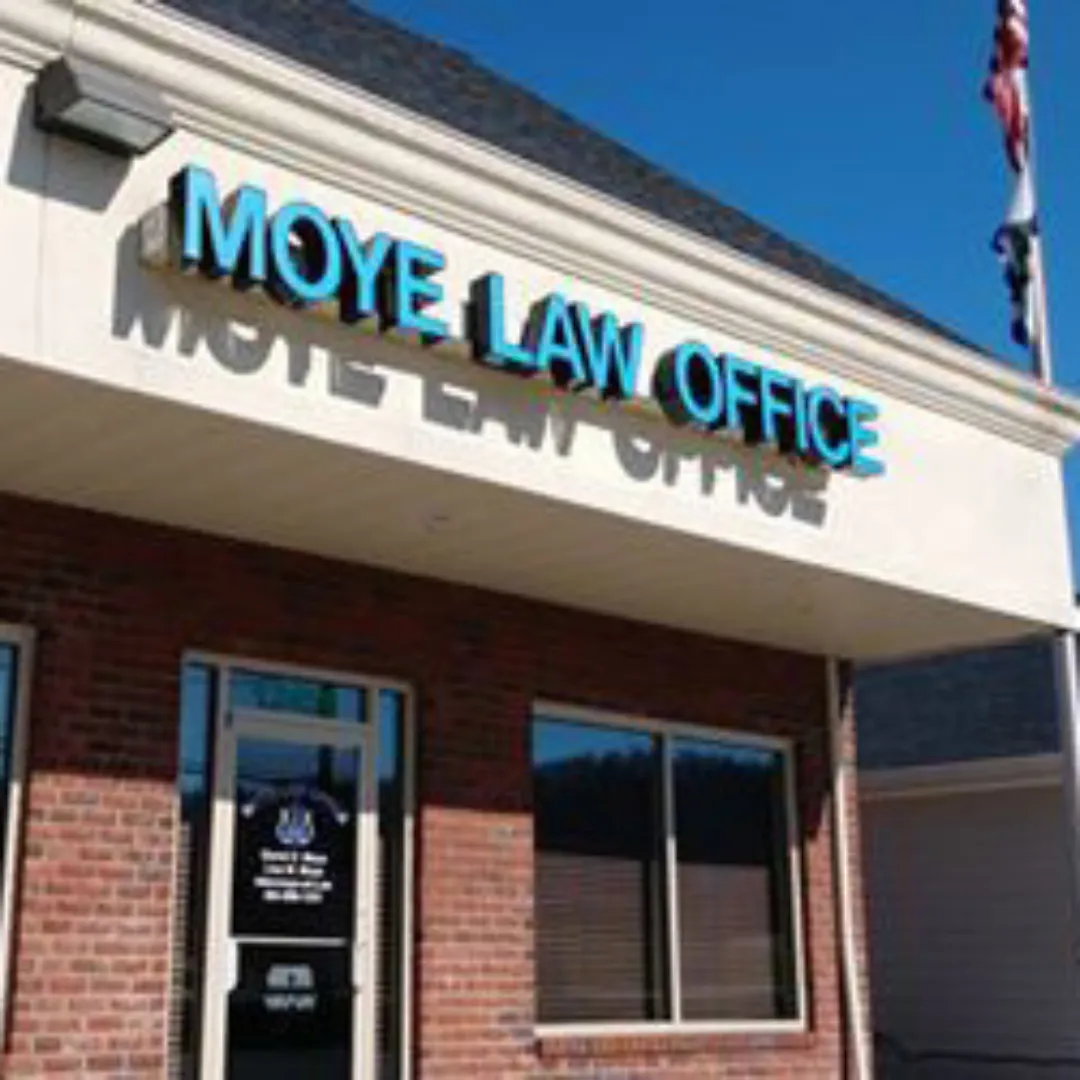
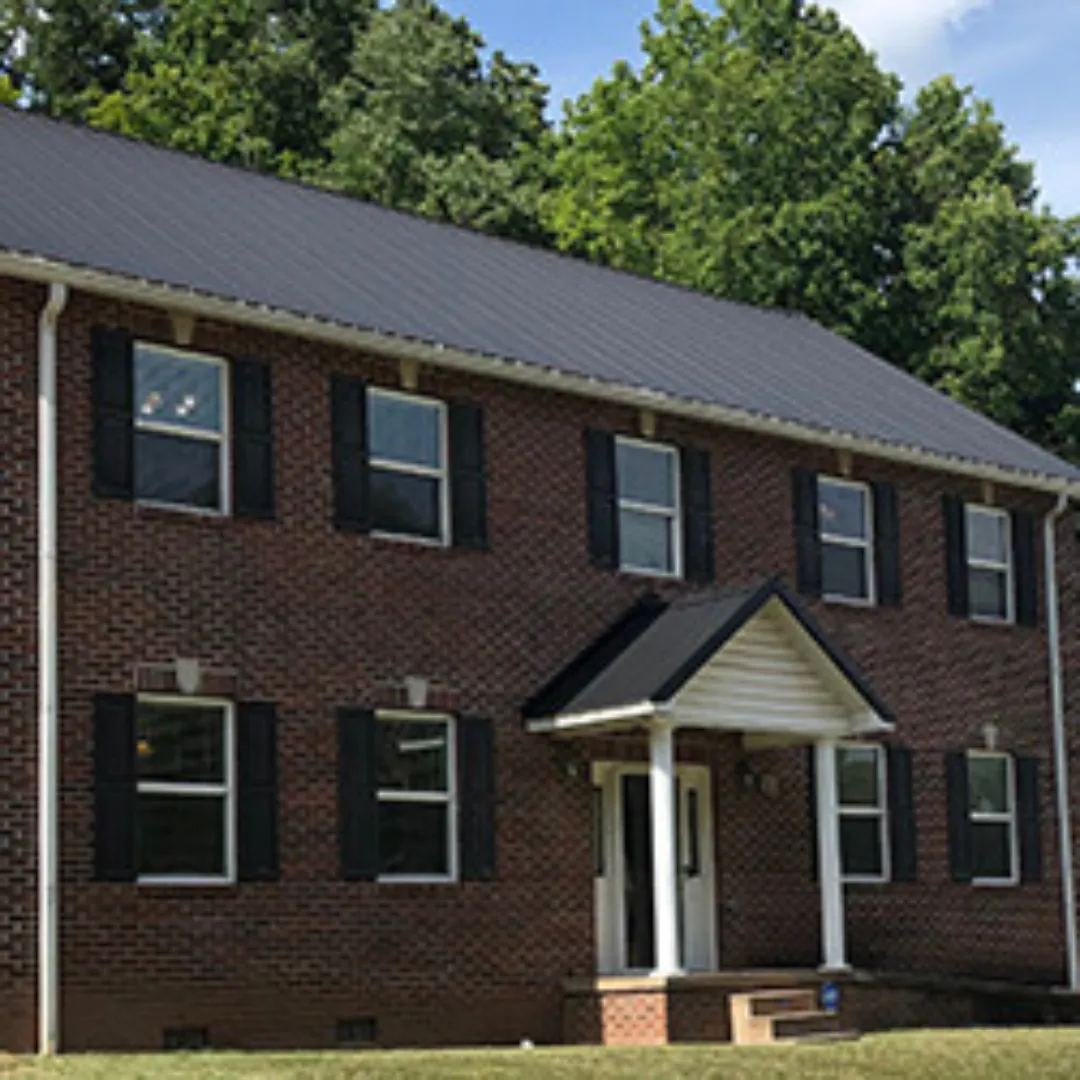
We have two offices in West Virginia: Winfield and Cross Lanes.
CROSS LANES
Title Search in West Virginia: What It Is and Why It Matters Before You Buy
Title Search in West Virginia — What It Is and Why It Matters Before You Buy
If you’re buying property in West Virginia, understanding a title search will help you avoid surprises at closing. According to the American Land Title Association (ALTA), over 90% of real estate transactions in the U.S. involve a title search to ensure clear ownership. A title search reviews public records to confirm legal ownership and flag claims, liens, or other encumbrances that could affect your purchase. Below we explain the process, why it matters to buyers and lenders, and county considerations to watch for before you close. For legal guidance throughout this process, consider consulting with experienced attorneys at Moye Law Office.
What Is the Property Title Search Process in West Virginia?
A title search means reviewing public records to verify legal ownership and spot anything that could cloud the title. That includes deeds, mortgages, tax records, and related legal filings. The National Association of Realtors reports that title issues are among the top reasons real estate transactions fail, highlighting the importance of thorough searches. Finding problems early helps you avoid surprises and confirm you’re buying clear ownership. For more information on legal services related to real estate, visit the practice areas page at Moye Law Office.
How Does a Title Search Uncover Liens and Encumbrances?
Searches uncover liens and encumbrances by checking the recorded public history of the property. Common liens include mortgage liens, tax liens, and mechanic’s liens. According to the U.S. Department of Housing and Urban Development, unresolved liens can delay or derail property sales, making early detection critical. Public records provide an ownership timeline and recorded claims. Buyers frequently use title contingencies in purchase agreements to protect against unexpected debts or claims.
What Are the Steps to Conduct a Title Search in WV?
A typical title search in West Virginia follows a few clear steps:
Initial research: Collect the property’s legal description and current owner information.
Document examination: Search deeds, mortgages, tax records, and other public filings to identify any claims or encumbrances.
Final report: Summarize findings in a concise report that flags issues needing attention.
These steps give buyers a clear picture of the property's legal standing before committing to a purchase. If you need assistance with these steps, contact Moye Law Office for expert help.
Why Is a Title Search Important Before Buying Property in West Virginia?
A title search protects buyers and lenders by revealing defects that could lead to disputes or financial loss. The American Bar Association notes that title defects cause millions in losses annually nationwide. Confirming a clear title reduces the risk of surprises after closing and clarifies legal exposure.
How Does a Title Search Protect Buyers and Lenders?
By uncovering existing claims or defects, a title search lets you address problems before they become your responsibility. Searches can reveal undisclosed heirs, forged documents, or unrecorded liens. Tackling these issues early helps you make informed decisions and protect your investment. For legal advice on these matters, see the about us page to learn more about the team at Moye Law Office.
What Are Common Title Defects in West Virginia?
Some title defects that commonly appear in West Virginia searches include:
Undisclosed heirs: Relatives of prior owners who weren’t identified, which can create ownership disputes.
Forged documents: False signatures or altered paperwork that cloud the chain of title.
Unrecorded liens: Claims not properly recorded that can become the new owner’s liability.
Knowing these risks helps you require clear title or buy insurance to protect your purchase.
How Does Title Insurance Differ from a Title Search in West Virginia?
A title search identifies problems; title insurance protects you financially if a covered problem appears later. Even a careful search can miss issues, so insurance serves as a financial backstop against losses tied to title defects. According to ALTA, title insurance claims have saved homeowners and lenders billions of dollars nationwide since its inception.
What Coverage Does Title Insurance Provide?
Financial loss coverage: Reimburses you for losses from covered title defects.
Legal defense: Pays legal fees to defend against covered claims.
Long-term protection: Coverage typically lasts as long as you or your heirs hold an interest in the property.
For many buyers, title insurance provides peace of mind that a missed issue won’t become a costly problem down the road.
When Should Buyers Consider Title Insurance in WV?
Consider title insurance when:
There are questions about the property’s past: If the history looks complicated, insurance adds protection.
You want legal-cost protection: Insurance covers defense costs if someone challenges the title.
You want to avoid common pitfalls: If a title search turns up risks, insurance reduces exposure.
What Are the West Virginia Title Search Requirements and County-Specific Considerations?
Counties in West Virginia keep records differently, so title searches can vary by location. Knowing local practices helps ensure a complete search and fewer surprises. The West Virginia State Auditor’s Office emphasizes that understanding county-specific record-keeping is essential for accurate title verification.
How Do Title Search Procedures Vary in Cabell, Kanawha, Lincoln, Mason, and Putnam Counties?
Procedures differ based on how records are stored and what local offices require. For example:
CountyTitle Search ProcedureKey ConsiderationsCabellExamination of local property recordsLocal tax records can affect the title statusKanawhaDetailed review of historical deedsOlder claims and records may complicate ownershipLincolnVerification of liens and encumbrancesCounty rules can influence documentation needsMasonEmphasis on searching public recordsWatch for undisclosed claims in older recordsPutnamFocus on legal descriptions and ownership historyVariations in local law may affect results
Understanding these county differences helps you or your title professional run a more thorough search.
What Legal Protections Exist for Buyers and Lenders in WV Counties?
Buyers and lenders commonly rely on several protections:
Title insurance: Financial protection against undiscovered defects.
Real estate attorneys: Lawyers can resolve complex title issues and advise on remedies. For expert legal assistance, visit Moye Law Office.
Contract clauses: Specific protections in purchase agreements can reserve remedies if title problems arise.
These measures reduce risk and keep transactions secure.
Frequently Asked Questions
What is the average cost of a title search in West Virginia?
Costs vary with the property's history and county, but a title search typically runs between $200 and $500. That usually covers record searches and a written title report. Request quotes from several title companies to compare price and scope. For more FAQs on real estate and legal topics, see the Moye Law Office FAQs.
How long does a title search take in West Virginia?
Turnaround ranges from a few days to several weeks. Straightforward properties with clear records are faster; transactions involving multiple owners, liens, or disputes take longer. Build this timeline into your closing plan to avoid delays.
Can I conduct a title search myself in West Virginia?
Yes—county clerks’ offices and some online resources let you access records yourself. But reading and interpreting records takes experience. For accuracy and protection, many buyers hire a title company or a real estate attorney to handle the search. Learn more about legal support at Moye Law Office, which also handles other legal areas such as divorce and family law.
What happens if a title defect is discovered after purchase?
If a defect appears after closing, outcomes depend on the defect and whether you bought title insurance. With insurance, you can file a claim for covered losses and defense costs. Without it, you may face legal action or be responsible for resolving the issue out of pocket.
Are there specific title search requirements for commercial properties in West Virginia?
Yes—commercial title searches are often more complex. They can include zoning checks, environmental liens, business-related claims, and other commercial liens. Work with title professionals and attorneys experienced in commercial real estate to cover relevant issues.
What role do real estate agents play in the title search process?
Agents guide the process by recommending reputable title companies, gathering documents, and including title contingencies in purchase agreements. They help you understand search results and coordinate with attorneys or title professionals to resolve issues before closing.
Moye Law Offices
We have two offices in West Virginia:
Winfield and Cross Lanes.
CROSS LANES
We Are Here To Help
Do you have a query or problem that you would like to talk about, or are you curious to hear more about how we can help you?
Get in touch today! We look forward to hearing from you.
Assistance Hours
Monday – Friday: 8:30am – 4:30pm
Saturday: By appointment only
Sunday: CLOSED
Subscribe to our Newsletter
We Are Here To Help
Do you have a query or problem that you would like to talk about, or are you curious to hear more about how we can help you?
Get in touch today! We look forward to hearing from you.
Assistance Hours
Monday – Friday 8:30am – 4:30pm
Saturday: By appointment only
Sunday CLOSED