
Blog

Blog

Unlock Your Dream: Buying Land in West Virginia Made Easy
Buying Land or Investment Property in West Virginia: Legal Steps to Take Before You Close
\Before you close on property in West Virginia, do the work that protects your investment: complete thorough due diligence, read contract language closely, and treat title insurance as essential protection. Check zoning and environmental constraints early, and don’t rush a closing until every condition is satisfied. Working with experienced local counsel helps you spot issues and avoid costly disputes.
What Are the Key Title Risks for Land Buyers in West Virginia?

The most common title risks for land buyers in West Virginia are:
Undisclosed Heirs: Family members with inheritance claims who never went through probate and can cloud title.
Forged Documents: Signatures or deeds that were falsified, which can undo ownership rights.
Unrecorded Liens: Financial claims or judgments that didn’t make it into public records but still attach to the land.
Chain-of-Title Ambiguities: Gaps or inconsistencies in past transfers that leave ownership unclear.
Environmental Issues: Contamination, wetlands, or other liabilities that affect use and value.
Zoning Issues: Local rules that limit how the land can be used or developed.
These risks underscore why a careful title review and appropriate title insurance are critical before you buy.
How Do Undisclosed Liens and Encumbrances Affect WV Property Buyers?
Undisclosed liens and other encumbrances can saddle a buyer with unexpected costs or legal claims after closing. Title insurance protects against many of these hidden problems, and a qualified real estate lawyer will flag encumbrances during due diligence so you can resolve them before you complete the purchase. Without that review and coverage, your investment—and your pocketbook—can be at risk.
What Are Common Fraud and Forgery Issues in WV Property Titles?
Fraud and forgery in West Virginia titles often show up as conflicting records, forged or altered documents, undisclosed heirs, or suspicious entries in the chain of title. These red flags call for targeted document requests, supplemental inspections, or escrow protections. Working with a qualified real estate lawyer and using title insurance are practical steps to reduce the chances of damage from hidden claims.
Heirs’ property can create title clouds and highly fractional ownership—issues that often carry significant risk for buyers.
Heirs' Property: Understanding Title Clouds & Fractionalized Ownership
Heirs’ property is land passed informally across generations without formal probate. Each generation can add more owners as tenants‑in‑common, sometimes including people who aren’t aware of their heirship. That process clouds title and fragments ownership, which complicates clear transfer of rights.
Heirs' Property in Virginia: Filling in the Gaps, 2023
How Do Zoning Regulations Impact Land Investment in West Virginia?

Zoning rules determine what you can build or how you can use land. Overlooking zoning or permit requirements can derail projects and add unexpected costs. Run zoning checks and verify permits early in your due diligence, and ask a local real estate attorney to interpret how ordinances affect your plans.
What Are the Main Zoning Ordinances and Land Use Restrictions in WV?
Local zoning ordinances set allowed uses—residential, commercial, agricultural—and may include setbacks, density limits, or special-use requirements. Learn the applicable codes for the property you’re buying so your intended use is lawful and feasible.
How Do Permitting and Development Rules Affect Property Use in WV?
Permitting and development rules can require approvals, inspections, or engineering work before you can build or change a property. A real estate lawyer will check permits and flag regulatory issues during due diligence so you don’t inherit compliance problems after closing.
Why Is Due Diligence Crucial for Real Estate Investors in West Virginia?
Due diligence uncovers zoning conflicts, title defects, environmental liabilities, and permit gaps before you buy. A targeted review—led by experienced local counsel—lets you negotiate remedies, seek credits or escrows, or walk away when exposures exceed acceptable limits. That proactive approach protects your capital and shortens the path to a clean closing.
What Steps Are Involved in Conducting Due Diligence for WV Land Purchases?
Title Search: Review the title history to find liens, easements, or ownership gaps.
Zoning Verification: Confirm the property’s permitted uses under local codes.
Environmental Assessments: Identify contamination, flood risk, or other environmental liabilities.
Permit Verification: Check that required permits and approvals are in place for your intended use.
Those steps help you spot problems early and choose the right legal or contractual response.
How Do Mineral Rights and Easements Influence Property Ownership in WV?
Mineral rights may allow others to extract resources beneath the surface, affecting your use of the land. Easements can give third parties access or utility rights across the property. Clarify these rights during due diligence so there are no surprises about use or value later.
What Role Does Title Insurance Play in Protecting WV Property Buyers?
Title insurance protects buyers and lenders from financial loss tied to covered title defects discovered after closing—things like undisclosed heirs, forged documents, or unrecorded liens. Unlike most insurance, it covers past recorded problems and can provide a defense and recovery for covered claims. For long‑term protection of your investment, discuss owner’s and loan policies with your attorney and title company.
Title Insurance TypeCoverageKey FeaturesOwner's PolicyProtects the buyer's interestCovers past title issues, including undisclosed heirs and liensLoan PolicyProtects the lender's interestEnsures the lender's investment is secure against title defects
What Are the Differences Between Loan Policy and Owner's Policy in WV?
The difference is simple: an owner’s policy protects you, the buyer; a loan policy protects the lender. Both work together to cover different interests in the same transaction, so consider both when closing.
Is Title Insurance Mandatory in West Virginia and Why Is It Recommended?
Title insurance is not required by law in West Virginia, but it’s widely recommended because it protects against hidden defects that can surface after closing. For many buyers the cost of title insurance is small compared to the potential financial exposure from a title claim.
How Can a West Virginia Real Estate Attorney Assist You Before Closing?
A West Virginia real estate attorney will run zoning checks, verify permits, conduct title review, draft clear contract language, and negotiate terms that protect your interests. Attorneys also coordinate with title companies, surveyors, and lenders so the closing proceeds smoothly and any last‑minute issues are resolved before funds change hands. To learn more about the specific services we offer, please visit our practice areas page.
What Expertise Does Moye Law Office Offer in WV Real Estate Transactions?
Moye Law Office brings local knowledge of Winfield and Cross Lanes, focused title research, and practical contract drafting designed to prevent loss. We explain findings in plain language, coordinate with title companies and surveyors, and pursue remedies that protect client equity—turning potential disputes into negotiated solutions where possible.
How Does In-House Title Research Mitigate Risks for WV Land Buyers?
In‑house title research spots hidden encumbrances, conflicting records, and chain‑of‑title issues before closing. That early work lets counsel seek endorsements, escrow protections, or negotiated cures that preserve closing value and reduce the chance of post‑closing litigation.
What Are Common Legal Challenges and Disputes in West Virginia Land Investments?
Common challenges include incomplete due diligence, overlooked zoning or environmental issues, unclear contract terms, and title defects discovered after closing. Many disputes arise from hidden liens, heirs’ claims, or missing permits. Experienced counsel helps you anticipate these problems and choose the right contractual or title remedies.
How Are Boundary Disputes and Easement Issues Resolved in WV?
Boundary and easement disputes are often resolved through negotiation or mediation, but may require surveyors and, occasionally, litigation. Legal counsel helps document rights, negotiate solutions, and, when needed, pursue or defend claims in court to protect property interests.
What Should Investors Know About Environmental and Building Permit Violations?
Ignoring environmental concerns or permit violations can create significant liability and delay development. Proper environmental due diligence and permit verification during the purchase process are essential to manage liability and avoid costly remediation or enforcement actions later.
Environmental due diligence is a critical step in managing liability risk on commercial and agricultural properties.
Environmental Due Diligence in Commercial Real Estate
Industry and finance groups helped develop accepted practices for environmental due diligence so buyers and lenders can identify liability risks and manage remedial obligations before closing.
Environmental Due Diligence: A Guide to Liability Risk Management in Commercial Real Estate Transactions, 1993
Flood risk and other site‑specific environmental factors can materially reduce land value and limit suitable uses such as farming.
West Virginia Land Investment: Flood Risk & Value
Parcels in higher flood‑risk areas are generally less suitable for agricultural uses and may carry lower market value or require mitigation measures.
The Impacts of Energy Development on Agricultural Land Values in North-Central West Virginia, 2018
Frequently Asked Questions
What Are the Benefits of Hiring a Real Estate Attorney in West Virginia?
A real estate attorney guides you through complex legal steps, ensures compliance with local rules, and protects your interests at every stage of the transaction. We perform targeted due diligence, draft clear contract protections, negotiate remedies, and coordinate closing logistics so you can avoid surprises and costly disputes.
How Can Environmental Assessments Impact Land Purchases in West Virginia?
Environmental assessments reveal contamination, flood risk, or habitat restrictions that affect use, cost, and financing. The results can lead to negotiating price adjustments, escrowed remediation funds, or even walking away when liability is too great. A lawyer helps interpret assessment findings and translate them into contractual protections.
What Should Buyers Know About Heirs' Property in West Virginia?
Heirs’ property often means multiple undisclosed owners and a clouded title. Buyers should require a thorough title search, consider title endorsements, and work with counsel to address potential claims before closing. Understanding the ownership history is key to avoiding later disputes.
What Are the Consequences of Ignoring Zoning Regulations When Buying Land?
Failing to check zoning can force you to stop a planned use, incur fines, or spend money to gain variances or permits. Always verify permitted uses and development requirements so you don’t inherit regulatory barriers that make your project unviable.
How Do Property Easements Affect Land Use in West Virginia?
Easements grant others specified rights—like access or utilities—that can limit where you build and how you use the land. Identify existing easements in the title search and assess their practical impact on development and value.
What Are the Risks of Not Conducting a Title Search Before Closing?
Skipping a title search can leave you exposed to undisclosed liens, heirs’ claims, or ownership gaps that create legal and financial headaches after closing. A complete title search, combined with appropriate title insurance, is essential to protect your ownership and investment.

Moye Law Offices
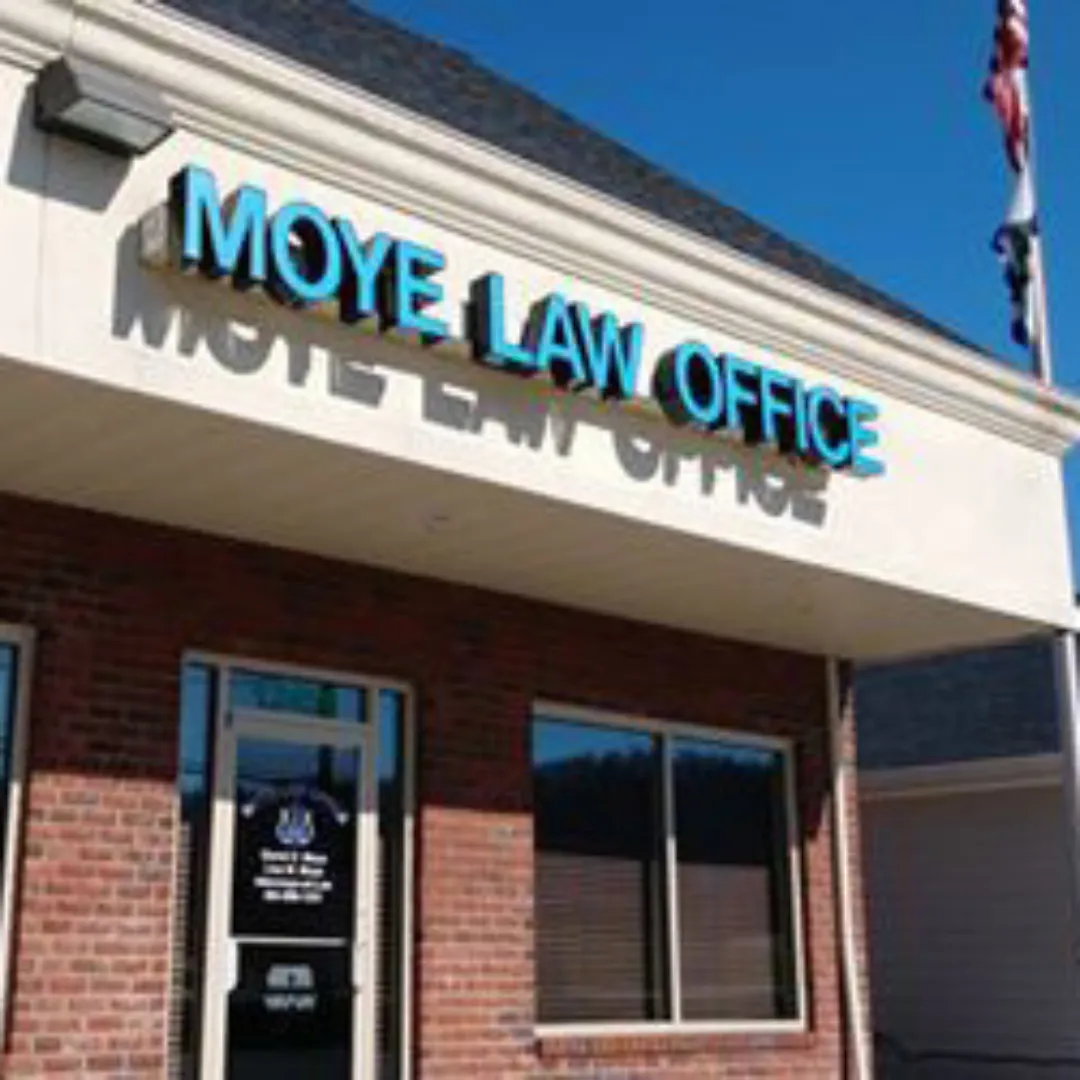
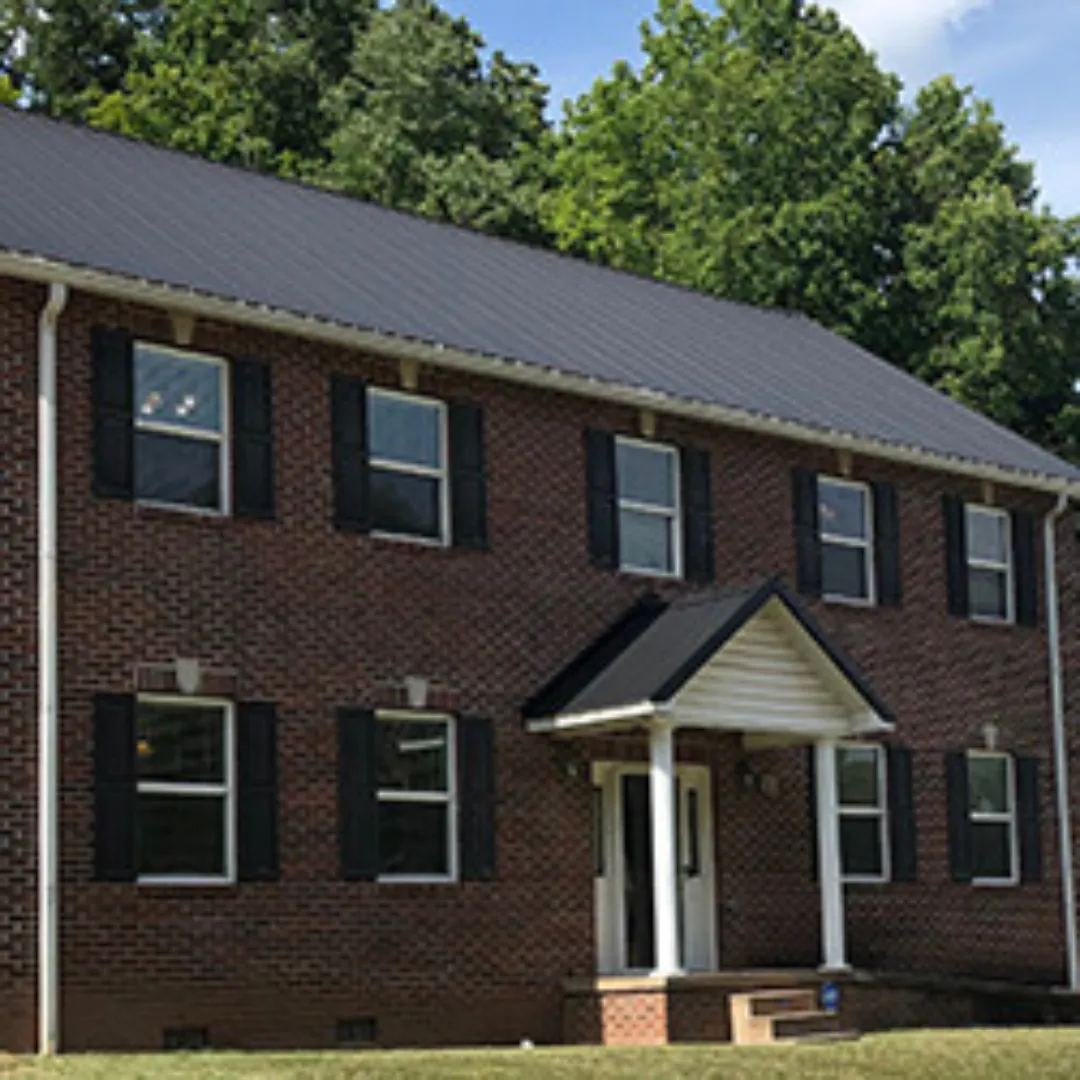
We have two offices in West Virginia: Winfield and Cross Lanes.
CROSS LANES
Unlock Your Dream: Buying Land in West Virginia Made Easy
Buying Land or Investment Property in West Virginia: Legal Steps to Take Before You Close
\Before you close on property in West Virginia, do the work that protects your investment: complete thorough due diligence, read contract language closely, and treat title insurance as essential protection. Check zoning and environmental constraints early, and don’t rush a closing until every condition is satisfied. Working with experienced local counsel helps you spot issues and avoid costly disputes.
What Are the Key Title Risks for Land Buyers in West Virginia?
The most common title risks for land buyers in West Virginia are:
Undisclosed Heirs: Family members with inheritance claims who never went through probate and can cloud title.
Forged Documents: Signatures or deeds that were falsified, which can undo ownership rights.
Unrecorded Liens: Financial claims or judgments that didn’t make it into public records but still attach to the land.
Chain-of-Title Ambiguities: Gaps or inconsistencies in past transfers that leave ownership unclear.
Environmental Issues: Contamination, wetlands, or other liabilities that affect use and value.
Zoning Issues: Local rules that limit how the land can be used or developed.
These risks underscore why a careful title review and appropriate title insurance are critical before you buy.
How Do Undisclosed Liens and Encumbrances Affect WV Property Buyers?
Undisclosed liens and other encumbrances can saddle a buyer with unexpected costs or legal claims after closing. Title insurance protects against many of these hidden problems, and a qualified real estate lawyer will flag encumbrances during due diligence so you can resolve them before you complete the purchase. Without that review and coverage, your investment—and your pocketbook—can be at risk.
What Are Common Fraud and Forgery Issues in WV Property Titles?
Fraud and forgery in West Virginia titles often show up as conflicting records, forged or altered documents, undisclosed heirs, or suspicious entries in the chain of title. These red flags call for targeted document requests, supplemental inspections, or escrow protections. Working with a qualified real estate lawyer and using title insurance are practical steps to reduce the chances of damage from hidden claims.
Heirs’ property can create title clouds and highly fractional ownership—issues that often carry significant risk for buyers.
Heirs' Property: Understanding Title Clouds & Fractionalized Ownership
Heirs’ property is land passed informally across generations without formal probate. Each generation can add more owners as tenants‑in‑common, sometimes including people who aren’t aware of their heirship. That process clouds title and fragments ownership, which complicates clear transfer of rights.
Heirs' Property in Virginia: Filling in the Gaps, 2023
How Do Zoning Regulations Impact Land Investment in West Virginia?
Zoning rules determine what you can build or how you can use land. Overlooking zoning or permit requirements can derail projects and add unexpected costs. Run zoning checks and verify permits early in your due diligence, and ask a local real estate attorney to interpret how ordinances affect your plans.
What Are the Main Zoning Ordinances and Land Use Restrictions in WV?
Local zoning ordinances set allowed uses—residential, commercial, agricultural—and may include setbacks, density limits, or special-use requirements. Learn the applicable codes for the property you’re buying so your intended use is lawful and feasible.
How Do Permitting and Development Rules Affect Property Use in WV?
Permitting and development rules can require approvals, inspections, or engineering work before you can build or change a property. A real estate lawyer will check permits and flag regulatory issues during due diligence so you don’t inherit compliance problems after closing.
Why Is Due Diligence Crucial for Real Estate Investors in West Virginia?
Due diligence uncovers zoning conflicts, title defects, environmental liabilities, and permit gaps before you buy. A targeted review—led by experienced local counsel—lets you negotiate remedies, seek credits or escrows, or walk away when exposures exceed acceptable limits. That proactive approach protects your capital and shortens the path to a clean closing.
What Steps Are Involved in Conducting Due Diligence for WV Land Purchases?
Title Search: Review the title history to find liens, easements, or ownership gaps.
Zoning Verification: Confirm the property’s permitted uses under local codes.
Environmental Assessments: Identify contamination, flood risk, or other environmental liabilities.
Permit Verification: Check that required permits and approvals are in place for your intended use.
Those steps help you spot problems early and choose the right legal or contractual response.
How Do Mineral Rights and Easements Influence Property Ownership in WV?
Mineral rights may allow others to extract resources beneath the surface, affecting your use of the land. Easements can give third parties access or utility rights across the property. Clarify these rights during due diligence so there are no surprises about use or value later.
What Role Does Title Insurance Play in Protecting WV Property Buyers?
Title insurance protects buyers and lenders from financial loss tied to covered title defects discovered after closing—things like undisclosed heirs, forged documents, or unrecorded liens. Unlike most insurance, it covers past recorded problems and can provide a defense and recovery for covered claims. For long‑term protection of your investment, discuss owner’s and loan policies with your attorney and title company.
Title Insurance TypeCoverageKey FeaturesOwner's PolicyProtects the buyer's interestCovers past title issues, including undisclosed heirs and liensLoan PolicyProtects the lender's interestEnsures the lender's investment is secure against title defects
What Are the Differences Between Loan Policy and Owner's Policy in WV?
The difference is simple: an owner’s policy protects you, the buyer; a loan policy protects the lender. Both work together to cover different interests in the same transaction, so consider both when closing.
Is Title Insurance Mandatory in West Virginia and Why Is It Recommended?
Title insurance is not required by law in West Virginia, but it’s widely recommended because it protects against hidden defects that can surface after closing. For many buyers the cost of title insurance is small compared to the potential financial exposure from a title claim.
How Can a West Virginia Real Estate Attorney Assist You Before Closing?
A West Virginia real estate attorney will run zoning checks, verify permits, conduct title review, draft clear contract language, and negotiate terms that protect your interests. Attorneys also coordinate with title companies, surveyors, and lenders so the closing proceeds smoothly and any last‑minute issues are resolved before funds change hands. To learn more about the specific services we offer, please visit our practice areas page.
What Expertise Does Moye Law Office Offer in WV Real Estate Transactions?
Moye Law Office brings local knowledge of Winfield and Cross Lanes, focused title research, and practical contract drafting designed to prevent loss. We explain findings in plain language, coordinate with title companies and surveyors, and pursue remedies that protect client equity—turning potential disputes into negotiated solutions where possible.
How Does In-House Title Research Mitigate Risks for WV Land Buyers?
In‑house title research spots hidden encumbrances, conflicting records, and chain‑of‑title issues before closing. That early work lets counsel seek endorsements, escrow protections, or negotiated cures that preserve closing value and reduce the chance of post‑closing litigation.
What Are Common Legal Challenges and Disputes in West Virginia Land Investments?
Common challenges include incomplete due diligence, overlooked zoning or environmental issues, unclear contract terms, and title defects discovered after closing. Many disputes arise from hidden liens, heirs’ claims, or missing permits. Experienced counsel helps you anticipate these problems and choose the right contractual or title remedies.
How Are Boundary Disputes and Easement Issues Resolved in WV?
Boundary and easement disputes are often resolved through negotiation or mediation, but may require surveyors and, occasionally, litigation. Legal counsel helps document rights, negotiate solutions, and, when needed, pursue or defend claims in court to protect property interests.
What Should Investors Know About Environmental and Building Permit Violations?
Ignoring environmental concerns or permit violations can create significant liability and delay development. Proper environmental due diligence and permit verification during the purchase process are essential to manage liability and avoid costly remediation or enforcement actions later.
Environmental due diligence is a critical step in managing liability risk on commercial and agricultural properties.
Environmental Due Diligence in Commercial Real Estate
Industry and finance groups helped develop accepted practices for environmental due diligence so buyers and lenders can identify liability risks and manage remedial obligations before closing.
Environmental Due Diligence: A Guide to Liability Risk Management in Commercial Real Estate Transactions, 1993
Flood risk and other site‑specific environmental factors can materially reduce land value and limit suitable uses such as farming.
West Virginia Land Investment: Flood Risk & Value
Parcels in higher flood‑risk areas are generally less suitable for agricultural uses and may carry lower market value or require mitigation measures.
The Impacts of Energy Development on Agricultural Land Values in North-Central West Virginia, 2018
Frequently Asked Questions
What Are the Benefits of Hiring a Real Estate Attorney in West Virginia?
A real estate attorney guides you through complex legal steps, ensures compliance with local rules, and protects your interests at every stage of the transaction. We perform targeted due diligence, draft clear contract protections, negotiate remedies, and coordinate closing logistics so you can avoid surprises and costly disputes.
How Can Environmental Assessments Impact Land Purchases in West Virginia?
Environmental assessments reveal contamination, flood risk, or habitat restrictions that affect use, cost, and financing. The results can lead to negotiating price adjustments, escrowed remediation funds, or even walking away when liability is too great. A lawyer helps interpret assessment findings and translate them into contractual protections.
What Should Buyers Know About Heirs' Property in West Virginia?
Heirs’ property often means multiple undisclosed owners and a clouded title. Buyers should require a thorough title search, consider title endorsements, and work with counsel to address potential claims before closing. Understanding the ownership history is key to avoiding later disputes.
What Are the Consequences of Ignoring Zoning Regulations When Buying Land?
Failing to check zoning can force you to stop a planned use, incur fines, or spend money to gain variances or permits. Always verify permitted uses and development requirements so you don’t inherit regulatory barriers that make your project unviable.
How Do Property Easements Affect Land Use in West Virginia?
Easements grant others specified rights—like access or utilities—that can limit where you build and how you use the land. Identify existing easements in the title search and assess their practical impact on development and value.
What Are the Risks of Not Conducting a Title Search Before Closing?
Skipping a title search can leave you exposed to undisclosed liens, heirs’ claims, or ownership gaps that create legal and financial headaches after closing. A complete title search, combined with appropriate title insurance, is essential to protect your ownership and investment.
Moye Law Offices
We have two offices in West Virginia:
Winfield and Cross Lanes.
CROSS LANES
We Are Here To Help
Do you have a query or problem that you would like to talk about, or are you curious to hear more about how we can help you?
Get in touch today! We look forward to hearing from you.
Assistance Hours
Monday – Friday: 8:30am – 4:30pm
Saturday: By appointment only
Sunday: CLOSED
Subscribe to our Newsletter
We Are Here To Help
Do you have a query or problem that you would like to talk about, or are you curious to hear more about how we can help you?
Get in touch today! We look forward to hearing from you.
Assistance Hours
Monday – Friday 8:30am – 4:30pm
Saturday: By appointment only
Sunday CLOSED