
Blog

Blog
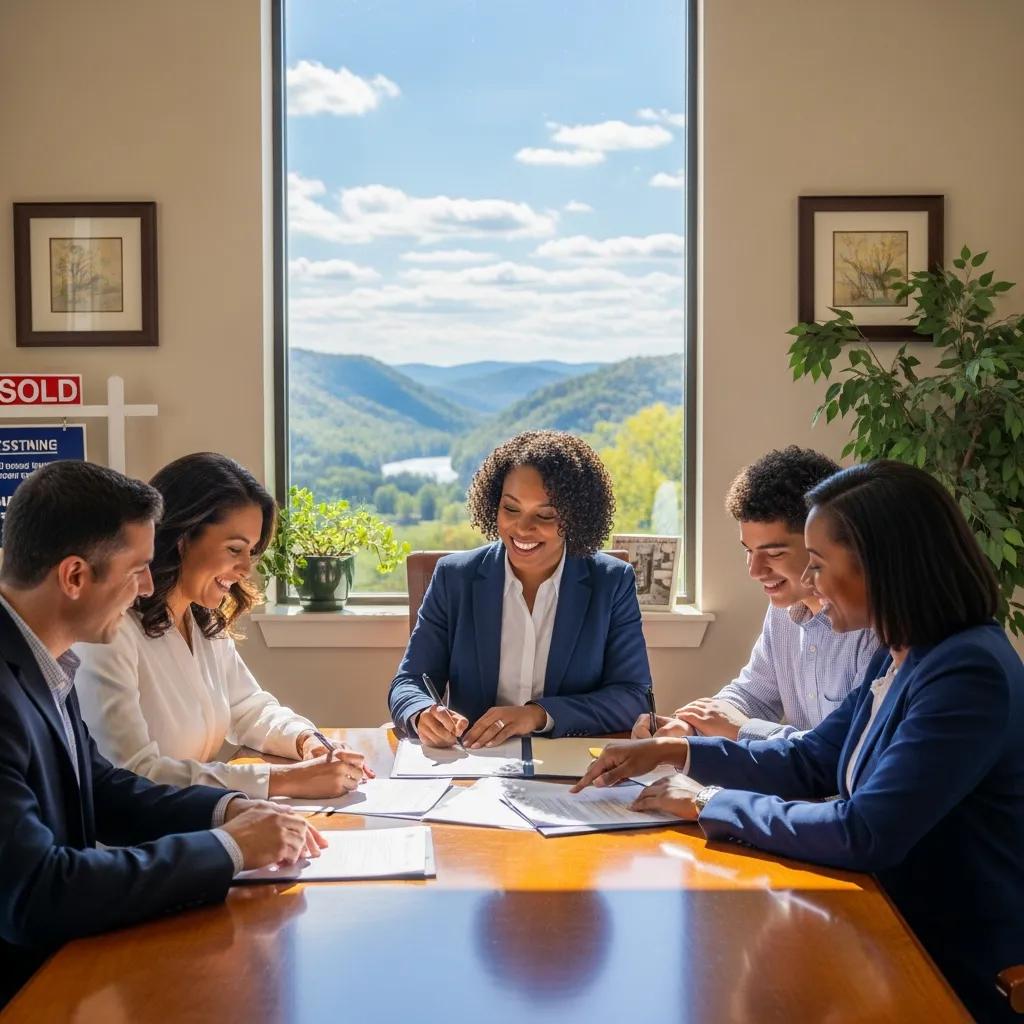
Your Guide to Real Estate Closings: West Virginia Edition
Real Estate Closings in West Virginia: What to Expect From Start to Finish — with a West Virginia Closing Attorney at Your Side
Closing on a home in West Virginia often involves more paperwork and rules than most buyers and sellers expect. This guide walks you through each step so you know what to expect, which documents matter, and how a closing attorney can protect your interests. With a little preparation and the right support, you can move through closing confidently and without surprises.
What Are the Key Steps in the West Virginia Real Estate Closing Process?
A typical West Virginia closing follows a clear sequence: an offer is accepted, a purchase agreement is signed, and then a title search and due diligence begin. The title search confirms ownership and reveals liens or other issues that need resolving. Once those items are addressed, the closing attorney prepares the deed, settlement statement, and other closing documents so the transaction can be completed and funds disbursed.
How Does the West Virginia Title Search Process Work?

A title search in West Virginia is usually handled by a real estate lawyer or title company. That work includes verifying ownership records, checking for liens or easements, and running zoning and permit checks where needed. If the search turns up defects—undisclosed heirs, liens, or recording issues—the attorney negotiates solutions or recommends title insurance to protect the buyer and lender. The attorney also drafts or reviews contract language to ensure it meets local legal requirements and oversees the closing so the paperwork is accurate and complete.
It helps to know the statutory background that shapes title searches in West Virginia, because historical recording rules influence modern practice and the remedies available when issues arise.
West Virginia Title Search & Recording Act Limits
The issues described are governed by West Virginia recording statutes. Where questions about title remain unresolved, the safest remedy is often a quiet title action to clear ownership doubts. Limits of Title Search Under the West Virginia Recording Act, 1954
What Is the Role of a West Virginia Real Estate Closing Attorney?
A West Virginia closing attorney makes sure the transaction follows the law and that documents are accurate. We prepare and review the deed and settlement statements, coordinate with lenders and title companies, manage escrow instructions, oversee disbursement of funds, and handle last‑minute problems so the closing can go forward without costly mistakes. Working with a qualified attorney from the start reduces stress and protects your rights during the transfer. Discover more about our expertise and client-focused approach.
What Documents Are Required for Real Estate Closings in West Virginia?
Several core documents are standard at closing. Together they create the legal record of the sale, allocate costs, and protect both buyer and seller.
Which Real Estate Closing Documents Are Common in West Virginia?
Common documents you’ll see at closing include:
Purchase Agreement: The written contract that sets the sale price, closing date, contingencies, and other essential terms.
Title Commitment or Title Report: A record of the property’s ownership history and any liens, encumbrances, or exceptions that must be addressed before closing.
Closing Disclosure: The lender’s final disclosure showing loan terms, monthly payments, and a detailed list of closing costs you’ll pay at settlement.
How Should Buyers Review and Prepare Closing Documents?
Buyers should review closing documents with a qualified real estate lawyer who can explain obligations, verify title issues are resolved, and confirm the settlement figures. Don’t rush signatures—make sure inspections, contingencies, and financing conditions are satisfied before closing. Clear communication and careful review help avoid common pitfalls and protect your investment.
How Does the Real Estate Escrow Process Work in West Virginia?
Escrow provides a neutral place to hold funds and documents until all closing conditions are met. An escrow agent or attorney follows written instructions to make sure money and paperwork are only released when everyone has fulfilled their obligations.
What Is the Purpose of Escrow in West Virginia Real Estate Transactions?
Escrow ensures that funds and documents change hands safely and only after all contractual conditions are satisfied. This reduces disputes and gives buyers, sellers, and lenders confidence that the transaction will complete fairly and securely.
How Are Funds and Documents Managed During Escrow?
During escrow, the escrow agent or closing attorney verifies the closing documents, holds buyer funds, receives payoff information for existing mortgages, and follows the escrow instructions to disburse funds at closing. If title defects or other issues appear, proactive counsel can negotiate protections or resolve problems before funds are released, helping avoid litigation down the road.
What Are the Typical Closing Costs for Buyers in West Virginia?

Closing costs vary by property price, loan type, and local practice. Understanding the common fees helps you budget and prevents surprises on closing day.
Which Fees and Expenses Should Buyers Expect at Closing?
Common buyer costs include:
Loan Origination Fees: Lender charges for processing the loan application and underwriting.
Title Insurance: A one‑time policy that protects against covered title defects discovered after closing.
Escrow Fees: Charges for the escrow company or attorney handling the closing and disbursement of funds.
How Can Buyers Estimate and Prepare for WV Closing Costs?
To estimate closing costs, consider the purchase price, loan type, and local fees. Ask your lender for a Loan Estimate early in the process—this gives a close projection of costs. A real estate attorney can also review the estimate, point out likely additional charges, and advise on costs that may be negotiable. (Note: The Good Faith Estimate (GFE) was replaced by the Loan Estimate in 2015 under the TILA‑RESPA Integrated Disclosure rule.)
How Can Buyers and Sellers Prepare for a Smooth Closing in West Virginia?
Preparation and proactive communication reduce delays. Follow these practical steps to keep your closing on track:
Conduct Thorough Due Diligence: Complete inspections, zoning checks, and any required environmental or permitting reviews early.
Engage a Real Estate Lawyer: An experienced attorney will draft or review contracts, flag legal issues, and guide you through local practices.
Review and Understand Contract Language: Read the contract carefully and ask questions about unclear terms.
Utilize Title Insurance: Obtain title insurance to protect against covered defects discovered after closing.
Confirm All Conditions Are Satisfied Before Closing: Verify that contingencies, repairs, and lender requirements are met before signing.
Contact Moye Law Office early: Keep in touch with your attorney and other parties so issues can be resolved quickly.
What Are Best Practices for Communication with Your WV Closing Attorney?
Be Clear and Direct: Ask concise questions and state your priorities so your attorney can respond effectively.
Stay Informed: Request regular updates and timelines so you know what to expect next.
Document Everything: Keep copies of emails, contracts, and receipts related to the transaction.
How to Avoid Common Delays and Issues During Closing?
Start due diligence early to uncover problems before they disrupt closing.
Read contract language carefully to prevent misunderstandings about responsibilities or deadlines.
Purchase title insurance to reduce the financial risk from undisclosed defects.
Verify all lender and seller conditions are met before scheduling the closing date.
Work with experienced legal counsel to handle disputes or complex title matters promptly—see our FAQs for common scenarios.
Although this guide focuses on real estate, our firm handles a range of legal matters. If you need help in other areas, we can explain your options and next steps. For a comprehensive overview of our services and philosophy, please visit the Moye Law Office homepage. Explore our full range of practice areas.
If you or someone you know needs assistance with criminal defense, our team provides experienced representation and clear guidance.
Document TypeDescriptionImportancePurchase AgreementThe written contract that sets price, contingencies, and closing termsEssential — it creates the buyer’s and seller’s obligationsTitle ReportA record of ownership, liens, and recorded exceptionsCritical — identifies issues that must be cleared before closingClosing DisclosureThe lender’s final statement of loan terms and closing costsImportant — ensures transparency about what you’ll pay
This table highlights the key documents you’ll see at closing and why each one matters.
Fee TypeDescriptionEstimated CostLoan Origination FeeFee charged by the lender for loan processingVaries by lender; commonly 0.5%–1% of the loan amountTitle InsuranceOne‑time policy that protects against covered title defectsTypically 0.5%–1% of the purchase priceEscrow FeePaid to the escrow company or attorney for handling closingVaries by transaction and local practice
Knowing these typical costs ahead of time helps buyers plan their cash‑to‑close and avoid last‑minute surprises.
Frequently Asked Questions
What Should I Do If Issues Arise During the Closing Process?
If problems come up during closing, contact your real estate attorney right away. Your lawyer can evaluate the issue, propose practical solutions—such as negotiating repairs, clearing title defects, or adjusting settlement terms—and communicate with the other parties to keep closing on track. Quick, clear communication and a contingency plan will help resolve issues without delaying settlement.
How Long Does the Closing Process Typically Take in West Virginia?
Most transactions close within 30 to 60 days after an offer is accepted. That timeline depends on the loan process, inspections, title work, and how quickly buyers, sellers, and lenders respond to requests. Staying organized and addressing contingencies early can speed the process.
Can I Attend the Closing in Person?
Yes. Attending in person lets you review and sign documents, ask questions, and get immediate answers from your attorney. If you can’t attend, remote signings or a power of attorney are often acceptable—discuss options with your closing attorney ahead of time to arrange the best approach.
What Happens After Closing Is Complete?
After closing, the attorney or escrow agent records the deed and other necessary documents with the county clerk. You’ll receive copies of the signed paperwork for your records. If you have a mortgage, the lender begins servicing the loan and you’ll start payments according to your loan terms. Review your title insurance policy and closing documents to confirm everything is recorded correctly.
What Are the Consequences of Not Having a Real Estate Attorney?
Skipping legal representation can leave you exposed to document errors, improperly handled title issues, or missed disclosures—any of which can result in financial loss or legal disputes. An attorney helps prevent mistakes, protects your interests, and provides solutions when problems arise. For most buyers and sellers, having counsel is a prudent safeguard.
How Can I Ensure My Closing Costs Are Accurate?
Request a Loan Estimate from your lender early and review the Closing Disclosure before the scheduled closing date. Compare the two documents and ask your attorney or lender to explain any discrepancies. A real estate attorney can also check the settlement statement for accuracy and confirm that charges match prior estimates.

Moye Law Offices
We have two offices in West Virginia: Winfield and Cross Lanes.
CROSS LANES
Your Guide to Real Estate Closings: West Virginia Edition
Real Estate Closings in West Virginia: What to Expect From Start to Finish — with a West Virginia Closing Attorney at Your Side
Closing on a home in West Virginia often involves more paperwork and rules than most buyers and sellers expect. This guide walks you through each step so you know what to expect, which documents matter, and how a closing attorney can protect your interests. With a little preparation and the right support, you can move through closing confidently and without surprises.
What Are the Key Steps in the West Virginia Real Estate Closing Process?
A typical West Virginia closing follows a clear sequence: an offer is accepted, a purchase agreement is signed, and then a title search and due diligence begin. The title search confirms ownership and reveals liens or other issues that need resolving. Once those items are addressed, the closing attorney prepares the deed, settlement statement, and other closing documents so the transaction can be completed and funds disbursed.
How Does the West Virginia Title Search Process Work?
A title search in West Virginia is usually handled by a real estate lawyer or title company. That work includes verifying ownership records, checking for liens or easements, and running zoning and permit checks where needed. If the search turns up defects—undisclosed heirs, liens, or recording issues—the attorney negotiates solutions or recommends title insurance to protect the buyer and lender. The attorney also drafts or reviews contract language to ensure it meets local legal requirements and oversees the closing so the paperwork is accurate and complete.
It helps to know the statutory background that shapes title searches in West Virginia, because historical recording rules influence modern practice and the remedies available when issues arise.
West Virginia Title Search & Recording Act Limits
The issues described are governed by West Virginia recording statutes. Where questions about title remain unresolved, the safest remedy is often a quiet title action to clear ownership doubts. Limits of Title Search Under the West Virginia Recording Act, 1954
What Is the Role of a West Virginia Real Estate Closing Attorney?
A West Virginia closing attorney makes sure the transaction follows the law and that documents are accurate. We prepare and review the deed and settlement statements, coordinate with lenders and title companies, manage escrow instructions, oversee disbursement of funds, and handle last‑minute problems so the closing can go forward without costly mistakes. Working with a qualified attorney from the start reduces stress and protects your rights during the transfer. Discover more about our expertise and client-focused approach.
What Documents Are Required for Real Estate Closings in West Virginia?
Several core documents are standard at closing. Together they create the legal record of the sale, allocate costs, and protect both buyer and seller.
Which Real Estate Closing Documents Are Common in West Virginia?
Common documents you’ll see at closing include:
Purchase Agreement: The written contract that sets the sale price, closing date, contingencies, and other essential terms.
Title Commitment or Title Report: A record of the property’s ownership history and any liens, encumbrances, or exceptions that must be addressed before closing.
Closing Disclosure: The lender’s final disclosure showing loan terms, monthly payments, and a detailed list of closing costs you’ll pay at settlement.
How Should Buyers Review and Prepare Closing Documents?
Buyers should review closing documents with a qualified real estate lawyer who can explain obligations, verify title issues are resolved, and confirm the settlement figures. Don’t rush signatures—make sure inspections, contingencies, and financing conditions are satisfied before closing. Clear communication and careful review help avoid common pitfalls and protect your investment.
How Does the Real Estate Escrow Process Work in West Virginia?
Escrow provides a neutral place to hold funds and documents until all closing conditions are met. An escrow agent or attorney follows written instructions to make sure money and paperwork are only released when everyone has fulfilled their obligations.
What Is the Purpose of Escrow in West Virginia Real Estate Transactions?
Escrow ensures that funds and documents change hands safely and only after all contractual conditions are satisfied. This reduces disputes and gives buyers, sellers, and lenders confidence that the transaction will complete fairly and securely.
How Are Funds and Documents Managed During Escrow?
During escrow, the escrow agent or closing attorney verifies the closing documents, holds buyer funds, receives payoff information for existing mortgages, and follows the escrow instructions to disburse funds at closing. If title defects or other issues appear, proactive counsel can negotiate protections or resolve problems before funds are released, helping avoid litigation down the road.
What Are the Typical Closing Costs for Buyers in West Virginia?
Closing costs vary by property price, loan type, and local practice. Understanding the common fees helps you budget and prevents surprises on closing day.
Which Fees and Expenses Should Buyers Expect at Closing?
Common buyer costs include:
Loan Origination Fees: Lender charges for processing the loan application and underwriting.
Title Insurance: A one‑time policy that protects against covered title defects discovered after closing.
Escrow Fees: Charges for the escrow company or attorney handling the closing and disbursement of funds.
How Can Buyers Estimate and Prepare for WV Closing Costs?
To estimate closing costs, consider the purchase price, loan type, and local fees. Ask your lender for a Loan Estimate early in the process—this gives a close projection of costs. A real estate attorney can also review the estimate, point out likely additional charges, and advise on costs that may be negotiable. (Note: The Good Faith Estimate (GFE) was replaced by the Loan Estimate in 2015 under the TILA‑RESPA Integrated Disclosure rule.)
How Can Buyers and Sellers Prepare for a Smooth Closing in West Virginia?
Preparation and proactive communication reduce delays. Follow these practical steps to keep your closing on track:
Conduct Thorough Due Diligence: Complete inspections, zoning checks, and any required environmental or permitting reviews early.
Engage a Real Estate Lawyer: An experienced attorney will draft or review contracts, flag legal issues, and guide you through local practices.
Review and Understand Contract Language: Read the contract carefully and ask questions about unclear terms.
Utilize Title Insurance: Obtain title insurance to protect against covered defects discovered after closing.
Confirm All Conditions Are Satisfied Before Closing: Verify that contingencies, repairs, and lender requirements are met before signing.
Contact Moye Law Office early: Keep in touch with your attorney and other parties so issues can be resolved quickly.
What Are Best Practices for Communication with Your WV Closing Attorney?
Be Clear and Direct: Ask concise questions and state your priorities so your attorney can respond effectively.
Stay Informed: Request regular updates and timelines so you know what to expect next.
Document Everything: Keep copies of emails, contracts, and receipts related to the transaction.
How to Avoid Common Delays and Issues During Closing?
Start due diligence early to uncover problems before they disrupt closing.
Read contract language carefully to prevent misunderstandings about responsibilities or deadlines.
Purchase title insurance to reduce the financial risk from undisclosed defects.
Verify all lender and seller conditions are met before scheduling the closing date.
Work with experienced legal counsel to handle disputes or complex title matters promptly—see our FAQs for common scenarios.
Although this guide focuses on real estate, our firm handles a range of legal matters. If you need help in other areas, we can explain your options and next steps. For a comprehensive overview of our services and philosophy, please visit the Moye Law Office homepage. Explore our full range of practice areas.
If you or someone you know needs assistance with criminal defense, our team provides experienced representation and clear guidance.
Document TypeDescriptionImportancePurchase AgreementThe written contract that sets price, contingencies, and closing termsEssential — it creates the buyer’s and seller’s obligationsTitle ReportA record of ownership, liens, and recorded exceptionsCritical — identifies issues that must be cleared before closingClosing DisclosureThe lender’s final statement of loan terms and closing costsImportant — ensures transparency about what you’ll pay
This table highlights the key documents you’ll see at closing and why each one matters.
Fee TypeDescriptionEstimated CostLoan Origination FeeFee charged by the lender for loan processingVaries by lender; commonly 0.5%–1% of the loan amountTitle InsuranceOne‑time policy that protects against covered title defectsTypically 0.5%–1% of the purchase priceEscrow FeePaid to the escrow company or attorney for handling closingVaries by transaction and local practice
Knowing these typical costs ahead of time helps buyers plan their cash‑to‑close and avoid last‑minute surprises.
Frequently Asked Questions
What Should I Do If Issues Arise During the Closing Process?
If problems come up during closing, contact your real estate attorney right away. Your lawyer can evaluate the issue, propose practical solutions—such as negotiating repairs, clearing title defects, or adjusting settlement terms—and communicate with the other parties to keep closing on track. Quick, clear communication and a contingency plan will help resolve issues without delaying settlement.
How Long Does the Closing Process Typically Take in West Virginia?
Most transactions close within 30 to 60 days after an offer is accepted. That timeline depends on the loan process, inspections, title work, and how quickly buyers, sellers, and lenders respond to requests. Staying organized and addressing contingencies early can speed the process.
Can I Attend the Closing in Person?
Yes. Attending in person lets you review and sign documents, ask questions, and get immediate answers from your attorney. If you can’t attend, remote signings or a power of attorney are often acceptable—discuss options with your closing attorney ahead of time to arrange the best approach.
What Happens After Closing Is Complete?
After closing, the attorney or escrow agent records the deed and other necessary documents with the county clerk. You’ll receive copies of the signed paperwork for your records. If you have a mortgage, the lender begins servicing the loan and you’ll start payments according to your loan terms. Review your title insurance policy and closing documents to confirm everything is recorded correctly.
What Are the Consequences of Not Having a Real Estate Attorney?
Skipping legal representation can leave you exposed to document errors, improperly handled title issues, or missed disclosures—any of which can result in financial loss or legal disputes. An attorney helps prevent mistakes, protects your interests, and provides solutions when problems arise. For most buyers and sellers, having counsel is a prudent safeguard.
How Can I Ensure My Closing Costs Are Accurate?
Request a Loan Estimate from your lender early and review the Closing Disclosure before the scheduled closing date. Compare the two documents and ask your attorney or lender to explain any discrepancies. A real estate attorney can also check the settlement statement for accuracy and confirm that charges match prior estimates.
Moye Law Offices
We have two offices in West Virginia:
Winfield and Cross Lanes.
CROSS LANES
We Are Here To Help
Do you have a query or problem that you would like to talk about, or are you curious to hear more about how we can help you?
Get in touch today! We look forward to hearing from you.
Assistance Hours
Monday – Friday: 8:30am – 4:30pm
Saturday: By appointment only
Sunday: CLOSED
Subscribe to our Newsletter
We Are Here To Help
Do you have a query or problem that you would like to talk about, or are you curious to hear more about how we can help you?
Get in touch today! We look forward to hearing from you.
Assistance Hours
Monday – Friday 8:30am – 4:30pm
Saturday: By appointment only
Sunday CLOSED