
Blog

Blog

What Is a Title Search—and Why It Matters in Every West Virginia Real Estate Deal
What a Title Search in West Virginia Is — and Why It Matters for Every Real Estate Transaction
In West Virginia, a title search is the review of public records that confirms who owns a property and reveals any recorded claims that could affect a buyer or a lender. The search uncovers deeds, mortgages, liens, judgments, easements, and probate issues so ownership can transfer with a marketable, insurable title. This article explains how title searches work in West Virginia, which records are examined, common defects we see, how title insurance fits in, and when you should bring in legal counsel. Many transactions stall or become expensive when a hidden lien, an unknown heir, or an unexpected easement appears late in the process — a timely search helps prevent those surprises and points to solutions. Toward the end, we describe how MOYE Law Office and Lisa M. Moye assist clients with in-house title research and attorney-led closings, and we list practical resources for deed and lien searches across West Virginia counties.
What Is a Property Title Search and How It Works in West Virginia
A property title search in West Virginia is a step-by-step review of county and state records used to confirm the chain of title and find any encumbrances that could affect ownership. Examiners look at recorded deeds, mortgages, liens, tax records, probate files, and court dockets to trace ownership and spot clouds on title so parties can assess risk before closing. Title examiners, abstractors, title companies, or attorneys typically assemble a chain of title and issue an abstract or report that summarizes findings for buyers, sellers, and lenders. Those results inform title insurance underwriting and guide legal remedies — for example, lien payoffs or quiet title actions when defects appear. The list below outlines the common steps and who usually handles each stage.
The numbered overview that follows summarizes the usual stages of a West Virginia title search and what each stage examines.
Preliminary intake and search order: Identify the property with its legal description and parcel identifiers so searches target the correct records.
Chain-of-title examination: Review sequential deeds and conveyances to confirm continuous ownership and spot transfers that need clarification.
Recorded lien and judgment search: Check mortgages, tax liens, mechanic’s liens, and court judgments that could affect priority at closing.
Ancillary records review: Inspect probate files, easements, zoning records, and recorded surveys for restrictions or potential disputes.
Report and recommendation: Produce an abstract, title report, or commitment that notes defects and recommends remediation or insurance steps.
These steps are usually completed in order by examiners or attorneys familiar with county clerk indexing practices, and they lead into the remediation or insurance actions that secure a marketable title.
What a Title Search Includes in West Virginia Real Estate Transactions

A typical West Virginia title search reviews the recorded deed history, mortgage records, and any liens or judgments tied to the property. Examiners search county clerk land records for conveyances, record instruments such as deeds of trust or mortgages, and check tax and judgment dockets for outstanding obligations that could take priority at closing. Probate records are reviewed to identify potential heirship issues when prior owners died without clear conveyances. In some counties, older records are not digitized, so examiners may need to visit clerk offices or order certified copies — a factor that can extend the timeline. Knowing which documents matter helps buyers and sellers plan to resolve defects before closing day.
Who Performs Title Searches in West Virginia and What They Do
Title searches in West Virginia may be performed by licensed title companies, independent abstractors, or attorneys — each with a distinct role in the closing. Title companies and abstractors usually focus on assembling the chain of title and finding recorded encumbrances. Attorneys interpret legal implications, advise on remedies, and draft or review closing documents when needed. In counties with complicated title histories or where quiet title suits may be required, attorney involvement is often recommended because attorneys can file litigation or negotiate releases. West Virginia practice frequently includes attorney-led closings, where counsel coordinates the transfer, addresses last-minute defects, and ensures documents meet state conveyancing requirements.
StageRecords SearchedWho PerformsWhat to ExpectIntake & IDLegal description, parcel IDTitle examiner / attorneyAccurate search parameters and an initial timelineChain of TitleDeeds, conveyancesAbstractor / title companyConfirmed ownership trace and noted gapsEncumbrance SearchMortgages, liens, judgmentsTitle company / county clerkIdentify priority claims and required payoffsAncillary ChecksProbate, easements, surveysAttorney / examinerReveal non-monetary restrictions or heir issuesReportingAbstract / commitmentTitle company / attorneySummary of defects and recommended next steps
Why a Title Search Is Essential for Every West Virginia Real Estate Deal
Title searches are essential because they uncover legal and financial claims that could block a clear transfer of ownership or expose buyers and lenders to unexpected liability. By identifying unpaid tax liens, mechanic’s liens, judgments, undisclosed heirs, and recorded easements, a search reduces the risk of post-closing disputes and protects the buyer’s legal and equitable interests. Conducting a search before closing also supports accurate title insurance underwriting and prevents delays by allowing time for lien payoffs or corrective deeds. The short list below highlights the main risks a title search is designed to prevent.
Title searches reduce exposure to these common risks:
Unpaid financial claims: Finds unpaid taxes, mortgages, or mechanic’s liens that could lead to foreclosure or claims against the property.
Ownership defects: Reveals forged signatures, improper conveyances, or missing heir approvals that compromise legal title.
Encumbrances and easements: Identifies recorded easements or covenants that limit use or development.
Boundary and survey discrepancies: Detects mismatched descriptions or older surveys that can trigger disputes over property lines.
What Risks Do Title Searches Protect Against in West Virginia?
In West Virginia, title searches focus on recorded liens, judgments, tax delinquencies, and probate issues that commonly create financial exposure during a transfer. Unpaid county or federal tax liens and contractor mechanic’s liens can attach to a property and survive a sale unless they’re released or paid, so searches include tax and judgment dockets. Searches also flag fraudulent or improperly executed deeds and missing heir consent when prior owners died intestate — issues that usually require legal action to correct. Identifying these risks before closing lets parties negotiate payoffs, purchase title insurance to shift residual risk, or pursue legal remedies to avoid costly post-closing litigation.
How a Title Search Produces a Clear, Marketable Title in West Virginia
A title search creates marketability by exposing defects that must be resolved to give a buyer insurable ownership and to meet lender requirements. Typical fixes include lien releases or payoffs, corrective deeds, or a court-ordered quiet title action when ownership is unclear. After recorded releases and corrective instruments are in place and the public record reflects a clear conveyance, title companies can issue owner’s and lender’s policies that protect against future claims. Timeframes vary — simple lien payoffs may be handled in days to weeks, while quiet title litigation can take months — so early discovery through a search is critical to keeping closings on schedule.
Defect TypeTypical ImpactTypical Resolution Time / ApproachRecorded lien (tax / mechanic)Prevents clear transfer; possible foreclosurePayoff or escrowed funds; days–weeksUndisclosed heir / probate issueClouded ownership; risk of competing claimsProbate clearance or quiet title; weeks–monthsForged or improper deedInvalid conveyance riskCorrective conveyance or litigation; weeks–monthsEasement or covenantLimits on use and developmentNegotiation, re-recording, or insurance endorsement; days–weeks
Common Title Issues Found in West Virginia Real Estate
Frequent title problems in West Virginia include recorded liens and encumbrances, undisclosed heirs or probate gaps, boundary disputes, easements, and recording mistakes that obscure the chain of title. Each defect affects marketability differently: liens create immediate financial claims, undisclosed heirs can invalidate a conveyance, and easements may restrict future use. Early detection through a thorough search lets parties evaluate risk, negotiate price adjustments or escrow arrangements, and decide whether title insurance or litigation is the right remedy. The summary below describes the defects we see most often and their implications for closing readiness.
Frequent title issues and what they mean:
Recorded liens and judgments: May require payoff at closing or escrow to clear the encumbrance.
Undisclosed heirs and probate gaps: Missing heir documentation can void transfers and may require probate or quiet title actions.
Boundary disputes and survey inconsistencies: Overlapping descriptions cause neighbor disputes and can block development plans.
Easements and covenant restrictions: Third-party rights can limit construction, access, or intended land use.
How Liens and Encumbrances Affect Property Titles in West Virginia
Liens and encumbrances attach to property records and generally take priority according to recording dates and state statutes, which affects repayment order in a foreclosure or sale. Common types include tax liens, mechanic’s liens by contractors, and judgment liens from lawsuits. Each can prevent a clean transfer until it’s addressed. Finding these claims during a title search lets buyers require payoffs or sellers provide releases at closing; lenders typically require payoff verification before funding. Priority disputes — for example, whether a lien predates a mortgage — are resolved by checking recording dates and applicable lien law, making accurate chain-of-title work essential to protecting everyone’s interests.
Boundary Disputes and Easements Under West Virginia Law
Boundary disputes in West Virginia often stem from old surveys, imprecise metes-and-bounds descriptions, or long-standing informal uses that aren’t reflected in the public record, producing competing claims. Easements are recorded or implied rights allowing others to use part of the land — common examples are utility lines or shared driveways — and they can limit a buyer’s use or development plans. Resolving these matters may require a new survey, negotiation with neighbors, re-recording corrected instruments, or, in some cases, a quiet title action. Title insurance can cover certain recorded easements depending on policy wording, but uninsured issues typically need legal work before a buyer moves forward.
IssueAttributeTypical ImpactTypical Resolution Time / ApproachTax lienGovernment claim for unpaid taxesCan lead to forced sale if unpaidPayoff or tax sale resolution; days–weeksMechanic’s lienContractor claim for unpaid workClouds title until satisfiedPayoff, negotiation, or bond; weeksUndisclosed heirMissing probate documentationRisk of ownership claimProbate or quiet title litigation; monthsBoundary discrepancySurvey mismatch or encroachmentLimits use; neighbor disputesNew survey, negotiation, or litigation; weeks–months
How Title Insurance Complements a Title Search in West Virginia

Title insurance complements a title search by shifting residual risk away from the owner or lender if a covered claim appears after closing. The search tries to find defects; the policy protects against covered claims that were missed or unrecorded. Title companies underwrite policies based on the search findings, endorsements, and resolved exceptions. An owner’s policy protects the purchaser’s ownership interest; a lender’s policy protects the mortgagee’s lien for the loan amount. Title insurance does not replace a search — it builds on it by providing financial protection and defense costs for covered claims. The table below shows the main differences between owner’s and lender’s policies.
Policy TypeCoverageWho BenefitsTypical Cost ConsiderationOwner’s Title PolicyProtects the owner against covered defects discovered after closingBuyer / OwnerOne-time premium based on purchase price and county ratesLender’s Title PolicyProtects the lender’s lien position for the loan amountMortgage lenderOne-time premium often required by the lender; separate from owner’s policyEndorsementsExtend coverage for specific risksOwner or lender depending on endorsementAdditional premium for extended protections
Owner’s vs. Lender’s Title Insurance in West Virginia
An owner’s title policy protects the purchaser’s equity in the property for as long as the owner or the owner’s heirs have an interest. A lender’s policy protects the lender’s mortgage lien for the life of the loan or until the lender’s interest is released. The owner’s policy reimburses the owner or funds a defense against covered title claims; the lender’s policy covers the outstanding loan balance and is commonly required by lenders. Who pays varies by local custom and negotiation — consult counsel or a title professional for county-specific practice. MOYE Law Office can help clients choose policies and endorsements that match their risk profile at closing.
How Much Title Insurance Costs in West Virginia and What It Covers
Title insurance premiums in West Virginia are usually a one-time fee based on the purchase price and the county where the property sits, with rates affected by endorsements and risks found in the title search. Combined owner and lender costs vary; exact premiums come from the title commitment for the transaction. Title insurance commonly covers forged documents, undisclosed prior owners, and recorded defects missed during the search. Exclusions generally include issues known to the insured or unrecorded rights not reflected in public records. Reviewing the policy commitment together with the search results helps buyers decide if endorsements or extra protections are advisable.
The Role of a Real Estate Attorney in West Virginia Title Searches and Closings
A real estate attorney in West Virginia interprets title search results, negotiates resolutions for defects, prepares and reviews closing documents, and represents a client’s legal interests at closing or in court if defects remain. Attorneys can file or defend quiet title suits, coordinate lien releases, prepare corrective deeds, and give legal opinions when records require more than transactional fixes. Because many West Virginia transactions use attorney-led closings, counsel often coordinates with title companies, lenders, and county clerks to keep the closing on track and resolve last-minute issues. When MOYE Law Office’s in-house research finds matters that need legal action, our attorneys outline realistic timelines and options for clients.
MOYE Law Office emphasizes local knowledge and clear communication during title matters. We offer in-house title research with attorney oversight to streamline conflict resolution and closing preparation. With offices in Winfield and Cross Lanes, we serve clients across nearby counties and translate search findings into practical next steps. Early attorney involvement often reduces the risk of protracted litigation and helps keep closings on schedule by coordinating payoffs, preparing corrective instruments, or recommending title insurance endorsements. If you want an attorney to review search results or represent you at closing, schedule a consultation to discuss your transaction and timing.
How MOYE Law Office Conducts In-House Title Research for West Virginia Clients
MOYE Law Office conducts in-house title research by systematically reviewing county land records, mortgage and lien dockets, and related files such as probate and recorded easements to produce a clear summary of title status and identified exceptions. We explain findings in plain language, outline potential remedies, and recommend whether to pursue payoffs, corrective deeds, or further legal action like a quiet title suit. For straightforward issues we help arrange releases or escrow instructions; when litigation is necessary, we map the legal path and coordinate next steps with the client. Our in-house approach reduces handoffs, improves continuity of advice, and uses local knowledge from our Winfield and Cross Lanes offices to resolve matters efficiently. To discuss a title concern, clients may schedule a consultation through our contact options.
Why Consult Lisa M. Moye for Your West Virginia Title Needs
Lisa M. Moye has focused experience in real estate law and wills & estates, giving clients legal guidance that connects title research findings with estate-related ownership issues that affect property transfers. Her local ties and community experience provide practical insight into county practices and common title problems across the region, helping tailor effective remediation strategies. Consulting Lisa is especially useful when a title search reveals probate complications, undisclosed heirs, or complex encumbrances needing legal interpretation or court action. Prospective clients with title questions or who need representation at closing can contact MOYE Law Office by phone to arrange a consultation and get clear next steps for their West Virginia transaction.
How to Access and Use West Virginia Property Records for Title Searches
Start at the county clerk or recorder’s office where the property is located — deeds, mortgages, liens, and probate files are recorded at the county level and form the official public record. Many counties offer online portals or searchable indices, and state GIS and assessor sites provide parcel data and tax information that supplement deed searches. Practical research often combines online queries with in-person retrieval for older or undigitized records and requires accurate legal descriptions or parcel numbers to find the right instruments. When records are unclear, incomplete, or suggest potential claims, hiring a title examiner or an attorney is the prudent way to secure a definitive title position and recommended remedies.
Below are practical online and in-person resources and tips for an effective West Virginia deed and lien search.
County clerk / recorder portals: Use the county land records portal or index to pull recorded deeds and mortgages for the property.
State GIS and assessor sites: Check GIS maps and assessor records for parcel overlays, acreage, and tax details that support title research.
Court and probate dockets: Search county court records for judgments and probate filings that may affect ownership or create liens.
In-person clerk visits: For older records or missing scans, visit the clerk’s office to obtain certified copies and verify indexing.
What Online Resources Are Available for West Virginia Deed and Lien Searches?
Researchers commonly begin with county clerk online indexes, state GIS portals, and assessor databases that provide parcel-level details and sometimes scanned deeds or instrument images. Online availability and functionality vary by county: some maintain searchable deed images and full dockets, while others offer limited indices that require in-person follow-up. When searching online, use consistent parameters — legal description, grantor/grantee names, and parcel ID — to reduce false positives, and save instrument numbers for follow-up. These resources speed preliminary screening and indicate whether an attorney-led search is warranted.
Limits of Online Records and When to Call a Professional
Online records in West Virginia can be incomplete, mis-scanned, or poorly indexed for older instruments, creating gaps a DIY search may miss. Common triggers for professional help include ambiguous chains of title, signs of probate or unrecorded conveyances, conflicting survey descriptions, or liens with unclear payoff histories. When records suggest legal ambiguity or the buyer’s or lender’s risk tolerance is low, retaining a title examiner or attorney ensures exhaustive retrieval, correct legal interpretation, and coordinated remedies such as releases or quiet title filings. MOYE Law Office can step in when professional interpretation or legal action is needed and provide a clear plan to resolve title issues.
Policy TypeWhere to LookWhen to Call an AttorneyDeeds & ConveyancesCounty clerk deed index and imagesIf chain gaps or suspicious conveyances appearMortgages & LiensMortgage records and judgment docketsIf priority disputes or unpaid liens are foundProbate RecordsCounty probate filingsIf ownership traces through estates or missing heirsSurveys & EasementsCounty plat records and GIS mapsIf boundary or easement ambiguity affects use
Frequently Asked Questions
What is the difference between a title search and a title examination in West Virginia?
A title search is the process of checking public records to find a property’s ownership history and any recorded claims. A title examination goes further: a qualified professional — a title examiner or attorney — reviews and interprets those records, assesses legal implications, and determines whether the title is clear and marketable for the intended transaction.
How long does a title search typically take in West Virginia?
Timing varies with the property’s history and record availability. A straightforward search can take a few days to a week. If complications appear — like undisclosed liens or probate issues — the process can stretch to several weeks or months. Engaging a professional early helps keep the process moving.
Can a title search uncover issues with property boundaries?
Yes. Examiners review recorded surveys and legal descriptions that define property lines. If there are overlapping descriptions, encroachments, or easements affecting boundaries, those issues will be identified. Addressing boundary disputes early avoids later conflicts and preserves the buyer’s intended use of the land.
What should I do if a title search reveals a defect?
If a defect appears — such as a lien or an undisclosed heir — act quickly. You may need to negotiate payoffs, obtain lien releases, or pursue legal action like a quiet title suit. Consult a real estate attorney for guidance on the best course and to help resolve the issue efficiently.
Is title insurance mandatory in West Virginia real estate transactions?
Title insurance is not required by law in West Virginia, but it is highly recommended for buyers and lenders. Many lenders will require a lender’s policy as a condition of financing. Buyers should strongly consider an owner’s policy to protect their investment from undiscovered defects that could affect ownership rights.
How can I prepare for a title search before purchasing property?
Gather the property’s legal description, parcel number, and any existing documents you have. Research the property’s ownership history and note any known issues. Engaging a qualified title company or attorney early ensures a thorough review of all necessary records and reduces the risk of surprises at closing.
What are the potential costs associated with a title search in West Virginia?
Costs vary by complexity and provider. Title companies typically charge a flat fee that can range from a few hundred to several hundred dollars. Additional expenses may arise if legal issues require deeper investigation or remediation. Request a detailed estimate from your title company or attorney to understand likely costs.

Moye Law Offices
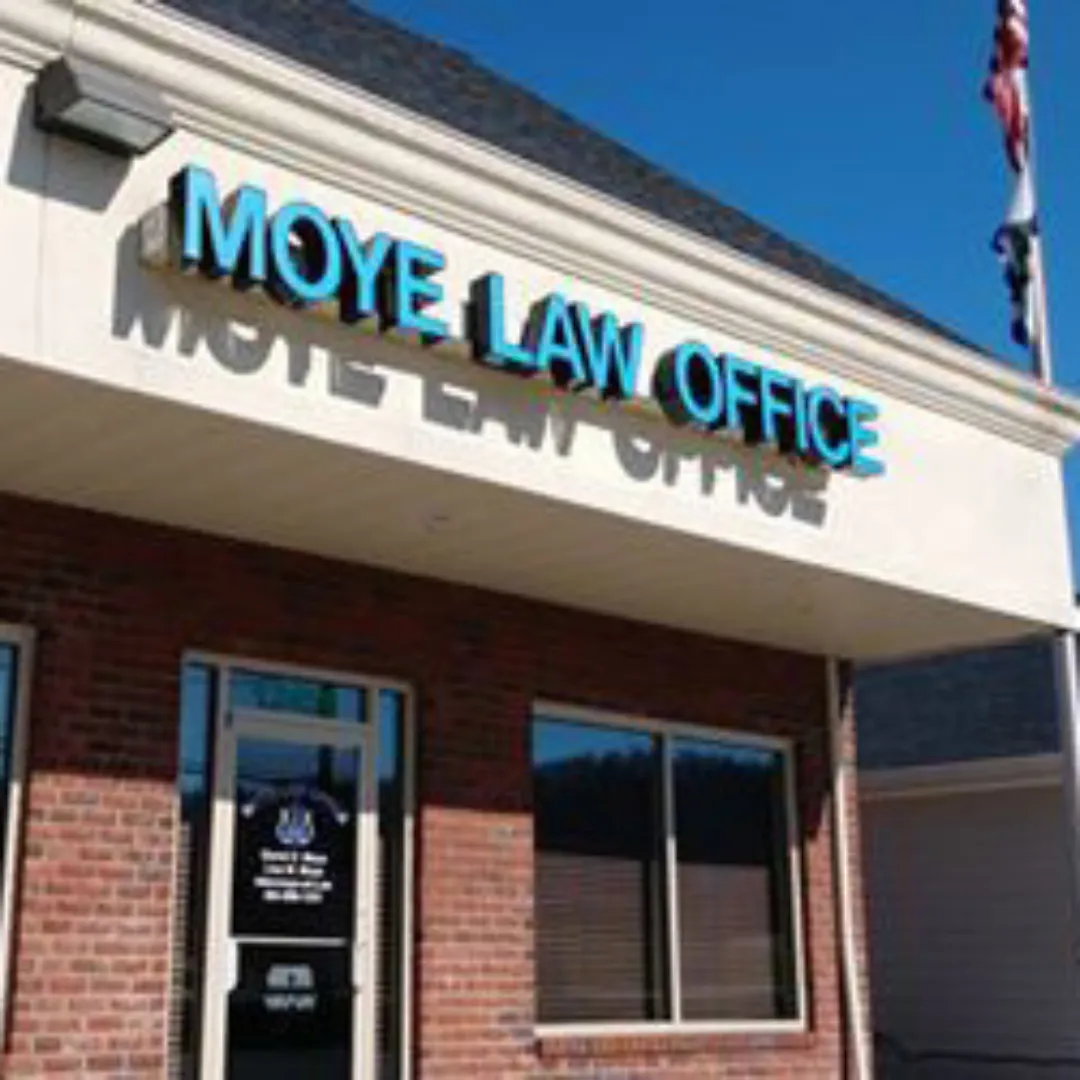
We have two offices in West Virginia: Winfield and Cross Lanes.
CROSS LANES
What Is a Title Search—and Why It Matters in Every West Virginia Real Estate Deal
What a Title Search in West Virginia Is — and Why It Matters for Every Real Estate Transaction
In West Virginia, a title search is the review of public records that confirms who owns a property and reveals any recorded claims that could affect a buyer or a lender. The search uncovers deeds, mortgages, liens, judgments, easements, and probate issues so ownership can transfer with a marketable, insurable title. This article explains how title searches work in West Virginia, which records are examined, common defects we see, how title insurance fits in, and when you should bring in legal counsel. Many transactions stall or become expensive when a hidden lien, an unknown heir, or an unexpected easement appears late in the process — a timely search helps prevent those surprises and points to solutions. Toward the end, we describe how MOYE Law Office and Lisa M. Moye assist clients with in-house title research and attorney-led closings, and we list practical resources for deed and lien searches across West Virginia counties.
What Is a Property Title Search and How It Works in West Virginia
A property title search in West Virginia is a step-by-step review of county and state records used to confirm the chain of title and find any encumbrances that could affect ownership. Examiners look at recorded deeds, mortgages, liens, tax records, probate files, and court dockets to trace ownership and spot clouds on title so parties can assess risk before closing. Title examiners, abstractors, title companies, or attorneys typically assemble a chain of title and issue an abstract or report that summarizes findings for buyers, sellers, and lenders. Those results inform title insurance underwriting and guide legal remedies — for example, lien payoffs or quiet title actions when defects appear. The list below outlines the common steps and who usually handles each stage.
The numbered overview that follows summarizes the usual stages of a West Virginia title search and what each stage examines.
Preliminary intake and search order: Identify the property with its legal description and parcel identifiers so searches target the correct records.
Chain-of-title examination: Review sequential deeds and conveyances to confirm continuous ownership and spot transfers that need clarification.
Recorded lien and judgment search: Check mortgages, tax liens, mechanic’s liens, and court judgments that could affect priority at closing.
Ancillary records review: Inspect probate files, easements, zoning records, and recorded surveys for restrictions or potential disputes.
Report and recommendation: Produce an abstract, title report, or commitment that notes defects and recommends remediation or insurance steps.
These steps are usually completed in order by examiners or attorneys familiar with county clerk indexing practices, and they lead into the remediation or insurance actions that secure a marketable title.
What a Title Search Includes in West Virginia Real Estate Transactions
A typical West Virginia title search reviews the recorded deed history, mortgage records, and any liens or judgments tied to the property. Examiners search county clerk land records for conveyances, record instruments such as deeds of trust or mortgages, and check tax and judgment dockets for outstanding obligations that could take priority at closing. Probate records are reviewed to identify potential heirship issues when prior owners died without clear conveyances. In some counties, older records are not digitized, so examiners may need to visit clerk offices or order certified copies — a factor that can extend the timeline. Knowing which documents matter helps buyers and sellers plan to resolve defects before closing day.
Who Performs Title Searches in West Virginia and What They Do
Title searches in West Virginia may be performed by licensed title companies, independent abstractors, or attorneys — each with a distinct role in the closing. Title companies and abstractors usually focus on assembling the chain of title and finding recorded encumbrances. Attorneys interpret legal implications, advise on remedies, and draft or review closing documents when needed. In counties with complicated title histories or where quiet title suits may be required, attorney involvement is often recommended because attorneys can file litigation or negotiate releases. West Virginia practice frequently includes attorney-led closings, where counsel coordinates the transfer, addresses last-minute defects, and ensures documents meet state conveyancing requirements.
StageRecords SearchedWho PerformsWhat to ExpectIntake & IDLegal description, parcel IDTitle examiner / attorneyAccurate search parameters and an initial timelineChain of TitleDeeds, conveyancesAbstractor / title companyConfirmed ownership trace and noted gapsEncumbrance SearchMortgages, liens, judgmentsTitle company / county clerkIdentify priority claims and required payoffsAncillary ChecksProbate, easements, surveysAttorney / examinerReveal non-monetary restrictions or heir issuesReportingAbstract / commitmentTitle company / attorneySummary of defects and recommended next steps
Why a Title Search Is Essential for Every West Virginia Real Estate Deal
Title searches are essential because they uncover legal and financial claims that could block a clear transfer of ownership or expose buyers and lenders to unexpected liability. By identifying unpaid tax liens, mechanic’s liens, judgments, undisclosed heirs, and recorded easements, a search reduces the risk of post-closing disputes and protects the buyer’s legal and equitable interests. Conducting a search before closing also supports accurate title insurance underwriting and prevents delays by allowing time for lien payoffs or corrective deeds. The short list below highlights the main risks a title search is designed to prevent.
Title searches reduce exposure to these common risks:
Unpaid financial claims: Finds unpaid taxes, mortgages, or mechanic’s liens that could lead to foreclosure or claims against the property.
Ownership defects: Reveals forged signatures, improper conveyances, or missing heir approvals that compromise legal title.
Encumbrances and easements: Identifies recorded easements or covenants that limit use or development.
Boundary and survey discrepancies: Detects mismatched descriptions or older surveys that can trigger disputes over property lines.
What Risks Do Title Searches Protect Against in West Virginia?
In West Virginia, title searches focus on recorded liens, judgments, tax delinquencies, and probate issues that commonly create financial exposure during a transfer. Unpaid county or federal tax liens and contractor mechanic’s liens can attach to a property and survive a sale unless they’re released or paid, so searches include tax and judgment dockets. Searches also flag fraudulent or improperly executed deeds and missing heir consent when prior owners died intestate — issues that usually require legal action to correct. Identifying these risks before closing lets parties negotiate payoffs, purchase title insurance to shift residual risk, or pursue legal remedies to avoid costly post-closing litigation.
How a Title Search Produces a Clear, Marketable Title in West Virginia
A title search creates marketability by exposing defects that must be resolved to give a buyer insurable ownership and to meet lender requirements. Typical fixes include lien releases or payoffs, corrective deeds, or a court-ordered quiet title action when ownership is unclear. After recorded releases and corrective instruments are in place and the public record reflects a clear conveyance, title companies can issue owner’s and lender’s policies that protect against future claims. Timeframes vary — simple lien payoffs may be handled in days to weeks, while quiet title litigation can take months — so early discovery through a search is critical to keeping closings on schedule.
Defect TypeTypical ImpactTypical Resolution Time / ApproachRecorded lien (tax / mechanic)Prevents clear transfer; possible foreclosurePayoff or escrowed funds; days–weeksUndisclosed heir / probate issueClouded ownership; risk of competing claimsProbate clearance or quiet title; weeks–monthsForged or improper deedInvalid conveyance riskCorrective conveyance or litigation; weeks–monthsEasement or covenantLimits on use and developmentNegotiation, re-recording, or insurance endorsement; days–weeks
Common Title Issues Found in West Virginia Real Estate
Frequent title problems in West Virginia include recorded liens and encumbrances, undisclosed heirs or probate gaps, boundary disputes, easements, and recording mistakes that obscure the chain of title. Each defect affects marketability differently: liens create immediate financial claims, undisclosed heirs can invalidate a conveyance, and easements may restrict future use. Early detection through a thorough search lets parties evaluate risk, negotiate price adjustments or escrow arrangements, and decide whether title insurance or litigation is the right remedy. The summary below describes the defects we see most often and their implications for closing readiness.
Frequent title issues and what they mean:
Recorded liens and judgments: May require payoff at closing or escrow to clear the encumbrance.
Undisclosed heirs and probate gaps: Missing heir documentation can void transfers and may require probate or quiet title actions.
Boundary disputes and survey inconsistencies: Overlapping descriptions cause neighbor disputes and can block development plans.
Easements and covenant restrictions: Third-party rights can limit construction, access, or intended land use.
How Liens and Encumbrances Affect Property Titles in West Virginia
Liens and encumbrances attach to property records and generally take priority according to recording dates and state statutes, which affects repayment order in a foreclosure or sale. Common types include tax liens, mechanic’s liens by contractors, and judgment liens from lawsuits. Each can prevent a clean transfer until it’s addressed. Finding these claims during a title search lets buyers require payoffs or sellers provide releases at closing; lenders typically require payoff verification before funding. Priority disputes — for example, whether a lien predates a mortgage — are resolved by checking recording dates and applicable lien law, making accurate chain-of-title work essential to protecting everyone’s interests.
Boundary Disputes and Easements Under West Virginia Law
Boundary disputes in West Virginia often stem from old surveys, imprecise metes-and-bounds descriptions, or long-standing informal uses that aren’t reflected in the public record, producing competing claims. Easements are recorded or implied rights allowing others to use part of the land — common examples are utility lines or shared driveways — and they can limit a buyer’s use or development plans. Resolving these matters may require a new survey, negotiation with neighbors, re-recording corrected instruments, or, in some cases, a quiet title action. Title insurance can cover certain recorded easements depending on policy wording, but uninsured issues typically need legal work before a buyer moves forward.
IssueAttributeTypical ImpactTypical Resolution Time / ApproachTax lienGovernment claim for unpaid taxesCan lead to forced sale if unpaidPayoff or tax sale resolution; days–weeksMechanic’s lienContractor claim for unpaid workClouds title until satisfiedPayoff, negotiation, or bond; weeksUndisclosed heirMissing probate documentationRisk of ownership claimProbate or quiet title litigation; monthsBoundary discrepancySurvey mismatch or encroachmentLimits use; neighbor disputesNew survey, negotiation, or litigation; weeks–months
How Title Insurance Complements a Title Search in West Virginia
Title insurance complements a title search by shifting residual risk away from the owner or lender if a covered claim appears after closing. The search tries to find defects; the policy protects against covered claims that were missed or unrecorded. Title companies underwrite policies based on the search findings, endorsements, and resolved exceptions. An owner’s policy protects the purchaser’s ownership interest; a lender’s policy protects the mortgagee’s lien for the loan amount. Title insurance does not replace a search — it builds on it by providing financial protection and defense costs for covered claims. The table below shows the main differences between owner’s and lender’s policies.
Policy TypeCoverageWho BenefitsTypical Cost ConsiderationOwner’s Title PolicyProtects the owner against covered defects discovered after closingBuyer / OwnerOne-time premium based on purchase price and county ratesLender’s Title PolicyProtects the lender’s lien position for the loan amountMortgage lenderOne-time premium often required by the lender; separate from owner’s policyEndorsementsExtend coverage for specific risksOwner or lender depending on endorsementAdditional premium for extended protections
Owner’s vs. Lender’s Title Insurance in West Virginia
An owner’s title policy protects the purchaser’s equity in the property for as long as the owner or the owner’s heirs have an interest. A lender’s policy protects the lender’s mortgage lien for the life of the loan or until the lender’s interest is released. The owner’s policy reimburses the owner or funds a defense against covered title claims; the lender’s policy covers the outstanding loan balance and is commonly required by lenders. Who pays varies by local custom and negotiation — consult counsel or a title professional for county-specific practice. MOYE Law Office can help clients choose policies and endorsements that match their risk profile at closing.
How Much Title Insurance Costs in West Virginia and What It Covers
Title insurance premiums in West Virginia are usually a one-time fee based on the purchase price and the county where the property sits, with rates affected by endorsements and risks found in the title search. Combined owner and lender costs vary; exact premiums come from the title commitment for the transaction. Title insurance commonly covers forged documents, undisclosed prior owners, and recorded defects missed during the search. Exclusions generally include issues known to the insured or unrecorded rights not reflected in public records. Reviewing the policy commitment together with the search results helps buyers decide if endorsements or extra protections are advisable.
The Role of a Real Estate Attorney in West Virginia Title Searches and Closings
A real estate attorney in West Virginia interprets title search results, negotiates resolutions for defects, prepares and reviews closing documents, and represents a client’s legal interests at closing or in court if defects remain. Attorneys can file or defend quiet title suits, coordinate lien releases, prepare corrective deeds, and give legal opinions when records require more than transactional fixes. Because many West Virginia transactions use attorney-led closings, counsel often coordinates with title companies, lenders, and county clerks to keep the closing on track and resolve last-minute issues. When MOYE Law Office’s in-house research finds matters that need legal action, our attorneys outline realistic timelines and options for clients.
MOYE Law Office emphasizes local knowledge and clear communication during title matters. We offer in-house title research with attorney oversight to streamline conflict resolution and closing preparation. With offices in Winfield and Cross Lanes, we serve clients across nearby counties and translate search findings into practical next steps. Early attorney involvement often reduces the risk of protracted litigation and helps keep closings on schedule by coordinating payoffs, preparing corrective instruments, or recommending title insurance endorsements. If you want an attorney to review search results or represent you at closing, schedule a consultation to discuss your transaction and timing.
How MOYE Law Office Conducts In-House Title Research for West Virginia Clients
MOYE Law Office conducts in-house title research by systematically reviewing county land records, mortgage and lien dockets, and related files such as probate and recorded easements to produce a clear summary of title status and identified exceptions. We explain findings in plain language, outline potential remedies, and recommend whether to pursue payoffs, corrective deeds, or further legal action like a quiet title suit. For straightforward issues we help arrange releases or escrow instructions; when litigation is necessary, we map the legal path and coordinate next steps with the client. Our in-house approach reduces handoffs, improves continuity of advice, and uses local knowledge from our Winfield and Cross Lanes offices to resolve matters efficiently. To discuss a title concern, clients may schedule a consultation through our contact options.
Why Consult Lisa M. Moye for Your West Virginia Title Needs
Lisa M. Moye has focused experience in real estate law and wills & estates, giving clients legal guidance that connects title research findings with estate-related ownership issues that affect property transfers. Her local ties and community experience provide practical insight into county practices and common title problems across the region, helping tailor effective remediation strategies. Consulting Lisa is especially useful when a title search reveals probate complications, undisclosed heirs, or complex encumbrances needing legal interpretation or court action. Prospective clients with title questions or who need representation at closing can contact MOYE Law Office by phone to arrange a consultation and get clear next steps for their West Virginia transaction.
How to Access and Use West Virginia Property Records for Title Searches
Start at the county clerk or recorder’s office where the property is located — deeds, mortgages, liens, and probate files are recorded at the county level and form the official public record. Many counties offer online portals or searchable indices, and state GIS and assessor sites provide parcel data and tax information that supplement deed searches. Practical research often combines online queries with in-person retrieval for older or undigitized records and requires accurate legal descriptions or parcel numbers to find the right instruments. When records are unclear, incomplete, or suggest potential claims, hiring a title examiner or an attorney is the prudent way to secure a definitive title position and recommended remedies.
Below are practical online and in-person resources and tips for an effective West Virginia deed and lien search.
County clerk / recorder portals: Use the county land records portal or index to pull recorded deeds and mortgages for the property.
State GIS and assessor sites: Check GIS maps and assessor records for parcel overlays, acreage, and tax details that support title research.
Court and probate dockets: Search county court records for judgments and probate filings that may affect ownership or create liens.
In-person clerk visits: For older records or missing scans, visit the clerk’s office to obtain certified copies and verify indexing.
What Online Resources Are Available for West Virginia Deed and Lien Searches?
Researchers commonly begin with county clerk online indexes, state GIS portals, and assessor databases that provide parcel-level details and sometimes scanned deeds or instrument images. Online availability and functionality vary by county: some maintain searchable deed images and full dockets, while others offer limited indices that require in-person follow-up. When searching online, use consistent parameters — legal description, grantor/grantee names, and parcel ID — to reduce false positives, and save instrument numbers for follow-up. These resources speed preliminary screening and indicate whether an attorney-led search is warranted.
Limits of Online Records and When to Call a Professional
Online records in West Virginia can be incomplete, mis-scanned, or poorly indexed for older instruments, creating gaps a DIY search may miss. Common triggers for professional help include ambiguous chains of title, signs of probate or unrecorded conveyances, conflicting survey descriptions, or liens with unclear payoff histories. When records suggest legal ambiguity or the buyer’s or lender’s risk tolerance is low, retaining a title examiner or attorney ensures exhaustive retrieval, correct legal interpretation, and coordinated remedies such as releases or quiet title filings. MOYE Law Office can step in when professional interpretation or legal action is needed and provide a clear plan to resolve title issues.
Policy TypeWhere to LookWhen to Call an AttorneyDeeds & ConveyancesCounty clerk deed index and imagesIf chain gaps or suspicious conveyances appearMortgages & LiensMortgage records and judgment docketsIf priority disputes or unpaid liens are foundProbate RecordsCounty probate filingsIf ownership traces through estates or missing heirsSurveys & EasementsCounty plat records and GIS mapsIf boundary or easement ambiguity affects use
Frequently Asked Questions
What is the difference between a title search and a title examination in West Virginia?
A title search is the process of checking public records to find a property’s ownership history and any recorded claims. A title examination goes further: a qualified professional — a title examiner or attorney — reviews and interprets those records, assesses legal implications, and determines whether the title is clear and marketable for the intended transaction.
How long does a title search typically take in West Virginia?
Timing varies with the property’s history and record availability. A straightforward search can take a few days to a week. If complications appear — like undisclosed liens or probate issues — the process can stretch to several weeks or months. Engaging a professional early helps keep the process moving.
Can a title search uncover issues with property boundaries?
Yes. Examiners review recorded surveys and legal descriptions that define property lines. If there are overlapping descriptions, encroachments, or easements affecting boundaries, those issues will be identified. Addressing boundary disputes early avoids later conflicts and preserves the buyer’s intended use of the land.
What should I do if a title search reveals a defect?
If a defect appears — such as a lien or an undisclosed heir — act quickly. You may need to negotiate payoffs, obtain lien releases, or pursue legal action like a quiet title suit. Consult a real estate attorney for guidance on the best course and to help resolve the issue efficiently.
Is title insurance mandatory in West Virginia real estate transactions?
Title insurance is not required by law in West Virginia, but it is highly recommended for buyers and lenders. Many lenders will require a lender’s policy as a condition of financing. Buyers should strongly consider an owner’s policy to protect their investment from undiscovered defects that could affect ownership rights.
How can I prepare for a title search before purchasing property?
Gather the property’s legal description, parcel number, and any existing documents you have. Research the property’s ownership history and note any known issues. Engaging a qualified title company or attorney early ensures a thorough review of all necessary records and reduces the risk of surprises at closing.
What are the potential costs associated with a title search in West Virginia?
Costs vary by complexity and provider. Title companies typically charge a flat fee that can range from a few hundred to several hundred dollars. Additional expenses may arise if legal issues require deeper investigation or remediation. Request a detailed estimate from your title company or attorney to understand likely costs.
Moye Law Offices
We have two offices in West Virginia:
Winfield and Cross Lanes.
CROSS LANES
We Are Here To Help
Do you have a query or problem that you would like to talk about, or are you curious to hear more about how we can help you?
Get in touch today! We look forward to hearing from you.
Assistance Hours
Monday – Friday: 8:30am – 4:30pm
Saturday: By appointment only
Sunday: CLOSED
Subscribe to our Newsletter
We Are Here To Help
Do you have a query or problem that you would like to talk about, or are you curious to hear more about how we can help you?
Get in touch today! We look forward to hearing from you.
Assistance Hours
Monday – Friday 8:30am – 4:30pm
Saturday: By appointment only
Sunday CLOSED