
Blog

Blog

Discover Real Owners: Property Ownership Search WV Made Easy
WV Property Ownership Records: How to Find the Real Owner and Understand the Challenges
Navigating property ownership records in West Virginia can be confusing. This guide explains how to identify the legal owner, summarizes title-search steps, points to the county offices that keep records, and highlights common obstacles and when to seek legal help. For comprehensive legal services, visit the Moye Law Firm homepage.
How Can You Search WV Property Records to Identify the Owner?
Start with the property's legal description and parcel identifiers; these narrow searches and reduce errors.
Obtain Legal Description: Locate the legal description on tax records or prior deeds.
Search County Records: Check the county clerk or recorder's office—many counties offer online search tools.
Review Tax and Judgment Records: Look for tax records and judgment liens that may indicate claims or obligations.
If the search is difficult, consult a legal professional. Moye Law Firm offers title-search and ownership-verification assistance to navigate county records and clarify ownership. Learn more about their practice areas, including real estate law.
What Are the Key Steps in the WV Title Search Process?

A title search traces ownership and reveals claims. The core actions are simple and systematic.
Obtain Current Deed and Legal Description: Confirm the present deed and exact legal description.
Chain-of-Title Examination: Trace transfers to spot gaps, defects, or conflicting claims.
Search County Records: Check for easements, liens, mortgages, and recorded instruments affecting title.
These steps help buyers and parties resolve disputes. A real estate attorney or professional title searcher ensures the work is complete and legally reliable. For trusted legal representation, visit the About Us page of Moye Law Firm.
Which County Offices Maintain Property Ownership Records in West Virginia?
County clerks or recorders typically handle property recordings: deeds, mortgages, liens, and related documents.
County Clerk's Office: Often records deeds and legal instruments.
Recorder's Office: In some counties, the recorder manages public property records and indexing.
Knowing the correct office in the property's county speeds retrieval of relevant documents.
Why Is Finding the Real Property Owner in WV Often Tricky?
Several factors complicate owner identification in West Virginia.
Variability in County Practices: Recording and indexing methods differ by county, producing inconsistencies.
Severed Mineral Rights: Mineral rights may be held separately from surface ownership, causing partial interests.
Historical Land Grants: Older transfers and fragmented records can obscure clear title chains.
Thorough research and, when needed, legal review are often required to resolve these complications.
How Do Complex Inheritance Laws Affect WV Property Ownership?
Inheritance can create shared or unclear ownership, leading to disputes among heirs when title transfers were informal or incomplete.
Creation of Heirs' Property: Untitled transfers across generations can result in multiple family owners with fractional interests.
Multiple Undisclosed Owners: Unrecorded inheritances or transfers can leave owners unknown to purchasers.
Clouded Title Risks: Heirs' disputes or missing documentation can generate clouds on title that impede sale or financing.
Recognising these issues early and consulting counsel or a title professional helps untangle inherited-title problems.
What Common Issues Cause Confusion in WV Land Ownership Records?
Frequent record problems include unrecorded conveyances, recording errors, and imprecise descriptions.
Unrecorded Conveyances: Transactions not entered in public records create gaps in ownership history.
Clerical Errors: Misspellings, wrong parcel numbers, or indexing mistakes can mislead searches.
Ambiguous Descriptions: Vague legal descriptions or metes-and-bounds language can make parcels hard to identify.
Resolving these typically requires document assembly, county office review, and sometimes corrective legal filings.
When Should You Hire a Real Estate Attorney for WV Property Ownership Verification?
Consider legal help when ownership is unclear or a transaction carries risk.
First-Time Homebuyers: Attorneys protect buyers from hidden defects or undisclosed claims.
Property Investment Transactions: Investors should confirm a clear title to avoid future liabilities.
Title Issues: If liens, gaps, or potential disputes appear, legal assistance is important.
An attorney provides legal certainty, helps address defects, and can pursue corrective actions where necessary. Explore all legal services offered at Moye Law Firm, including personal injury law and divorce and family law.
How Can Legal Representation Help Resolve Ownership Disputes in WV?

Attorneys offer advice tailored to the facts, negotiate settlements, and represent clients in court when required.
Tailored Legal Advice: Counsel evaluates title documents and recommends remedies.
Handling Negotiations: Lawyers can negotiate with claimants, lienholders, or other parties to resolve disputes.
Managing Disputes: If litigation or quiet-title actions are needed, attorneys manage the process and filings.
Experienced representation increases the chance of clearing title and protecting your interests. Contact the Moye Law Firm to schedule a consultation.
What Are the Benefits of Professional Title Searches in WV Counties?
Professional searches reduce risk and uncover issues early.
Early Detection of Issues: Pros identify liens, easements, and title defects before closing.
Local Expertise: Searchers know county record quirks and local procedures.
Comprehensive Searches: Professionals review all relevant records to provide a clear title picture.
Using a professional service can save time and lower transactional risk.
How Can You Access WV Real Estate Ownership Lookup Services Online?
Ownership records are often accessible through county websites and commercial aggregators.
Start at the County Clerk or Recorder's Office: Many counties publish searchable records online.
Use Online Resources: Aggregator platforms compile public records for easier searching.
Search for Parcel Data: County GIS and assessor tools provide parcel, owner, and tax data.
These resources speed searches and improve accuracy when used together.
What Online Resources Provide WV Property Records Search?
Combine official county portals with state GIS and court resources for best results.
County Clerk/Recorder Portals: Official recorded documents and indices.
State GIS and Assessor Sites: Maps, parcel boundaries, and ownership summaries.
Court and Probate Dockets: Records of litigation or probate actions that affect title.
Using multiple sources gives a fuller ownership picture.
How to Use WV County GIS and Recorder Portals for Ownership Verification?
Verify ownership by checking county portals, GIS parcel maps, assessor data, and relevant court/probate records in the property's county.
Access County Clerk/Recorder Portals: Search recorded deeds and instruments for the parcel.
Check State GIS and Assessor Sites: Confirm parcel boundaries and tax-assessment owner names.
Search Court and Probate Dockets: Look for probate files, liens, or actions that affect title.
Combining these steps helps ensure the most accurate ownership information for a given property in West Virginia.
For more information, consult the Moye Law Firm FAQs page.
Frequently Asked Questions
What types of documents are essential for a property ownership search in West Virginia?
Key documents are the property's legal description, the current deed, tax records, and any judgment liens. Collecting these simplifies verification.
How can I resolve discrepancies found in property ownership records?
Gather deeds, tax records, and correspondence, then check with the county clerk/recorder. If issues persist, retain a real estate attorney to correct records or pursue quiet-title remedies.
What should I do if I discover unrecorded conveyances during my search?
Locate supporting contracts or agreements and consult an attorney to formally record the conveyance and clear title where appropriate.
Are there specific online tools for tracking property ownership changes in West Virginia?
Yes. County clerk/recorder portals, state and county GIS sites, and some commercial aggregators provide historical ownership and recorded-document access to monitor changes.
How can I ensure the accuracy of my property ownership records?
Perform a comprehensive title search that reviews the chain of title and related records. Regularly check county records and consider a professional title search for added assurance.
What are the implications of clouded titles in property ownership?
A clouded title can prevent sale or refinancing. Common causes include liens, inheritance disputes, and unrecorded transfers. Consult a real estate attorney to clear the title and resolve related legal challenges.

Moye Law Offices
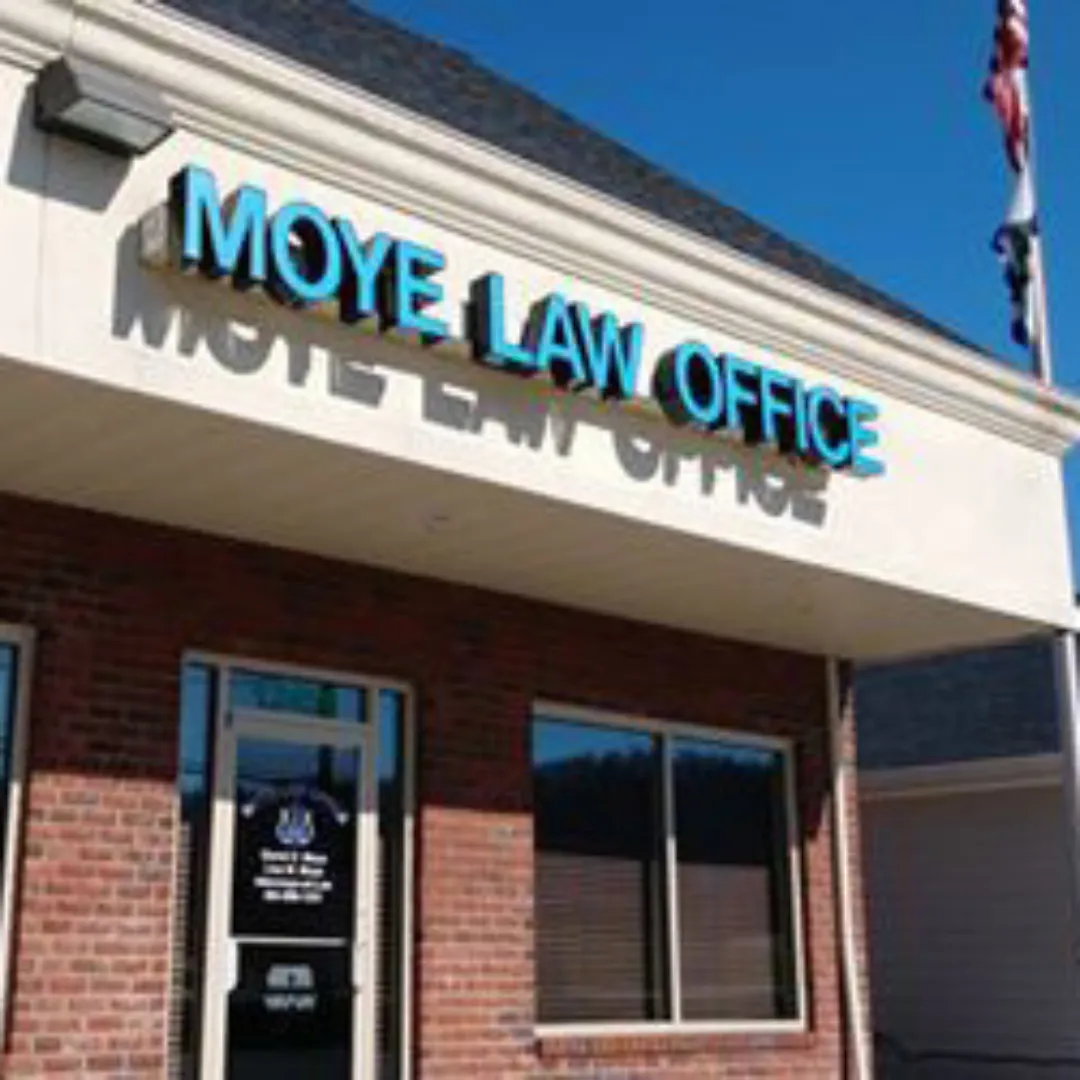
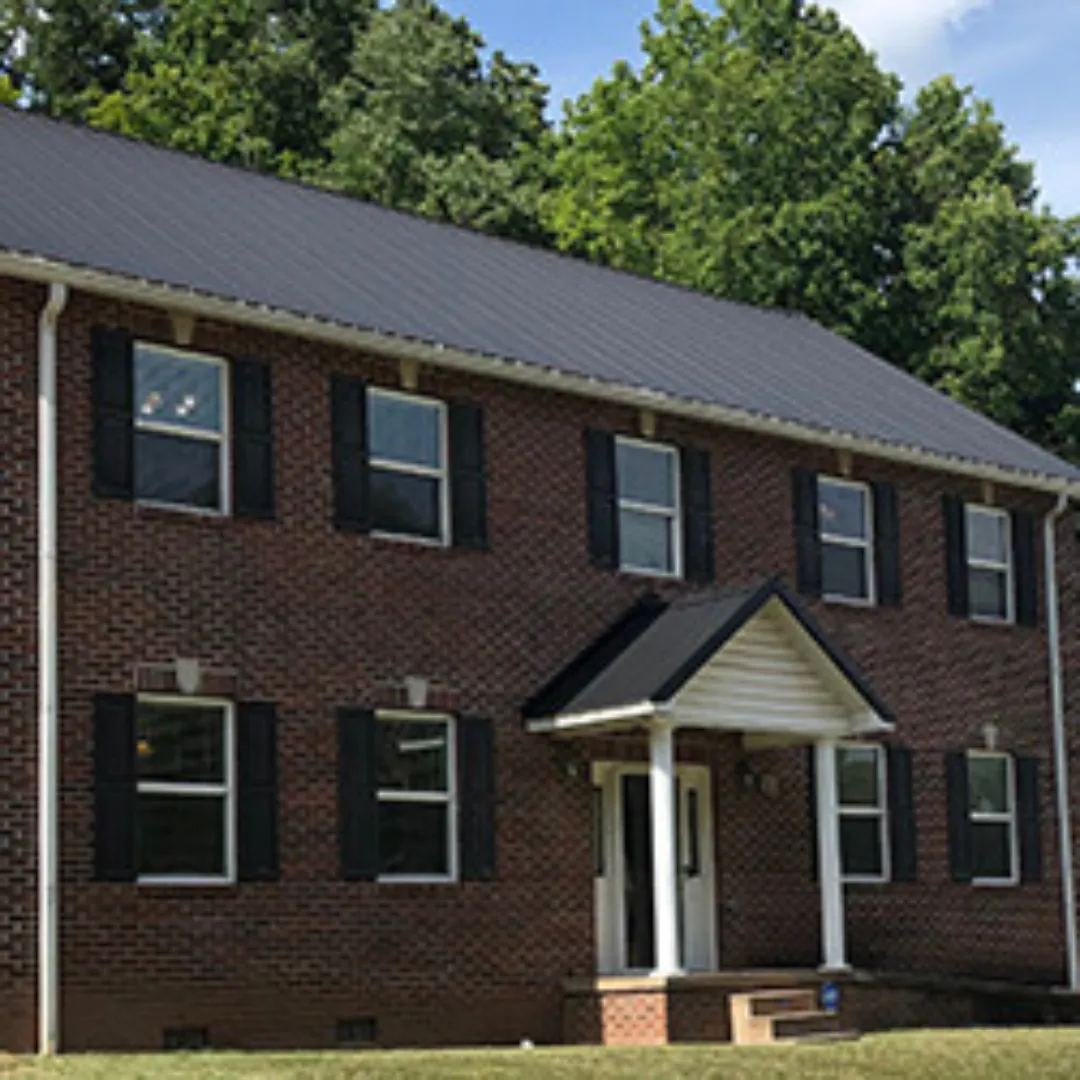
We have two offices in West Virginia: Winfield and Cross Lanes.
CROSS LANES
Discover Real Owners: Property Ownership Search WV Made Easy
WV Property Ownership Records: How to Find the Real Owner and Understand the Challenges
Navigating property ownership records in West Virginia can be confusing. This guide explains how to identify the legal owner, summarizes title-search steps, points to the county offices that keep records, and highlights common obstacles and when to seek legal help. For comprehensive legal services, visit the Moye Law Firm homepage.
How Can You Search WV Property Records to Identify the Owner?
Start with the property's legal description and parcel identifiers; these narrow searches and reduce errors.
Obtain Legal Description: Locate the legal description on tax records or prior deeds.
Search County Records: Check the county clerk or recorder's office—many counties offer online search tools.
Review Tax and Judgment Records: Look for tax records and judgment liens that may indicate claims or obligations.
If the search is difficult, consult a legal professional. Moye Law Firm offers title-search and ownership-verification assistance to navigate county records and clarify ownership. Learn more about their practice areas, including real estate law.
What Are the Key Steps in the WV Title Search Process?
A title search traces ownership and reveals claims. The core actions are simple and systematic.
Obtain Current Deed and Legal Description: Confirm the present deed and exact legal description.
Chain-of-Title Examination: Trace transfers to spot gaps, defects, or conflicting claims.
Search County Records: Check for easements, liens, mortgages, and recorded instruments affecting title.
These steps help buyers and parties resolve disputes. A real estate attorney or professional title searcher ensures the work is complete and legally reliable. For trusted legal representation, visit the About Us page of Moye Law Firm.
Which County Offices Maintain Property Ownership Records in West Virginia?
County clerks or recorders typically handle property recordings: deeds, mortgages, liens, and related documents.
County Clerk's Office: Often records deeds and legal instruments.
Recorder's Office: In some counties, the recorder manages public property records and indexing.
Knowing the correct office in the property's county speeds retrieval of relevant documents.
Why Is Finding the Real Property Owner in WV Often Tricky?
Several factors complicate owner identification in West Virginia.
Variability in County Practices: Recording and indexing methods differ by county, producing inconsistencies.
Severed Mineral Rights: Mineral rights may be held separately from surface ownership, causing partial interests.
Historical Land Grants: Older transfers and fragmented records can obscure clear title chains.
Thorough research and, when needed, legal review are often required to resolve these complications.
How Do Complex Inheritance Laws Affect WV Property Ownership?
Inheritance can create shared or unclear ownership, leading to disputes among heirs when title transfers were informal or incomplete.
Creation of Heirs' Property: Untitled transfers across generations can result in multiple family owners with fractional interests.
Multiple Undisclosed Owners: Unrecorded inheritances or transfers can leave owners unknown to purchasers.
Clouded Title Risks: Heirs' disputes or missing documentation can generate clouds on title that impede sale or financing.
Recognising these issues early and consulting counsel or a title professional helps untangle inherited-title problems.
What Common Issues Cause Confusion in WV Land Ownership Records?
Frequent record problems include unrecorded conveyances, recording errors, and imprecise descriptions.
Unrecorded Conveyances: Transactions not entered in public records create gaps in ownership history.
Clerical Errors: Misspellings, wrong parcel numbers, or indexing mistakes can mislead searches.
Ambiguous Descriptions: Vague legal descriptions or metes-and-bounds language can make parcels hard to identify.
Resolving these typically requires document assembly, county office review, and sometimes corrective legal filings.
When Should You Hire a Real Estate Attorney for WV Property Ownership Verification?
Consider legal help when ownership is unclear or a transaction carries risk.
First-Time Homebuyers: Attorneys protect buyers from hidden defects or undisclosed claims.
Property Investment Transactions: Investors should confirm a clear title to avoid future liabilities.
Title Issues: If liens, gaps, or potential disputes appear, legal assistance is important.
An attorney provides legal certainty, helps address defects, and can pursue corrective actions where necessary. Explore all legal services offered at Moye Law Firm, including personal injury law and divorce and family law.
How Can Legal Representation Help Resolve Ownership Disputes in WV?
Attorneys offer advice tailored to the facts, negotiate settlements, and represent clients in court when required.
Tailored Legal Advice: Counsel evaluates title documents and recommends remedies.
Handling Negotiations: Lawyers can negotiate with claimants, lienholders, or other parties to resolve disputes.
Managing Disputes: If litigation or quiet-title actions are needed, attorneys manage the process and filings.
Experienced representation increases the chance of clearing title and protecting your interests. Contact the Moye Law Firm to schedule a consultation.
What Are the Benefits of Professional Title Searches in WV Counties?
Professional searches reduce risk and uncover issues early.
Early Detection of Issues: Pros identify liens, easements, and title defects before closing.
Local Expertise: Searchers know county record quirks and local procedures.
Comprehensive Searches: Professionals review all relevant records to provide a clear title picture.
Using a professional service can save time and lower transactional risk.
How Can You Access WV Real Estate Ownership Lookup Services Online?
Ownership records are often accessible through county websites and commercial aggregators.
Start at the County Clerk or Recorder's Office: Many counties publish searchable records online.
Use Online Resources: Aggregator platforms compile public records for easier searching.
Search for Parcel Data: County GIS and assessor tools provide parcel, owner, and tax data.
These resources speed searches and improve accuracy when used together.
What Online Resources Provide WV Property Records Search?
Combine official county portals with state GIS and court resources for best results.
County Clerk/Recorder Portals: Official recorded documents and indices.
State GIS and Assessor Sites: Maps, parcel boundaries, and ownership summaries.
Court and Probate Dockets: Records of litigation or probate actions that affect title.
Using multiple sources gives a fuller ownership picture.
How to Use WV County GIS and Recorder Portals for Ownership Verification?
Verify ownership by checking county portals, GIS parcel maps, assessor data, and relevant court/probate records in the property's county.
Access County Clerk/Recorder Portals: Search recorded deeds and instruments for the parcel.
Check State GIS and Assessor Sites: Confirm parcel boundaries and tax-assessment owner names.
Search Court and Probate Dockets: Look for probate files, liens, or actions that affect title.
Combining these steps helps ensure the most accurate ownership information for a given property in West Virginia.
For more information, consult the Moye Law Firm FAQs page.
Frequently Asked Questions
What types of documents are essential for a property ownership search in West Virginia?
Key documents are the property's legal description, the current deed, tax records, and any judgment liens. Collecting these simplifies verification.
How can I resolve discrepancies found in property ownership records?
Gather deeds, tax records, and correspondence, then check with the county clerk/recorder. If issues persist, retain a real estate attorney to correct records or pursue quiet-title remedies.
What should I do if I discover unrecorded conveyances during my search?
Locate supporting contracts or agreements and consult an attorney to formally record the conveyance and clear title where appropriate.
Are there specific online tools for tracking property ownership changes in West Virginia?
Yes. County clerk/recorder portals, state and county GIS sites, and some commercial aggregators provide historical ownership and recorded-document access to monitor changes.
How can I ensure the accuracy of my property ownership records?
Perform a comprehensive title search that reviews the chain of title and related records. Regularly check county records and consider a professional title search for added assurance.
What are the implications of clouded titles in property ownership?
A clouded title can prevent sale or refinancing. Common causes include liens, inheritance disputes, and unrecorded transfers. Consult a real estate attorney to clear the title and resolve related legal challenges.
Moye Law Offices
We have two offices in West Virginia:
Winfield and Cross Lanes.
CROSS LANES
We Are Here To Help
Do you have a query or problem that you would like to talk about, or are you curious to hear more about how we can help you?
Get in touch today! We look forward to hearing from you.
Assistance Hours
Monday – Friday: 8:30am – 4:30pm
Saturday: By appointment only
Sunday: CLOSED
Subscribe to our Newsletter
We Are Here To Help
Do you have a query or problem that you would like to talk about, or are you curious to hear more about how we can help you?
Get in touch today! We look forward to hearing from you.
Assistance Hours
Monday – Friday 8:30am – 4:30pm
Saturday: By appointment only
Sunday CLOSED