

Blog
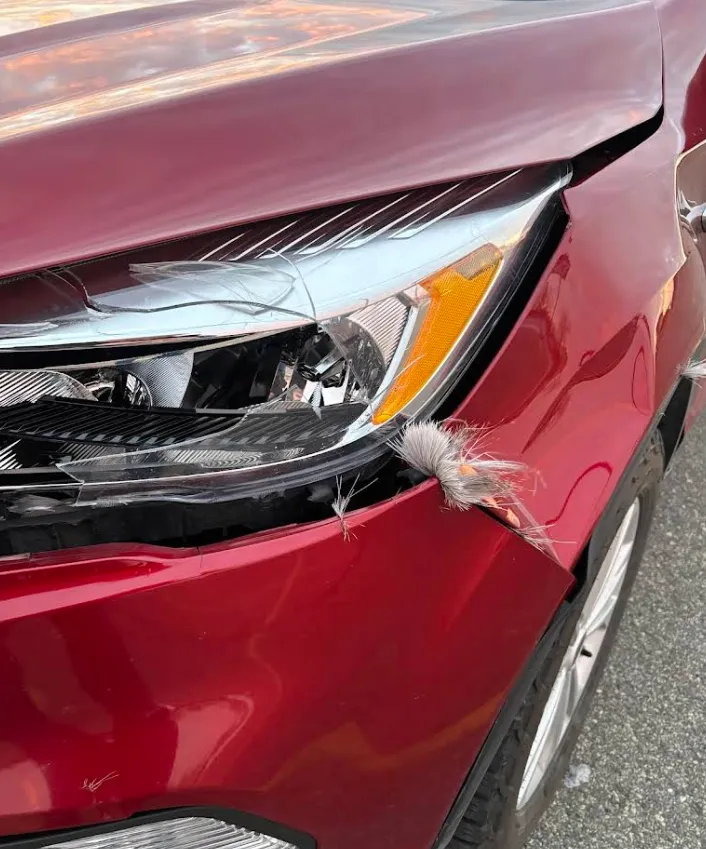
What Impacts Collision Repair Cost?
Introduction: Why Collision Repair Costs Can Vary So Widely
After a car accident, one of the first and most stressful questions drivers ask is what impacts collision repair cost. Two vehicles can experience what looks like similar damage, yet receive very different repair estimates. For drivers in Alexandria, MN, this uncertainty can make it hard to plan, especially when repairs are urgent or insurance is involved.
Collision repair costs are influenced by far more than just what you see on the surface. Hidden damage, safety systems, labor requirements, and even local driving conditions all play a role. This guide breaks down the exact factors that affect collision repair pricing so you understand where costs come from and how repair decisions are made.
What Is Collision Repair?
Collision repair refers to restoring a vehicle after it has been damaged in an accident. Unlike cosmetic auto body work, collision repair often involves structural, safety, and mechanical components in addition to exterior panels.
Typical collision repair services include:
Repairing or replacing damaged body panels
Bumper and impact-absorption system repairs
Frame and structural straightening
Suspension or alignment corrections caused by impact
Paint refinishing and blending
Recalibration of safety systems and sensors
Because collisions affect multiple systems at once, repair costs can vary significantly from one accident to another.
The Biggest Factors That Impact Collision Repair Cost
1. Severity of the Collision
The force of impact is the single biggest cost driver. Low-speed collisions may only affect bumpers or exterior panels, while higher-speed impacts often cause structural and mechanical damage.
Minor collision damage may only require panel repair and paint
Moderate collisions can involve multiple panels and alignment issues
Severe collisions often include frame damage and safety system replacement
The greater the force, the more extensive—and expensive—the repair.
2. Hidden Damage Beneath the Surface
One of the most common reasons collision repair costs increase is hidden damage. Modern vehicles are designed to absorb impact, which means damage often occurs behind panels.
Examples of hidden damage include:
Bent brackets or mounting points
Damaged crash bars behind bumpers
Compromised structural supports
Suspension or steering components knocked out of alignment
This damage is usually discovered during disassembly, which can raise the final repair cost beyond the initial estimate.
3. Frame and Structural Damage
When a collision affects the vehicle’s frame or unibody structure, costs rise quickly. Frame repairs require:
Precision measuring systems
Specialized straightening equipment
Highly trained technicians
Even small deviations in structural alignment can affect vehicle safety, handling, and tire wear, making proper repair critical and cost-intensive.
4. Vehicle Make, Model, and Year
Not all vehicles cost the same to repair after a collision.
Factors related to the vehicle itself include:
Availability and cost of replacement parts
Aluminum or high-strength steel construction
Luxury or imported vehicle components
Advanced safety features
Newer vehicles in Alexandria, MN often include driver-assist technology that increases collision repair complexity.
5. Advanced Safety Systems and Sensors
Modern vehicles rely heavily on safety technology, which significantly impacts collision repair cost.
These systems may include:
Lane departure warning sensors
Blind-spot monitoring
Forward collision detection
Adaptive cruise control cameras
After a collision, these systems often require recalibration, even if they appear undamaged. Calibration is precise, time-consuming, and adds to overall repair costs.
6. Parts: Repair vs. Replacement
Collision repair estimates often hinge on whether parts can be repaired or must be replaced.
Repairing parts is usually cheaper for minor damage
Replacement is often required for safety-related components
OEM parts typically cost more than aftermarket options
The decision depends on safety standards, damage severity, and manufacturer guidelines rather than cost alone.
7. Paint and Refinishing Requirements
Paint work is a major cost component in collision repair. Factors that affect paint cost include:
Number of panels requiring paint
Color complexity or specialty finishes
Blending paint into adjacent panels
Clear coat application and curing time
Even small collisions can become costly when multiple panels require refinishing to ensure a seamless appearance.
8. Labor Time and Skill Level
Collision repair is labor-intensive, and labor rates reflect the skill required.
Costs increase when repairs involve:
Structural straightening
Multi-panel alignment
Precision welding
Sensor calibration
Experienced technicians and specialized equipment are essential for safe repairs, and labor time is a major pricing factor.
9. Insurance Involvement
Insurance can influence—but not eliminate—collision repair costs.
Key insurance-related factors include:
Coverage type (collision vs. comprehensive)
Deductible amount
Approved repair procedures
Parts approval policies
Even with insurance, repair complexity still drives total cost; insurance mainly determines how much the vehicle owner pays out of pocket.
Typical Collision Repair Cost Ranges
While every accident is unique, the table below shows general collision repair cost ranges to help set expectations.
These figures reflect common collision repair scenarios seen by auto body shops serving Alexandria, MN.
How Collision Repair Estimates Are Created
Understanding the estimating process helps explain why costs vary.
Initial Inspection
Visible damage is assessed and documented.Disassembly
Panels are removed to check for hidden damage.Damage Mapping
All affected systems are identified.Labor and Parts Calculation
Repair hours, replacement parts, and materials are estimated.Safety and Manufacturer Compliance
Repairs must meet safety standards and manufacturer repair procedures.Final Estimate
A detailed repair plan and cost breakdown is prepared.
This process ensures repairs are safe, accurate, and long-lasting—not just visually appealing.
Collision Repair Cost Scenarios Common in Alexandria, MN
Local driving conditions influence collision repair needs.
Winter road accidents often result in front-end and suspension damage
Parking lot collisions typically involve bumpers and panels
Deer or wildlife impacts frequently cause extensive front-end damage
Intersection accidents may affect multiple vehicle systems
Each scenario affects repair complexity and cost differently.
Frequently Asked Questions About Collision Repair Cost
What impacts collision repair cost the most?
Damage severity, hidden damage, and structural involvement are the biggest cost drivers.
Why does collision repair cost more than cosmetic repair?
Collision repair often involves safety systems, structural components, and mechanical alignment—not just appearance.
Can collision damage look minor but cost a lot to fix?
Yes. Hidden structural or sensor damage can significantly increase repair costs.
Does frame damage always mean a car is totaled?
Not always. Frame damage can often be repaired, but it increases cost and repair time.
How long does collision repair usually take?
Minor repairs may take a few days, while severe collisions can take several weeks.
How to Manage and Plan for Collision Repair Costs
While accidents aren’t always avoidable, you can reduce stress and surprises by:
Getting a detailed written estimate
Understanding what repairs are required for safety
Asking about repair vs. replacement options
Choosing a qualified local collision repair shop
Being informed helps you make confident decisions during an already stressful situation.
Conclusion: Understanding What Drives Collision Repair Cost
So, what impacts collision repair cost? The answer lies in damage severity, hidden issues, vehicle technology, labor requirements, and safety standards. Collision repair is complex by nature, and costs reflect the need to restore both safety and performance—not just appearance.
Drivers in Alexandria, MN often turn to Northside Collision Center for clear explanations and thorough collision repair evaluations. Working with an experienced loca

Our Services
HelpFul Links
Contact Information
Phone:
Address: 1301 Northside Dr NE, Alexandria , MN 56308
Business Hours:
Mon - Fri 8:00 am - 5:00 pm
Sat - Sun Closed
© 2026 All Rights Reserved | Northside Collision Center