
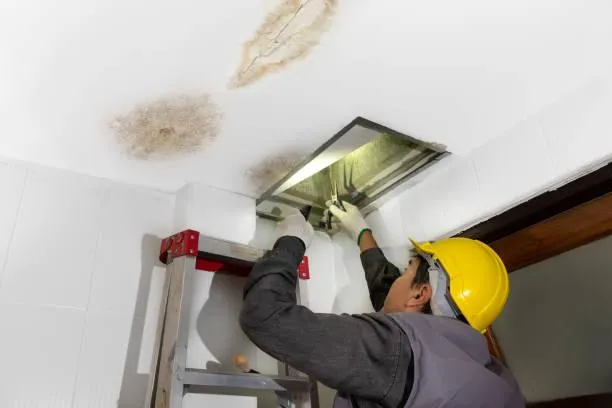
Improve Indoor Air Quality In Allendale
Improving indoor air quality in Allendale and surrounding areas is essential for creating a healthier and more comfortable indoor environment. Poor air quality can allow dust, allergens, odors, and contaminants to circulate through your HVAC system, affecting both comfort and health. Regular duct cleaning and timely maintenance help ensure clean airflow, balanced temperatures, and efficient system performance throughout homes and commercial spaces.
How Do Allergy Symptoms Relate to Dirty Air Ducts?
Dirty ducts can continuously circulate allergens such as pollen, pet dander, and dust mites. This may worsen allergy symptoms, respiratory irritation, and general discomfort indoors. Cleaning the duct system reduces airborne irritants and supports healthier breathing conditions.
Does Uneven Airflow Mean Your Ducts Need Attention?
Uneven airflow often results from debris partially blocking sections of ductwork. This restriction forces HVAC systems to work harder to maintain indoor temperatures. Cleaning restores proper airflow balance and helps reduce strain on the system.
Can Visible Mold Near Vents Indicate Duct Contamination?
Mold growth around vents is a strong indicator of moisture and contamination inside the duct system. Mold spores can affect both indoor air quality and occupant health. Professional duct cleaning addresses these concerns safely and helps prevent further spread.
Why Do Rising Energy Costs Point to Dirty Ducts?
When ducts are clogged with debris, HVAC systems must run longer to reach desired temperatures. This increased workload leads to higher energy consumption and utility costs. Clean ducts allow systems to operate more efficiently and economically.
Are Recent Renovations a Reason to Clean Air Ducts?
Renovation projects often introduce construction dust, drywall particles, and debris into duct systems. These contaminants can continue circulating long after the project ends. Post-renovation duct cleaning helps restore clean indoor air and prevents lingering dust issues.
How Does Pest Activity Relate to Duct Cleaning Needs?
Rodents or insects may leave behind droppings, nesting materials, and debris inside ductwork. This contamination can cause odors and compromise air quality. Duct cleaning removes these unwanted materials and helps maintain a healthier indoor space.
When Should Professional Duct Cleaning Be Scheduled Immediately?
If multiple warning signs appear at the same time, immediate professional cleaning is recommended. Delaying service can worsen air quality and increase system strain. A professional inspection helps confirm urgency and ensures proper corrective action.
Why Is Professional Duct Cleaning Important for Long-Term Air Quality?
Professional cleaning reaches deep within the duct system where household cleaning cannot. This ensures contaminants are fully removed rather than redistributed. Long-term benefits include cleaner air, improved comfort, and better HVAC performance.
How Does Cleaner Indoor Air Improve Daily Comfort?
Cleaner air reduces odors, minimizes dust accumulation, and supports consistent temperatures. This creates a more comfortable and pleasant indoor environment. Improved air quality also contributes to better overall well-being.
What Maintenance Steps Help Maintain Improved Indoor Air Quality?
Regular filter changes, periodic duct inspections, and scheduled professional cleanings help maintain air quality improvements. These steps prevent buildup from returning and support efficient HVAC operation year-round.
Final Thoughts
Improving indoor air quality in Allendale is a proactive step toward healthier living and better HVAC performance. Recognizing warning signs early and scheduling professional duct cleaning helps reduce allergens, control odors, and improve energy efficiency. Consistent maintenance ensures cleaner air, enhanced comfort, and long-term protection for your indoor environment.

What causes poor indoor air quality in homes?
Poor indoor air quality is commonly caused by dust buildup, allergens, moisture, mold, and contaminated ductwork circulating pollutants throughout the space.
How often should air ducts be cleaned?
Air ducts are generally recommended to be cleaned every few years or sooner if dust, odors, allergies, or airflow issues become noticeable.
Can duct cleaning really reduce allergies?
Yes, removing dust, pollen, and pet dander from ducts can significantly reduce airborne allergens and improve breathing comfort.
Is duct cleaning helpful for energy efficiency?
Clean ducts allow HVAC systems to operate more efficiently, which can lower energy usage and reduce utility costs.
Does duct cleaning improve overall HVAC lifespan?
Reducing system strain through clean airflow can help extend the lifespan of HVAC components and reduce repair needs.
Contact Us
Terms & Conditions
Privacy Policy