
Regulations for Drain Field Placement Near Water Sources in Apopka, Florida and Surrounding Areas
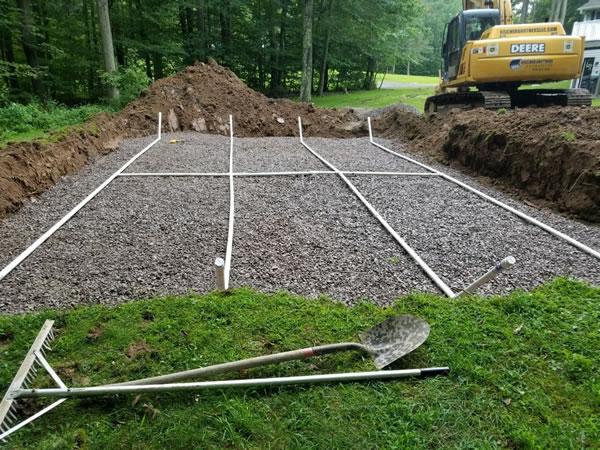
Maintaining proper drain field placement is essential to protect nearby water sources and ensure the longevity of your septic system. Residents of Apopka, Florida, and surrounding areas including Ocoee, Zellwood, and Winter Garden must adhere to local regulations to prevent contamination and environmental damage. Understanding the legal requirements, soil testing, and distance guidelines can help homeowners avoid costly repairs and maintain a safe water environment.
What are the regulations for drain field placement near water sources?
Local and state regulations require that drain fields be placed a safe distance from rivers, lakes, wells, and other water sources to prevent contamination. Septic systems must comply with environmental safety guidelines and undergo proper soil evaluations before installation to ensure proper filtration and absorption.
How far should a drain field be from a well or water source?
The minimum distance from a drain field to a water source often depends on soil type, terrain, and local regulations. In Apopka and surrounding towns, this distance typically ranges from 50 to 100 feet, ensuring that wastewater does not seep into drinking water or nearby streams and lakes.
What soil testing is required before installing a drain field?
Soil testing is essential to determine its absorption capacity and drainage characteristics. Authorities in Ocoee, Zellwood, and Winter Garden recommend percolation tests and soil evaluations to ensure the ground can handle effluent without contaminating groundwater.
Can a drain field be placed on sloped terrain?
Drain fields on sloped areas require special design considerations to prevent runoff into nearby water sources. Terracing, proper pipe alignment, and retaining systems may be required by local regulations to ensure safe wastewater absorption.
Are there restrictions on planting near a drain field?
Yes, planting trees or shrubs with deep roots near a drain field can damage pipes and disrupt wastewater flow. Regulations in Apopka and surrounding areas advise planting only shallow-rooted vegetation to maintain system integrity and protect nearby water sources.
How often should a drain field be inspected?
Periodic inspection is necessary to monitor system health and prevent leaks. Experts in Ocoee and nearby towns recommend annual inspections by licensed professionals to ensure the drain field operates effectively and meets regulatory requirements.
What should homeowners do if their drain field is too close to a water source?
If a drain field is too close to a river, lake, or well, homeowners should consult a licensed septic professional. Relocation or system redesign may be required to comply with safety regulations and protect the environment.
Are there permits required for drain field installation?
Yes, in Apopka, Florida, and surrounding areas, homeowners must obtain permits from local authorities before installing a new drain field. Permits ensure compliance with state and local wastewater management laws and prevent potential fines or environmental hazards.
How do regulations protect local water sources from contamination?
Regulations establish safe distances, soil testing requirements, and system maintenance standards. These rules help prevent pollutants from reaching rivers, lakes, and drinking water sources, protecting public health and preserving the local ecosystem.
Can homeowners perform drain field maintenance themselves?
Basic maintenance like monitoring water usage, avoiding heavy machinery on the field, and preventing root intrusion can be done by homeowners. However, inspections and repairs should be performed by certified professionals to comply with local regulations and ensure system safety.
Final Thought
Proper drain field placement is vital to maintaining safe water quality in Apopka, Florida, and surrounding areas such as Ocoee, Zellwood, and Winter Garden. By following regulations, conducting soil tests, maintaining safe distances, and scheduling regular inspections, homeowners can protect both their property and the environment. Compliance with these rules ensures long-term functionality and prevents contamination of valuable water sources.
How do I know if my drain field is violating regulations?
Signs include foul odors, slow draining water, or visible pooling. A licensed septic professional can assess compliance and recommend corrective actions.
What happens if wastewater reaches a nearby water source?
Contamination can lead to environmental hazards, health risks, and legal penalties. Immediate corrective measures are necessary to prevent further damage.
Is professional inspection mandatory every year?
While some maintenance tasks can be done by homeowners, annual inspections by certified professionals are highly recommended to ensure system safety and regulatory compliance.
Can rainwater or flooding affect drain field regulations?
Yes, excessive rain or flooding can cause wastewater overflow. Regulations consider slope, soil type, and drainage patterns to minimize the risk to nearby water sources.
Are there environmentally friendly drain field options?
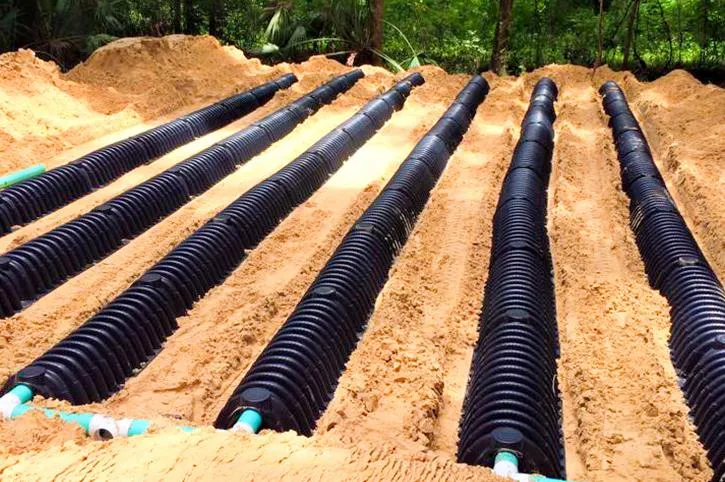
Advanced systems like aerobic treatment units or constructed wetlands can be used to reduce environmental impact while meeting local regulations.
Address: 1174 S Highland Ave, Apopka, FL, 32703
phone: +1 (407) 777-1015
Email: [email protected]