
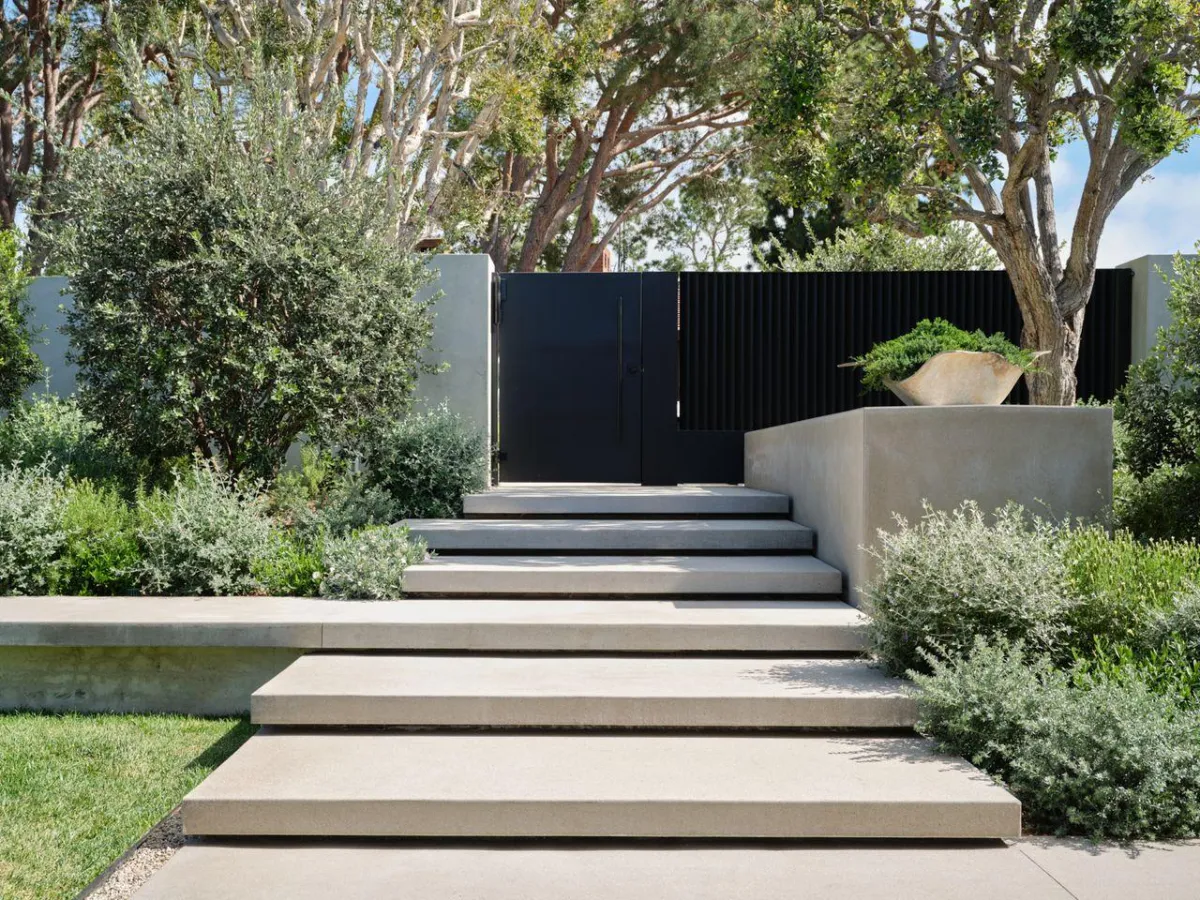
Durable Concrete Patio Construction for Outdoor Living in Fairfield, OH and Surrounding Areas
Creating a durable concrete patio in Fairfield, OH and surrounding areas requires thoughtful planning, high-quality materials, skilled craftsmanship, and weather-resistant finishing to ensure long-lasting outdoor comfort. Homeowners in this region often look for outdoor spaces that can withstand seasonal temperature changes while still adding beauty and functionality to their homes. With the right design, a concrete patio becomes a versatile extension of your living area, offering space for gatherings, relaxation, and enhanced property value.
How Can a Durable Concrete Patio Improve Outdoor Living Spaces in Fairfield, OH?
A durable concrete patio enhances outdoor living by creating a strong foundation that supports activities such as dining, lounging, entertaining guests, and setting up outdoor kitchens or fire pits. In areas with seasonal weather shifts, strength and resilience are essential features, making concrete an ideal choice. It resists erosion, supports heavy furniture, and maintains its structure more effectively than other materials. Homeowners also appreciate the flexibility in design, allowing custom textures, stains, and stamped patterns that match their backyard aesthetics.
What Design Elements Make Concrete Patios More Comfortable and Visually Appealing?
A well-designed concrete patio incorporates elements like smooth surface finishing, decorative stamping, color staining, and strategic layout planning. These features improve comfort by minimizing surface roughness and creating a visually cohesive environment. Many residents choose designs that mimic natural stone or wood to achieve a warm, inviting look without compromising durability. Proper shading, seating layout, and space allocation also help create a balanced and functional outdoor area.
Why Is Professional Site Preparation Important Before Construction?
Site preparation is crucial because the ground must be leveled, compacted, and cleared of debris to prevent cracking and uneven settling in the future. A professional contractor evaluates soil conditions, drainage possibilities, and grade sloping to ensure the patio’s long-term stability. When preparation is handled correctly, the patio can endure heavy traffic, weather shifts, and moisture exposure without suffering structural damage.
How Does Climate Impact the Durability of Concrete Patios?
Climate significantly affects concrete performance. In regions that experience freeze-thaw cycles, concrete must be mixed and installed using weather-appropriate techniques. Contractors apply sealants that repel moisture, reducing the risk of cracking during winter. Proper curing methods further enhance structural strength, ensuring the patio remains resilient despite temperature fluctuations. With climate-smart construction, the patio maintains its integrity for many years.
What Custom Features Can Be Added to Enhance Functionality?
Homeowners often add built-in seating, fire pits, outdoor kitchens, pergolas, retaining walls, or lighting features to make their patio more functional. These features transform the patio into a multi-use environment, ideal for social gatherings or quiet relaxation. Concrete can be molded to create custom benches, counter spaces, and borders, allowing for seamless integration of design elements.
How Important Is Drainage Planning in Concrete Patio Construction?
Effective drainage is crucial for preventing water accumulation, surface staining, and long-term erosion. Contractors evaluate natural slopes and install proper drainage channels or gravel layers beneath the slab. Without drainage solutions, water can weaken the base layer, leading to fractures or surface deterioration. Good drainage ensures the patio remains safe, attractive, and functional through all seasons.
What Maintenance Practices Extend Patio Lifespan?
Routine maintenance includes periodic cleaning, resealing every few years, removing stains promptly, and preventing heavy impacts like dropping excessive weights on the surface. These tasks preserve color, texture, and structural integrity. Regular inspection also helps detect minor issues early, preventing costly repairs. Despite being low-maintenance, consistent care ensures the patio remains visually appealing and long-lasting.
How Long Does Concrete Patio Construction Typically Take?
Construction time depends on patio size, design complexity, curing conditions, and site preparation. Most projects take a few days for construction and up to a month for full curing. During curing, the concrete gradually strengthens to achieve maximum durability. Contractors often advise homeowners to avoid placing heavy items until the curing process is complete.
What Are the Benefits of Choosing Concrete Over Other Patio Materials?
Concrete provides superior durability, affordability, versatility in design, and resistance to erosion. Unlike pavers or wood, concrete does not require frequent replacement or refinishing. Its seamless surface prevents weed growth and simplifies cleaning. With stamped and stained options, homeowners enjoy the beauty of premium materials without the added maintenance.
How Can Homeowners Plan the Perfect Patio Layout?
The perfect layout begins with understanding the site, the intended use, and the available space. Homeowners should consider furniture placement, traffic flow, shade options, and complementary landscaping. A professional contractor ensures the layout fits the home’s architecture and blends naturally with the surrounding yard, creating a balanced and inviting outdoor environment that aligns with lifestyle needs.
Final Thoughts
A durable concrete patio elevates outdoor enjoyment by offering long-lasting beauty, structural strength, and versatile design possibilities. With the right planning, craftsmanship, and maintenance, homeowners can enjoy a comfortable outdoor experience that enhances the overall quality of their living space.
How often should a concrete patio be resealed?
Every two to three years depending on usage and weather exposure
Can a damaged patio be resurfaced instead of replaced?
Yes, resurfacing is a cost-effective option when the foundation is still structurally sound.
Are stamped concrete patios slippery?
With the right texture and sealant, stamped concrete provides safe traction.
What is the ideal thickness for a patio slab?
Most patios require a thickness of four inches with reinforced support.
Can concrete patios support outdoor kitchens and heavy furniture?
Yes, properly built patios can support significant weight without issues.