


Call us Message Us!

Cart
Your cart is currently empty.
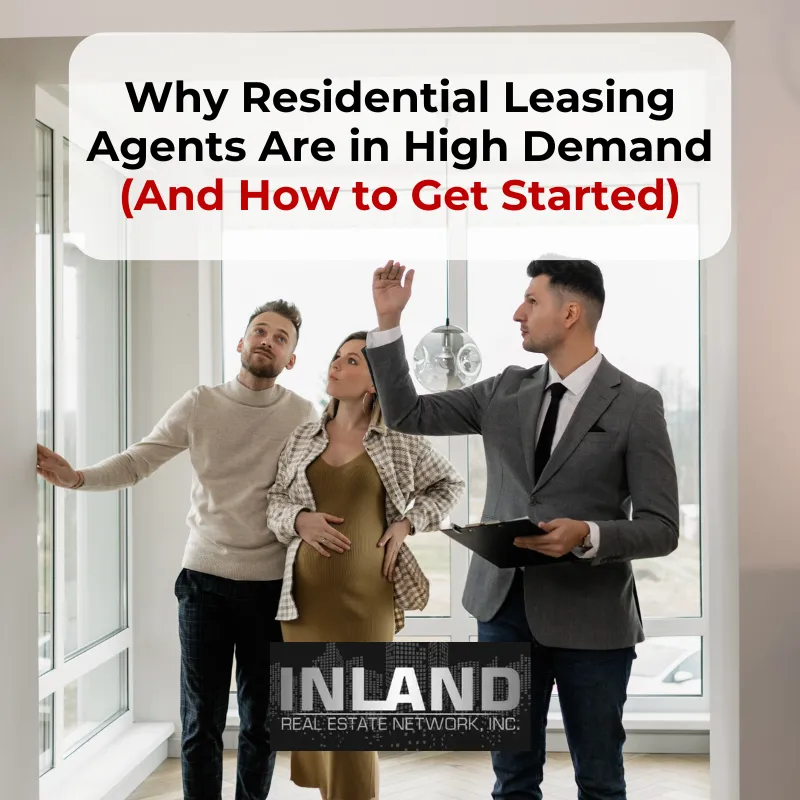
Why Residential Leasing Agents Are in High Demand
Why Residential Leasing Agents Are in High Demand (And How to Get Started)
Renting is more popular than ever. Rising home prices, shifting lifestyles, and economic uncertainty drive more people toward leasing instead of buying. That's great news for residential leasing agents! These professionals connect renters with properties, making the process smooth for tenants and landlords.
The demand for leasing agents is skyrocketing, and it's not slowing down anytime soon. More investors are purchasing rental properties, and landlords need professionals to help fill vacancies quickly. If you're wondering how to start this rewarding career, keep reading!
Why the Demand for Residential Leasing Agents Is Growing
More People Are Renting
Homeownership costs have skyrocketed. Mortgage rates are high, home prices keep climbing, and saving for a down payment is harder than ever. Many people can't afford to buy, while others prefer the flexibility of renting. Millennials and Gen Z incredibly lean toward leasing instead of purchasing a home. This shift in housing preferences creates a steady need for leasing agents.
High Turnover in Rental Properties
Rental leases typically last 12 months. That means thousands of tenants move out every year, creating a constant demand for new renters. Property owners need leasing agents to keep their units occupied and avoid income loss from vacancies. The faster an agent can fill a property, the more valuable they are to landlords and property managers.
Booming Real Estate Investment Market
More investors are buying rental properties to generate passive income. These investors don't always have the time or expertise to market their properties and find tenants. That's where leasing agents come in. They handle tenant placement, ensuring rental properties stay profitable.
Strict Rental Laws and Regulations
Landlords must follow complex leasing laws, including fair housing regulations and local rental policies. Many property owners prefer to work with leasing agents to stay compliant. Agents help ensure lease agreements are legally sound and protect both the tenant and the landlord.
What Does a Residential Leasing Agent Do?
Helping Renters Find the Right Property
Leasing agents assist renters in finding homes that fit their budget, lifestyle, and commuting needs. They schedule showings, answer questions, and guide renters through the application process. They also educate tenants on lease terms and rental responsibilities.
Marketing Rental Properties
Agents create compelling property listings, take high-quality photos, and promote rentals on various platforms. Strong marketing efforts attract tenants quickly and reduce vacancies. The best leasing agents understand how to use social media, real estate websites, and traditional advertising to generate leads.
Handling Lease Agreements
Leasing agents ensure tenants understand their rights and obligations before signing a lease. They also help landlords draft agreements that comply with local rental laws. A well-prepared lease protects both parties and minimizes disputes.
Working with Property Owners
Leasing agents act as advisors to landlords. They provide insights on rental pricing, market trends, and tenant screening. Their expertise helps property owners maximize their rental income while maintaining positive landlord-tenant relationships.
Steps to Becoming a Residential Leasing Agent
Step 1: Meet the Basic Requirements
Each state has different requirements, but most require leasing agents to be 18 years old. Some states may also need a high school diploma or equivalent.
Step 2: Complete a Leasing Agent Course
Taking leasing agent courses is the first step toward becoming a professional. These courses cover fair housing laws, lease agreements, tenant relations, and property management fundamentals.
Step 3: Pass the Leasing Agent License Exam
After completing your education, you must pass a state exam to obtain your leasing agent license. This test covers legal regulations, lease agreements, fair housing rules, and ethical responsibilities.
Step 4: Get Your Leasing Agent License
Once you pass the exam, submit your application and pay the required licensing fees. Some states require leasing agents to work under a sponsoring broker or property management firm.
Step 5: Find the Right Brokerage or Property Management Firm
Most leasing agents start by working with an established broker or property management company. This provides valuable hands-on experience and additional leasing agent training to help you succeed.
Advancing Your Career as a Leasing Agent
Continue Your Education
To maintain your license, you may need leasing agent CE courses. Continuing education helps agents stay updated on rental laws, market trends, and best practices.
Develop Strong Marketing Skills
Successful agents know how to market properties effectively. A strong online presence, professional listing descriptions, and high-quality property photos make a big difference. Social media marketing and networking also help agents find tenants quickly.
Grow Your Professional Network
Networking is key to long-term success. Joining real estate associations, attending industry events, and building relationships with landlords, brokers, and property managers can open doors to new opportunities.
Consider Becoming a Full Real Estate Agent
Many leasing agents eventually transition into complete real estate sales. Getting a real estate license allows agents to sell homes in addition to leasing properties, increasing their earning potential.
Final Thoughts: Is a Leasing Agent Career Right for You?
The demand for real estate leasing agents is growing fast. If you enjoy working with people, have strong communication skills, and want a career in real estate, this path could be a great fit.
Becoming a leasing agent is an excellent way to break into the industry without the commitment of full-scale real estate sales. The job offers flexibility, career growth, and the potential for solid earnings. The best part? You don't need years of experience to get started.
If you're ready to take the first step, research leasing agent courses today. With the proper training and determination, you could place renters in their dream homes before you know it!

Contact
Contact me
630.686.1368
20 Danada Square West, Suite 116
Wheaton, IL 60189



Connect With Us



Affiliate Disclosure
Medical Disclaimer
Privacy Policy
Terms and Conditions of Use
Ambassador/Affiliate Program
Contact Me



Wheaton, Illinois 60523. © Catalyst Group, Inc., 2016. All Rights Reserved.

