
BLOG
What Blackburn and Hawthorn Homeowners Should Know Before Choosing Polished Concrete or Epoxy Flooring
How Polished Concrete Works Compared to Epoxy Systems
Polished concrete is created by mechanically grinding and refining the existing concrete slab until it reaches a smooth, dense finish. The surface is hardened and polished through a series of grinding stages, often with densifiers applied to improve strength and sheen.
Epoxy flooring works differently. Instead of refining the slab itself, epoxy forms a coating system that bonds to the prepared concrete surface. It creates a separate protective layer that sits on top of the slab rather than becoming part of it.
In Blackburn and Hawthorn homes, polished concrete is often used in internal living spaces or renovated extensions where a continuous architectural finish is preferred. Epoxy flooring is more commonly used in garages, workshops, and utility areas where protection and durability are the main focus.
Performance in Residential Garages and High Use Areas
Garage floors in eastern Melbourne suburbs typically deal with vehicle traffic, oil exposure, dust, and moisture carried in from outside. Both polished concrete and epoxy can perform in these environments, but they respond differently over time.
Epoxy coatings provide a sealed surface that resists staining and is easier to clean in areas exposed to oil or chemical spills. This makes it a common choice for garages and storage areas.
Polished concrete is more dependent on the quality of the slab itself. If the concrete is strong and in good condition, it can provide a durable finish. However, it remains more porous than epoxy systems unless additional sealing is applied, which can influence how it handles staining.
In older Blackburn homes, garage slabs may contain cracks or surface variation that affect how both systems perform, requiring assessment before deciding on a finish.
Appearance and Design Considerations in Renovated Homes
In Hawthorn, where many homes have undergone extensive renovation, interior design often plays a major role in flooring decisions. Polished concrete is commonly chosen for open-plan living spaces because it provides a continuous, natural stone-like finish that works well with modern interiors.
The variation in aggregate exposure and sheen levels allows polished concrete to be tailored to different aesthetic preferences.
Epoxy flooring offers a different visual outcome. It provides a more uniform surface finish with options such as flake systems or metallic effects. These finishes are typically more decorative in garages, utility areas, or commercial-style interiors rather than main living spaces.
The choice often depends on whether the homeowner wants a natural concrete appearance or a more controlled and uniform surface finish.
Suitability for Older Slabs and Renovation Projects
Many homes in Blackburn contain older concrete slabs that have been in place for decades. These slabs may have previous coatings, patch repairs, or uneven surfaces from long-term use.
Epoxy systems require a stable and well-prepared surface to bond correctly, which means older slabs often need more preparation work such as grinding, crack repair, or removal of existing coatings.
Polished concrete relies directly on the condition of the slab. If the surface is too soft, heavily damaged, or contaminated, achieving a consistent polished finish can be more difficult.
In renovation projects, the condition of the slab often becomes the deciding factor in which system is more suitable.
Maintenance and Long Term Use in Eastern Suburbs Homes
Maintenance requirements differ between the two systems depending on where they are used in the home.
Epoxy flooring in garages and utility spaces generally requires regular cleaning to remove dust, grit, and vehicle residue. It is designed to be resistant to staining and easier to maintain in high-use environments.
Polished concrete in interior areas requires routine cleaning to maintain its appearance, with occasional resealing depending on traffic levels and wear patterns. Its performance is closely linked to how well the original slab was prepared and finished.
In both Blackburn and Hawthorn homes, long-term performance depends more on slab condition and preparation quality than the material choice alone.
Choosing Based on Space and Function
The decision between polished concrete and epoxy flooring is usually based on how the space will be used rather than appearance alone. Garages, workshops, and storage areas often benefit from epoxy systems due to their protective coating and stain resistance.
Living spaces and architectural renovations often suit polished concrete because of its integrated finish and natural appearance.
In many eastern Melbourne homes, both systems are used in different areas of the same property, depending on function and design requirements.


DISCOVER WHAT OUR CUSTOMERS HAVE TO SAY ABOUT US
REVIEWS
REVIEW US ON GOOGLE
our process
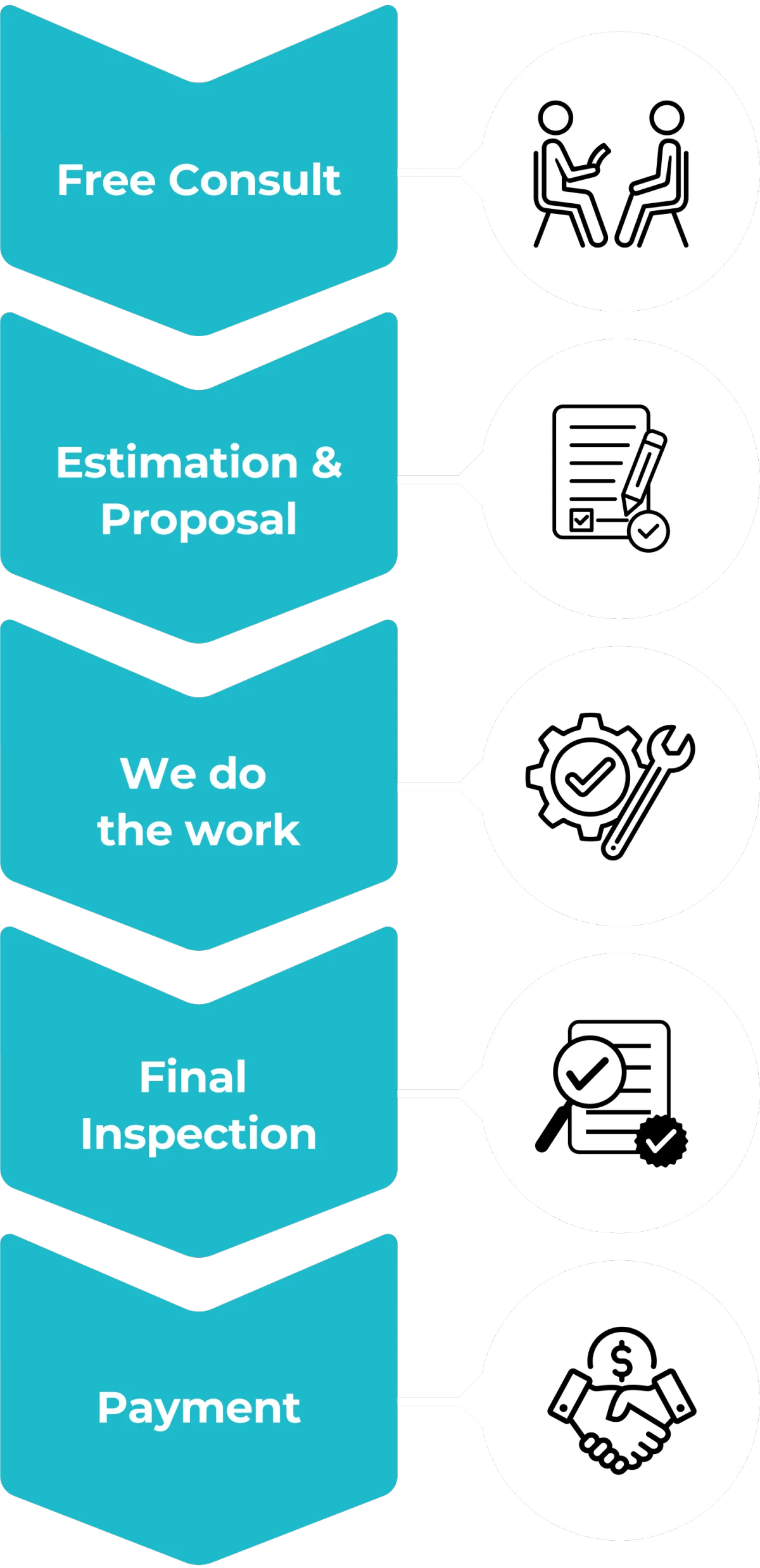
Our process is simple and only contains a few simple steps

READY TO take the next step?
get a free quote TODAY!

