Library
A curated collection of trusted guidelines, landmark research, and expert educators that inform modern hormone, thyroid, metabolic, bone, and brain health care.
Foundations
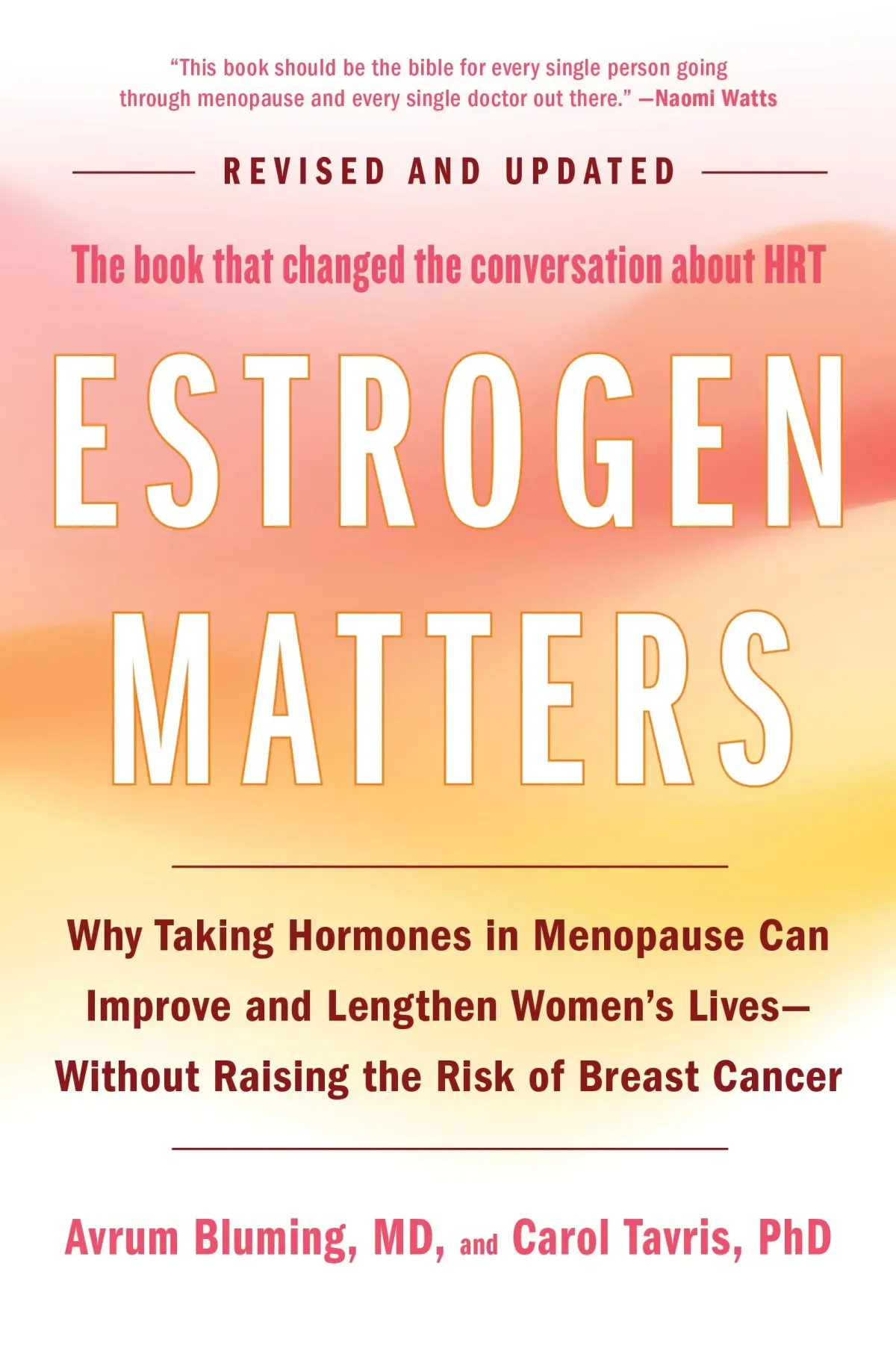
Avrum Bluming, MD
Medical oncologist/co-author of the most influential modern interpretation of hormone therapy safety.
Why this matters: This work critically re-evaluates earlier interpretations of hormone therapy risks, and highlights the importance of timing, individualized care, and updated evidence in women’s health.
STATEMENTs & Guidelines
These professional organizations provide evidence-based recommendations used in clinical decision-making.
The Menopause Society
Hormone Therapy Position Statements
Most effective treatment for vasomotor symptoms
Benefits outweigh risks for most women <60 or within 10 years of menopause
Transdermal estrogen may reduce clot risk
Endocrine Society
Menopause Clinical Practice Guideline
Recommends hormone therapy for moderate–severe symptoms
Emphasizes individualized risk assessment
Supports transdermal estrogen in higher-risk patients
International Menopause Society
Papers, Recommendations, Statements
Confirms hormone therapy as most effective treatment
Encourages individualized care
American Urological
Association
Genitourinary Syndrome of Menopause (GSM) Guideline
Supports low-dose vaginal estrogen
Improves urinary + vaginal symptoms
Minimal systemic absorption
International Society for the Study of
Women's Sexual Health
Female Sexual Health & Testosterone Therapy Publications
Supports testosterone for Hypoactive Sexual Desire Disorder (HSDD)
Recommends physiologic dosing
Emphasizes sexual health as essential
Research
These landmark studies shaped the modern understanding of hormone
therapy and women’s health.
Women's Health Initiative
Initial data raised concern about risks
Later analysis supports importance of timing
Outcomes vary based on patient age and therapy type
ELITE Trial
Early estrogen → improved vascular outcomes
Supports timing hypothesis
Reduced atherosclerosis progression
KEEPS Trial
Early hormone therapy shows neutral/beneficial cardiovascular impact
No increased cardiovascular risk in early menopause
Supports lower-dose/transdermal use
SWAN Study
A large, multi-site U.S. study following over 3,300 women through the menopause transition.
Tracks perimenopause changes
Shows symptom variability
Identifies metabolic shifts
Danish Osteoporosis Prevention Study (DOPS)
Reduced cardiovascular disease and mortality
No increased breast cancer risk
Supports early initiation of hormone therapy
ESTHER STUDY
Oral estrogen increases risk of venous thromboembolism (VTE), while transdermal estrogen does not.
Micronized progesterone appears neutral in clot risk compared to some synthetic progestins.
Clinical/Research Experts
These clinicians and educators have influenced my approach to
hormone, thyroid, metabolic, bone, and brain health.
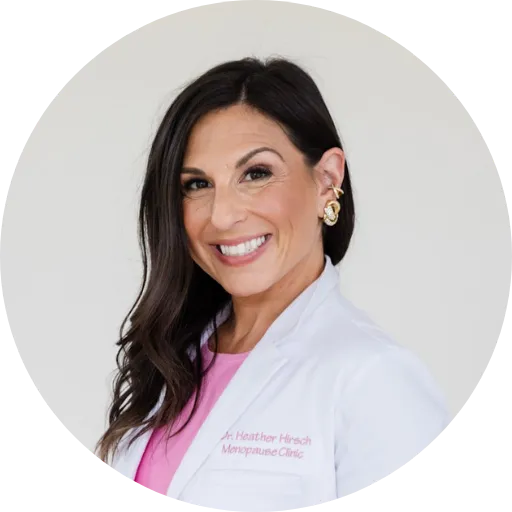
Heather Hirsch
MD, MS, NCMP

Louise Newson MBChB, MRCP, FRCGP









Learning
Areas of ongoing research and evolving evidence:
Brain health and menopause
Thyroid dysfunction in women
Testosterone therapy in women
Low-dose vaginal estrogen safety
Bone and muscle health in midlife
Perimenopause and metabolic health
Cardiovascular protection & estrogen timing
A Note from Balance & Blossom Wellness
Hormone science continues to evolve. Our approach is grounded in:
Current clinical research
Evidence-based guidelines
Functional medicine principles
Individualized optimized patient care
The goal is to support women in feeling their best while prioritizing long-term health and longevity.
Ready to Feel Like Yourself Again?
Book your consultation today and take the first step toward a healthier, more vibrant you.


Get In Touch
Lauren Zajac, MHS, PA-C, AFMCP
Balance and Blossom Wellness, PLLC
Treating The Women Of Pennsylvania, In-Person & Virtually
2214 N Atherton St., Suite 308
State College, PA 16803
(Inside the Simply Health Wellness Center, rear of building)
Office Hours: Monday-Thursday 9am-4pm
[email protected]
Connect on Social Media


Get In Touch
Lauren Zajac, MHS, PA-C, AFMCP
Balance and Blossom Wellness, PLLC
Treating The Women Of Pennsylvania, In-Person & Virtual
2214 N Atherton St., Suite 308
State College, PA 16803
(Inside the Simply Health Wellness Center, rear of building)
Office Hours: Monday-Thursday 9am-4pm
[email protected]
Connect on Social Media