
Soil Erosion Prevention Techniques for Louisiana Landscapes in Broussard, LA & Surrounding Areas
Property owners and landscapers in Broussard, Louisiana, and nearby towns like Lafayette, Youngsville, Carencro, Scott, Breaux Bridge, and New Iberia face unique soil erosion challenges due to the region’s heavy rains and soft coastal soils. Proper erosion prevention not only protects landscaping and structures but also preserves soil fertility and promotes sustainable drainage across Acadiana.
Why Is Soil Erosion a Major Concern in Broussard, LA Landscapes?
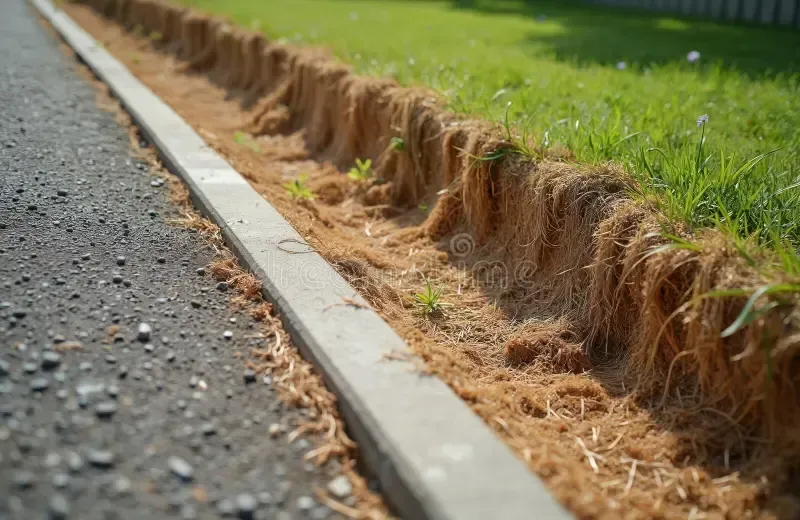
In areas such as Broussard and Lafayette, frequent rainfall, sloped terrain, and loose soil make erosion a common problem. When topsoil washes away, it can cause foundation damage, nutrient loss, and drainage issues, affecting both residential yards and commercial landscapes. Preventing erosion helps maintain landscape stability and long-term beauty.
What Are the Most Effective Soil Erosion Prevention Techniques in Louisiana?
Landscaping professionals in Youngsville, Carencro, and Scott often rely on mulching, retaining walls, terracing, and ground cover plants to reduce runoff and anchor soil. These methods slow down water movement and prevent soil displacement during heavy rain, protecting yards and gardens from long-term damage.
\How Can Vegetation Help Prevent Erosion in Broussard and Nearby Areas?
Planting native grasses, shrubs, and groundcovers is one of the most natural ways to stabilize soil in Broussard, Breaux Bridge, and New Iberia. Their root systems bind soil together, absorb excess moisture, and reduce the impact of rainfall. Plants like switchgrass, clover, and creeping juniper are commonly used for Louisiana’s humid climate.
When Should Property Owners in Broussard Consider Installing Retaining Walls?
Retaining walls are especially effective for sloped properties in Broussard, Lafayette, and Carencro. These structures hold soil in place, prevent runoff, and add a decorative element to outdoor spaces. Professionals ensure walls are properly drained and reinforced to handle Louisiana’s frequent heavy rains.
What Role Does Proper Drainage Play in Preventing Soil Erosion?
In Youngsville, Scott, and Breaux Bridge, poor drainage often leads to erosion around homes and driveways. Installing French drains, swales, or permeable pavers helps redirect stormwater safely without washing away topsoil. Regular maintenance ensures these systems stay effective year-round.
Can Mulching Really Make a Difference in Erosion Control?
Absolutely. Mulch acts as a protective barrier, shielding the soil from direct rainfall and helping retain moisture. Homeowners in Broussard, Lafayette, and New Iberia use organic mulches like pine straw, bark, or wood chips to slow water flow and protect plant roots from exposure.
How Can Property Owners Maintain Erosion Control Features in Louisiana Landscapes?
To maintain long-term effectiveness, property owners in Broussard and surrounding towns should regularly inspect retaining walls, clear drains, replace mulch, and trim overgrown plants. Consistent care ensures erosion prevention systems stay functional through Louisiana’s rainy seasons.
What Are the Environmental Benefits of Erosion Prevention in Broussard, LA?
Erosion prevention not only protects property but also supports cleaner waterways and healthier ecosystems. In Acadiana communities like Breaux Bridge and Youngsville, minimizing soil runoff reduces sediment pollution in nearby bayous and wetlands, helping preserve Louisiana’s natural beauty.
Final Thought
For homeowners and landscapers in Broussard, LA, and surrounding areas like Lafayette, Carencro, Youngsville, Scott, and New Iberia, soil erosion prevention is key to maintaining stable, healthy landscapes. With the right combination of vegetation, drainage, and structural reinforcements, properties remain attractive, safe, and environmentally sustainable year after year.
How often should erosion control systems be inspected in Broussard, LA?
It’s best to inspect erosion control systems at least twice a year, especially before and after Louisiana’s rainy seasons. Checking for clogged drains, damaged mulch, or shifting soil ensures your landscape remains stable and protected year-round.
What type of mulch works best for erosion control in Louisiana’s climate?
In humid areas like Broussard and Lafayette, organic mulches such as pine straw, shredded bark, or wood chips are ideal. They allow water to pass through while protecting the soil from heavy rainfall and heat exposure.
Can retaining walls really stop erosion on sloped properties?
Yes. Retaining walls are one of the most effective solutions for preventing soil movement on sloped or uneven terrain. When installed with proper drainage, they stabilize the soil, reduce runoff, and add a decorative touch to your yard.
Are native Louisiana plants better for erosion control?
Absolutely. Native plants like switchgrass, creeping juniper, and clover thrive in Louisiana’s weather and develop deep root systems that bind the soil. They require less maintenance and naturally prevent erosion better than many non-native species.
What are the signs that my property in Broussard is experiencing soil erosion?
Common warning signs include bare soil patches, exposed roots, puddling or standing water, washed-out mulch, or uneven ground near foundations. Addressing these issues early helps prevent costly damage and long-term soil loss.
Contact Us
Terms & Conditions
Privacy Policy