
BLOG
Common Concrete Floor Problems Found in Older Garages and Warehouses Across Footscray and Preston
Surface Wear from Heavy Use and Industrial Traffic
In industrial and mixed-use areas such as Footscray, many concrete floors have been exposed to repeated heavy loading from vehicles, machinery, and equipment. This type of use gradually wears down the surface layer of the concrete, especially in older warehouses where the slab was not designed for modern load demands.
In residential garages across Preston, surface wear is often caused by vehicle traffic combined with dirt, grit, and moisture being tracked in from outside. Over time, this creates a roughened surface and visible wear patterns, particularly near entry points and parking areas.
Worn concrete can also become more porous, allowing oils, fuels, and other contaminants to penetrate deeper into the slab, making cleaning more difficult.
Cracking Caused by Movement and Ageing Slabs
Cracking is one of the most common issues found in older concrete floors. In Footscray’s industrial buildings, cracking can result from long-term structural movement, heavy load changes, or settlement in the underlying ground.
In residential areas like Preston, cracks are often linked to natural shrinkage over time, minor ground movement, or temperature fluctuations. While many cracks are superficial, some can indicate deeper structural movement that may require assessment before any surface coating is applied.
Hairline cracks are common in older slabs and often remain stable, but wider or uneven cracks can continue to move if the underlying cause has not been addressed.
Cracks also allow moisture to travel through the slab, which can create additional issues for surface coatings if not properly treated.
Old Coatings, Paint, and Adhesive Residue
Many older garages and warehouses have been previously treated with paint, sealers, or adhesive flooring systems. In some cases, these coatings begin to peel, flake, or break down over time due to poor adhesion or environmental exposure.
In Footscray’s older industrial buildings, it is common to find multiple layers of old coatings applied over time without proper surface preparation. These layers can separate from the concrete or each other, creating unstable surfaces.
In residential Preston garages, adhesive residue from old carpet tiles, vinyl flooring, or DIY coatings is also common. These materials can prevent new flooring systems from bonding correctly if they are not fully removed during preparation.
Mechanical grinding is often required to properly remove these coatings and expose clean, sound concrete underneath.
Moisture Issues in Older Concrete Slabs
Moisture movement through concrete is a common issue in both residential and commercial properties, especially in older suburbs where construction methods may not include modern moisture barriers.
In warehouse environments around Footscray, slabs may be exposed to ground moisture, poor drainage, or fluctuating humidity levels. This can result in damp patches or efflorescence, where salts are drawn to the surface of the concrete.
In residential garages across Preston, moisture often enters through open doorways, poor ventilation, or surrounding soil conditions. Over time, this can lead to surface deterioration or coating failure if not addressed before new flooring is installed.
Moisture-related issues are often not visible on the surface but can significantly affect the performance of epoxy coatings or other sealed finishes.
Uneven Surfaces and Slab Deterioration
Older concrete slabs can develop uneven areas due to settlement, long-term use, or previous repair work. These variations in surface level are common in older warehouses and can also be found in residential garages where sections of the slab have been patched over time.
Uneven surfaces can affect drainage, create trip hazards, and reduce the effectiveness of floor coatings. High and low points may also lead to inconsistent coating thickness once a floor system is applied.
In some cases, parts of the slab may become soft or friable due to age, moisture exposure, or chemical contamination. These areas need to be identified and repaired before any flooring system is installed.
Why These Issues Matter for Floor Performance
Each of these concrete problems affects how well a new flooring system performs over time. Surface wear reduces adhesion, cracking allows movement and moisture penetration, and old coatings can prevent proper bonding.
In areas like Footscray and Preston, where many properties contain older slabs with multiple layers of use and repair, proper assessment and preparation of the concrete surface is essential before any coating or polishing system is applied.
Addressing these underlying conditions helps create a stable base that supports long-term performance and reduces the risk of premature flooring failure.


DISCOVER WHAT OUR CUSTOMERS HAVE TO SAY ABOUT US
REVIEWS
REVIEW US ON GOOGLE
our process
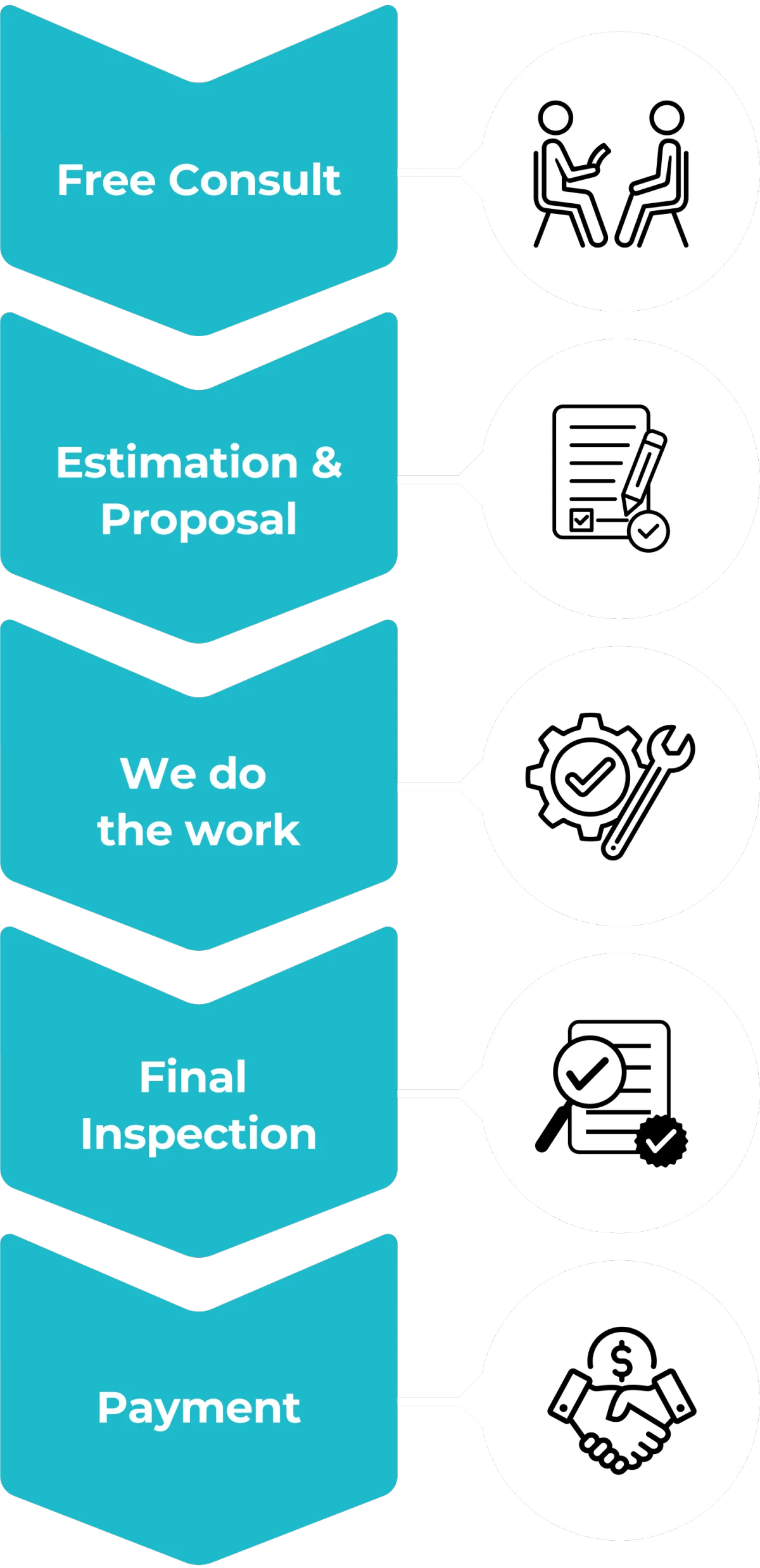
Our process is simple and only contains a few simple steps

READY TO take the next step?
get a free quote TODAY!

