
Home Electrical Troubleshooting Made Simple in Anchorage & Surrounding Areas
When electrical issues arise, knowing how to spot and solve common problems can save you time, money, and stress. At Intel Electric LLC, we provide professional electrical troubleshooting services across Anchorage, Palmer, Wasilla, Girdwood, Indian, Eagle River, Big Lake, Houston, Chugiak, Hope, and nearby Alaskan communities. Whether it’s flickering lights, frequent breaker trips, or faulty outlets, our licensed electricians are here to keep your home safe and efficient.
What Are the Most Common Electrical Issues Homeowners Face?
The most frequent electrical problems in Anchorage and surrounding towns often include flickering or dimming lights, breakers that trip more often than they should, outlets or switches that suddenly stop working, unusual burning smells coming from wiring, or electrical panels that make buzzing and humming sounds. Identifying these warning signs early is important because it can prevent costly repairs and reduce potential safety hazards.
Why Do Lights Flicker or Dim Unexpectedly?
Lights that flicker or dim are usually the result of loose wiring connections, overloaded circuits, faulty light fixtures, or even voltage fluctuations. If the problem occurs with just one fixture, the issue may be local to that outlet or light. However, if it happens throughout your home, it may signal a bigger issue with your wiring or electrical panel, which requires professional troubleshooting to ensure safety.
What Causes Circuit Breakers to Trip Repeatedly?
Circuit breakers are designed to protect your home by shutting off power when circuits are overloaded. They often trip when too many appliances are running on one circuit, when short circuits occur, or when ground faults are present. While unplugging devices may provide a temporary solution, repeated breaker trips are a strong sign that a licensed electrician should inspect your system for deeper issues.
Why Do Some Outlets or Switches Stop Working?
When outlets or switches no longer work, it is often due to loose wiring, worn-out components, or GFCI outlets that have tripped. In some cases, resetting a GFCI outlet will restore power, but if the outlet continues to remain dead, it typically means that the issue requires professional repair to restore safe functionality.
How Can You Tell If Wiring Is Faulty or Unsafe?
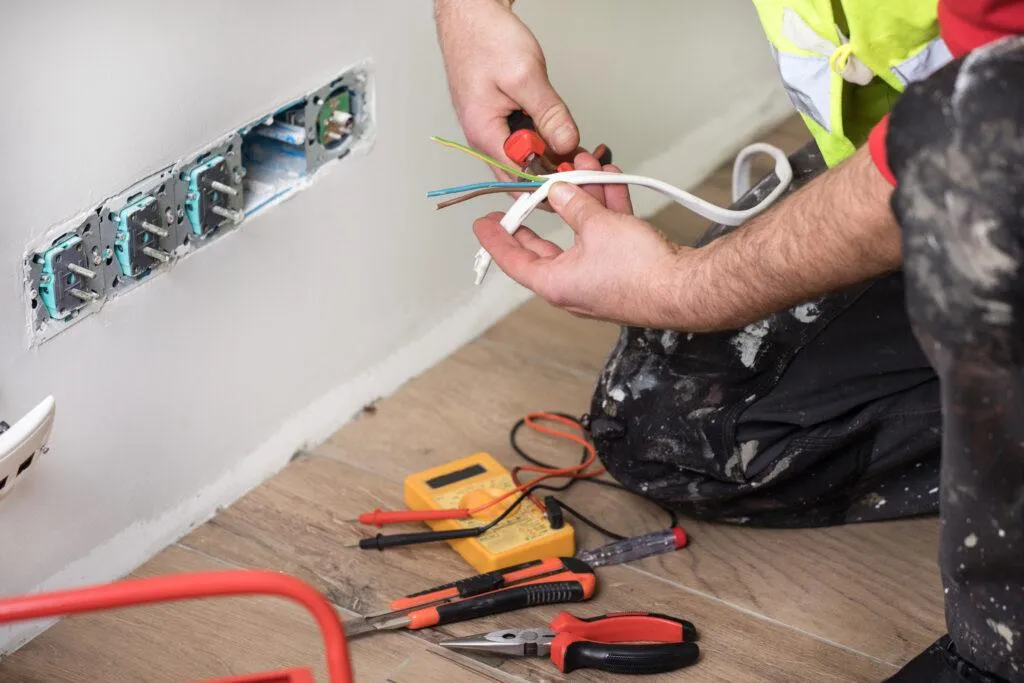
Faulty wiring often shows warning signs such as burning smells, scorch marks on outlets, warm or sparking switches, or visible rodent damage in attics and basements. Since wiring runs behind walls and can’t always be seen, a professional inspection is the safest and most reliable way to identify and correct hidden electrical hazards.
Why Does the Electrical Panel Make Buzzing or Humming Sounds?
If your electrical panel makes a buzzing or humming sound, it may be caused by overloaded circuits, loose breakers, or failing components. This is not something to ignore, as panels that overheat can become a fire hazard. To protect your home, professional panel inspections, upgrades, or repairs are essential when these noises are present.
Can You Troubleshoot Electrical Issues Yourself?
Homeowners can perform a few safe troubleshooting steps such as checking the breaker panel for tripped switches, resetting GFCI outlets, or unplugging devices from overloaded circuits. Beyond these simple steps, however, it is best to leave electrical troubleshooting to licensed electricians who can ensure both safety and compliance with Alaska’s electrical codes.
When Should You Call a Professional Electrician in Anchorage?
You should contact a licensed electrician immediately if you notice burning smells or smoke, repeated breaker trips, buzzing or sparking panels, widespread flickering lights, or electrical shocks when touching appliances. These are signs of serious electrical issues that require expert attention to avoid potential hazards.
Final Thoughts
Home electrical troubleshooting does not have to feel overwhelming. By learning to recognize the signs of potential problems, you can take steps to prevent small issues from becoming emergencies. For dependable, code-compliant electrical troubleshooting in Anchorage, Palmer, Wasilla, Girdwood, Indian, Eagle River, Big Lake, Houston, Chugiak, Hope, and surrounding Alaskan communities, Intel Electric LLC is the trusted choice. With fast response, accurate diagnostics, and long-term solutions, our team keeps your home powered safely and efficiently.
How Often Should a Home Electrical System Be Inspected?
It’s recommended to have your home’s electrical system inspected at least once every 3 to 5 years, or sooner if you live in an older house. Homes in areas like Anchorage, Wasilla, or Eagle River that experience extreme weather may benefit from more frequent inspections to ensure everything remains safe and up to code.
Is It Dangerous to Ignore Small Electrical Issues?
Yes. What may seem like a small problem, such as an outlet that doesn’t work or a light that flickers occasionally, can actually be the first warning sign of faulty wiring, an overloaded circuit, or failing electrical components. Ignoring these issues can increase the risk of fire, damage appliances, and put your family’s safety at risk.
Do Older Homes in Alaska Need Electrical Upgrades?
Many older homes in Anchorage, Palmer, and nearby areas were built with outdated electrical systems that may not support modern appliances or energy demands. If your home still has a fuse box, aluminum wiring, or limited outlets, an upgrade may be necessary to improve safety and efficiency.
Can Extreme Cold Affect Electrical Systems in Alaska?
Yes, extreme cold can impact wiring and electrical components. Frozen ground can stress underground wiring, while temperature fluctuations may cause materials to contract and expand, loosening connections. Professional electricians in Alaska understand these unique regional challenges and can provide the right solutions.
What Are the Benefits of Hiring a Licensed Electrician Instead of DIY?
Hiring a licensed electrician ensures that your repairs are done safely, meet state codes, and provide long-term reliability. While DIY fixes may seem like a money-saver, they can lead to dangerous mistakes, costly damage, or even void your home insurance if not done correctly.
Contact Us
Terms & Conditions
Privacy Policy