“Soft Skills” for healthcare success

Compassion
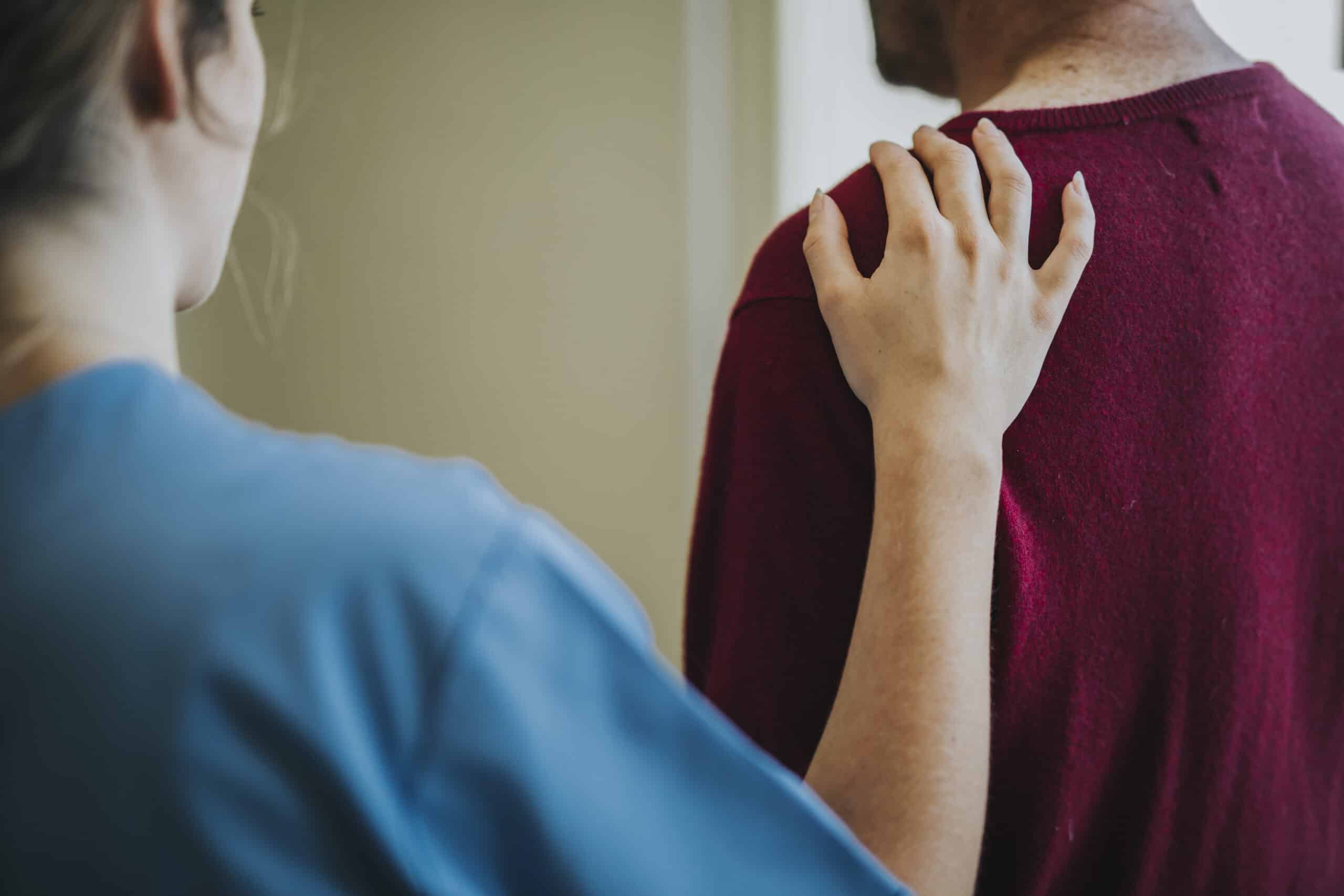
Individuals that require the services of a Certified Nurse aide (CNA) or Home Health Aide (HHA) have needs that must be addressed. They may be in pain, be sick, or are no longer able to care for themselves. Treating patients with compassion and empathy helps to reduce social isolation, depression, sadness, and anger. To recover their health, patients need to feel as if they are understood and loved. People want to be surrounded by individuals who truly care about them and their well-being.
A Certified Nurse Aide or Home Health Aide will demonstrate compassion in many ways. These may include acts of kindness, soft words, and other non-verbal cues. Sometimes, the patient just needs a CNA or HHA to simply take the time to listen to them and to understand their feelings. An experienced and compassionate healthcare worker knows this. They can help to put a patient at ease.
Demonstrating compassion comes more easily with experience. To develop these skills and gain confidence, many entry-level healthcare workers in the field are mentored by senior-level colleagues for a period of time. At CareBridge Academy, we utilize our experienced and supportive instructors to help students discover their compassion. They work to develop it over their time in the course.
Adaptability
Certified Nurse Aides and Home Health Aides will work in environments that often change rapidly and radically throughout the course of a day. Everyday activities in a nursing care facility or home-based setting are based on routine. However, with many tasks performed regularly, patient needs can change on the fly and without warning. An great healthcare worker must be capable of recognizing these developments in their patient’s needs. They need to have the ability to adapt and react quickly to new or unusual situations.
The CareBridge Academy training program helps a CNA or HHA develop confidence in changing situations. However, no amount of education can prepare a student for every scenario that he or she will encounter on the job. CNAs and HHAs need common sense, flexibility, and the ability to stay alert while on the job to adapt to new situations as they arise.
The effective ability to adapt allows Nursing Assistants and Home Health Aides to help patients experiencing medical or psychiatric emergencies. CNAs in particular need to be flexible to handle a variety of different requests from supervisors and other staff members in the medical facility.
Healthcare is an industry that is rapidly evolving. To keep up with these regular changes, CNAs and HHAs must have the ability to adapt to new situations daily. Often, several changes will occur throughout a typical workday.
Each day is different and brings its own changes in a health care setting. Patients are all unique, and they experience their own individual problems. In addition, technology is always evolving. CNAs and HHAs must stay up to date with changes and innovations.
For a CNA, they may have one day which they perform routine patient care. On other days, he or she may spend the day filling out paperwork. CNAs must be versatile in handling a variety of responsibilities while still providing consistent, high-quality care.
Team Player

Having good working relationships is critical. A normal health care facility requires that all staff members function as members of an interdisciplinary team. CNAs that can work well with other team members provide better patient care. This can lead to better patient outcomes. Nurse aides must lean on their communication skills, positive attitude, and cooperation abilities to work effectively with nurses and other healthcare team members.
Think that HHAs have more solitary roles? Think again! Just like a CNA, HHAs will need to effectively work with the team. HHAs will often work alongside or in conjunction with many healthcare workers. They may work with nurses, occupational and physical therapists, or doctors who are working with the patient. Plus, they will often work closely with administrative team members.
Because of the remote nature of being a Home Health Aide, the ability to be a team player is even more important.
Strong Communication
On most days, a nursing assistant talks with patients and their families, nurses, and doctors along with hospital staff and administration. In every situation, the ability to comprehend and be understood is critical. Nurse aides need to be able to understand and then explain, in layman’s terms, both basic and complex health and medical information.
CNAs as well as HHAs also provide clear instructions to patients. They also show compassion to individuals who are sick and injured. Plus, they interact patiently and effectively with families in situations while they are often feeling overwhelming emotions. Mastery of both verbal and body language during these encounters is critical.
Work Ethic
Regardless of the healthcare setting, both CNA nursing assistants and Home Health Aides (HHAs) perform challenging and often physically and mentally intensive work.
On a routine basis, a nursing assistant and HHA must be willing and able to move and transport patients, help patients exercise, and deal with other basic tasks. CNAs and HHAs also must possess the ability to think critically, meet patient needs, and solve problems. Good healthcare workers need a positive attitude and energy to fuel them through each day.
Detail oriented

Work accuracy is very important. This is the case whether it’s completing paperwork, carrying out basic tasks, or communicating vital statistics to other team members. Certified Nurse Aides and Home Health Aides must focus on crucial details to avoid potentially dangerous mistakes while helping to ensure patient safety.
Patience
Certified Nurse Aides (CNAs) and Home Health Aides (HHAs) often work in stressful and challenging situations. As a CNA, one will take orders from supervisors and work closely with sometimes difficult patients throughout the day.
Both CNAs and HHAs must display patience, calm, and understanding while conducting all of his or her basic tasks.
Positive Thinking

In many cases, a Certified Nurse Aide (CNA) may encounter challenging coworkers or difficult settings among patients that are in varying stages of injury or illness. CNAs that work regularly in nursing homes spend their time in resident facilities. They will likely manage patients that face mental and physical decline.
Home Health Aides face similar challenges with their patient populations. These environments can lead to the caregiver experiencing burnout and stress. The CNA and HHA’s ability to remain positive and have an upbeat attitude is vital in these circumstances.
A compassionate healthcare worker has the ability to show support and optimism. This is true even when facing situations that feel overwhelming or even impossible. This outlook affects the employee’s ability to problem solve and think critically in any scenario. Nursing assistants and Home Health Aides who believe that they can overcome any challenge will find it easier to reason through difficulty and come up with resourceful solutions.
Search Here(there shoukd be a search bar element)
Recent Resources
Carebridge Academy
It’s very good class every one it’s nice Special the teacher and Nyah she’s very helpful🥰


The school is very good. The instructor Miss Zteel is one in a millón teacher. Instructional materials are very nice and that's make learning very simple. And nyah is good!

The school was good as well as the instructor were great. I had a great experience. The school needs to provide parking for students and clinical site was not the best to send students. They also need to fix the heat in the classroom.

Awesome school I would highly recommend to every person who wants to be CNA to attend Carebridge academy the instructor Ms. Teel is the best teacher she’s very hands on and really helps you understand the material.

Nyah was very flexible with payments & Ms. Teal was an EXCELLANT instructor! I would advise anyone to attend this academy…

I had a great learning experience with Nurse Teel. She was very knowledgeable and I enjoyed every second of the program. Also, before joining the program Nyah helped me with any question I had, she was very informative. The school director Mr. Shay was always helpful, generous and made sure we had what we needed to succeed. The best team of people I’ve ever come across. I’m glad I chose to learn the in’s and out’s of becoming a CNA through Carebridge Academy! I recommend this program 100% to anyone. :)

Great school, love the experience and how professional they are. Ms Teel is an excellent teacher and I really learned a lot about being an NA. You don't just learn from the book but also it's hands-on which I love. Also Ms. Liza was a wonderful clinical instructor. I would highly recommend this school to anyone who wants to become an NA.

I had a great Experience. The Instructor Miss teal and Martinez were great at their jobs in training us

Contact us
Admissions office (By Appointment Only):
448 N. 10th St., Suite 401
Philadelphia, PA 19123
Monday to Friday, from 8:30 AM - 5:00 PM
Classroom sites (no walk-ins)
1201 Springfield Road, Darby, PA 19023
8580 Verree Rd, Philadelphia, PA 19115
448 N. 10th St., Suite 400, Philadelphia, PA 19123
Phone:
(267) 448-0803
Fax:
(215) 201-4870
Email
[email protected]
Follow us