
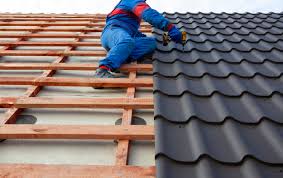
Emergency Roof Repair in Los Lunas, NM and Surrounding Areas.
If you live in Los Lunas, NM, or nearby areas such as Bosque Farms, Belen, Peralta, Isleta Village, Meadow Lake, Valencia County, and surrounding communities, roof damage can happen suddenly—especially during wind, hail, and monsoon events. Understanding what qualifies as an emergency, how storms cause damage, and what steps to take immediately can help protect your home from severe interior issues like mold, structural weakening, and costly repairs. This guide answers the most important questions homeowners ask during a roofing emergency and explains what actions you can take safely while waiting for professional help.
What Are the Most Common Emergency Roof Problems in Los Lunas?
In Los Lunas, the most common emergencies include active roof leaks, missing or lifted shingles, hail punctures, and damage from fallen branches or trees. These issues happen quickly during storms and allow water to enter the attic or living areas, which can saturate insulation, stain ceilings, create puddles, and eventually lead to mold growth. When you understand what typically causes these emergencies, you are better equipped to respond and communicate the damage clearly to your insurance adjuster or repair contractor.
How Do Local Storms Typically Damage Roofs?
Storms in Los Lunas damage roofs through a combination of wind uplift, hail impact, and flying debris. Wind uplift breaks the seal between shingles and causes them to curl or lift, exposing the roof deck to water. Hail removes protective granules, dents roofing materials, or cracks shingles, creating leak points that may appear days later. Debris from branches or nearby structures can strike or puncture the roof surface, making immediate temporary protection necessary. Understanding how these factors interact helps you choose the right short-term measures to reduce further damage.
What Immediate Actions Should Homeowners Take After a Roof Emergency?
When you notice a leak or visible storm damage, begin by catching water with buckets or containers, moving valuables away, and covering affected ceiling spots with plastic sheeting if safe. If shingles are missing or water is entering rapidly, secure a tarp over the area only if it can be done without climbing onto hazardous surfaces. Photograph all visible damage, check the attic for active drips or stains, and avoid the roof entirely if debris has fallen or structural concerns exist. These actions slow damage until a professional arrives for inspection.
How Does the Emergency Roof Repair Process Work in Los Lunas?
Emergency repair begins the moment you contact a roofing specialist. They gather basic damage information, prioritize your call based on urgency, and send a technician for an on-site inspection. The inspection includes reviewing exterior shingles or panels, flashing, roof penetrations, gutters, and attic spaces to locate active leaks or hidden issues. Once the causes are identified, professionals apply temporary stabilization like tarping to stop water intrusion. After stabilization, you receive a written estimate, photographs, and documentation to assist with insurance claims. This structured process protects your home and prepares you for long-term repairs.
What Happens During an Emergency Roof Inspection and Temporary Tarping?
An emergency inspection checks all roofing components, including shingles, metal panels, flashing, gutters, and the attic for water stains, light penetration, or rot. Safety is the priority, especially if debris or fallen branches have damaged the structure. Once issues are identified, roofers install a heavy-duty tarp secured with weather-resistant fastening methods to create a temporary watertight seal. Tarping is not permanent but significantly reduces additional interior damage while permanent repairs are scheduled and materials are prepared.
How Do Permanent Roof Repairs Move Forward After the Emergency Stage?
After the roof is stabilized, the contractor conducts a more detailed assessment to determine long-term repair needs. Permanent work often includes removing damaged shingles or panels, replacing underlayment or decking where necessary, installing new flashing, and restoring roofing materials to match the home. A final inspection follows, ensuring the roof is watertight and properly repaired. Clear documentation is provided for homeowners and insurance carriers so that the restoration process is smooth and compliant.
What Influences the Cost of Emergency Roof Repairs in Los Lunas?
Roof repair costs vary depending on the size of the damaged area, the roofing material, the time of day or week the call is placed, roof pitch, accessibility, and any hidden water damage beneath the surface. Emergency work performed at night or during storms may carry premium rates. Complex materials like metal or tile also increase cost. Early mitigation significantly reduces the chances of extensive structural repair, which is often the biggest cost factor in storm-related roofing emergencies.
How Do Insurance and Financing Options Work for Emergency Roof Repairs?
To support insurance claims, document all damage with clear photos, keep receipts for temporary measures, and report the issue to your insurer as soon as possible. Most standard homeowner policies cover storm-related roof emergencies after deductible requirements. Contractors typically help supply documentation and interact with adjusters to ensure accurate assessments. For work not covered by insurance, financing options may be available to help homeowners manage repair expenses.
Final Thoughts
Emergency roof damage can feel overwhelming, but acting quickly and understanding the steps involved makes a major difference in protecting your home. By recognizing early signs of trouble and taking safe temporary measures, you can slow water intrusion while waiting for professional help. Whether you’re in Los Lunas or nearby communities across Valencia County, prompt response, proper documentation, and strong professional support ensure your home is restored safely and efficiently. If you experience a roofing emergency, don’t hesitate to call a qualified local specialist who can stabilize and repair your roof before the damage worsens.

What should I do immediately when I notice a roof leak?
Contain water using buckets, move belongings away, and cover affected areas with plastic if safe. Photograph the damage and avoid climbing onto the roof. Call a professional right away.
How can I tell if the damage requires emergency repair?
Active leaks, missing shingles, sagging structures, or signs of interior water intrusion signal immediate attention. Any damage caused by fallen branches or large debris also qualifies as an emergency.
Is it risky to delay roof repairs after a storm?
Yes. Waiting can increase water damage, encourage mold growth, weaken structural components, and significantly raise repair costs. Fast action prevents escalating damage.
Do emergency repairs cost more at certain times?
Emergency calls at night, on weekends, or during storms often cost more due to immediate service needs and safety measures. Complex materials or hard-to-access roofs can also increase pricing.
What documentation does my insurance company need?
Clear photos, receipts for temporary mitigation, a written estimate, and damage descriptions help streamline claims and improve approval outcomes.