



BLOGS
BLOG
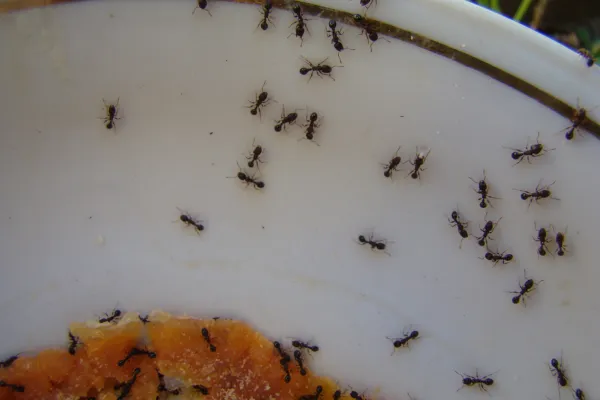
Winter Isn’t Ant-Free: How Ants Survive Cold Weather Indoors
If you think winter means a break from ants, you’re not alone — and you’re also not quite right. In Fresno and the surrounding Central Valley, homeowners are often surprised to see ants marching across kitchen counters or bathroom floors even during the colder months. While winter slows some outdoor pests, ants are incredibly adaptable. Instead of disappearing, they simply change strategy.
Understanding why ants stay active in winter, what indoor sightings really mean, and how professional pest control can help is the key to stopping infestations before they explode in spring.
Why Ants Don’t Disappear in Winter
Unlike insects that die off or go fully dormant, ants are built for survival. Most of the ant species common in the Central Valley do not truly hibernate. Instead, they enter a low-activity state and rely on colony cooperation to survive colder temperatures.
When winter arrives, ants:
Retreat underground or into insulated spaces
Slow their metabolism but remain active
Rely on stored food and nearby resources
Follow heat, moisture, and shelter
Homes provide the ideal winter refuge — stable temperatures, protection from rain and cold, and consistent access to food and water.
Common Ant Species Active During Winter
Not all ants behave the same, which is why winter infestations can vary from home to home.
Argentine Ants
One of the most common winter invaders in the Valley. These ants form massive colonies and are notorious for invading kitchens and bathrooms in search of food and moisture.
Odorous House Ants
Often detected by the unpleasant smell they release when crushed. These ants are highly adaptable and commonly nest in wall voids during winter.
Pavement Ants
These ants nest under concrete slabs, foundations, and sidewalks — making homes an easy target when temperatures drop.
Knowing the species matters because each requires a different treatment strategy. This is one of the main reasons DIY solutions often fail.
How Ants Survive Cold Weather Indoors
Ant colonies rely on structure and communication to survive winter conditions.
Nest Relocation
Ants frequently relocate nests closer to heat sources — inside walls, under flooring, or near foundations. Once inside, they’re protected from temperature swings and predators.
Moisture Dependency
Winter rain, condensation, and plumbing leaks create moisture pockets ants depend on. Bathrooms, kitchens, laundry rooms, and water heaters become prime zones.
Trail Reinforcement
Even in winter, ants leave scent trails. Once one ant finds a food source, the rest quickly follow — which is why infestations seem to “appear overnight.”
Why Seeing Ants in Winter Is a Serious Warning Sign
Seeing ants in summer can be seasonal. Seeing them in winter usually means something more serious.
Winter ant activity often indicates:
A nest inside or directly next to the structure
A long-established colony
Access to moisture or food you may not notice
Structural entry points that haven’t been sealed
Because ants are less visible in winter, homeowners often underestimate the problem — allowing colonies to grow undisturbed until spring.
Health and Property Risks of Winter Ant Infestations
Ants aren’t just annoying. Left untreated, they can cause real issues.
Food Contamination
Ants crawl through trash, drains, and hidden spaces before reaching your food prep areas. This increases the risk of contamination in kitchens and pantries.
Structural Concerns
Some ant species nest inside walls, insulation, and foundations. Over time, this can lead to moisture buildup and hidden damage.
Rapid Spring Infestations
A colony that survives winter indoors can multiply rapidly once temperatures rise, leading to overwhelming infestations that are harder and more expensive to control.
Why DIY Ant Control Fails More Often in Winter
Store-bought sprays and traps are designed to kill visible ants — not the colony.
Common DIY pitfalls include:
Spraying foraging ants while the nest survives untouched
Using repellents that cause colonies to split and spread
Applying incorrect bait types for the species
Treating indoors only while nests remain outside
Winter ants are strategic. If they sense danger, they retreat deeper into walls and foundations — making the problem worse.
Practical Winter Prevention Tips for Homeowners
While professional treatment is the most effective solution, these steps can reduce activity:
Seal cracks around windows, doors, and foundations
Repair leaky pipes and eliminate standing moisture
Store food in airtight containers
Clean crumbs, grease, and spills promptly
Reduce clutter near walls and under sinks
Avoid overwatering landscaping near foundations
These steps help support treatment, but they rarely eliminate winter infestations on their own.
How Valley Wide Pest Control Can Help
This is where Valley Wide Pest Control truly stands out.
Winter ant control requires more than surface treatments. It requires understanding seasonal behavior, nesting patterns, and entry points — all of which are addressed through professional service.
What Professional Winter Ant Control Includes
Detailed inspections to locate nests and hidden activity
Identification of ant species for targeted treatment
Treatments designed to eliminate colonies, not scatter them
Safe, effective products for families and pets
Exterior and interior strategies that work together
Preventative plans to stop reinfestation before spring
Rather than reacting to visible ants, Valley Wide Pest Control focuses on long-term solutions that protect your home year-round.
Why Winter Is the Best Time to Treat Ants
Most people wait until ants become overwhelming in spring — but by then, colonies are already established.
Treating ants in winter:
Eliminates colonies while they’re concentrated
Prevents spring population explosions
Reduces recurring infestations year after year
Saves money on repeat treatments
Protects your home before peak pest season
Winter pest control is proactive, not reactive — and far more effective.



© 2024 Valley Wide Pest Control. All rights reserved.