
Stump Grinding Services Near Me in Leesville, SC & Surrounding Areas
When homeowners and property owners in Leesville, SC search for stump grinding services, they often want to know what the process involves, how long it takes, and what to expect from local professionals. Whether you’re in Batesburg-Leesville, Gilbert, Lexington, Pelion, Swansea, West Columbia, Red Bank, Summit, Monetta, Wagener, or other nearby areas, understanding stump grinding expectations helps you plan your yard restoration with confidence.
What Exactly Is Stump Grinding and How Does It Work in Leesville, SC?
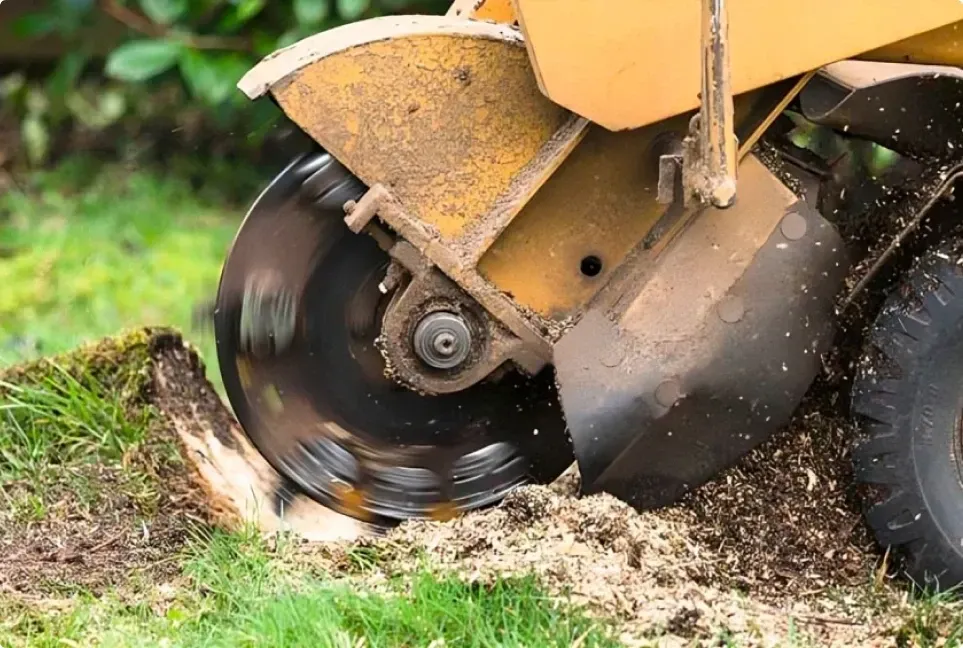
Stump grinding is the process of using a high-powered machine to shave a tree stump down below ground level. Local professionals in the Leesville area grind the stump into mulch, making the ground level and ready for replanting or landscaping.
How Deep Do Stump Grinding Services Usually Go?
Most services grind the stump 4–12 inches below surface level. In areas like Gilbert, Red Bank, and Pelion, deeper grinding may be recommended to prevent regrowth or to prepare the ground for new construction.
Does Every Tree Stump Require Grinding?
Not all stumps must be removed, but stumps in high-traffic areas or near structures often need grinding. In communities like Lexington or West Columbia, grinding is common to keep yards safe and visually appealing.
How Long Does a Typical Stump Grinding Job Take?
Most grinding jobs take 15 minutes to an hour, depending on stump size and hardness. Larger stumps in rural areas near Wagener or Monetta may require additional time and specialized equipment.
Can Stump Grinding Prevent Pest Problems?
Yes. Old stumps attract termites, ants, and other pests. This is why homeowners in places like Summit and Swansea often choose grinding to protect their property and prevent infestations.
Is Cleanup Included After Grinding?
Many Leesville stump grinding services include debris removal, though some offer it as an add-on. Mulch from the stump can be hauled away or left on-site depending on your preference.
What Should You Do Before Scheduling Stump Grinding?
Before booking, you should identify utility lines, remove yard obstacles, and confirm property access. Areas like Pelion and Gilbert often require verifying underground lines due to larger rural lots.
Do You Need Permits for Stump Grinding in Leesville?
Tree removal sometimes requires permits depending on location, but stump grinding itself usually does not. This can vary in towns like Lexington or West Columbia, where local regulations differ.
How Does Pricing Work for Stump Grinding in the Leesville Area?
Costs usually depend on stump diameter, hardness, location, and root depth. Jobs in more wooded or uneven areas such as Wagener or Monetta may be priced higher due to accessibility and equipment needs.
Can Multiple Stumps Be Ground in the Same Visit?
Yes. Many homeowners in Batesburg-Leesville, Gilbert, and other surrounding towns choose to grind several stumps at once, which often lowers the cost per stump and speeds up landscaping projects.
Final Thoughts
Stump grinding is one of the quickest and most effective ways to restore your outdoor space after tree removal in Leesville, SC and nearby areas. Whether you're in Batesburg-Leesville, Lexington, Gilbert, Pelion, Red Bank, Swansea, Summit, Monetta, Wagener, or West Columbia, understanding what to expect helps you choose the right service and avoid surprises. With proper preparation and clear expectations, stump grinding can dramatically improve your yard’s appearance, safety, and long-term health.

How soon can I replant or landscape after stump grinding?
You can usually begin landscaping immediately after grinding, though replanting a new tree might require removing more roots or adding fresh soil.
Will stump grinding damage my yard?
No, the process is designed to minimize impact. Professionals take care to avoid damaging turf, sprinkler systems, or surrounding plants.
What happens to the mulch created during grinding?
You can choose to keep the mulch for landscaping or have it removed. Many homeowners keep it to fill the hole or use it around flower beds.
Can stump grinding remove all roots?
Grinding removes most visible roots near the stump, but deeper or wider-spreading roots may remain underground. These typically decay naturally.
Do I need to be home during stump grinding?
You don’t always need to be home as long as the contractor has clear access to the stump. Some homeowners in rural areas choose to be present to guide access or property entry.