
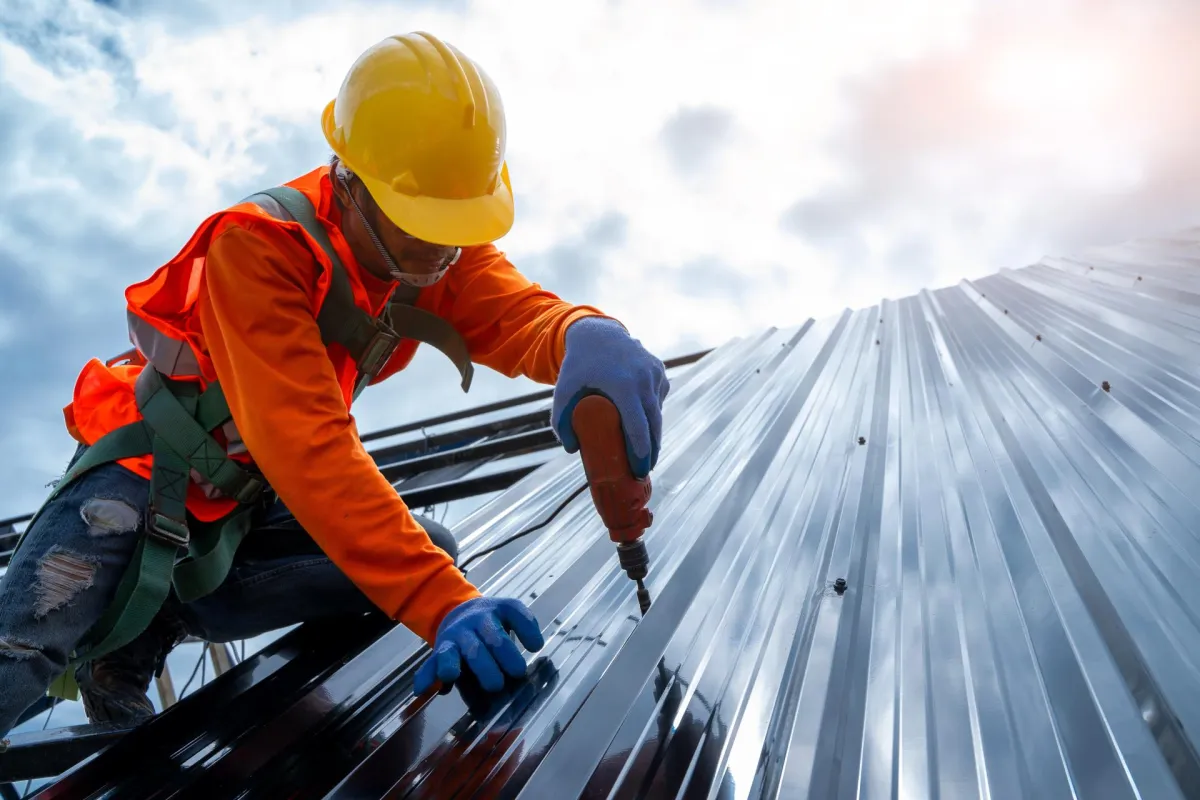
Top Roofer Services for Commercial Buildings in Austin, TX and Surrounding Areas
Commercial properties in Austin, TX and nearby areas like Sunset Valley, Terry Town, Bee Caves, Lakeway, Leander, Round Rock, Cedar Park, Kyle, and Buda rely on professional roofing services to protect their investments. From new installations to emergency repairs, skilled roofing contractors deliver durable, code-compliant solutions that safeguard businesses against weather damage and energy loss. With expertise in flat roofs, metal systems, coatings, and preventive maintenance, Austin commercial roofing companies help extend roof life and reduce long-term costs.
What Types of Commercial Roofing Services Are Available in Austin?
Roofing companies in Austin offer installation, repair, maintenance, and replacement for flat roofs, TPO, EPDM, modified bitumen, and metal roofing systems. They also provide inspections, leak detection, and roof coatings designed to increase durability and energy efficiency.
Why Is Preventive Roof Maintenance Important for Austin Businesses?
Preventive maintenance ensures early detection of leaks, cracks, or drainage problems before they cause interior damage. Regular inspections and minor repairs save Austin businesses in Sunset Valley, Bee Caves, and Cedar Park from costly emergency repairs while extending roof life.
How Do Roofing Contractors Handle Emergency Repairs in Austin?
When storms or unexpected damage occur, roofing contractors respond quickly with tarping, leak sealing, and structural stabilization. This fast action helps prevent water intrusion and business disruption in areas like Round Rock, Lakeway, and Kyle.
What Are the Benefits of Energy-Efficient Commercial Roofing?
Energy-efficient roofing materials such as reflective coatings or insulated systems reduce cooling costs, regulate indoor temperatures, and improve sustainability. Austin businesses in Buda, Leander, and Terry Town benefit from lower utility bills and improved comfort.
How Do You Choose the Right Commercial Roofing Contractor in Austin?
Choosing a roofing contractor means looking for licensing, insurance, experience with commercial systems, and proven local references. Businesses in Austin and surrounding towns should also consider companies offering detailed estimates, warranty options, and 24/7 emergency support.
What Roofing Materials Are Best Suited for Austin’s Climate?
In Austin’s hot summers and occasional severe storms, durable materials such as TPO membranes, metal roofing, and modified bitumen perform best. These materials resist UV damage, reflect heat, and handle heavy rainfall, making them ideal for long-term performance.
How Can Roof Inspections Help Avoid Major Repairs?
Regular inspections in areas like Lakeway, Cedar Park, and Round Rock help detect small cracks, membrane separations, or ponding water before they turn into expensive repairs. Professional inspections also ensure compliance with warranty requirements.
What Role Do Roof Coatings Play in Extending Lifespan?
Roof coatings add a protective layer that reflects sunlight, seals small leaks, and reduces wear from UV rays and weather. Businesses in Austin, Kyle, and Buda often use coatings to restore aging roofs and avoid premature replacements.
Final Thoughts
Commercial roofing is a vital investment for businesses in Austin, TX and nearby areas including Sunset Valley, Terry Town, Bee Caves, Lakeway, Leander, Round Rock, Cedar Park, Kyle, and Buda. Whether you’re dealing with storm damage, planning a new installation, or looking for preventive maintenance, choosing an experienced roofing contractor ensures long-lasting protection, compliance with local codes, and cost savings over time. By partnering with trusted professionals, businesses can safeguard their property, improve energy efficiency, and maintain operations without unexpected disruptions.
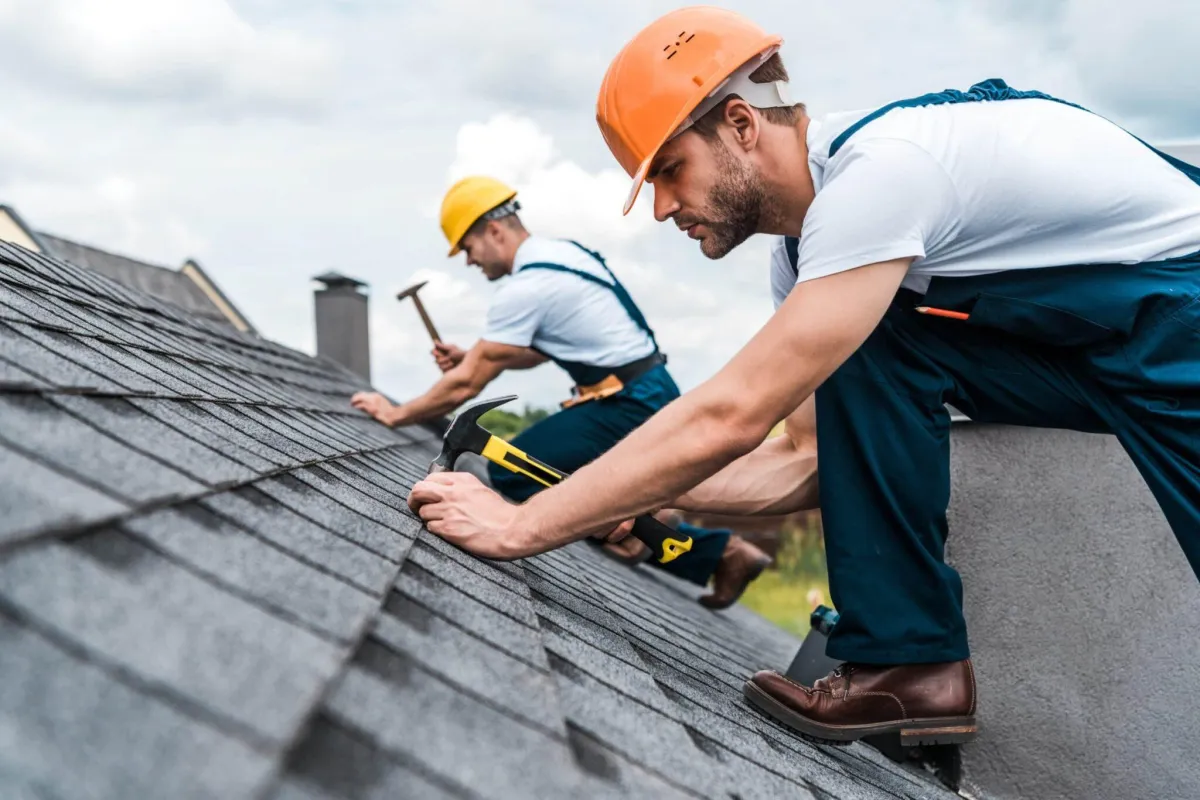
How often should commercial roofs in Austin be inspected?
Commercial roofs should typically be inspected twice a year—once in the spring and once in the fall. Inspections after severe weather events are also recommended to detect hidden damage early.
What types of roofing materials are best for commercial buildings in Austin and surrounding areas?
Popular choices include TPO, EPDM, and modified bitumen for flat roofs, while metal roofing is preferred for durability and energy efficiency. The best option depends on building design, budget, and energy needs.
Can roofing contractors in Austin help with insurance claims?
Yes, many professional roofers assist businesses with insurance claims by providing detailed inspection reports, documentation, and repair estimates to streamline the process.
What are the signs that a commercial roof needs replacement instead of repair?
Persistent leaks, extensive water damage, visible sagging, and repairs that no longer hold up are key indicators that a full roof replacement may be more cost-effective than ongoing patchwork.
How can preventive maintenance extend the life of a commercial roof?
Routine maintenance such as clearing debris, resealing joints, checking for ponding water, and repairing minor cracks prevents costly damage and significantly extends the roof’s service life.
Contact Us
Terms & Conditions
Privacy Policy