
Unprogrammed appropriations
Decision to veto nearly P92.5 billion in unprogrammed appropriations
Tap to view
👁
Mixed

Your support keeps independent commentary alive.
☕ Buy us a coffee and keep the conversation going


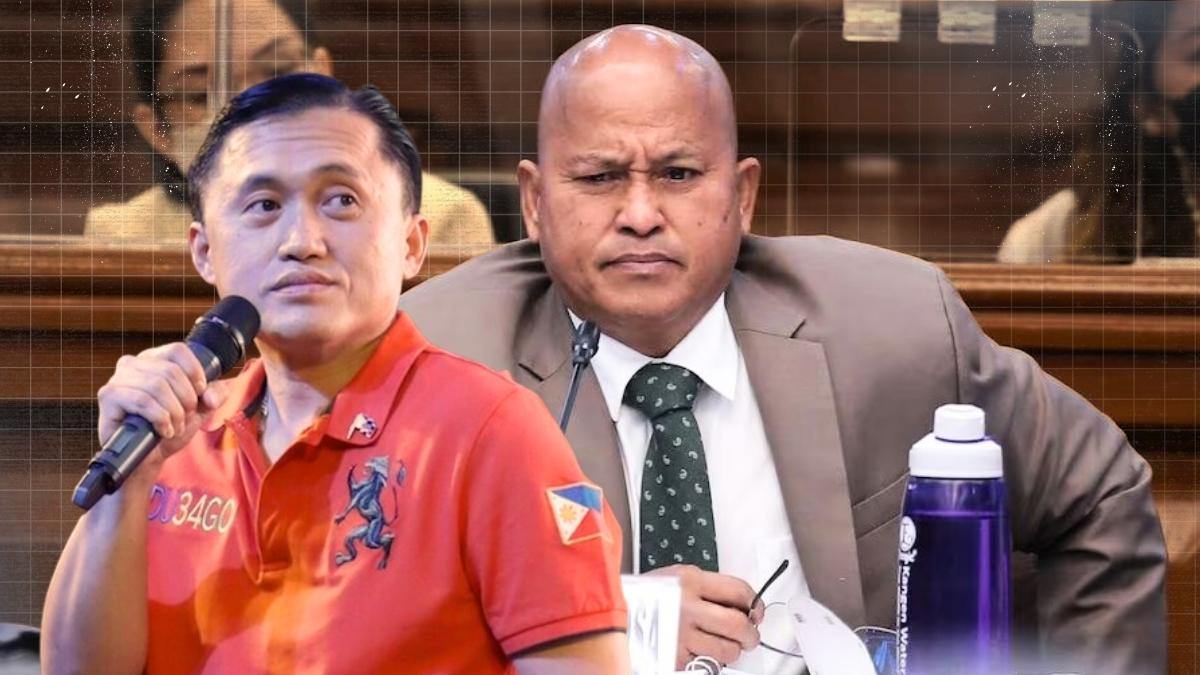
A recent international development has drawn renewed attention to the Philippines’ controversial anti-drug campaign. According to reports, Ronald dela Rosa and Bong Go were mentioned in a charging document filed before the International Criminal Court (ICC) related to the case involving former President Rodrigo Duterte.
It is important to clarify what this development means—and what it does not mean.
A charging document filed before the ICC outlines allegations and legal theories submitted by the prosecution. It identifies individuals connected to the case—whether as primary accused, co-perpetrators, or persons of interest—depending on the prosecution’s argument.
Being “named” in such a document does not automatically mean indictment, conviction, or even formal charges against those individuals. It can indicate mention in the narrative of events, alleged roles, or contextual references.
The ICC has been examining alleged crimes against humanity in relation to the Philippine anti-drug campaign implemented during President Duterte’s administration.
While the Philippines formally withdrew from the ICC in 2019, the tribunal maintains jurisdiction over alleged crimes committed while the country was still a member state.
The ICC process involves several stages:
Preliminary examination
Investigation
Application for arrest warrants
Pre-trial confirmation of charges
Trial (if charges are confirmed)
Legal experts emphasize that proceedings at this stage remain procedural.
Senator Bong Go has reportedly described the ICC document referencing him as “unfounded,” while Senator Dela Rosa has previously expressed his position that the ICC lacks jurisdiction over Philippine officials.
Both have consistently denied wrongdoing.
Under international law, individuals named in documents remain presumed innocent unless proven guilty in a court of law.
The ICC’s authority over Philippine nationals remains politically and legally contentious within the country.
Supporters of ICC involvement argue:
The tribunal ensures accountability in cases where domestic remedies are perceived as insufficient.
International mechanisms provide independent oversight.
Critics argue:
Philippine courts remain fully operational.
Sovereignty and domestic jurisdiction should prevail.
Withdrawal from the ICC limits its reach.
This tension between sovereignty and international accountability continues to shape public debate.
The inclusion of sitting senators in international legal documents carries political weight, regardless of legal outcome.
Potential impacts include:
Diplomatic considerations
Public perception shifts
Election cycle narratives
Institutional reactions from the Executive and Legislative branches
However, legal processes often move slowly and methodically.
If arrest warrants are sought or issued, enforcement depends on cooperation from member states.
The ICC does not have its own police force. It relies on state cooperation.
Should domestic authorities decline cooperation, enforcement becomes complicated and heavily dependent on international travel or diplomatic changes.
This development represents a procedural step in a long-running legal and political process.
Key points to remember:
Being named is not equivalent to conviction.
Legal processes require evidence evaluation and judicial review.
Political reactions often outpace courtroom timelines.
The situation remains fluid.









Disclaimer: This site uses publicly available images and materials for news, satire, and commentary. All rights belong to their respective owners. No copyright infringement intended.
© 2025 Politikanta Minute. All Rights Reserved.
Political Commentary • Satire • Faith-Based Reflection
Some visuals may be AI-generated for satire and illustration. Not real footage unless stated.
