Unprogrammed appropriations
Decision to veto nearly P92.5 billion in unprogrammed appropriations
Tap to view
👁
Mixed

Your support keeps independent commentary alive.
☕ Buy us a coffee and keep the conversation going


Is it accountability—or strategy?
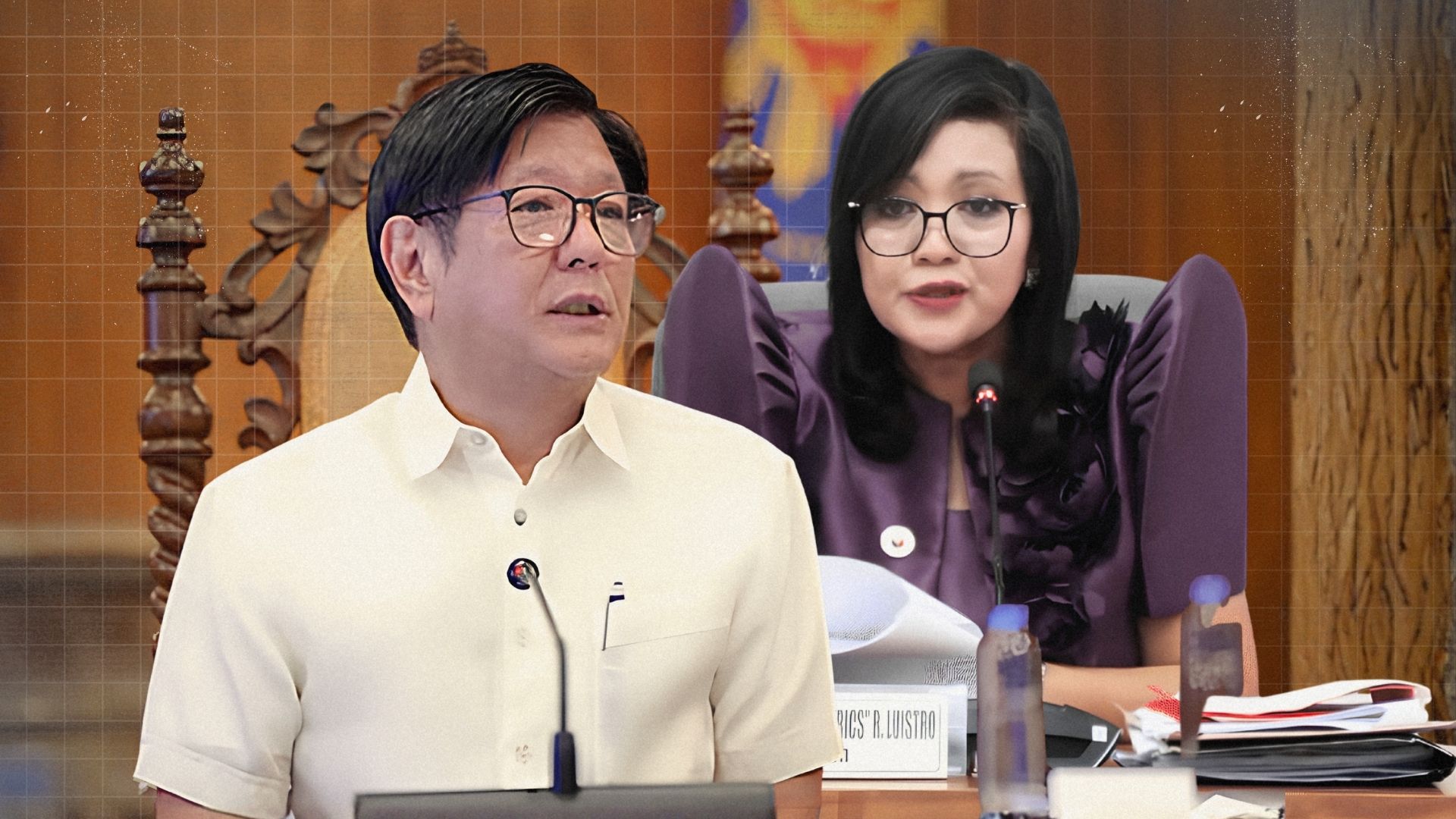
A resurfaced statement about SALN scrutiny is now circulating online, raising questions not just about the process—but about the intent behind it.
A statement discussing how SALN, tax records, and financial reports are examined in political settings has gone viral, with lines suggesting that once documents are submitted, they can be scrutinized to the point of finding—or even creating—issues.
The remarks highlight a perspective that in political rivalries, documents like SALN can become tools of intense examination, especially when used in investigations or hearings.
The statement has since sparked discussion online, with many debating whether this reflects standard accountability—or a more aggressive political approach.
This is not just about SALN.
👉 This is about how power uses information
Because in politics:
Documents are not just records
They become weapons of scrutiny
And once scrutiny begins—
👉 every detail becomes a potential issue
Where is the line between:
Legitimate investigation
vs
Targeted pressure?
Because accountability requires:
✔ transparency
✔ examination
But perception shifts when:
👉 scrutiny feels selective or excessive
Reactions online are strong and divided:
Some see it as proof of political bias
Others argue it reflects how investigations normally work
Many are questioning whether fairness is consistent across cases
And that tension matters—
👉 because trust depends on perceived fairness
This moment reflects a deeper reality:
Politics is not just about policies
It is also about strategy and positioning
And when documents like SALN enter the conversation—
👉 the stakes become both legal and political
In politics, information can reveal—but it can also be used.
Because the difference between truth and tactic
is often not in the document itself…
👉 but in how it is applied
And the real question now is:
👉 Are these actions driven by accountability—or strategy?
“Differing weights and differing measures—the Lord detests them both.”
This verse warns against unfair standards.
Truth must be:
Consistent
Fair
Applied equally
In today’s context:
Seek fairness in judgment
Avoid double standards
Examine both intent and action
December 10, 2025•5 min read
The Independent Commission on Infrastructure (ICI) has confirmed that they cannot release the video recording of Rep. Sandro Marcos’ testimony — unless Sandro himself signs a written authorization.
This revelation has brought renewed criticism about favoritism, selective transparency, and special treatment surrounding the President’s son.
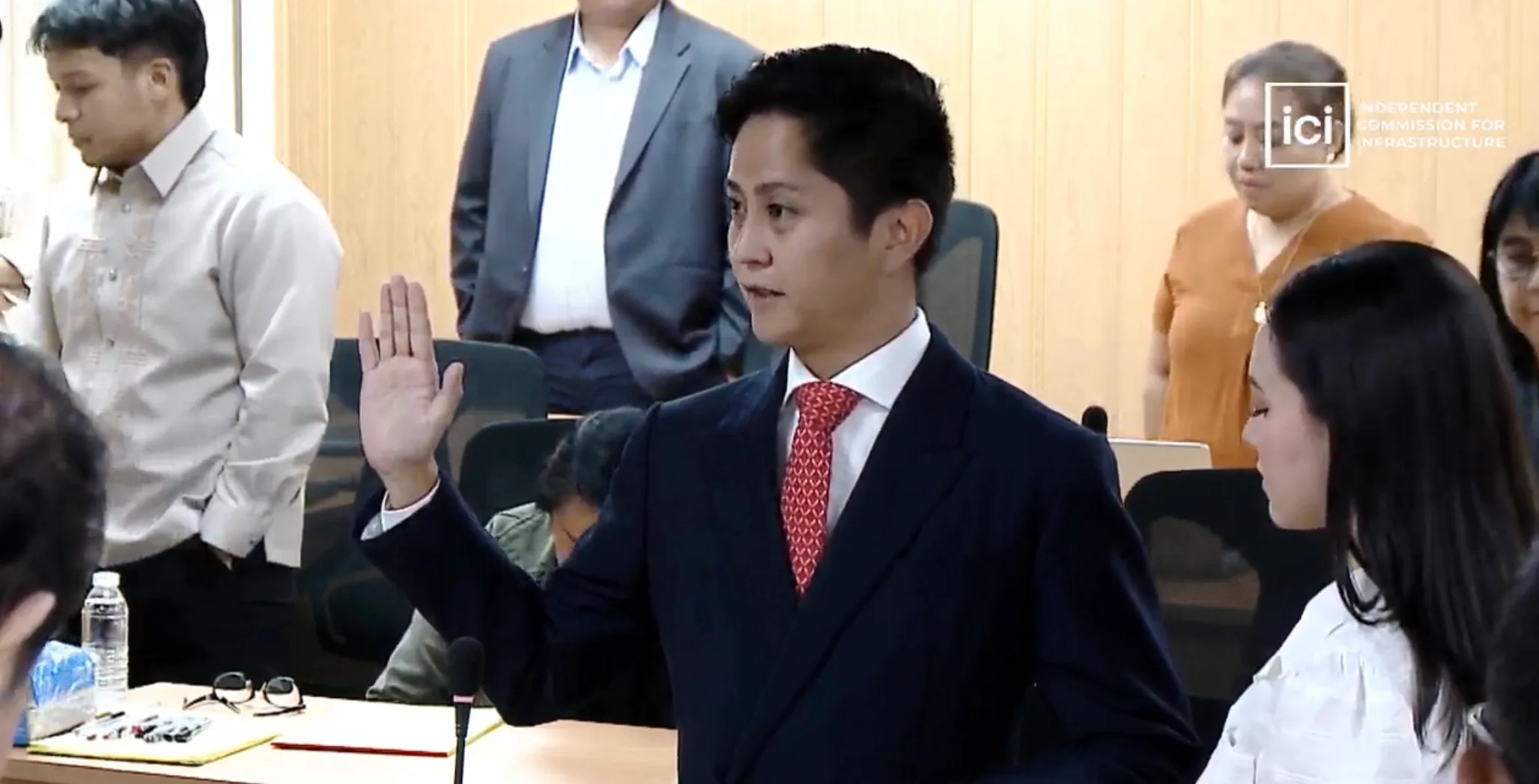
ICI Executive Director Brian Keith Hosaka explained that Sandro’s counsel requested an executive session, meaning journalists and the public were barred and no livestream was allowed. Chairman Andres Reyes Jr. approved the request immediately.
And now, because Sandro expressly stated under oath that he does not consent to public dissemination, the Commission’s hands are tied.
Pero bakit ganito?
When it was other lawmakers — including those aligned with Mindanao or critics of Malacañang — hearings were public, testimonies aired live, and documents instantly released.
Pero kapag Marcos ang nasa hot seat? Suddenly everything becomes “executive session,” “closed-door,” and “legal constraint.”
The public deserves to know:
If Sandro insists he is innocent and has nothing to hide, why block the release of his testimony?
Why require a written permission that only he can grant?
And why is transparency optional only when it involves the President’s son?
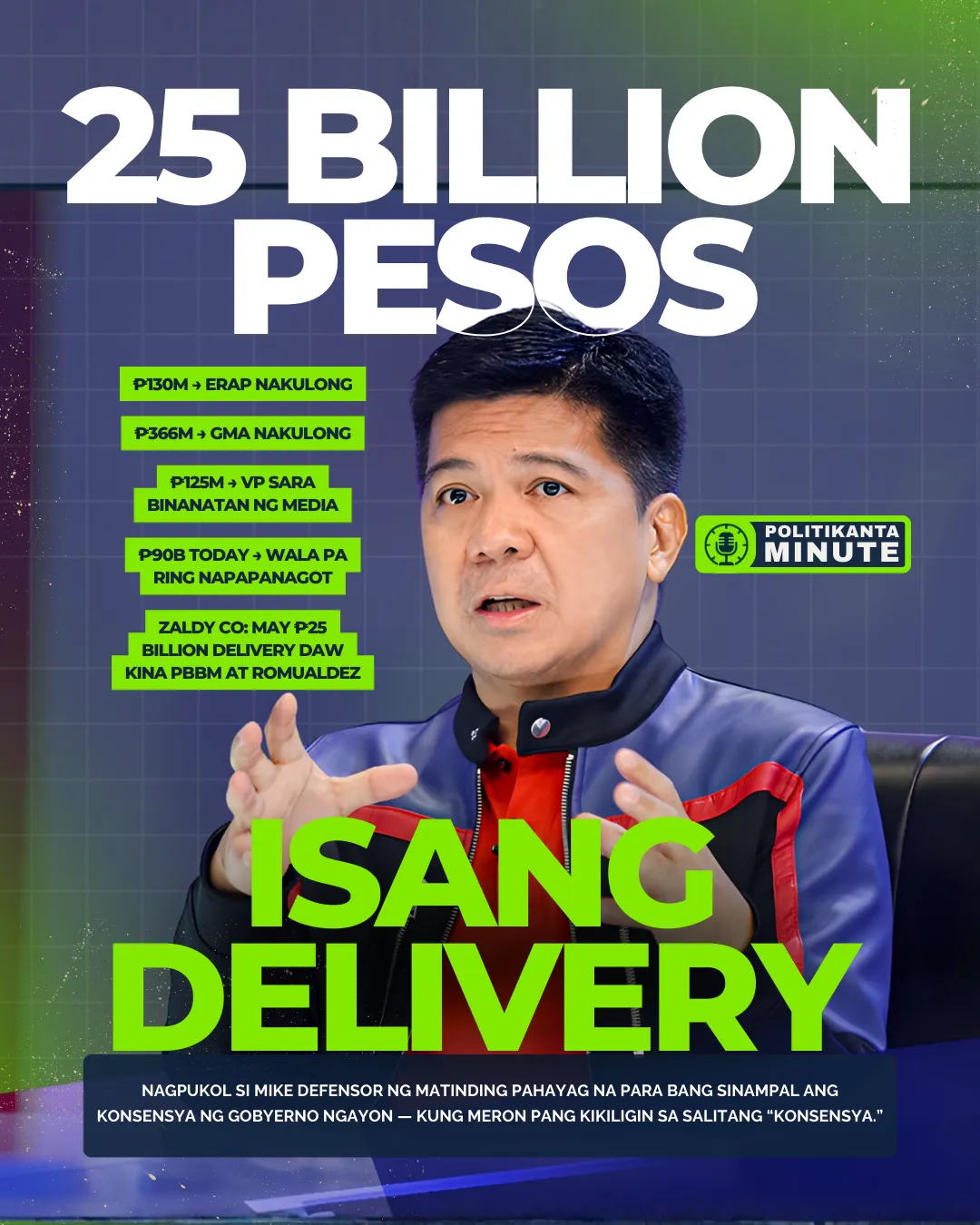
Meanwhile, allegations remain unresolved: that Sandro allegedly inserted at least ₱50 billion worth of projects across multiple budgets — 2023, 2024, and 2025 — according to former Ako Bicol Rep. Zaldy Co.
Sandro has repeatedly denied this, but until the video is released, the public will never know what he actually said inside the secret room.
Ang tanong ng taumbayan:
Kung totoo na walang anomalya… bakit ayaw ilabas ang video?
In a time when the government demands transparency from everyone else, it is unacceptable that the most powerful clan in the country enjoys exceptions, shields, and exclusive privilege.
If Congress wants to restore trust, transparency should apply to all — hindi lang sa hindi Marcos.
The political circus continues — and this time, it’s Rep. Sandro Marcos stepping into the spotlight saying:
“I am willing to appear before the ICI.”

Good. The nation deserves nothing less.
But the Internet asked a better, funnier, and far more interesting question:
“Willing ka rin ba mag-hair follicle test… with mom and dad? Family bonding ba?”
A line made viral by former Comelec Commissioner Rowena Guanzon, instantly igniting 12,000+ laughing reactions and thousands of comments.
People are no longer impressed with scripted bravery.
They want genuine transparency — not talking points.
And in a country drowning in questions about insertions, kickbacks, and budget anomalies, the public now measures sincerity not by speeches…
but by what you’re willing to be tested for.
While Sandro says he’s ready to appear, many Filipinos feel this is not enough.
With allegations swirling around flood-control abuses, insertion schemes, and political family entanglements, “willing” isn’t a heroic word.

It’s the bare minimum.
The comment section tells the mood of the nation:
“Like lolo, tatay and your dad — mana-mana lang yan.”
“This runs in the blood.”
“Good luck Pilipinas. Sana next election wala nang Marcos.”
People aren’t just laughing —
they’re fed up.
Even more telling is the contrast:
While others scramble, excuse, and deflect…
VP Sara Duterte stood out as the only high official with ZERO insertions in the DPWH budgets.
Walang vested interest. Walang hidden budget.
Isang lider na hindi takot sa liwanag.
Satirical Point:
If Sandro wants to prove he’s clean,
the people already proposed the perfect solution —
“Family Hair Follicle Test Challenge 2025.”
Para malinaw. Para patas. Para tapos na ang usapan.
Because in Philippine politics today,
the truth is the most endangered species.
And sometimes, humor is the only weapon the people have left.
BIBLE REFLECTION (Politikanta Minute signature):
“For nothing is hidden that will not be disclosed, nor anything secret that will not come to light.” — Luke 8:17
Whether it’s budget insertions, shady deals, or hair follicles —
the truth will always grow back.
You can hide behind power, but you cannot outrun truth.
This is Politikanta Minute.
Where satire, truth, and Scripture collide.
Where the people see clearly —
kahit marami sa gobyerno ang nagkukunwari.
Batangas First District Rep. Leandro Leviste has ignited a new wave of scrutiny over the Department of Public Works and Highways (DPWH) after revealing that the agency’s 2025 and 2026 budget proposals contain massive insertions hidden within the National Expenditure Program (NEP).

According to Leviste, the DPWH’s upcoming budgets are not as transparent as the agency claims.
In fact, the congressman disclosed that:
Together, these total over P1.2 trillion in insertions.
Leviste emphasized that these insertions did not originate from the agency’s planning engineers.
Instead, he claims the projects were proposed by politicians or contractors, then buried within DPWH’s internal files — a pattern eerily similar to the controversial Bicam insertions exposed in past years.
Leviste challenged the DPWH:
“Ilabas niyo ang database ng project proponents.”
According to him, the DPWH is hesitant to release the full data because it includes proposals allegedly coming from:
• sitting congressmen
• senators
• Cabinet secretaries
• undersecretaries
• political contractors
If these internal files are made public, Leviste said, they would expose that the NEP — supposedly a technical and merit-based document — is already “loaded” with externally inserted projects even before the Bicam stage.
🔸 TRANSPARENCY? Or controlled narrative?
The congressman criticized the agency’s public statements claiming transparency.
He insisted that the only way to prove that claim is for the DPWH to release the complete internal project database.
These alleged insertions are not mere minor adjustments. They are large-scale allocations that influence infrastructure priorities, regional development, and—ultimately—the use of taxpayer money.
As Luke 8:17 says:
“Nothing is hidden that will not be revealed.”
The DPWH may control the documents —
pero hindi nila makokontrol ang paglabas ng katotohanan.
With massive flood control anomalies, rice and onion import controversies, and now the DPWH budget insertion revelations — the Marcos administration faces mounting questions on corruption and unaccountability.
And Leviste’s revelation only adds more pressure.




Disclaimer: This site uses publicly available images and materials for news, satire, and commentary. All rights belong to their respective owners. No copyright infringement intended.
© 2025 Politikanta Minute. All Rights Reserved.
Political Commentary • Satire • Faith-Based Reflection
Some visuals may be AI-generated for satire and illustration. Not real footage unless stated.