
Unprogrammed appropriations
Decision to veto nearly P92.5 billion in unprogrammed appropriations
Tap to view
👁
Mixed

Your support keeps independent commentary alive.
☕ Buy us a coffee and keep the conversation going


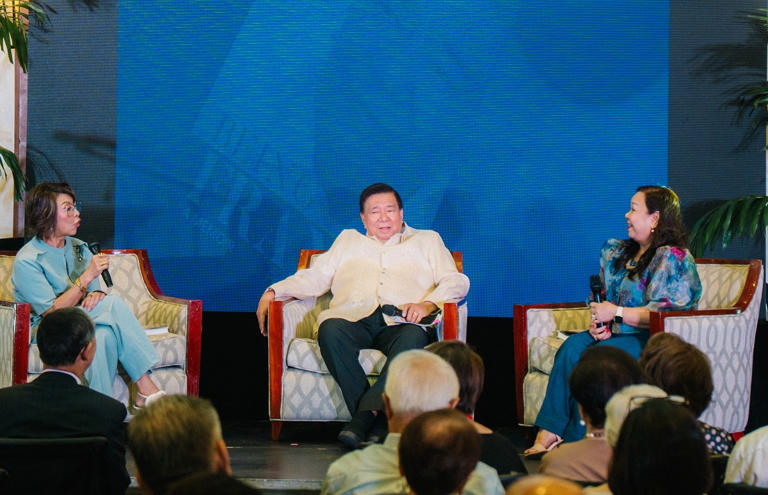
Former Senate President Franklin Drilon delivered a blunt assessment of the political landscape heading into 2028: if the opposition fails to unite behind one candidate, it stands “no chance” against Vice President Sara Duterte.
The message was not subtle. It was strategic.
Drilon framed the 2028 race as less about ideology and more about arithmetic. In multi-candidate contests, fragmented opposition votes historically benefit candidates with consolidated support bases. His warning underscores a basic electoral principle: division dilutes viability.
Philippine presidential elections are decided by plurality. There is no runoff. The candidate with the most votes wins—even without majority support.
That structure rewards:
strong political machinery,
loyal voter bases,
and coalition consolidation.
Drilon’s argument implies that Duterte, if she runs, would likely begin with a stable base. If opposition forces split their votes among multiple aspirants, their collective numbers may fail to coalesce into a winning plurality.
Drilon’s remarks were less about endorsing a specific opposition figure and more about highlighting structural reality. Whether the opposition chooses:
a reformist senator,
a former executive official,
or a consensus newcomer,
the key variable is unity.
Without it, Drilon suggests, even strong individual candidates may falter.
In recent cycles, opposition forces have struggled with:
messaging coherence,
geographic reach,
and coordination among blocs.
Drilon’s statement follows earlier remarks from figures like Risa Hontiveros, who indicated openness to running only if backed by a united opposition.
Together, these comments reveal a common theme: 2028 strategy discussions are already underway, even if formal campaigns remain distant.
Sara Duterte remains a formidable national figure with:
high name recognition,
established political networks,
and regional strength.
Drilon’s warning assumes that defeating a well-organized candidate requires not just momentum—but alignment.
He is essentially arguing that the opposition’s primary contest should happen internally, early, and decisively.
Multiple opposition candidates could:
split reform-oriented voters,
confuse campaign messaging,
and drain limited resources.
Drilon’s use of the phrase “no chance” may sound dramatic, but its core is practical: numbers don’t add themselves together automatically.
Coalition politics requires negotiation, compromise, and often personal sacrifice.
Backing a single bet means:
early consensus-building,
negotiated ticket balancing (president–vice president pairing),
shared platform agreements,
and disciplined messaging.
These steps are politically delicate. Rival ambitions and ideological differences can complicate alignment.
Drilon’s statement functions as both caution and call to action.
Although 2028 remains years away, groundwork matters. Coalitions built late often collapse under pressure. Coalitions built early may mature into credible alternatives.
The coming years will likely feature:
exploratory talks,
polling assessments,
informal alliances.
Drilon’s comment sets a strategic tone: decide early—or divide late.
In plurality systems, victory belongs not just to the strongest—but to the most unified.
Politikanta Minute jab (clean):
Kung lima ang tatakbo laban sa isa—alam na ang ending.
Bible verse anchor:
Mark 3:25 — “If a house is divided against itself, that house cannot stand.”





Disclaimer: This site uses publicly available images and materials for news, satire, and commentary. All rights belong to their respective owners. No copyright infringement intended.
© 2025 Politikanta Minute. All Rights Reserved.
Political Commentary • Satire • Faith-Based Reflection
Some visuals may be AI-generated for satire and illustration. Not real footage unless stated.
