Education
The Research Hub
Educational resources on research compounds, mechanisms of action, and study
methodologies. All content is for informational purposes only.
Featured
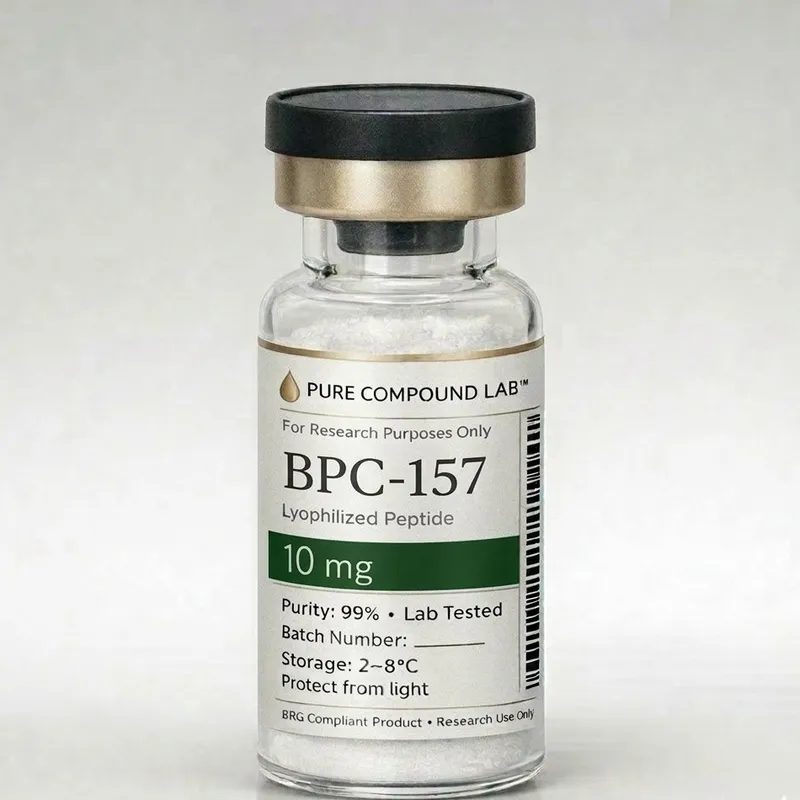
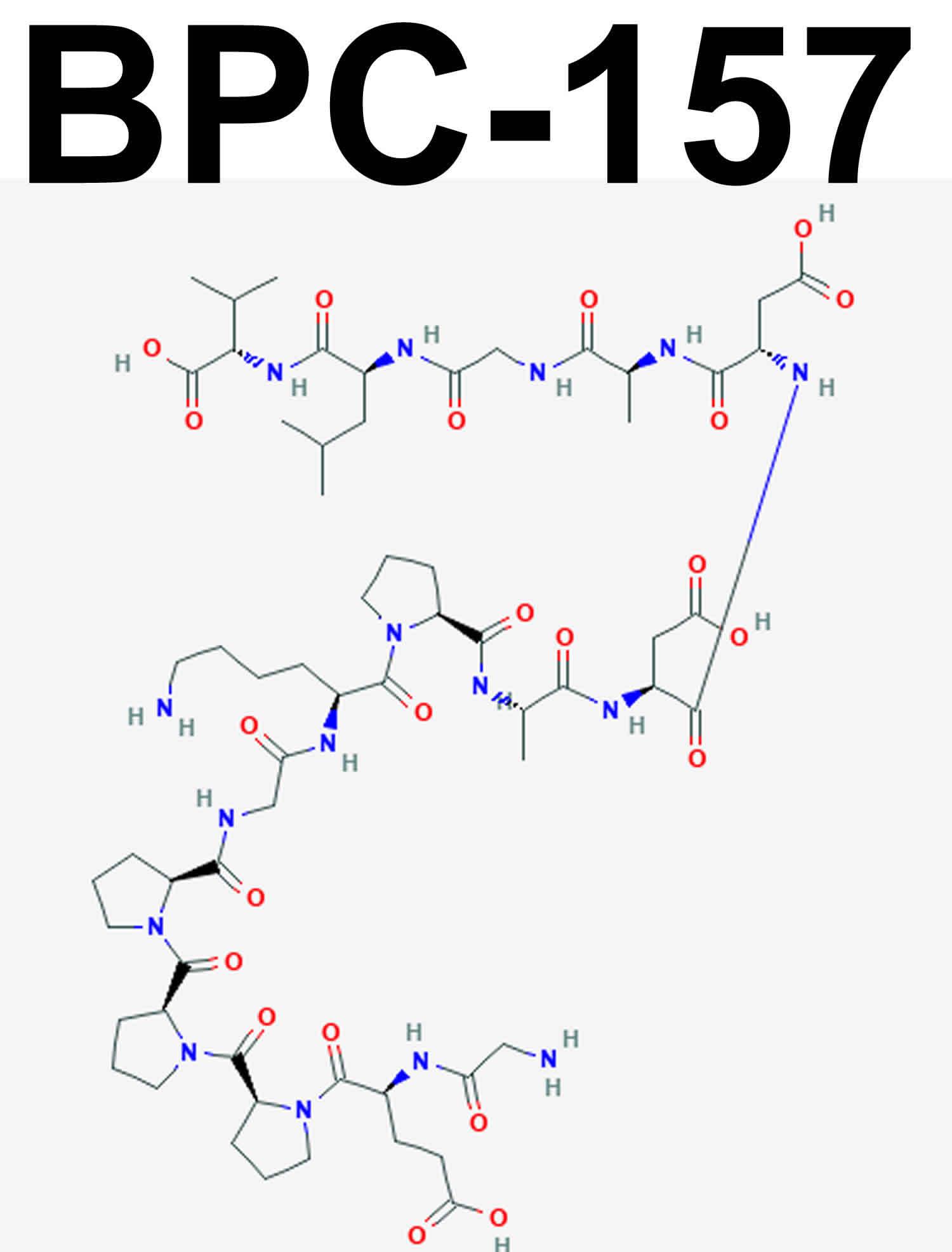
Understanding BPC-157 Signaling Pathways
BPC-157 is a synthetic peptide originally derived from compounds found in gastric juice. It has become increasingly popular in the wellness, recovery, and performance space because of its potential regenerative and anti-inflammatory properties. Research suggests it may influence angiogenesis (blood vessel formation), tissue repair, collagen production, and recovery pathways associated with tendons, ligaments, muscles, and the gastrointestinal tract.
Most of the excitement around BPC-157 comes from animal and preclinical studies, where researchers observed faster healing responses in muscle injuries, tendon repair, gut protection, and even neurological recovery models. However, human clinical data is still limited, and many experts consider it investigational at this stage.
Because of its growing popularity among athletes and biohackers, BPC-157 is frequently discussed as a “recovery peptide.” At the same time, organizations like United States Anti-Doping Agency warn that the compound is not FDA-approved for human clinical use and long-term human safety data remains incomplete.
Clinical & Research Links
Featured
UCJC-1295 vs Tesamorelin
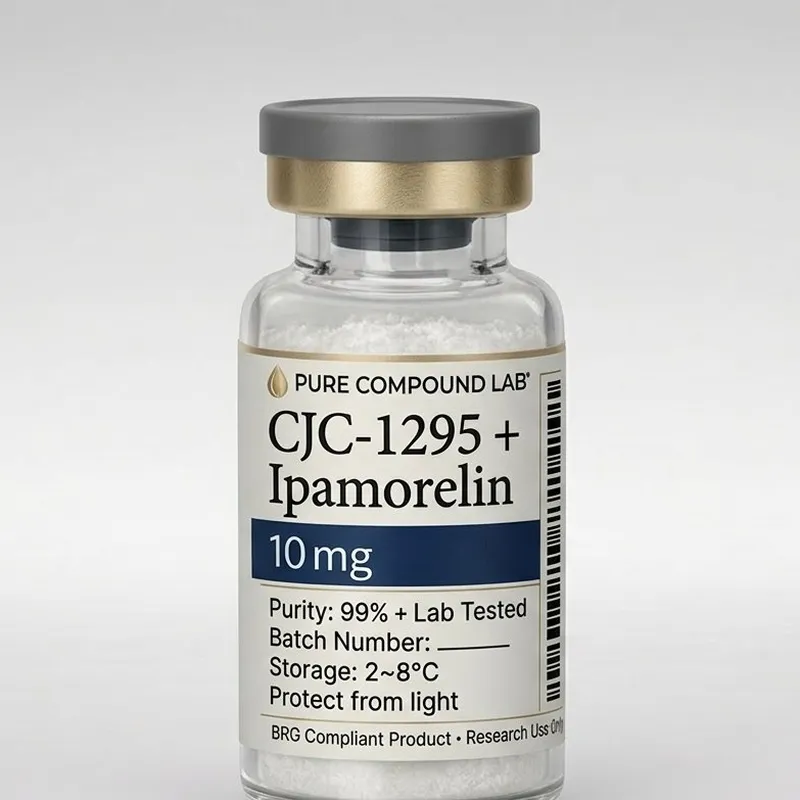
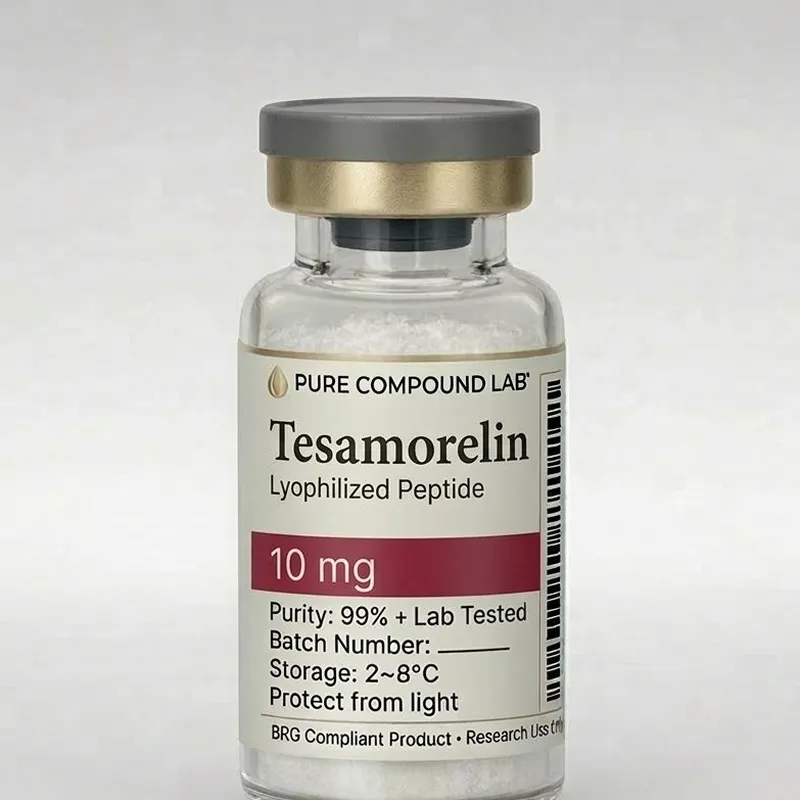
Both CJC-1295 and Tesamorelin are peptides designed to stimulate the body’s natural production of growth hormone. Instead of injecting growth hormone directly, they signal the pituitary gland to release more endogenous GH in a pulsatile manner.
Tesamorelin is FDA-approved specifically for reducing visceral abdominal fat in HIV-associated lipodystrophy. Clinical trials demonstrated reductions in visceral fat and improvements in metabolic markers and liver fat.
CJC-1295 is commonly used in optimization and longevity communities because of its long half-life and its ability to stimulate GH and IGF-1 production over an extended period. It is often combined with peptides like Ipamorelin to enhance pulsatile GH release. Unlike Tesamorelin, CJC-1295 is not FDA-approved for a specific medical indication and remains more experimental in nature.
Key Differences
FeatureCJC-1295TesamorelinPrimary GoalGH optimization & recoveryVisceral fat reductionFDA ApprovedNoYes (specific indication)Typical UsePerformance/longevity protocolsMetabolic & abdominal fat protocolsHalf-LifeLonger actingShorter physiologic pulseCommon PairingIpamorelinOften standalone
Tesamorelin is generally viewed as more clinically validated for visceral fat reduction, while CJC-1295 is more popular in performance and recovery protocols.
Clinical & Research Links
Featured
How NAD+ Supports Cellular Energy
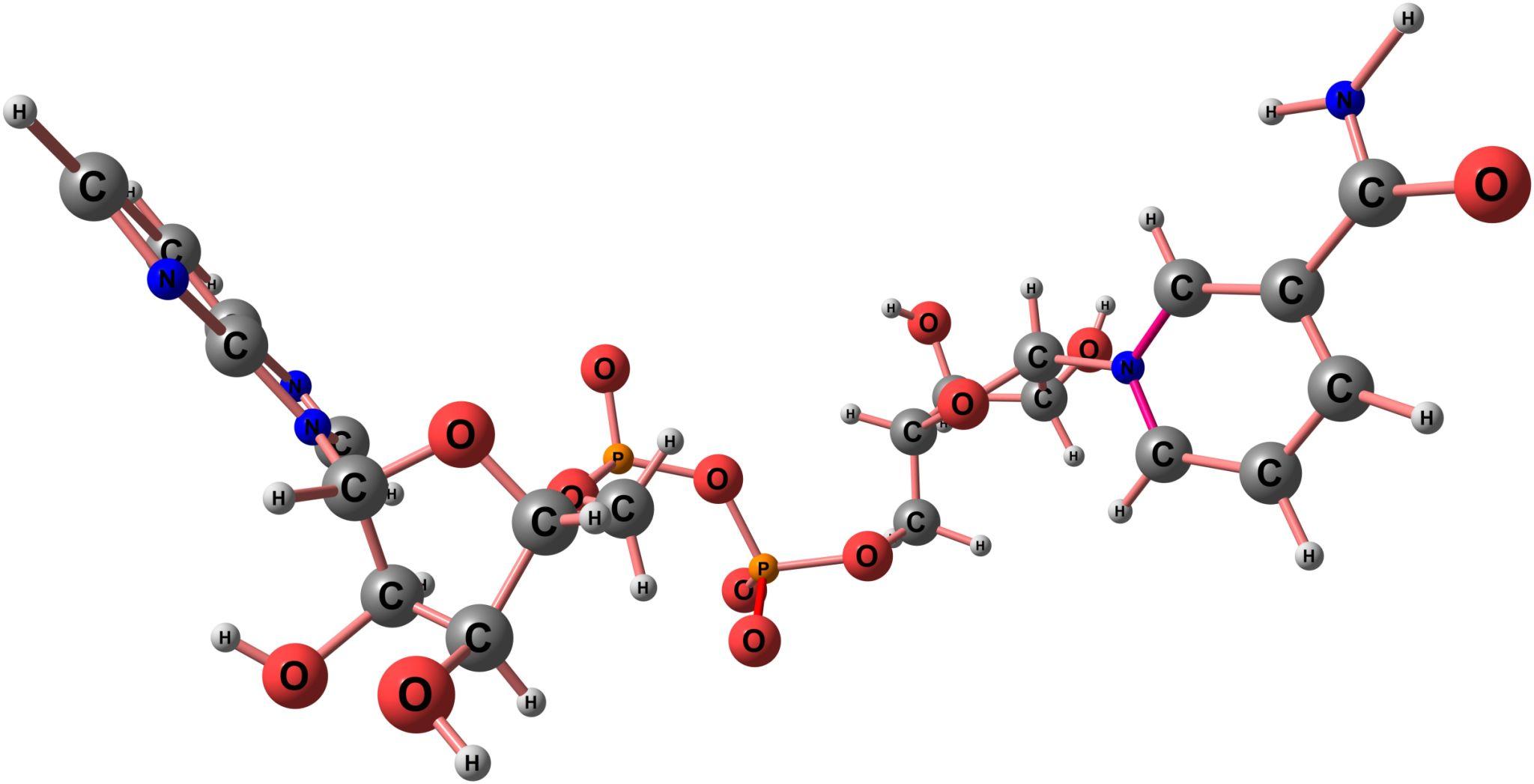
NAD+ is one of the most important molecules involved in human cellular metabolism. It acts as a coenzyme that helps convert nutrients into ATP — the body’s primary energy currency. NAD+ is heavily involved in mitochondrial function, metabolic regulation, DNA repair, oxidative stress management, and cellular signaling.
As humans age, NAD+ levels naturally decline. Researchers believe this reduction may contribute to fatigue, slower recovery, mitochondrial dysfunction, inflammation, and certain aging-related processes. Because of this, NAD+ and its precursors such as NMN and NR have become popular in longevity and optimization medicine.
Research is ongoing, but early studies suggest NAD+ restoration may help support:
Cellular energy production
Brain and cognitive function
Mitochondrial efficiency
DNA repair pathways
Healthy aging mechanisms
However, experts caution that many longevity claims are still being investigated and human data remains incomplete.
Clinical & Research Links


Peptide purity

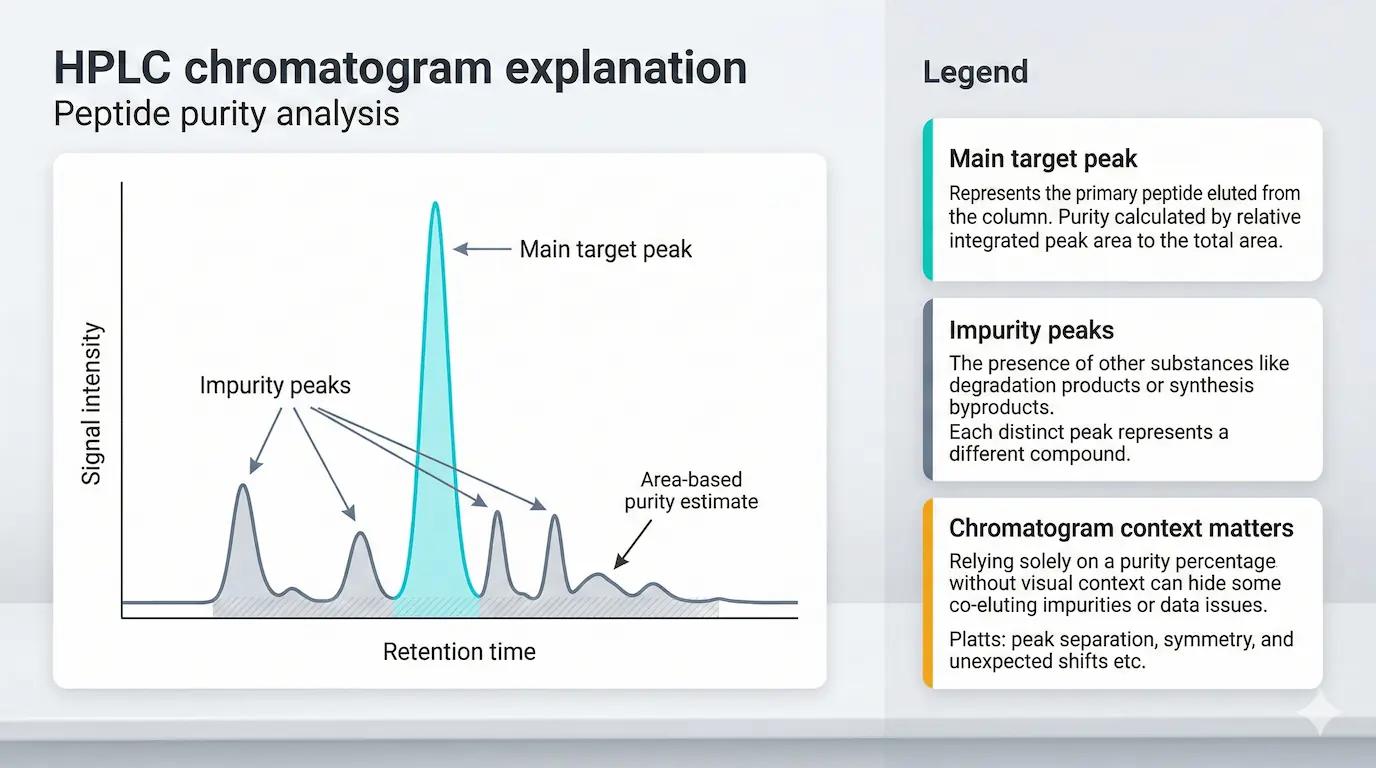
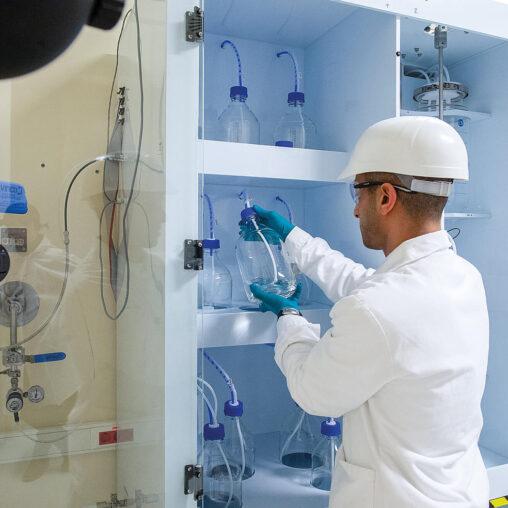
Peptide purity refers to how much of a vial contains the intended peptide sequence versus contaminants, byproducts, or degraded material. High-quality peptide manufacturing typically involves multiple stages of laboratory testing, including identity confirmation, sterility analysis, endotoxin testing, and HPLC purity verification.
In the peptide industry, purity percentages such as 95%, 98%, or 99% are commonly referenced. Higher purity generally means fewer impurities and more consistent product quality. However, purity alone does not guarantee safety. Manufacturing standards, sterile handling, third-party testing, storage conditions, and batch traceability are equally important.
This is especially important because many peptides sold online originate from unregulated “research chemical” suppliers with inconsistent testing standards.
Clinicians and consumers increasingly look for:
Third-party Certificates of Analysis (CoA)
Sterility and endotoxin testing
Batch-level traceability
FDA-regulated manufacturing facilities
Independent purity verification
Experts also warn that poorly manufactured peptides may contain contaminants, inaccurate dosing, or degraded compounds that impact efficacy and safety.
Clinical & Research Links
Recovery
Understanding BPC-157 Signaling Pathways
A comprehensive overview of the current research landscape surrounding body protection compound and its studied mechanisms.
Longevity
NAD+ Metabolism and Cellular Energy
Exploring the role of nicotinamide adenine dinucleotide in sirtuin activation and mitochondrial function research.
Metabolic
GLP-1 Receptor Agonist Research Overview
An educational review of incretin pathway compounds and their studied interactions with metabolic signaling.
Cognitive
Neuropeptide Research Fundamentals
An introduction to synthetic neuropeptides and their studied roles in neurotransmitter modulation.
Performance
Growth Hormone Secretagogue Pathways
Research overview of GHRH analogs and GHS receptor interactions in growth factor signaling.
Supply
Reconstitution Best Practices for Research
A practical guide to proper reconstitution techniques for lyophilized research compounds.
Latest Industry Insights & News
Stay updated with external publications, industry trends, and regulatory updates.
May 14, 2026
New Clinical Frontiers: The Shifting Landscape of Peptide Science globally
April 28, 2026
Comparative Meta-Analysis on Growth Hormone Secretagogues Published in International Journal of Molecular Sciences
March 11, 2026
Evolving Standards: Best Practices for Volumetric Precision and Lyophilized Storage Safety
Education
The Research Hub
Educational resources on research compounds, mechanisms of action, and study
methodologies. All content is for informational purposes only.
Featured
Understanding BPC-157 Signaling Pathways
BPC-157 is a synthetic peptide originally derived from compounds found in gastric juice. It has become increasingly popular in the wellness, recovery, and performance space because of its potential regenerative and anti-inflammatory properties. Research suggests it may influence angiogenesis (blood vessel formation), tissue repair, collagen production, and recovery pathways associated with tendons, ligaments, muscles, and the gastrointestinal tract.
Most of the excitement around BPC-157 comes from animal and preclinical studies, where researchers observed faster healing responses in muscle injuries, tendon repair, gut protection, and even neurological recovery models. However, human clinical data is still limited, and many experts consider it investigational at this stage.
Because of its growing popularity among athletes and biohackers, BPC-157 is frequently discussed as a “recovery peptide.” At the same time, organizations like United States Anti-Doping Agency warn that the compound is not FDA-approved for human clinical use and long-term human safety data remains incomplete.
Clinical & Research Links
Featured
CJC-1295 vs Tesamorelin
Both CJC-1295 and Tesamorelin are peptides designed to stimulate the body’s natural production of growth hormone. Instead of injecting growth hormone directly, they signal the pituitary gland to release more endogenous GH in a pulsatile manner.
Tesamorelin is FDA-approved specifically for reducing visceral abdominal fat in HIV-associated lipodystrophy. Clinical trials demonstrated reductions in visceral fat and improvements in metabolic markers and liver fat.
CJC-1295 is commonly used in optimization and longevity communities because of its long half-life and its ability to stimulate GH and IGF-1 production over an extended period. It is often combined with peptides like Ipamorelin to enhance pulsatile GH release. Unlike Tesamorelin, CJC-1295 is not FDA-approved for a specific medical indication and remains more experimental in nature.
Key Differences
FeatureCJC-1295TesamorelinPrimary GoalGH optimization & recoveryVisceral fat reductionFDA ApprovedNoYes (specific indication)Typical UsePerformance/longevity protocolsMetabolic & abdominal fat protocolsHalf-LifeLonger actingShorter physiologic pulseCommon PairingIpamorelinOften standalone
Tesamorelin is generally viewed as more clinically validated for visceral fat reduction, while CJC-1295 is more popular in performance and recovery protocols.
Clinical & Research Links
Featured
How NAD+ Supports Cellular Energy
NAD+ is one of the most important molecules involved in human cellular metabolism. It acts as a coenzyme that helps convert nutrients into ATP — the body’s primary energy currency. NAD+ is heavily involved in mitochondrial function, metabolic regulation, DNA repair, oxidative stress management, and cellular signaling.
As humans age, NAD+ levels naturally decline. Researchers believe this reduction may contribute to fatigue, slower recovery, mitochondrial dysfunction, inflammation, and certain aging-related processes. Because of this, NAD+ and its precursors such as NMN and NR have become popular in longevity and optimization medicine.
Research is ongoing, but early studies suggest NAD+ restoration may help support:
Cellular energy production
Brain and cognitive function
Mitochondrial efficiency
DNA repair pathways
Healthy aging mechanisms
However, experts caution that many longevity claims are still being investigated and human data remains incomplete.
Clinical & Research Links
Peptide purity
Peptide purity refers to how much of a vial contains the intended peptide sequence versus contaminants, byproducts, or degraded material. High-quality peptide manufacturing typically involves multiple stages of laboratory testing, including identity confirmation, sterility analysis, endotoxin testing, and HPLC purity verification.
In the peptide industry, purity percentages such as 95%, 98%, or 99% are commonly referenced. Higher purity generally means fewer impurities and more consistent product quality. However, purity alone does not guarantee safety. Manufacturing standards, sterile handling, third-party testing, storage conditions, and batch traceability are equally important.
This is especially important because many peptides sold online originate from unregulated “research chemical” suppliers with inconsistent testing standards.
Clinicians and consumers increasingly look for:
Third-party Certificates of Analysis (CoA)
Sterility and endotoxin testing
Batch-level traceability
FDA-regulated manufacturing facilities
Independent purity verification
Experts also warn that poorly manufactured peptides may contain contaminants, inaccurate dosing, or degraded compounds that impact efficacy and safety.
Clinical & Research Links
Recovery
Understanding BPC-157 Signaling Pathways
A comprehensive overview of the current research landscape surrounding body protection compound and its studied mechanisms.
Longevity
NAD+ Metabolism and Cellular Energy
Exploring the role of nicotinamide adenine dinucleotide in sirtuin activation and mitochondrial function research.
Metabolic
GLP-1 Receptor Agonist Research Overview
An educational review of incretin pathway compounds and their studied interactions with metabolic signaling.
Cognitive
Neuropeptide Research Fundamentals
An introduction to synthetic neuropeptides and their studied roles in neurotransmitter modulation.
Performance
Growth Hormone Secretagogue Pathways
Research overview of GHRH analogs and GHS receptor interactions in growth factor signaling.
Supply
Reconstitution Best Practices for Research
A practical guide to proper reconstitution techniques for lyophilized research compounds.
Latest Industry Insights & News
Stay updated with external publications, industry trends, and regulatory updates.
May 14, 2026
New Clinical Frontiers: The Shifting Landscape of Peptide Science globally
April 28, 2026
Comparative Meta-Analysis on Growth Hormone Secretagogues Published in International Journal of Molecular Sciences
March 11, 2026
Evolving Standards: Best Practices for Volumetric Precision and Lyophilized Storage Safety
FNA Peptides
FOLLOW US


COMPANY
CUSTOMER CARE
LEGAL
"All products are for laboratory research purposes only and are not for human consumption."
Copyright 2026. Miami Florida. All Rights Reserved.