Transforming Skin Health:
Expert Dermatology Solutions
Reveal your best skin with our advanced dermatological care and personalized treatment plans.
Your Trusted Skin
Car Specialists
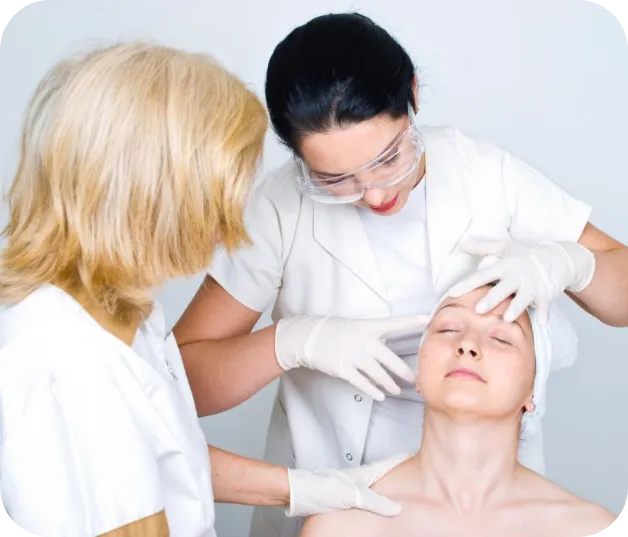
As a premier dermatology clinic, we're dedicated to enhancing your skin's vitality. Our experienced team offers cutting-edge treatments and compassionate care, ensuring your skin's health and radiance.
Pick your service
Elevating skin health with specialized treatments and expertise.
Vein treatment
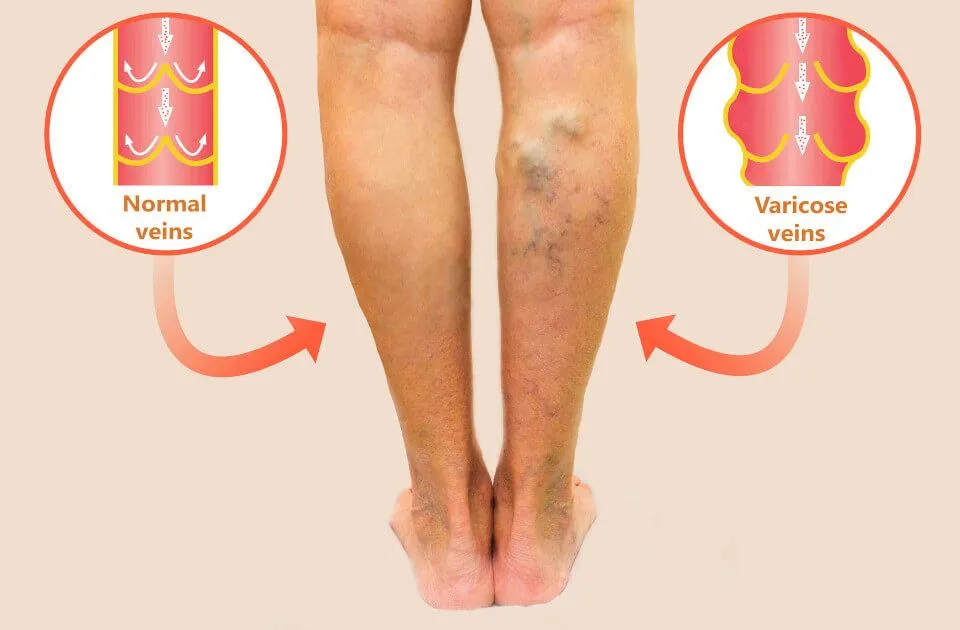
WHAT ARE VARICOSE, SPIDER, AND RETICULAR VEINS? Varicose veins are the twisted, bulging veins that appear like blue or dark purple cords on the legs. Spider veins, a common variant of varicose veins, are dilated capillaries on the skin that resemble spider legs. Reticular veins are less common and only about 2 mm in diameter; like spider veins, reticular veins do not protrude above the skin, but they can appear in clusters on the thighs, legs, ankles, and face.
For patients looking to reduce the appearance of these veins—whether for cosmetic reasons or to quell pain and discomfort—sclerotherapy is a safe, effective treatment with minimal post-procedure downtime.
For only $1999
360 Liposculpture
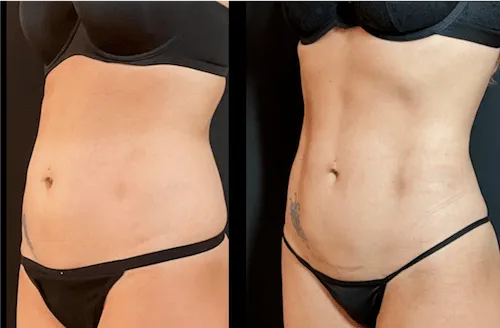
360 Liposculpture is the most sought-after, comprehensive approach to body transformation.
Traditional tumescent liposuction can effectively reduce body fat, but High Definition (HD) Lipo takes body contouring to the next level. Unlike standard methods, HD Lipo provides men and women with a degree of muscle definition and body sculpting that is often unattainable through diet and exercise alone. This advanced technique involves using cutting-edge technologies, including internal heating and skin tightening, to enhance the natural contours of the body.
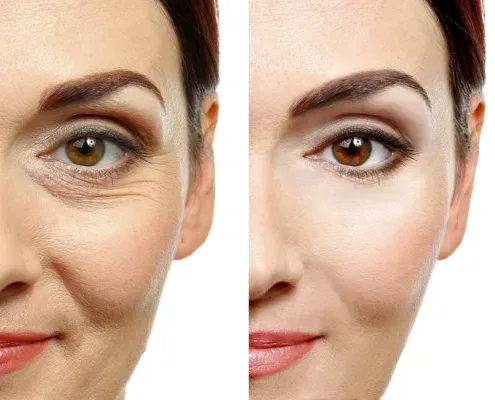
Botox
Take Years Off Your Face
As we continue to age, the fight against forehead lines and crow’s feet becomes more difficult. The battle to conceal those annoying lines and wrinkles just isn’t won using makeup. The perfect solution that doesn’t involve surgery.
For only $999 (Per Session)
Frequently Asked Questions
Answers to common skin care inquiries below
What skin conditions do you treat?
FAQ: What Skin Conditions Do You Treat at the Dermatology Clinic?
We offer comprehensive dermatological care and treat a wide range of skin, hair, and nail conditions. Here are some of the most common skin issues managed at our clinic:
Acne: Including blackheads, whiteheads, cystic acne, and hormonal acne.
Eczema (Atopic Dermatitis): Chronic, itchy, inflammatory skin conditions.
Psoriasis: Plaque psoriasis, guttate, inverse, and other forms.
Rosacea: Facial redness, visible blood vessels, and flare-ups.
Skin Infections: Bacterial, viral (like warts and molluscum), and fungal (like ringworm and athlete’s foot).
Hair Disorders: Such as hair loss (alopecia), dandruff, and scalp conditions.
Nail Disorders: Fungal nail infections, ingrown nails, and other abnormalities.
Rashes and Allergic Reactions: Contact dermatitis, hives, and other allergic responses.
Skin Growths: Moles, cysts, warts, skin tags, and non-cancerous lumps.
Pre-cancerous Lesions and Skin Cancer: Including mole checks and evaluation of suspicious growths.
Vitiligo and Pigmentation Disorders: Light or dark spots, melasma, and other pigment issues.
Sun Damage: Sunburns, sunspots (solar lentigines), and photoaging.
Chronic Conditions: Such as hidradenitis suppurativa and lichen planus.
If you have concerns about any skin, hair, or nail condition, contact our clinic. We offer both diagnosis and customized treatment plans tailored to your needs.
How can I improve my skin's texture?
Improving your skin texture involves a combination of good skincare habits, lifestyle adjustments, and sometimes professional treatments. Here are key steps and recommendations:
Daily Skincare Routine
Cleanse gently: Use a mild, non-abrasive cleanser twice daily.
Moisturize: Hydrate your skin with a non-comedogenic moisturizer suitable for your skin type.
Sun Protection: Apply a broad-spectrum sunscreen (SPF 30 or higher) every morning to protect against UV damage, which can worsen texture.
Exfoliation
Chemical Exfoliants: Products containing alpha hydroxy acids (AHAs) or beta hydroxy acids (BHAs) help remove dead skin cells, smooth rough patches, and promote cell turnover.
Physical Exfoliation: Use gentle scrubs sparingly to avoid irritation.
Treatments for Specific Concerns
Retinoids: Prescription or over-the-counter retinol improves texture by promoting collagen and smoothing fine lines.
Vitamin C Serums: Antioxidant serums can brighten and even out skin tone.
Hydration Boosters: Hyaluronic acid serums provide extra moisture for smoother texture.
Professional Options
Chemical Peels: Dermatologist-administered treatments resurface the skin for improved texture.
Microneedling, Microdermabrasion, or Laser Treatments: These in-office procedures target deeper texture issues, acne scars, and enlarged pores.
General Wellness Tips
Eat a balanced diet rich in vegetables, fruits, and water.
Avoid excessive alcohol consumption and quit smoking.
Get enough sleep and manage stress.
Avoid picking or squeezing blemishes to prevent scarring and uneven texture.
If you are concerned about persistent roughness, bumps, or scarring, consult a dermatologist. We can recommend the best customized treatment based on your specific skin type and needs.
How do I prepare for a dermatology
procedure?
FAQ: How Do I Prepare for a Dermatology Procedure?
Preparation can help your visit and procedure run smoothly while optimizing results and minimizing risks. Here’s how you can get ready:
Review Pre-Procedure Instructions
Carefully read any instructions provided by your dermatologist, especially for specific procedures like biopsies, laser treatments, or surgeries. Some may require avoiding medications (like blood thinners or supplements), fasting, or making other lifestyle adjustments ahead of time.
Gather Medical Information
Bring a list of medications, supplements, and any relevant allergies.
Note any changes in your health, family history of skin conditions, surgeries, or past treatments.
Prepare previous records if you are seeing a new dermatologist.
Take Photos if Needed
If your skin concern comes and goes, bring dated photos to show the progression. Photos help the dermatologist see issues that may not be visible on the day of your visit.
Write Down Questions and Concerns
List any questions you have about your skin, procedure details, and aftercare, as you may forget some during your appointment.
Go Bare and Clean
Come with clean skin—avoid heavy makeup, lotions, or perfume/cologne. Remove nail polish to allow a thorough examination.
For hair/scalp procedures, avoid hair products and clips.
Dress Comfortably
Wear loose, accessible clothing so areas of concern can be easily examined or treated.
Plan for Aftercare and Transportation
Some procedures, especially surgical ones, may require you to arrange a ride home or prepare wound care supplies as instructed.
Stock up on necessary wound care materials like non-stick gauze, ointments, or special cleansers if recommended
Follow Medication Guidelines
Don't stop any regular medications (especially blood thinners) unless specifically advised by your dermatologist.
Avoid non-essential supplements (like Vitamin E) and alcohol as directed before and after the procedure to reduce risks of bleeding or irritation.
Inform Your Provider
Notify the clinic if you have a history of medication allergies, reactions to anesthesia, or a condition like herpes in the treatment area.
Always confirm specific preparation steps with your dermatologist, as instructions can vary by procedure.
Are cosmetic procedures safe
and effective?
Cosmetic procedures are generally safe and effective when performed by qualified, experienced medical professionals in reputable clinical settings. Here are key points to understand about their safety and effectiveness:
Qualified Providers Are Essential
Procedures should be done by board-certified dermatologists or plastic surgeons with proper training and experience. Avoid unlicensed providers or non-medical settings, as these carry higher risks of complications.
Range of Procedures
Cosmetic procedures include minimally invasive treatments like Botox and chemical peels as well as surgical interventions like liposuction and facelifts. Advances in techniques and technology—such as laser treatments, robotic-assisted surgeries, and improved anesthesia—have made many procedures safer and more precise.
Common Risks
While mostly low-risk, complications can occur. Non-surgical procedures may cause temporary bruising, swelling, or rare allergic reactions. Surgical procedures carry risks like infection, scarring, or anesthesia-related issues, which are minimized by skilled care and sterile techniques.
Importance of Consultation
A thorough consultation and medical history review are critical before any cosmetic procedure. This allows your provider to assess your skin type, health status, and aesthetic goals, discuss realistic expectations, and tailor pre- and post-procedure care to reduce risks.
Follow Pre- and Post-Care Instructions
Adhering to your provider’s guidelines before and after the procedure helps ensure the best outcomes and reduces the chance of complications.
Effectiveness and Results
When done properly, cosmetic procedures can significantly improve appearance, boost confidence, and rejuvenate skin texture and tone. Results may be immediate or take weeks to months to fully develop depending on the procedure.
Patient Responsibility
Choosing a reputable clinic, verifying the credentials of your provider, maintaining a healthy lifestyle, and openly communicating any concerns are essential steps for safety and success.
In summary, cosmetic procedures are safe and effective when performed by licensed medical professionals who follow established protocols and when patients adhere to their care instructions. Always consult a board-certified dermatologist or plastic surgeon to ensure the best and safest results tailored to your needs.
If you have concerns about a specific cosmetic procedure, talk to your healthcare provider to get detailed information and personalized advice.
What are the benefits of hair restoration?
Hair restoration offers a range of physical, psychological, and long-term benefits for individuals experiencing hair loss or thinning. Here are some of the key advantages:
Restores Natural Appearance
Hair restoration helps individuals regain a natural-looking head of hair that blends seamlessly with existing hair, enhancing facial aesthetics and overall appearance.
Boosts Confidence and Self-Esteem
Hair loss can impact self-image and emotional well-being. Restoring hair often leads to renewed confidence, improving social interactions and quality of life.
Long-Lasting Results
Many hair restoration techniques, such as follicular unit transplantation (FUT) and follicular unit extraction (FUE), provide durable results that can last for many years with proper care.
Improves Scalp and Hair Health
Treatments like platelet-rich plasma (PRP) therapy and microneedling stimulate the scalp’s natural healing processes, enhancing circulation, reducing inflammation, and promoting healthier hair growth.
Stimulates New Hair Growth and Prevents Further Loss
Procedures encourage dormant hair follicles to reactivate and produce new hair, helping restore volume while also potentially slowing future hair loss.
Minimal Downtime and Non-Invasive Options
Many modern hair restoration treatments, especially non-surgical options like PRP and low-level laser therapy, involve little to no downtime or discomfort, allowing patients to quickly resume normal activities.
Customized Treatment Plans
Hair restoration can be tailored to each person’s unique pattern of hair loss, hair type, and aesthetic goals for the most natural and effective outcome.
Psychological Benefits
Beyond physical results, hair restoration surgery can improve emotional well-being by helping patients re-establish their self-image and feel more like themselves.
If you are considering hair restoration, consult a qualified dermatologist or hair restoration specialist who can assess your condition and recommend the best personalized treatment options to achieve optimal results.
This summary reflects the most common and impactful benefits of hair restoration based on current medical insights and practices.
What can I expect after a treatment?
After a dermatology treatment, you can expect a healing process that varies based on the specific procedure performed, but there are common experiences and care guidelines to keep in mind:
Immediate Sensations
Most patients experience sensations similar to a mild sunburn—redness, warmth, and tenderness in the treated area. This can last for several hours to a few days. Swelling, slight bruising, or blistering may also occur and is typically temporary.
Skin Appearance
The treated skin may look red, swollen, or discolored. A scab or crust often forms as a natural part of healing, which should not be picked to avoid scarring. Some procedures cause peeling or flaking of dead skin over a week or more.
Comfort and Pain Management
Mild pain or discomfort is normal and usually manageable with over-the-counter pain relievers like acetaminophen or ibuprofen, unless your provider advises otherwise.
Care and Hygiene
Keep the treated area clean and dry following your provider’s instructions. Use gentle cleansing with mild soap and warm water as recommended. Avoid vigorous rubbing or harsh chemicals on the skin.
Moisturizing and Protection
Apply ointments such as Vaseline or Aquaphor to keep the skin moist and promote healing. Use fragrance-free moisturizers when the wound is healed enough. Strict sun protection with sunscreen SPF 30 or higher is essential as your skin will be more sensitive to UV damage.
Activity Restrictions
Avoid strenuous activities, excessive sweating, hot tubs, saunas, and swimming until healing is confirmed to prevent irritation or infection.
Avoidance of Certain Products
Refrain from using exfoliants, retinol, vitamin C, or other harsh skin care products for at least one week or until your provider clears you to resume.
Follow-Up
Attend follow-up appointments so your provider can monitor healing and address any concerns. Healing times can vary; for example, dermabrasion may require 7-14 days for skin to heal, with full results developing over months.
Watch for Complications
Contact your provider if you experience increased redness, swelling, severe pain, unusual discharge, or signs of infection.
Adhering to the specific post-treatment instructions given by your dermatologist is crucial for optimal healing and the best cosmetic outcome. Your skin will gradually improve over weeks to months, revealing enhanced texture, tone, or correction depending on the treatment performed.
If you have any questions or concerns during your recovery, don't hesitate to reach out to your clinic for guidance.
This information applies broadly to common dermatologic treatments such as laser therapy, microneedling, chemical peels, mole removal, and minor surgeries. Individual aftercare may vary.