
Anxiety is hard, getting help doesn't have to be
If school drop-offs end in tears, clinging, or a pit in your stomach, you’re not alone — and you’re not a bad mom.
If your child cries at drop-off, avoids school, or melts down every morning, you’re not alone — and you’re not doing anything wrong.

Dr. Jenna Taylor, PhD, LMHC, NCC. She has helped hundreds (100+) clients/families with Anxiety, depression, and other mental health challenges.
In addition, she was recently included on a podcast "Playful Beginnings," a play therapy focused podcast. Dr. Taylor serves on the board for the Association for Child and Adolescent Counseling, Indiana Association for Play Therapy, North Carolina Association for Child and Adolescent Counseling, and serves on several committees for the Association for Play Therapy
Dr. Jenna Taylor, PhD, LMHC, NCC has helped clients/families for 10 years with challenges related to anxiety, depression, family dynamics, disabilities, and trauma.
Dr. Taylor was recently interviewed on the Playful Beginnings podcast discussing internalizing behaviors, such as anxiety. She is also a researcher, speaker, author, and professor. Dr. Taylor serves on the board for the Association for Child and Adolescent Counseling, Indiana Association for Play Therapy, North Carolina Association for Child and Adolescent Counseling, and serves on several committees for the Association for Play Therapy.
When your child struggles with anxiety, it doesn't just affect them.
It follows you into the car.
Into work.
Into that quiet moment where you wonder if you handled it right.
When separation is hard for your child, it's hard for you too.
The tears.
The guilt.
The quiet worry that follows you all day.
For many kids, these struggles aren’t about misbehavior or being “too sensitive.”
They’re signs of anxiety.
And here’s the part most parents don’t hear enough:
You might be here because:
your child cries or melts down at drop-off
mornings feel rushed and emotional
your child avoids school or activities
they put pressure on themselves to be “perfect”
they shut down when you ask about their day
And even though people say, “They’ll adjust,” something tells you it’s not that simple.
For many kids, these struggles aren’t about behavior.
They’re about anxiety.
School anxiety in young children often shows up as tears, avoidance, stomachaches, perfectionism, or big emotions — especially during transitions.
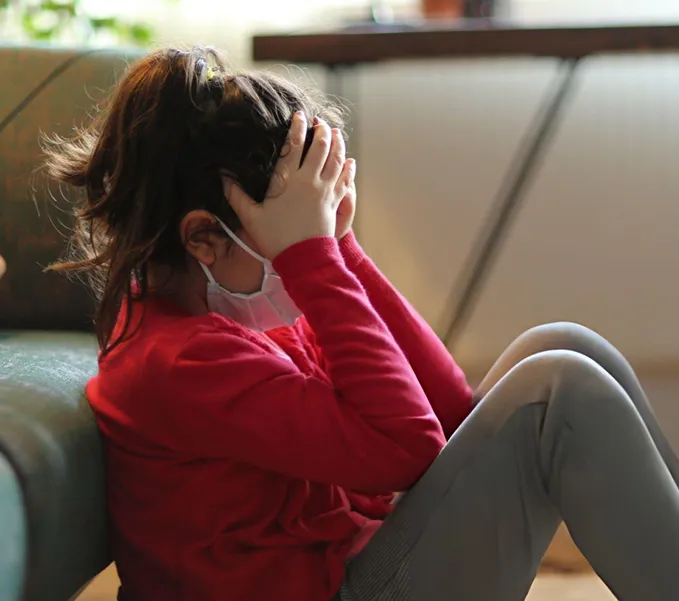
Here’s the good news:
Parents are actually in the best position to help anxious kids, especially at home and during everyday moments like mornings and drop-off.
That’s why the School Anxiety Guide was created.
Not to overwhelm you.
Not to turn you into a therapist.
But to give you clear, practical support you can actually use.
You are in the best position to help your child
With the right tools, small changes at home can make mornings calmer, drop-offs easier, and separations feel safer for your child.
Inside the guide, you’ll learn how to:
The Anxiety Guide was created to help you do exactly that — without overwhelm, without pressure, and without needing to “fix” your child.
create calmer, more predictable mornings
support smoother drop-offs
help your child regulate big feelings
reduce power struggles
build confidence and resilience
Inside, you’ll learn simple, practical ways to:
create calmer mornings
support smoother drop-offs
help your child manage big feelings
build confidence and emotional safety
Everything is broken down step by step, in simple language, with realistic expectations for busy parents.
If school anxiety has been quietly taking over your mornings, this is your reminder:
You’re not failing your child.
You’re noticing something — and that matters.
You don’t have to do everything at once.
You can start today, with one small step.
Real Stories From Clients Who’ve Experienced the Difference
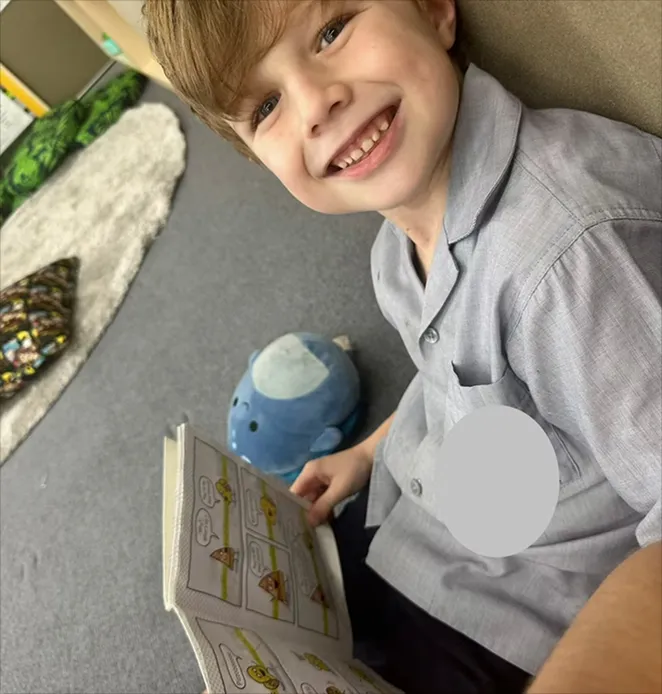
Before we found the School Anxiety Guide for Parents, our mornings felt overwhelming. There were frequent tears, resistance to getting dressed, and a lot of anxiety around leaving the house with our 6.5-year-old son. Since implementing the simple, practical strategies from the guide, and committing to being consistent, we’ve noticed genuine progress. Our mornings are now calmer, more structured, and significantly less stressful for everyone. What stood out most was how achievable and compassionate the advice is. The steps are realistic for busy families and rooted in understanding rather than pressure. It’s given us greater confidence in how we respond and support our child. The reminder that consistency makes a difference has been powerful. I would absolutely recommend this resource to any parent facing school-related anxiety or challenging starts to the day.

Before we found the School Anxiety Guide for Parents, our mornings felt overwhelming. There were frequent tears, resistance to getting dressed, and a lot of anxiety around leaving the house with our 6.5-year-old son. Since implementing the simple, practical strategies from the guide, and committing to being consistent, we’ve noticed genuine progress. Our mornings are now calmer, more structured, and significantly less stressful for everyone. What stood out most was how achievable and compassionate the advice is. The steps are realistic for busy families and rooted in understanding rather than pressure. It’s given us greater confidence in how we respond and support our child. The reminder that consistency makes a difference has been powerful. I would absolutely recommend this resource to any parent facing school-related anxiety or challenging starts to the day.
Before we found the School Anxiety Guide for Parents, our mornings felt overwhelming. There were frequent tears, resistance to getting dressed, and a lot of anxiety around leaving the house with our 6.5-year-old son. Since implementing the simple, practical strategies from the guide, and committing to being consistent, we’ve noticed genuine progress. Our mornings are now calmer, more structured, and significantly less stressful for everyone. What stood out most was how achievable and compassionate the advice is. The steps are realistic for busy families and rooted in understanding rather than pressure. It’s given us greater confidence in how we respond and support our child. The reminder that consistency makes a difference has been powerful. I would absolutely recommend this resource to any parent facing school-related anxiety or challenging starts to the day.
Connect with us



Disclaimer: This guide is intended for informational and educational purposes only and is not a substitute for professional medical or psychological advice. If you have concerns about your child’s mental health, please seek support from a qualified professional.
Copyright © 2026 Playful Pathway Counseling. All Rights Reserved.