
Navigating the Dallas, TX, Airbnb Market: A Guide for Investors and Hosts
The Dallas short-term rental market is a dynamic and profitable space for investors and hosts in Plano, Frisco, Fort Worth, and other surrounding communities. With over 10,000 active listings and average annual earnings around $28,000, understanding the market's key metrics, regulations, and strategic opportunities is crucial. This guide provides an in-depth look at how to succeed, from choosing the right neighborhood to leveraging professional services for maximum profitability.
What Are the Key Performance Metrics of the Dallas Airbnb Market?
To succeed in the Dallas market, investors must understand the key metrics that drive profitability. The Average Daily Rate (ADR), or the typical nightly price, directly reflects a property’s value, while the occupancy rate reveals how often a property is booked. Together, these metrics determine the annual revenue potential of your listing. For example, a premium listing in Uptown or the Bishop Arts District can command a much higher ADR than a standard property in a developing area.
How Do Dallas Airbnb Occupancy Rates Vary by Season?
Dallas's Airbnb market experiences significant seasonal shifts in occupancy. Spring is typically the busiest season due to pleasant weather and major events, with a median occupancy of around 61%. Summer and fall also see strong demand, with occupancy rates around 55% and 58% respectively. Winter months, with a median occupancy of 45.6%, present an opportunity for strategic pricing adjustments and property enhancements to attract guests during the slower season.
What Is the Annual Revenue Potential for Short-Term Rentals in Dallas?
The annual revenue potential for a Dallas short-term rental is a direct reflection of its ADR and occupancy rate. For a mid-range listing, the average annual income typically falls between $26,000 and $30,000. However, top-performing properties—often distinguished by superior design, amenities, and prime location—can earn over $6,385 monthly by maintaining high rates and near-perfect bookings.
What Are the Current Regulations for Short-Term Rentals in Dallas?
Staying compliant with city regulations is critical for long-term success. Dallas has implemented rules that dictate where short-term rentals (STRs) can operate. The City of Dallas's new ordinances, though currently under a temporary injunction, aim to restrict STRs to multi-family residential, commercial, and mixed-use districts, while prohibiting them in single-family neighborhoods. Hosts are also required to register with the city, pay a licensing fee, and collect and remit a 15% Hotel Occupancy Tax (HOT).
What Is the Impact of Dallas's Zoning Laws on STR Investors?
Zoning laws directly influence the feasibility of a short-term rental investment. The current ordinance, which is expected to be enforced in the future, limits STRs to specific zones, making early site evaluation essential. For investors, this means focusing their search on compliant areas in Dallas, Plano, or other zoned districts to avoid future legal complications. These restrictions also affect how you plan interior layouts and guest capacity.
Which Neighborhoods Are Best for Airbnb Investment in Dallas?
Location is a primary driver of success. Neighborhoods like Deep Ellum, with its vibrant arts scene, and the Bishop Arts District, with its charming boutique feel, attract specific types of travelers and can command higher rates. Uptown Dallas caters to luxury and corporate guests due to its proximity to business centers, while emerging hotspots and ZIP codes like 75236 offer attractive returns with lower initial investment costs.
How Can Strategic Interior Design and Moving Services Boost Profitability?
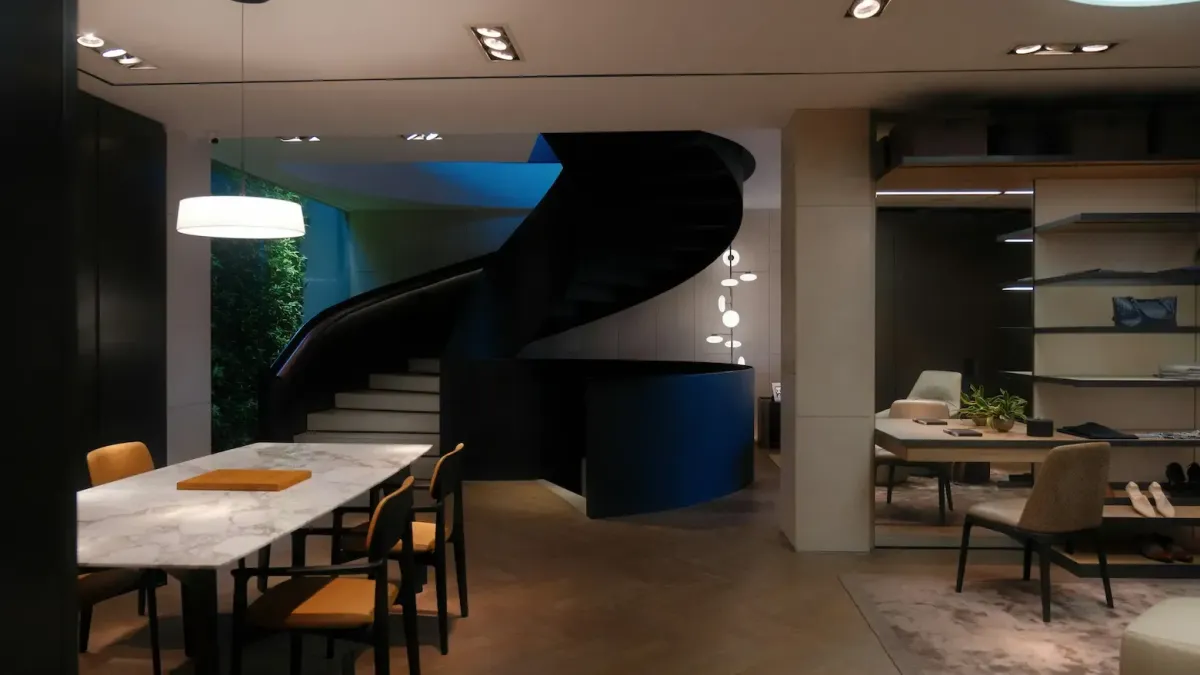
Professional services can significantly enhance your Airbnb's profitability. Strategic interior design improves a property's appeal, justifies a higher ADR, and leads to more positive reviews. By optimizing layouts and creating a cohesive aesthetic that reflects the neighborhood, you can increase perceived value by up to 15%. Similarly, professional moving services streamline the setup process for new or renovated properties, minimizing downtime and logistical stress.
What Tools and Resources Help Me Stay Ahead of Market Trends?
Staying informed is key to maintaining a competitive edge. Utilize data platforms like AirDNA to track occupancy and revenue trends. Regularly check the City of Dallas's official website for the latest updates on regulations and licensing. Joining local real estate forums can also provide valuable peer insights into emerging hotspots and guest demands in communities across the Dallas-Fort Worth Metroplex.
Why Is Local Market Knowledge Crucial for Dallas Airbnb Success?
A deep understanding of the local market, including neighborhood nuances and guest demographics, is essential for tailoring your investment strategy. For example, a host in Uptown might focus on amenities for business travelers, while a host in the Bishop Arts District could highlight vintage decor to attract cultural tourists. This local insight allows you to fine-tune your pricing, marketing, and property features to attract your ideal guests and maximize profitability.
Final Thought
Success in the Dallas Airbnb market depends on more than just location. By understanding key metrics, staying compliant with regulations, and using professional design and moving services, hosts can significantly boost profitability and stay ahead in this competitive landscape.

Is it legal to operate an Airbnb in Dallas?
Yes, it is legal to operate an Airbnb in Dallas, but hosts must comply with the city's regulations. While a temporary injunction has currently paused enforcement of the newest zoning ordinances, hosts are still required to register their property with the city, obtain a license, and collect and remit Hotel Occupancy Tax (HOT).
What is the Hotel Occupancy Tax (HOT) and who has to pay it?
The Hotel Occupancy Tax is a tax on short-term rentals that must be collected from guests and paid to the city and state. The combined rate is 15% of the gross rental revenue (6% to the state of Texas and 9% to the City of Dallas). All hosts are responsible for collecting and remitting this tax monthly, even if no bookings occurred.
Do I need a special permit to run an Airbnb in a single-family home in Dallas?
Currently, due to a temporary injunction, the City of Dallas cannot enforce its ordinance that would prohibit short-term rentals in single-family residential zones. However, this legal status is subject to change, and the city may resume enforcement in the future. It is crucial to stay informed about the latest developments to ensure your property remains compliant.
What is the typical annual income for a Dallas Airbnb host?
While income can vary greatly based on location, property type, and management, the average annual revenue for a mid-range Airbnb in Dallas is around $26,000 to $30,000. Top-tier properties with superior design and amenities can earn significantly more, often exceeding $6,385 per month.
How can I find out what zone my property is in?
To determine if your property is in a zone that is or will be compliant with STR regulations, you can use the City of Dallas's official zoning map. This is a critical step before investing in a property or planning any major renovations.
Contact Us
Terms & Conditions
Privacy Policy