Dallas Commercial Real Estate Trends & Surrounding Areas
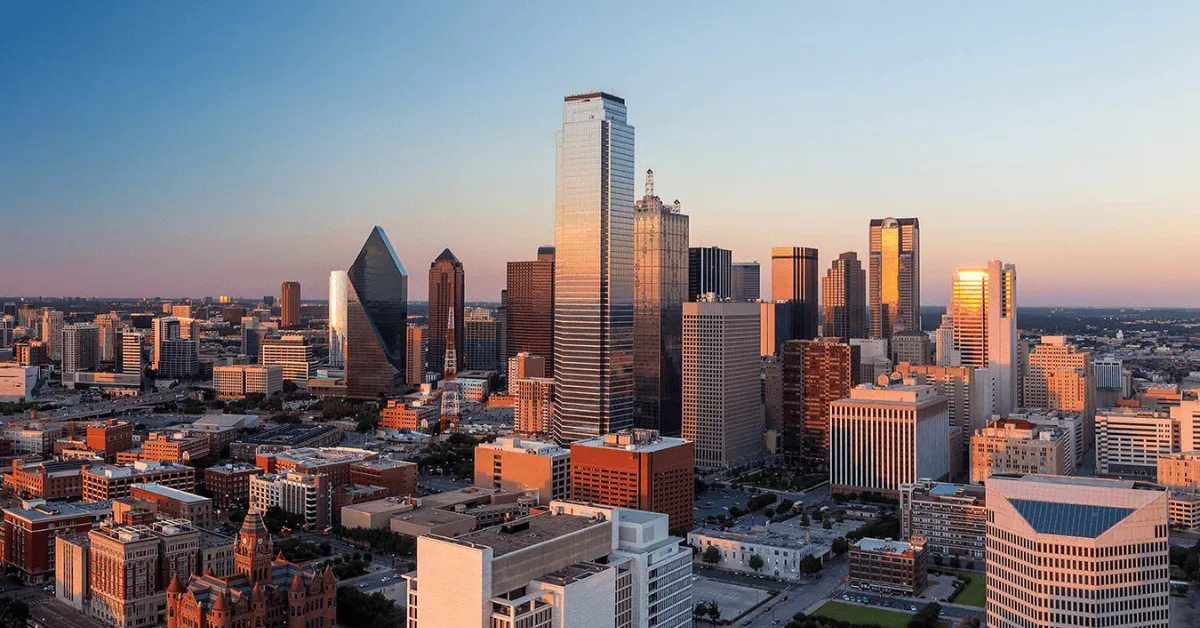
Dallas’s commercial real estate market, along with its surrounding areas, is rapidly evolving and reshaping how people live, work, and invest. From office space transformations in Uptown and the Design District to suburban growth in Plano, Frisco, Southlake, and Richardson, these shifts are influencing neighborhood development, property values, and moving decisions across the entire Dallas–Fort Worth metroplex.
What Key Office Space Trends Are Driving Neighborhood Growth in Dallas?
The rise of hybrid work and flexible office spaces is transforming both central Dallas and suburban communities. Coworking environments are becoming increasingly popular in Uptown, Plano, and Richardson, offering adaptable spaces for today’s workforce. At the same time, suburban campuses in Frisco, Plano, and Southlake are attracting corporations that want modern facilities with lower operating costs. Downtown, Uptown, and the Design District are seeing upgrades to premium Class A office towers, which not only draw businesses but also enhance housing demand nearby. Collectively, these office trends are influencing commute patterns, residential growth, and infrastructure improvements across the metroplex.
How Is Hybrid Work Reshaping Dallas Office Demand?
Hybrid work models are reducing reliance on traditional downtown towers while increasing demand for neighborhood-based offices. Many companies are downsizing to smaller headquarters while opening satellite hubs in Plano, Richardson, and Frisco. Uptown and Highland Park are seeing the rise of wellness-focused office spaces that emphasize sustainable design, technology integration, and collaboration. Meanwhile, residential areas like Southlake and Preston Hollow are attracting professionals who want to live closer to suburban employment centers. This shift is creating new suburban office hubs while also fueling the revitalization of urban cores such as the Design District.
Which Suburban Areas Are Emerging as New Office Hubs?
Suburban areas around Dallas are experiencing rapid commercial expansion. Plano is expanding with new corporate campuses and technology parks, while Frisco is becoming a center for sports, entertainment, and modern office complexes. Las Colinas, near Richardson, continues to grow as a scenic waterfront business district that hosts several major enterprises. Southlake has emerged as another attractive destination for regional offices, thanks to its affluent residential base and strong community infrastructure. These new hubs are drawing businesses away from the central core and creating increased housing demand in nearby neighborhoods.
What Does the “Flight to Quality” Mean for Urban Dallas Neighborhoods?
The “flight to quality” refers to companies upgrading into high-end Class A offices with state-of-the-art amenities. This trend is reshaping urban neighborhoods like Uptown, Victory Park, and the Design District. In Uptown, premium offices are encouraging infrastructure investments, improved transit, and luxury condo development. Victory Park is attracting companies to its new towers while simultaneously supporting retail and entertainment growth. The Design District is revitalizing historic properties into creative mixed-use spaces that appeal to both businesses and residents. These changes are improving living standards in nearby areas such as Highland Park, University Park, and Lakewood.
How Is Industrial Growth Impacting Dallas Communities?
Industrial expansion, driven largely by e-commerce and logistics, is reshaping communities across Dallas. Garland is seeing new logistics parks that are stimulating apartment construction. Oak Cliff is experiencing the revitalization of industrial sites, which is creating job opportunities and attracting new businesses. Arlington’s growing manufacturing hubs are boosting rental demand and supporting infrastructure upgrades. While these changes bring economic benefits, they also introduce challenges such as heavier traffic and environmental concerns, requiring local communities to balance growth with quality of life.
What Retail Developments Are Transforming Dallas Neighborhoods?
Retail trends in Dallas are shifting toward experiential and lifestyle-focused destinations that integrate shopping, dining, and entertainment. Plano’s Legacy West offers luxury retail stores alongside live events, making it a key attraction for residents and visitors alike. The Bishop Arts District is revitalizing with boutique shops and culinary pop-ups, adding cultural vibrancy to the neighborhood. Uptown is benefitting from the expansion of Klyde Warren Park, which serves as a lifestyle anchor that connects communities. Deep Ellum is also undergoing a transformation, blending arts, nightlife, and retail to enhance its appeal. These retail hubs are not only increasing walkability but also driving up home values in their surrounding areas.
How Are Multifamily Housing Trends Influencing Single-Family Areas?
Dallas’s rapid population growth—more than 178,000 new residents in 2023–24—is fueling demand for multifamily housing. Uptown is adding over 1,200 new units, Victory Park is contributing nearly 950 apartments, and the Southern Dallas Innovation District is developing 600 new residences near technology hubs. These projects provide more rental options and stabilize home prices by easing competition in the single-family housing market. At the same time, they enhance the desirability of nearby neighborhoods such as Lakewood, Highland Park, University Park, and Preston Hollow, as more residents are drawn to vibrant, mixed-use communities.
What Role Do Mixed-Use Developments Play in Dallas Revitalization?
Mixed-use projects are reshaping urban and suburban areas by integrating residential, office, and retail functions into a single location. In Dallas, the Bishop Arts District and Deep Ellum are transforming into walkable, culturally rich neighborhoods with boutique shops and modern living spaces. Midtown’s Valley View Mall redevelopment is becoming a live-work-play destination that will anchor the city’s northern corridor. In Plano and Frisco, suburban mixed-use centers are offering upscale housing combined with shopping and entertainment. These developments are creating dynamic communities that attract residents seeking convenience, lifestyle amenities, and reduced commute times.
What Economic and Demographic Factors Are Driving These Trends?
Dallas’s commercial real estate boom is being fueled by robust job growth, steady population increases, and strong investment activity. Expanding industries such as technology, finance, and logistics are driving demand for both commercial and residential spaces. The influx of new residents requires diverse housing options, while investors are focusing on sectors like life sciences and sustainable development. This combination of economic drivers and demographic shifts is shaping where development occurs, influencing everything from urban revitalization to suburban expansion.
How Can Homeowners and Businesses Navigate These Shifts?
Homeowners and businesses across Dallas, Highland Park, Lakewood, University Park, Preston Hollow, Plano, Frisco, Richardson, and Southlake can benefit from pairing market knowledge with professional support. Relocation services ensure a smooth moving process, from packing and transportation to setup in the new location. Home staging helps sellers maximize property value by showcasing spaces with curated furnishings and professional photography. Interior design services add long-term value by tailoring homes to reflect both personal style and neighborhood trends. By leveraging these expert services, residents and businesses can adapt with confidence to the rapidly changing Dallas real estate market.
Final Thought
Dallas and its surrounding areas are evolving rapidly, with commercial real estate trends shaping everything from office demand to housing values. For homeowners, buyers, and businesses, staying ahead of these shifts can be the difference between missed opportunities and long-term success. By combining market insight with professional support—whether through relocation services, home staging, or interior design—you can position yourself to thrive in Dallas’s ever-changing landscape.
What are the fastest-growing Dallas suburbs for office and housing demand?
Plano, Frisco, Southlake, and Richardson are leading the way with new corporate campuses, mixed-use developments, and strong residential demand.
How does hybrid work affect Dallas real estate trends?
Hybrid work reduces reliance on downtown towers while fueling growth in suburban office hubs, coworking spaces, and residential communities near employment centers.
Which Dallas neighborhoods benefit most from Class A office development?
Uptown, Victory Park, and the Design District are seeing new premium office towers, which drive nearby condo, retail, and multifamily demand.
How is industrial growth shaping Dallas communities?
Logistics and manufacturing hubs in Garland, Arlington, and Oak Cliff are creating jobs, boosting rental demand, and spurring infrastructure upgrades.
What retail trends are transforming Dallas neighborhoods?
Lifestyle-driven retail like Legacy West, Bishop Arts, and Klyde Warren Park bring entertainment, walkability, and rising property values.
Contact Us
Terms & Conditions
Privacy Policy