GOAL.MD Health & Wellness Blog
Evidence-based insights, medical weight loss information, and practical tips from our physicians and healthcare experts.

Wegovy vs Ozempic vs Compounded: Which One Should You Take?
If you're exploring GLP-1 medications for weight loss or metabolic support, you’ve likely come across three terms over and over again: Wegovy®, Ozempic®, and Compounded Semaglutide. They all promise similar outcomes—reduced appetite, better blood sugar control, and real weight loss—but the differences between them can be confusing, and potentially costly.
Let’s break down how these options compare, what the science says, and which one might be the right fit for you in 2025.
First, What Do They Have in Common?
All three options—Wegovy, Ozempic, and compounded semaglutide—are based on the GLP-1 receptor agonist semaglutide. This hormone:
Slows digestion
Reduces appetite
Improves insulin sensitivity
Helps regulate blood sugar and cravings
But how they’re made, dosed, and regulated? That’s where the differences begin.
Wegovy: FDA-Approved for Weight Loss
Wegovy® (semaglutide 2.4mg weekly) is the only FDA-approved semaglutide product specifically for weight loss. It’s manufactured by Novo Nordisk and clinically proven to help patients lose 15% or more of their body weight when combined with lifestyle changes.
Pros:
High-dose formulation made specifically for obesity
Covered by some insurance plans
Robust clinical trial backing
Cons:
Limited availability due to demand
Expensive without insurance (up to $1,300/month)
Insurance prior authorizations can be difficult
Ozempic: FDA-Approved for Diabetes—Used Off-Label for Weight Loss
Ozempic® (semaglutide up to 2.0mg weekly) is technically a type 2 diabetes medication, but it's widely prescribed off-label for weight loss because it uses the same molecule.
Pros:
More available than Wegovy in many areas
Insurance coverage is easier for those with diabetes
Often leads to 10–15% weight loss even at lower doses
Cons:
Lower dose than Wegovy, so may plateau earlier
Side effects are still present
Still costly without insurance (roughly $1,000/month)
Compounded Semaglutide: A More Affordable, Less Regulated Alternative
Compounded semaglutide is not an FDA-approved product, but it can be legally prepared by specialty pharmacies when brand-name drugs are in shortage—something the GLP-1 market has seen repeatedly.
Pros:
Far cheaper: $297–$500/month
More flexible dosing and access
Telehealth options available
Cons:
No official FDA oversight on quality or sterility
Some versions contain semaglutide salts, not identical to the brand-name
Risk of variability between pharmacies
Must choose a reputable compounder to ensure safety
So... Which Should You Take?
Here’s how to decide:
If Cost Is Your Biggest Concern:
Compounded semaglutide is by far the most affordable. Just make sure it’s from a verified 503A or 503B pharmacy with proper sterility protocols.
If You Want an FDA-Approved Option for Weight Loss:
Wegovy is the clear winner—if you can get it and afford it.
If You're Diabetic (or Pre-Diabetic) and Want Coverage:
Ozempic may be your best route, especially if you already have an A1C diagnosis.
Bonus: What About Tirzepatide (Mounjaro, Zepbound)?
Though not semaglutide, tirzepatide (a dual GIP/GLP-1 agonist) is gaining steam and may offer even more weight loss. Zepbound is FDA-approved for obesity, and Mounjaro for type 2 diabetes.
Watch for compounded versions here too—but with similar caution about sourcing and dosage.
Final Recommendation
There is no one-size-fits-all when it comes to GLP-1 medications. Your best option depends on:
Your health history
Insurance or budget
Side effect tolerance
Your timeline and goals
No matter what you choose, work with a provider who prioritizes lab testing, safe prescribing, and ongoing support.
Get Started Safely with GOAL.MD
At GOAL.MD, we offer:
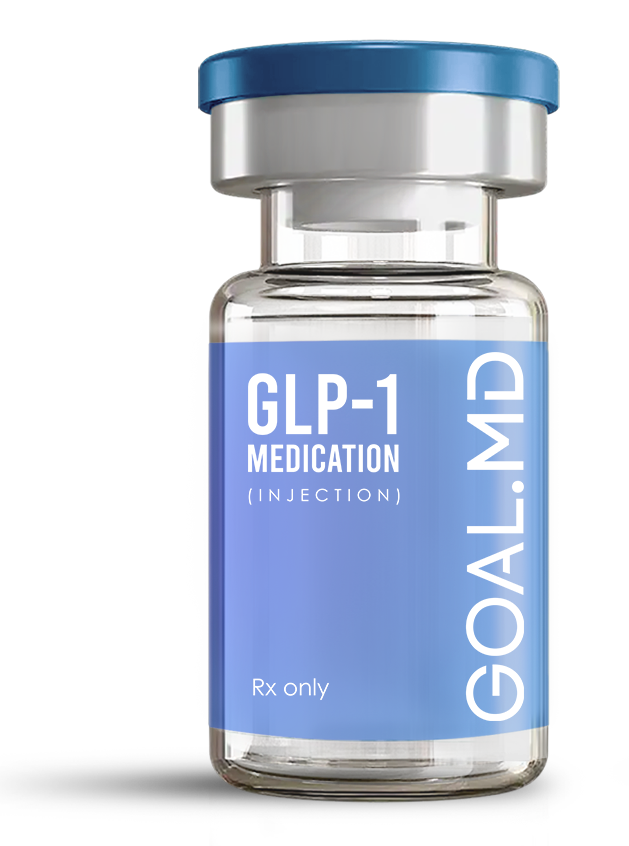
Clinically-backed compounded GLP-1 options starting at $297/month
Personalized onboarding with lab testing
Weight loss plans supervised by medical experts
Flexible treatment with coaching and education
🎯 Take the GLP-1 quiz or start your plan today →

Disclaimer: Wegovy® and Ozempic® are trademarks of Novo Nordisk A/S. Mounjaro® and Zepbound® are trademarks of Eli Lilly and Company. GOAL.MD is a physician-owned medical practice, not a pharmacy. We do not manufacture or distribute medications. Prescriptions are issued when medically appropriate, and compounded medications are filled by FDA-monitored 503A/503B pharmacies. GOAL.MD is LegitScript Certified, BBB Accredited, and A+ Rated. We are not affiliated with Novo Nordisk or Eli Lilly.




At Eden, we believe in empowering individuals on their weight loss journey through personalized metabolic care. Our commitment to transparent pricing is reflected in our 'Same Price at Every Dose' philosophy. This ensures predictability in your costs – you'll pay the same price for your medication regardless of dosage adjustments throughout your program. Please note that this may exclude any new member discounts or specific plans. Terms& conditions apply.
*Prescription products require an online evaluation with an independent licensed medical professional who will determine if a prescription is appropriate. See important are based on 3rd party studies. Medications are prescribed by independent licensed physicians as part of our weight loss programs. Actual product packaging may appear differently than shown. Physicians may prescribe compounded medications as needed to meet patient requirements or drug shortages. The FDA does not review or approve any compounded medications for safety or effectiveness.
Should you seek a prescription item, Eden will facilitate arranging a consultation with a qualified independent provider. The Provider will assess your suitability for the prescription item. If deemed suitable, a doctor may issue a prescription for the item, which can be filled at a partner pharmacy, unless you specify an alternative preference.
You also consent to Eden using your information for third-party advertising purposes, including but not limited to targeted advertising on platforms such as Facebook, Google, and other similar sites. This includes using hashed and de-identified data to create custom audiences for targeted advertising and to exclude existing customers from certain marketing campaigns. You can opt-out of receiving marketing emails at any time by following the unsubscribe instructions provided in each email or by contacting us directly at [email protected]
Note: The above statements have not been evaluated by the Food and Drug Administration. This product is not intended to diagnose, treat, cure, or prevent any disease.
Why GOAL.MD?
✅ Sourced from audited 503a US compounding pharmacies.
✅ Custom dosages adjusted to your needs.
✅ Free consultation + 24/7 support.

How It Works
1. Quiz
90 seconds. No commitment.
2. Consult
Video chat with your GOAL.MD doctor.
3. Deliver
Meds at your door tomorrow.
Transform Your Life with Physician-Directed Care
Join thousands who've found success with physician-directed care. Take our 3-minute quiz to see if medical weight loss is right for you.