
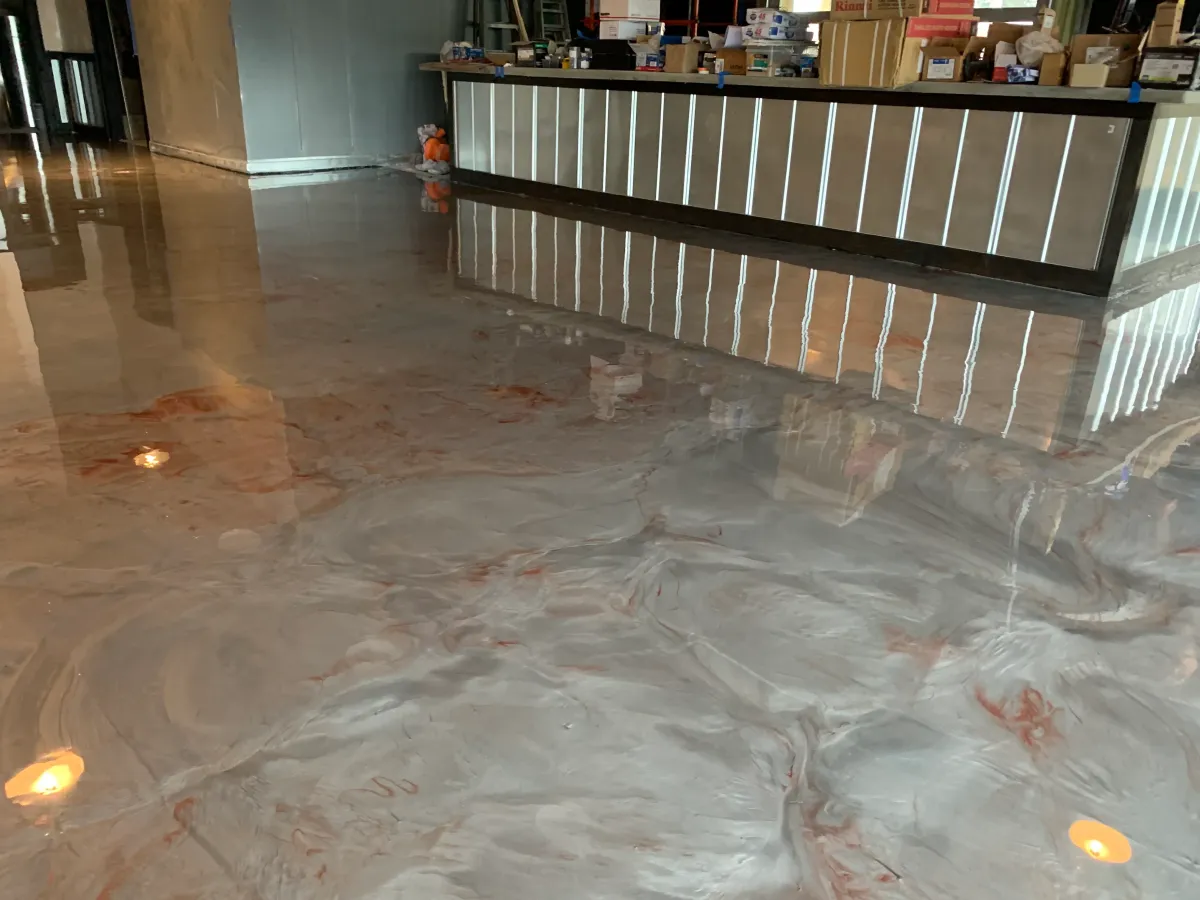
Marble Epoxy Flooring Advantages in Lake City, FL & Surrounding Areas
Marble epoxy flooring is a premium flooring solution that combines the durability of epoxy with the elegant appearance of natural stone. This type of flooring is becoming increasingly popular for homes and businesses in Lake City, FL, and surrounding communities like High Springs, Gainesville, and Alachua. Unlike natural marble, which is porous and susceptible to staining, marble epoxy offers a seamless, non-porous surface that is highly resistant to moisture, chemicals, and everyday wear. Its combination of aesthetic appeal and high-performance properties makes it an ideal choice for both residential and commercial spaces in Florida's humid climate.
What are the key advantages of choosing marble epoxy flooring?
Marble epoxy flooring offers a range of benefits that make it an excellent choice for any property. One of the primary advantages is its exceptional durability. It stands up to heavy foot traffic, impacts, and abrasion without showing signs of wear, which is ideal for high-traffic areas in homes and businesses. It's also resistant to stains, chemicals, and moisture, making it a perfect solution for kitchens, bathrooms, and garages where spills are common. The seamless surface prevents moisture from seeping into the subfloor, protecting against mold and mildew. Finally, the stunning aesthetic appeal of marble epoxy is a major draw. It can be customized to mimic the elegant veining and patterns of various types of natural marble, providing a luxurious look without the high cost and maintenance.
How does marble epoxy flooring compare to traditional flooring materials?
Marble epoxy flooring outperforms many traditional materials in several key areas. Unlike natural marble or tile, which can be slippery when wet, epoxy can be finished with an anti-slip additive for enhanced safety. Its non-porous surface is also much easier to clean than grout lines in tile, which tend to trap dirt and grime. Hardwood floors are susceptible to moisture damage and scratches, while marble epoxy is a moisture-resistant and highly scratch-resistant solution. While concrete is durable, it is porous and prone to staining, whereas the epoxy coating creates an impervious layer of protection. For commercial spaces, its durability and low maintenance needs can lead to significant cost savings over time compared to materials that require frequent cleaning, polishing, or replacement.
What is the installation process for marble epoxy flooring?
The installation process for marble epoxy flooring is a multi-step procedure that ensures a flawless and long-lasting finish. First, the existing concrete or subfloor is thoroughly cleaned and prepared. This includes grinding the surface to create a profile for proper adhesion, as well as repairing any cracks or imperfections. Next, a primer coat is applied to the prepared surface. The epoxy is then mixed with a hardener and pigments to achieve the desired marble effect before being poured and spread across the floor. Artisans meticulously work the epoxy to create the unique veining and patterns that mimic natural marble. A final, clear topcoat is then applied to seal the surface and provide additional protection, leaving a durable, high-gloss finish.
Is marble epoxy flooring a cost-effective choice for properties in Lake City?
Yes, marble epoxy flooring is a highly cost-effective choice, especially for properties in and around Lake City, High Springs, and Alachua. While the initial cost may be higher than some basic flooring options, its long-term value is undeniable. The extreme durability and resistance to wear mean it will not need to be replaced for decades, unlike carpets or some tiles that wear out quickly. Its low maintenance requirements also save money on cleaning products and professional services. Moreover, the high-end, luxurious appearance significantly increases a property's value, offering an excellent return on investment for both homeowners and businesses.
How is marble epoxy flooring maintained?
Maintaining marble epoxy flooring is simple and cost-effective. Regular sweeping or vacuuming with a soft brush attachment is recommended to remove dirt and debris. For deeper cleaning, a damp mop with a pH-neutral cleaner is all that's needed. Unlike grout lines in tile, the seamless surface of epoxy doesn't trap dirt, making cleaning a breeze. It's best to avoid harsh, abrasive chemicals as they can dull the floor's shine. With proper care, a marble epoxy floor will maintain its luster for years.
Is marble epoxy flooring slippery?
A common concern with any high-gloss flooring is slipperiness. While a smooth epoxy surface can be slick when wet, a professional installer can add an anti-slip additive to the final topcoat. This additive provides a slightly textured finish that enhances traction without compromising the floor's aesthetic appeal. This is a crucial safety measure, especially for commercial properties or residential areas that are prone to spills.
Can marble epoxy flooring be used in commercial spaces?
Yes, marble epoxy flooring is an ideal solution for commercial spaces. Its durability, resistance to heavy foot and vehicle traffic, and ease of maintenance make it perfect for retail stores, showrooms, offices, and restaurants in Lake City, FL. The seamless, non-porous surface is also highly hygienic, making it suitable for environments where cleanliness is a top priority. The ability to customize the design to match a brand's aesthetic further adds to its appeal for commercial use.
Can marble epoxy flooring be customized for different design styles?
Yes, marble epoxy flooring is highly customizable, making it suitable for a wide range of design preferences. Property owners in Lake City, Alachua, and High Springs can choose from various color blends, veining effects, and finishes to match their interior or exterior theme. The flexibility of epoxy allows installers to create unique patterns that replicate natural stone or even modern artistic designs. This level of customization makes it ideal for both residential and commercial spaces. A personalized finish enhances overall aesthetics and property value.
How long does marble epoxy flooring typically last?
Marble epoxy flooring is known for its long lifespan when properly installed and maintained. In areas like Gainesville and Lake City, these floors can last 10 to 20 years or more without needing replacement. Its resistance to wear, moisture, and impact helps maintain its appearance over time. Regular maintenance and occasional resealing can further extend its durability. This long lifespan makes it a reliable and cost-effective flooring option.
Is marble epoxy flooring suitable for garages and industrial spaces?
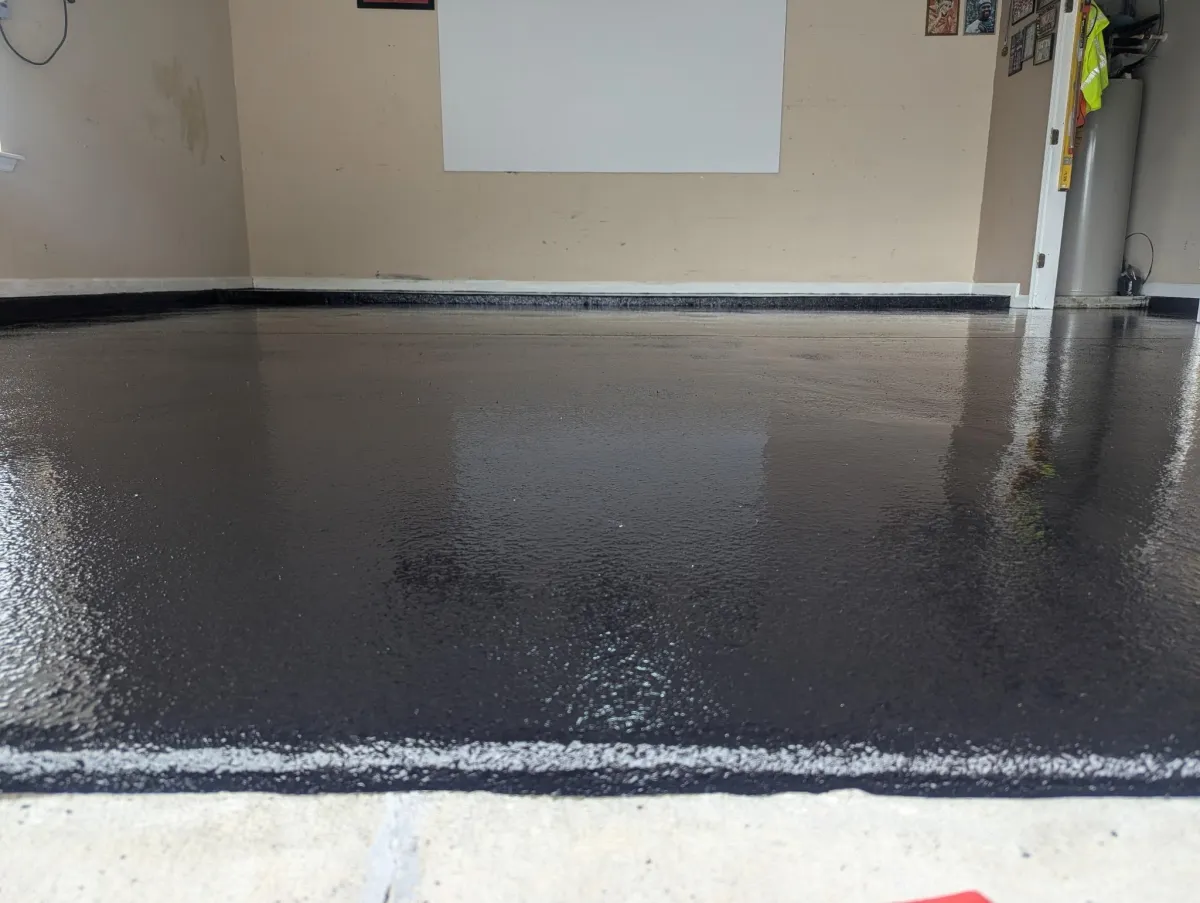
Yes, marble epoxy flooring performs exceptionally well in garages and industrial environments. Its strong surface resists heavy equipment, vehicle traffic, and chemical spills, making it ideal for demanding conditions in places like Valdosta and surrounding areas. The seamless coating prevents oil and liquids from penetrating the surface, reducing damage risks. It also improves safety by allowing optional anti-slip finishes. This combination of strength and functionality makes it a practical solution for high-use spaces.
Final Thoughts
Marble epoxy flooring is a versatile and elegant solution that offers significant advantages over traditional flooring materials. Its blend of high-end aesthetics and superior durability makes it a smart investment for homeowners and businesses in Lake City, Gainesville, and the surrounding areas. By providing a low-maintenance, long-lasting, and beautiful finish, marble epoxy floors enhance both the value and functionality of any property.
How long does marble epoxy flooring last?
When professionally installed and properly maintained, marble epoxy flooring can last for decades. Its lifespan is significantly longer than many other flooring options, often exceeding 20 years. The longevity is a result of the material's inherent durability, resistance to wear and tear, and the protective topcoat that guards against UV light and abrasion. This makes it a one-time investment that provides lasting value.\
Can you install marble epoxy over my existing flooring?
Marble epoxy flooring requires a solid, prepared surface for proper adhesion. It is most commonly installed over concrete. If you have an existing floor like tile or wood, it will likely need to be completely removed, and the underlying concrete subfloor prepped before the epoxy can be applied. Installing over an uneven or unprepared surface can lead to peeling, cracking, and a poor finish, so professional surface preparation is key.
Is marble epoxy flooring environmentally friendly?
The environmental impact of marble epoxy flooring depends on the specific product used. Many modern epoxy formulations are low-VOC (Volatile Organic Compounds), which means they release fewer harmful chemicals into the air during and after installation. The long lifespan of the flooring also reduces waste associated with frequent replacements, making it a sustainable choice in the long run.
How long does it take to install marble epoxy flooring?
The installation process typically takes a few days, depending on the size of the area and the complexity of the design. The first day is dedicated to surface preparation and priming. The second day involves applying the decorative epoxy layers to create the marble effect. The final day is for applying the topcoat and allowing it to cure. The floor is usually ready for light foot traffic within 24-48 hours, with a full cure taking up to a week.
Can you repair a damaged marble epoxy floor?
Yes, damaged sections of a marble epoxy floor can often be repaired. A professional can typically sand down the damaged area, re-apply the epoxy and pigments to match the existing pattern, and then apply a new topcoat. While seamless repairs are possible, it's best to consult with a professional to ensure the repair blends perfectly with the rest of the floor.