
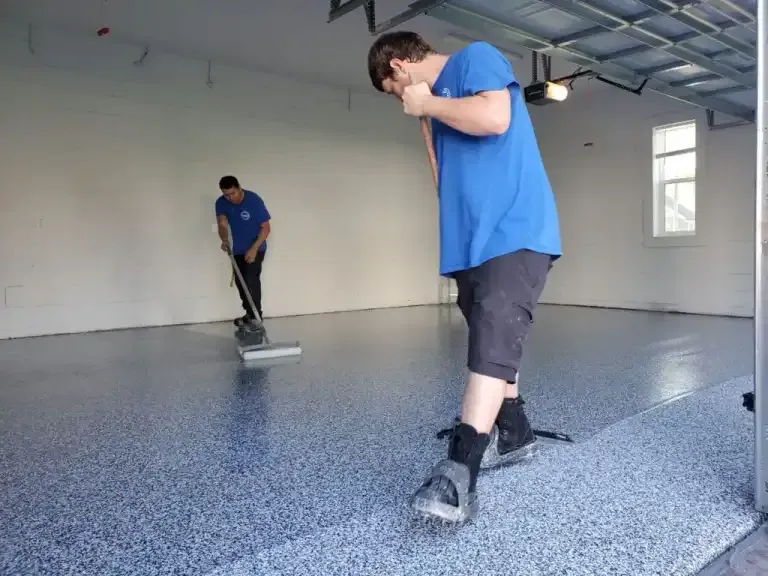
How to Maintain Epoxy Surfaces for Longevity in Lake City, FL and Surrounding Areas
In regions like Lake City, Orange Park, St. Augustine, St. Johns, Valdosta, Middleburg, Alachua, Jacksonville, Green Cove Springs, and Gainesville, epoxy flooring is a popular choice for garages, patios, commercial spaces, and interiors because of its durability and sleek finish. However, the humid climate and heavy foot traffic in North Florida and South Georgia can shorten the lifespan of epoxy coatings without proper care. Knowing the right maintenance practices helps homeowners and businesses keep epoxy surfaces looking new and performing well for years.
Why Is Regular Cleaning Important for Epoxy Flooring?
Routine cleaning prevents dirt, sand, and debris from scratching epoxy surfaces. In high-traffic areas of Jacksonville or Gainesville, sweeping and mopping with a mild detergent helps preserve the coating’s glossy finish and prevents buildup that can damage the protective layer.
Can Moisture Affect Epoxy Surfaces in Humid Areas?
Yes, moisture is one of the biggest threats to epoxy flooring in humid climates like Lake City, St. Augustine, and Green Cove Springs. Excess water can seep into cracks or edges, causing peeling or bubbling. Using dehumidifiers indoors and keeping outdoor areas sealed reduces the risk of moisture-related damage.
How Often Should Epoxy Floors Be Resealed?
Epoxy floors generally need resealing every three to five years. However, in areas with heavier humidity such as Alachua and Middleburg, more frequent resealing may be necessary. Regular inspections can help determine the right concrete maintenance schedule.
What’s the Best Way to Protect Epoxy from Scratches?
Furniture pads, rugs, and mats are simple but effective solutions. In busy households in Orange Park or commercial spaces in Valdosta, preventing direct contact from sharp objects or dragging heavy equipment protects the epoxy’s surface from scratches and chips.
How Should Spills and Stains Be Handled on Epoxy Floors?
Epoxy surfaces are resistant to many chemicals, but spills should be cleaned immediately. In garages across St. Johns or Gainesville, automotive fluids can discolor or weaken epoxy if left unattended. Quick cleanup with gentle cleaners prevents long-term damage.
Are Harsh Cleaners Safe to Use on Epoxy Flooring?
No. Strong acidic or abrasive cleaners can dull the finish and damage the epoxy layer. In Jacksonville and surrounding towns, mild soap solutions or cleaners specifically designed for epoxy surfaces are the safest options.
Can Epoxy Flooring Withstand Outdoor Conditions in North Florida?
Epoxy can be used outdoors, but constant UV exposure in areas like St. Augustine and Green Cove Springs may cause fading or yellowing. For outdoor spaces, adding a UV-resistant topcoat or considering polyaspartic coatings provides better long-term results.
How Does Heavy Traffic Impact Epoxy Surfaces?
In commercial settings around Valdosta or busy homes in Orange Park, constant foot traffic and heavy equipment can gradually wear down epoxy. Applying a protective topcoat or choosing a thicker system during installation helps extend its lifespan.
What Role Does Professional Maintenance Play in Longevity?
DIY cleaning helps, but professional inspections in Lake City, Middleburg, or Gainesville ensure epoxy floors remain in top condition. Professionals can reseal surfaces, repair chips, and recommend additional protective coatings for long-lasting results.
Final Thought
Maintaining epoxy flooring in Lake City, Orange Park, St. Augustine, St. Johns, Valdosta, Middleburg, Alachua, Jacksonville, Green Cove Springs, and Gainesville requires consistent care, timely resealing, and professional upkeep. With the right cleaning habits, protective measures, and occasional expert maintenance, epoxy surfaces can remain durable, safe, and visually appealing for many years. Whether in residential garages, patios, or high-traffic commercial spaces, proper maintenance ensures your investment withstands the challenges of North Florida and South Georgia’s climate.
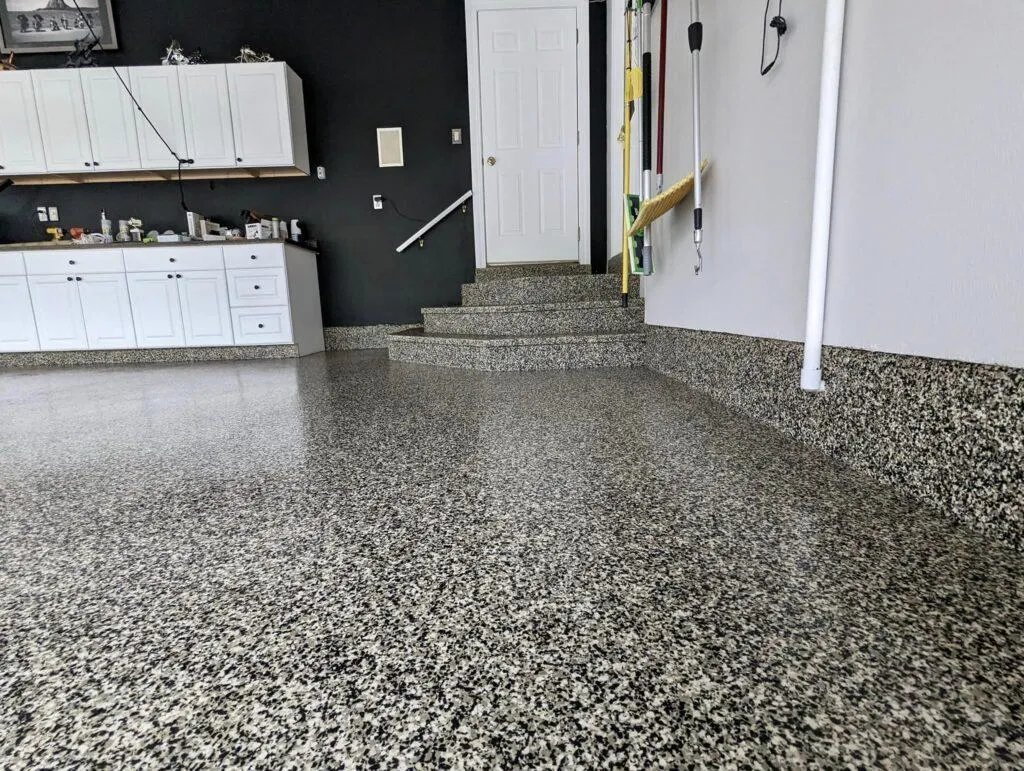
Can pressure washing be used on epoxy surfaces?
It’s best to avoid high-pressure washing, as it may weaken the sealant. Gentle cleaning methods are safer.
How do I reduce slipperiness on epoxy-coated garage floors?
Adding slip-resistant additives or textured sealers during maintenance improves safety in wet areas.
Is epoxy safe for pet-friendly homes in North Florida?
Yes, epoxy is stain-resistant and easy to clean, making it ideal for homes with pets.
Can damaged epoxy spots be repaired without full replacement?
Yes, professionals can patch and reseal small areas without needing a full resurfacing.
How do I know if my epoxy floor needs resealing?
Signs include dullness, peeling edges, or areas that no longer repel water as they should.