
Commercial Epoxy Flooring in Goodyear
Commercial & Industrial Epoxy Flooring
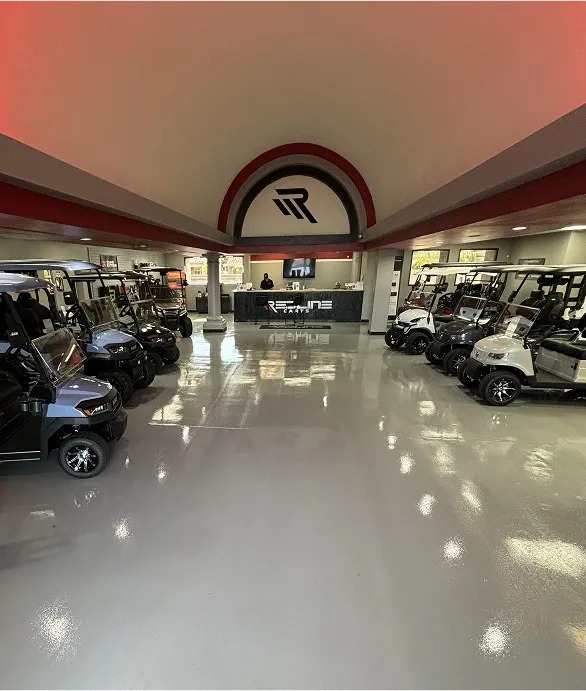
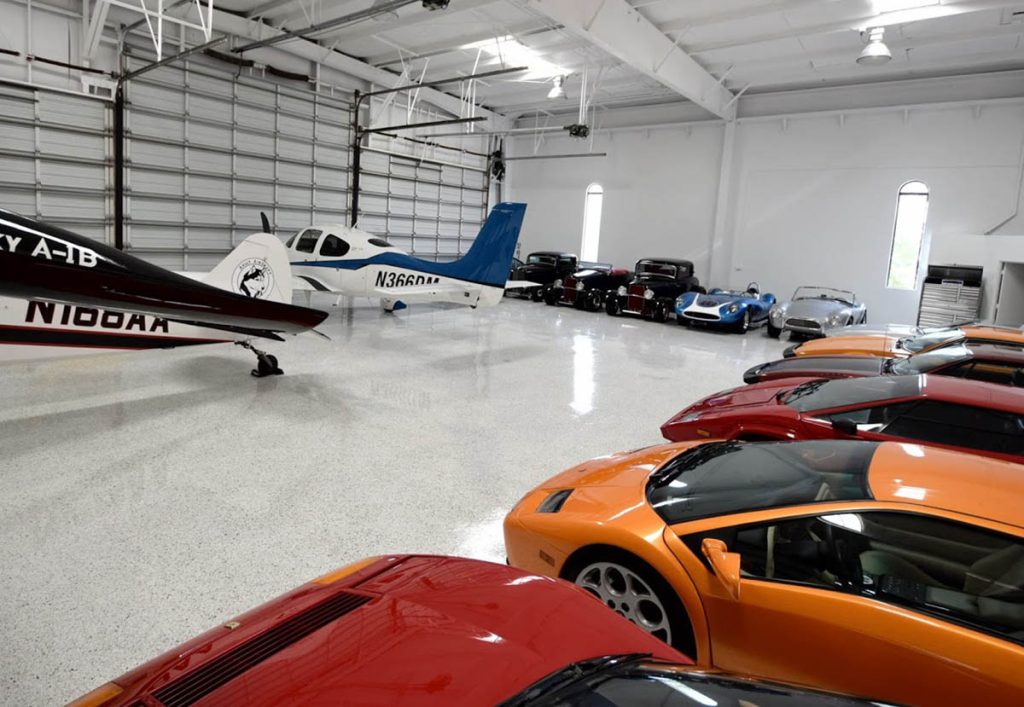
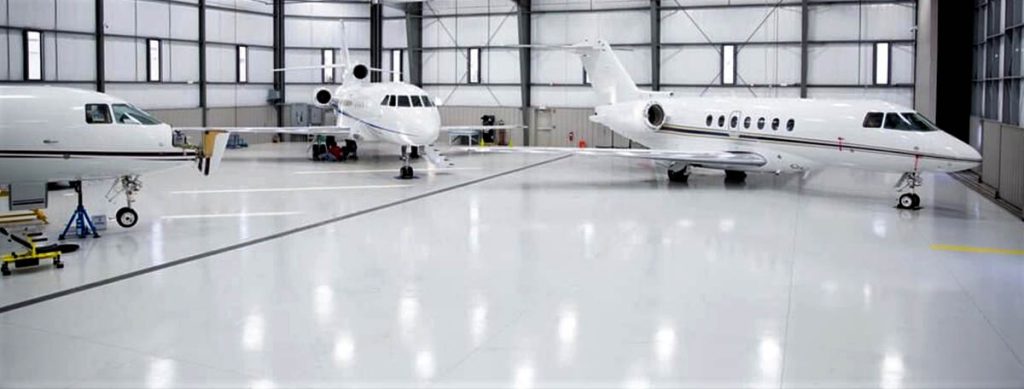
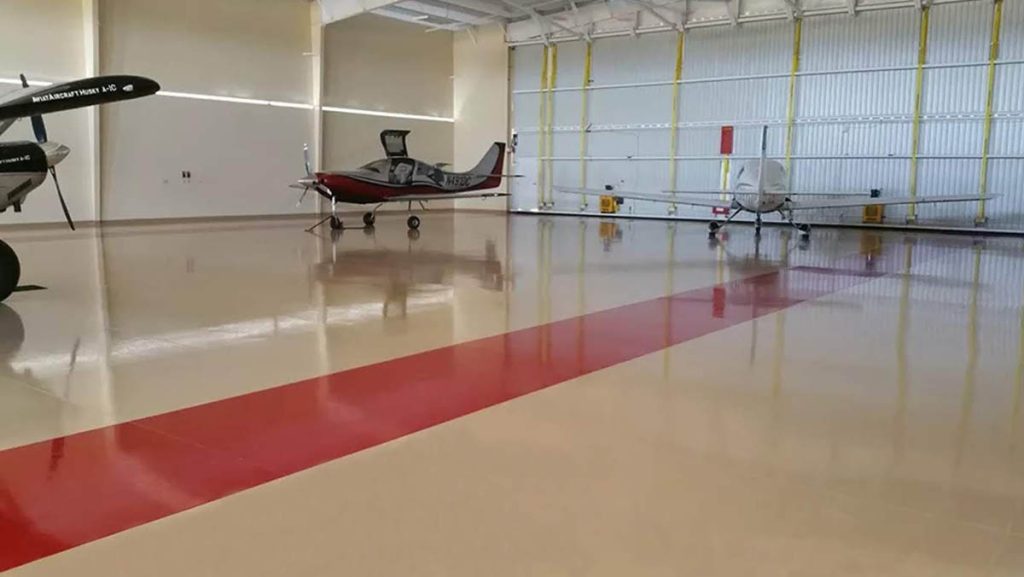
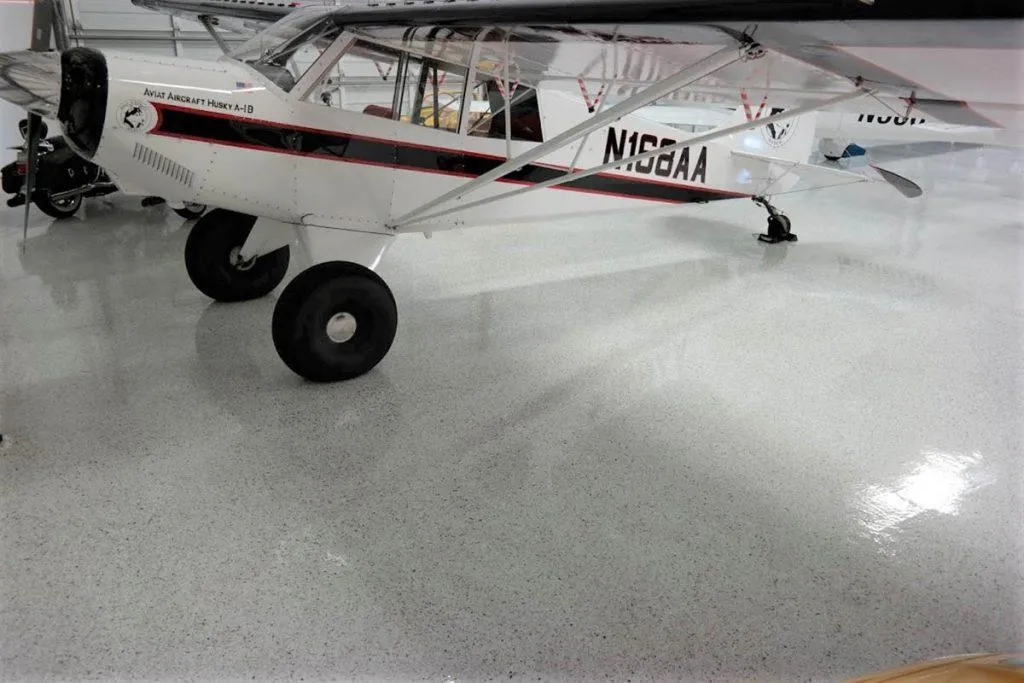
High-performance epoxy and polyaspartic floor coatings designed for commercial and industrial environments.
Your floors take constant wear from foot traffic, equipment, and daily operations. They need to perform reliably without breaking down or requiring constant maintenance.
We install commercial epoxy flooring systems built for durability, chemical resistance, and long-term performance. From warehouses and service bays to retail spaces and public facilities, our coatings create a clean, professional surface that holds up under pressure.
Each system is tailored to the demands of your space, whether that means handling heavy equipment, improving safety with slip-resistant finishes, or minimizing downtime with fast-curing coatings. The result is a floor that not only looks professional but continues to perform in high-use environments.
Why Businesses Choose Us for Commercial Epoxy Floors:
Built for Heavy Use
Our coating systems are designed to handle forklifts, vehicle traffic, chemical exposure, and constant use without peeling or wearing down.
Minimal Downtime
Fast-curing systems allow many projects to be completed within 24–48 hours, helping reduce disruption to your operations.
Scalable for Any Space
From small commercial units to large industrial facilities, we deliver consistent results with proper preparation and durable coatings.
The Business Advantage of Epoxy Flooring
Commercial and industrial environments require flooring that can handle continuous use without frequent repairs or downtime. Epoxy flooring provides a seamless, durable surface designed to perform under heavy traffic, equipment use, and daily wear.
By sealing and protecting the underlying concrete, these systems help reduce surface damage, minimize dust, and create a more controlled, professional environment.
Investing in the right flooring system helps support daily operations while protecting your facility long-term.
Safety & Protection
Slip-resistant finishes and chemical-resistant coatings help create a safer workspace for employees and customers. A well-coated floor can also improve visibility and reduce hazards caused by dust, spills, or worn concrete.
Long-Term Value
Epoxy flooring is built for durability and ease of maintenance. The seamless surface makes cleaning faster and more efficient, while reducing the need for frequent repairs or replacements - helping lower long-term operational costs.
Professional Appearance
A clean, uniform floor improves the overall look of your space and reflects a well-maintained, professional operation. This is especially important in customer-facing environments like retail spaces, showrooms, and service areas.
Commercial & Industrial Coatings
Specialized coatings are often used alongside epoxy systems to improve durability, UV resistance, and cure time. This allows for faster return to service while maintaining long-term performance.
We help determine the right system based on your space, usage, and timeline.
If you're planning a commercial flooring project, we’ll walk you through your options and recommend the best system for your space.
Industries We Serve
Auto dealerships & service bays
Warehouses & fulfillment centers
Retail showrooms
Medical & lab facilities
Airplane hangars
Commercial garages & storage units
Hospitality, restaurants, and lobbies
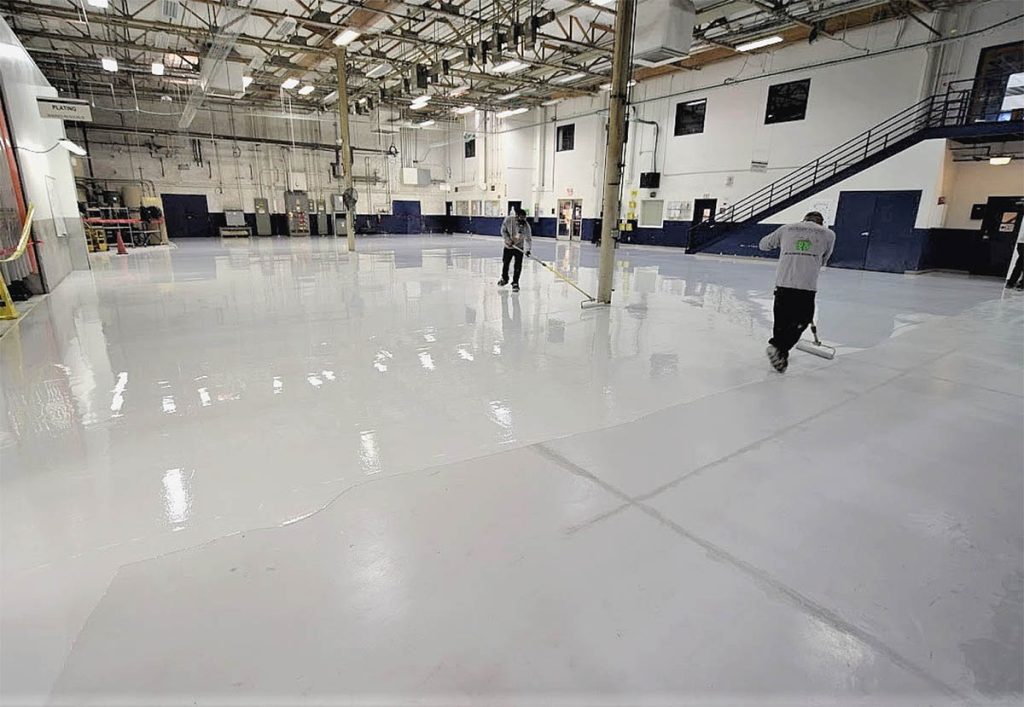
Industrial-Grade Durability
Designed to handle heavy loads, equipment, and daily wear in demanding environments.
Rapid Turnaround
Quick-curing systems help minimize downtime and keep your operations moving.
Safety & Compliance
Slip-resistant finishes and durable coatings support a safer, more reliable workspace.
Frequently Asked Questions About Commercial Epoxy Flooring
What commercial floor systems do you recommend for warehouses and factories?
The best flooring system depends on how the space is used and the level of traffic it needs to handle.
For heavy industrial environments like warehouses and factories, high-build epoxy systems are commonly used because they provide strong adhesion, durability, and resistance to impact, abrasion, and equipment traffic such as forklifts.
In areas where faster turnaround is important, like service bays or retail spaces, epoxy systems can be paired with fast-curing topcoats such as polyaspartic to reduce downtime and allow the space to be used sooner.
We recommend the right system based on your specific environment, traffic levels, and operational needs.
How do commercial epoxy flooring systems handle chemical exposure?
Commercial epoxy flooring systems can be designed to resist common industrial substances like oils, solvents, cleaning agents, and some acids when the right materials are used.
The level of protection depends on the environment - what chemicals are present, how often they’re used, and how long they remain on the surface. Based on those factors, the system can be built with more durable, chemical-resistant coatings and additional thickness for added protection.
In more demanding environments, higher-performance systems can be used to provide long-term resistance and durability.
How do I choose the right flooring for heavy equipment and high-traffic areas?
The right flooring system depends on the type of traffic your space sees and how heavily it’s used.
In environments with forklifts, pallet jacks, or constant movement, the floor needs to handle weight, impact, and repeated wear without breaking down. Heavier traffic and tighter turning patterns can put additional stress on the surface over time.
For these conditions, thicker, high-build epoxy systems are typically recommended because they provide better durability and help distribute weight more effectively across the concrete.
We’ll look at how your space is used - including equipment, traffic flow, and daily demands - to recommend a system that performs reliably and holds up long-term.
Can commercial epoxy floors be made slip-resistant and meet safety requirements?
Yes, commercial epoxy flooring can be designed with slip-resistant finishes to help improve safety in the workplace.
Textured coatings, such as flake (chip) systems or added slip-resistant materials, can be incorporated into the floor to increase traction. The level of texture can be adjusted based on the environment - whether it’s a dry workspace, a ramp, or an area exposed to moisture or spills.
These systems can be installed to help meet safety requirements and support compliance with workplace standards, depending on the needs of your facility.
Are epoxy floors suitable for food processing areas or labs?
Yes, epoxy and similar coating systems can be designed to meet the hygiene and durability requirements of food processing facilities, commercial kitchens, and laboratory environments.
These floors are installed as seamless, non-porous surfaces, which makes them easy to clean and sanitize while helping prevent the buildup of bacteria. In many cases, the flooring can also include coved edges where the floor meets the wall, eliminating hard-to-clean corners.
For environments with strict cleanliness standards, specialized systems can be used that are resistant to chemicals, moisture, and frequent washdowns.
How quickly can commercial flooring be installed without shutting down operations?
Installation time depends on the size of the space, the condition of the concrete, and the type of coating system being used.
For some commercial areas, fast-curing systems can help reduce downtime and allow foot traffic or limited use within hours. Vehicle or equipment traffic may require more curing time, depending on the system and environment.
For larger facilities, work can often be completed in phases, after hours, or in sections so the entire operation does not have to shut down at once.
The best approach is to evaluate your space, traffic needs, and timeline upfront so the installation plan supports your operations with as little disruption as possible.
What surface preparation and moisture control are required for commercial flooring projects?
Proper surface preparation is one of the most important steps in any commercial flooring project. It ensures the coating bonds correctly and performs long-term.
This typically includes mechanically preparing the concrete, such as grinding the surface, to remove contaminants and create the right profile for adhesion. Any cracks or damaged areas are also repaired before coatings are applied.
Moisture is another key factor. The concrete may be tested to determine if excess moisture is present. If needed, moisture-tolerant primers or vapor control systems can be used to prevent future issues.
Taking the time to properly prepare the surface and address moisture conditions is essential; most coating failures are caused by inadequate preparation rather than the coating itself.
How are joints, cracks, and expansion handled in commercial floors?
Concrete naturally expands, contracts, and develops cracks over time, so these areas need to be handled carefully during installation.
Cracks are typically repaired before coating - smaller cracks are filled, while larger or more active cracks may require flexible materials that allow for movement without affecting the surface.
Joints (such as control or expansion joints) are usually maintained or treated with flexible fillers so the floor can continue to move as intended without causing the coating to fail.
The goal is to create a durable, uniform surface while still allowing the concrete to move naturally. Addressing these areas properly is key to preventing future cracking or coating issues.
What warranties and maintenance plans are typical for commercial flooring?
Warranty coverage for commercial flooring can vary based on the contractor, the system installed, and how the space is used.
Most professional installations include a written warranty that may cover materials and workmanship, with terms often tied to proper use and routine maintenance.
Maintaining the floor is key to long-term performance. This typically includes regular cleaning, periodic inspections, and refreshing the topcoat in high-traffic areas as needed.
A consistent maintenance plan helps extend the life of the floor and keep it performing reliably over time.
We’ll review warranty details and maintenance expectations before starting any project so you know exactly what to expect.
Are commercial flooring systems tested for performance?
Yes, commercial flooring systems are tested for things like durability, slip resistance, and how well they hold up to wear and chemical exposure.
For projects with specific requirements, such as food facilities or specialized work environments, systems can be selected to meet those standards.
We can help determine the right system based on your facility’s needs and any performance requirements.
How much does commercial epoxy flooring cost?
The cost of commercial epoxy flooring depends on the size of the space, the condition of the concrete, and the type of system required.
Factors like surface preparation, repairs, and the level of durability needed all play a role in pricing.
The best way to get accurate pricing is to request a free estimate based on your facility and operational needs.
Epoxy Flooring in Goodyear and the West Valley
We provide epoxy flooring and concrete coatings throughout the West Valley, including Goodyear and surrounding areas. If you’re looking for a reliable local team that does solid work and stands behind it, we’re here to help.
Phone: (602) 597-0500


Business hours
Monday - Friday:
7am -6pm
Saturday:
8am - 4pm
Sunday:
Closed
Copyright © 2026 Goodyear Epoxy Flooring. All rights reserved.