
Residential Epoxy
Flooring in Goodyear
Residential Epoxy Floor Coatings
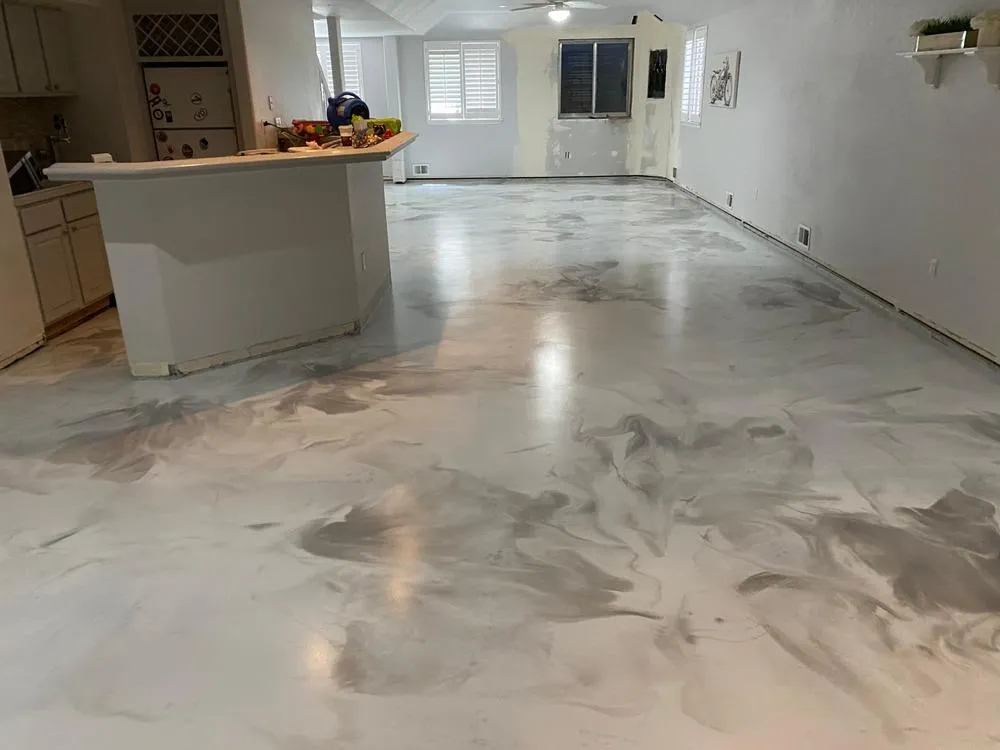
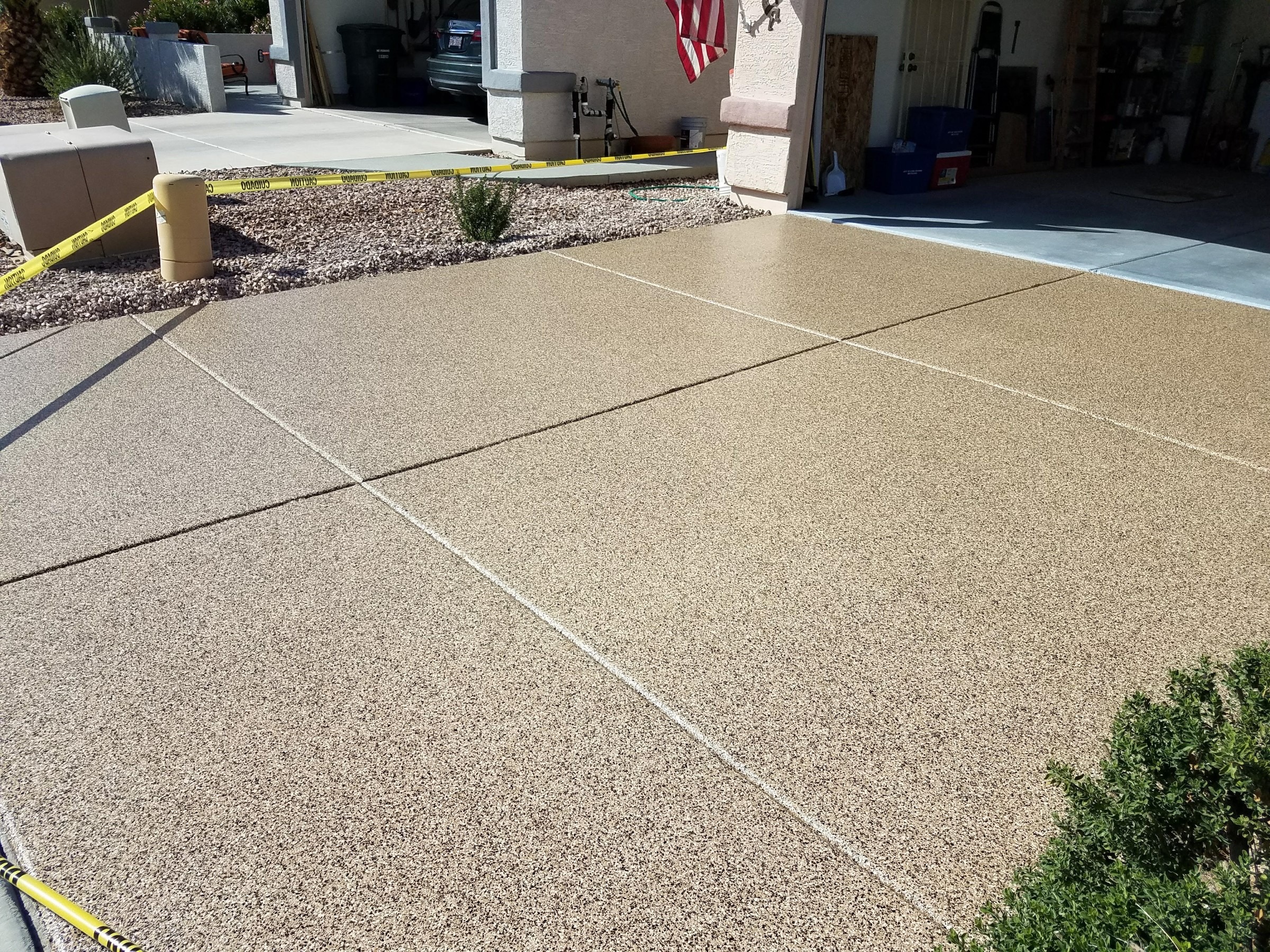
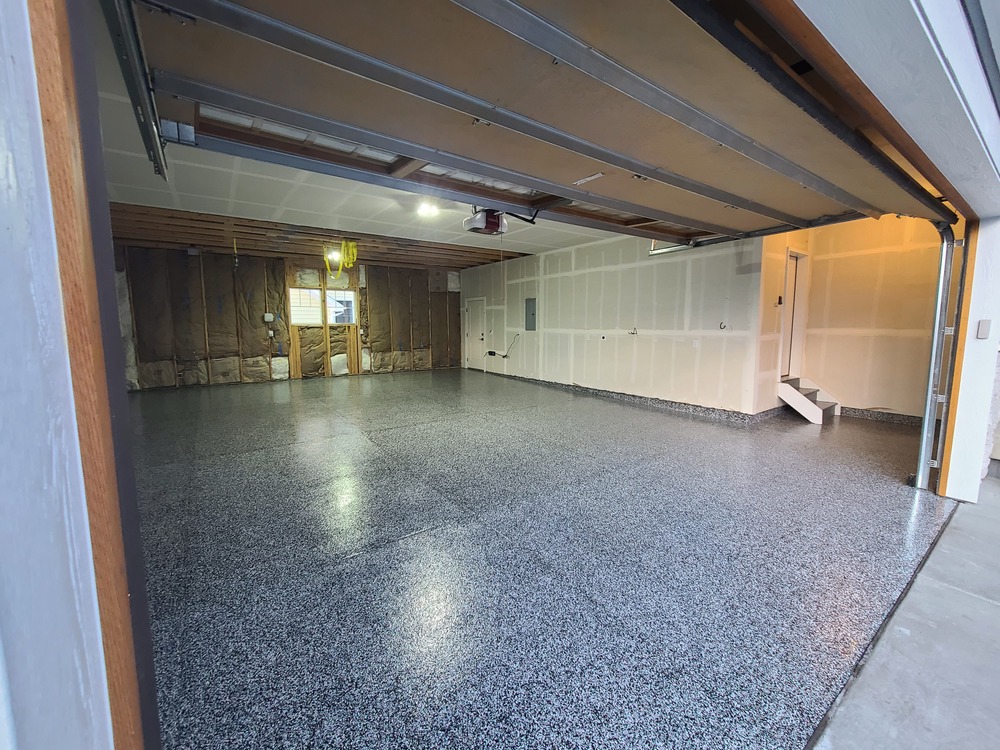
Upgrade your garage with premium epoxy and polyaspartic floor coatings designed for long-term performance in Arizona conditions.
A professionally installed garage floor does more than improve appearance—it adds durability, reduces maintenance, and makes one of the most used spaces in your home easier to keep clean and functional.
Instead of dealing with stained, dusty, or worn concrete, you get a sealed surface that holds up to vehicles, spills, and everyday use.
In Arizona, garage floors are exposed to extreme heat, dust, and temperature changes that can break down untreated concrete over time. Our coating systems are designed to handle these conditions while maintaining a consistent, finished look.
With years of experience installing residential epoxy flooring, we deliver seamless coatings built to handle daily wear while maintaining a clean, durable surface that performs the way it should over time.
Why Homeowners Choose Our Garage Floor Coatings
Built to Last
Our epoxy and polyaspartic systems are designed to resist hot tire pickup, oil stains, UV exposure, and daily wear. With proper installation and care, your floor is built for long-term performance.
Fast, Professional Installation
Most garage floor coatings are completed in as little as one day. Our team works efficiently while maintaining attention to detail, so you get a clean, consistent finish without unnecessary disruption.
Customized for Your Home
Choose from solid color, decorative chip, or metallic finishes to match your style and how you use your space. Each system is selected based on both appearance and performance.
Residential Garage Floor Solutions
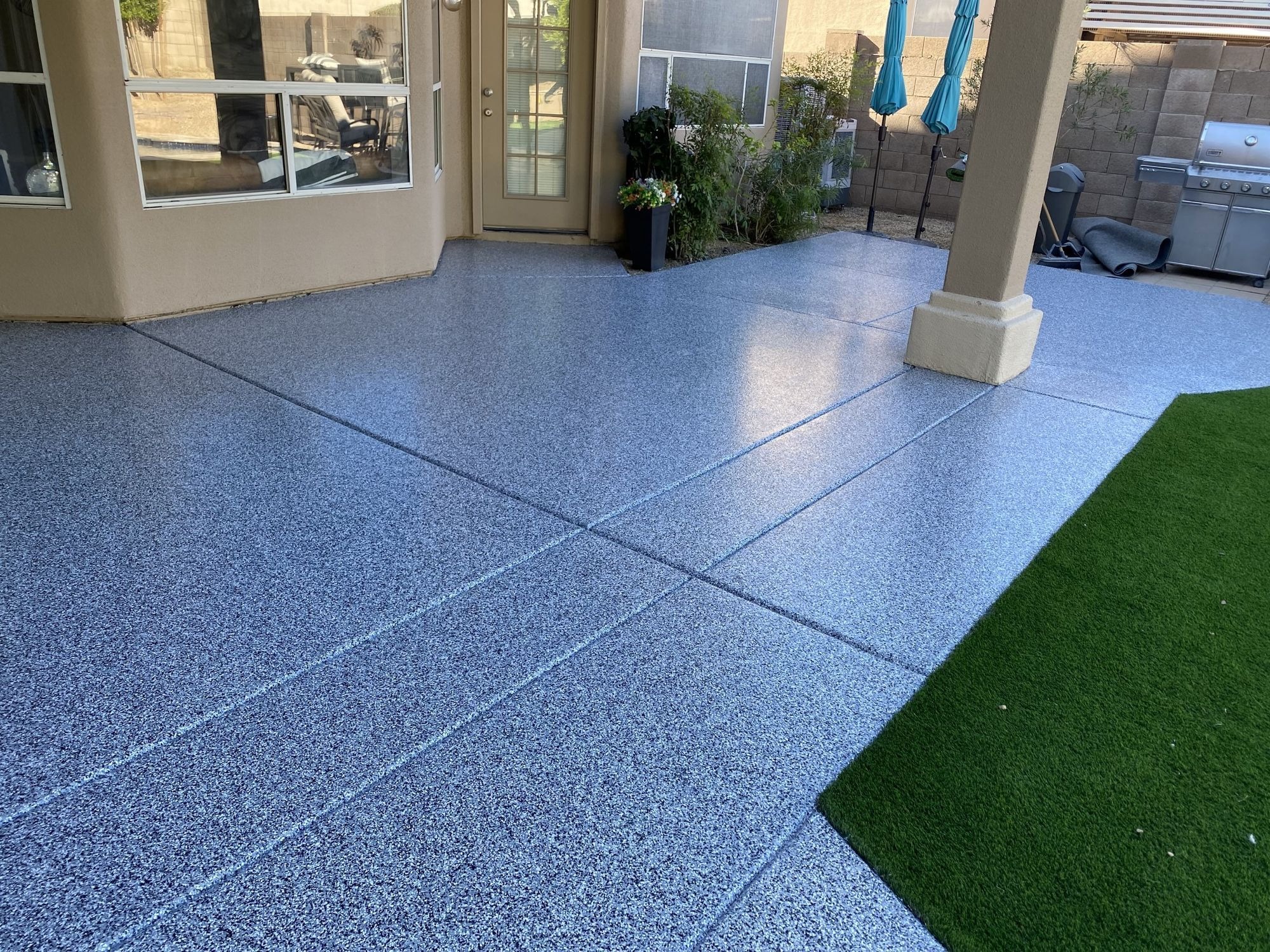
We install residential epoxy flooring that combines durability with a clean, finished look. Whether you prefer a solid color, decorative chip system, or metallic finish, each coating is designed to protect your concrete while improving the overall appearance of your garage.
Serving homeowners across Goodyear and surrounding areas, we focus on proper surface preparation, high-quality materials, and consistent results that hold up over time.
Why Choose Epoxy Floor Coatings?
Epoxy creates a strong, durable base that bonds to properly prepared concrete, while polyaspartic topcoats add UV resistance and faster cure times.
Together, these systems:
• Resist oil stains and chemical spills
• Hold up to abrasion and daily use
• Provide a clean, low-maintenance surface
• Offer a range of finishes to match your space
Benefits Homeowners Actually Notice
Low maintenance: Simple to clean with occasional washing
Stain & Chemical Resistance – Protects against oil, spills, and household chemicals
Fast Turnaround – Many floors are ready for use within 24–48 hours
Improved Appearance – Decorative finishes enhance curb appeal
Long-Term Value – Durable coatings help extend the life of your concrete
What the Installation Process Looks Like
A long-lasting epoxy floor starts with proper preparation. Our process includes:
• Moisture testing and surface evaluation
• Crack and damage repair
• Mechanical grinding to prepare the concrete
• Epoxy base coat application
• Decorative chip or metallic layer (optional)
• Protective topcoat for durability and UV resistance
Each step is completed to ensure strong adhesion, long-term performance, and a consistent finish.
Choosing the Right Epoxy Flooring System
Solid Color Epoxy
Clean, simple, and cost-effective for everyday use
Chip Broadcast (Granitex)
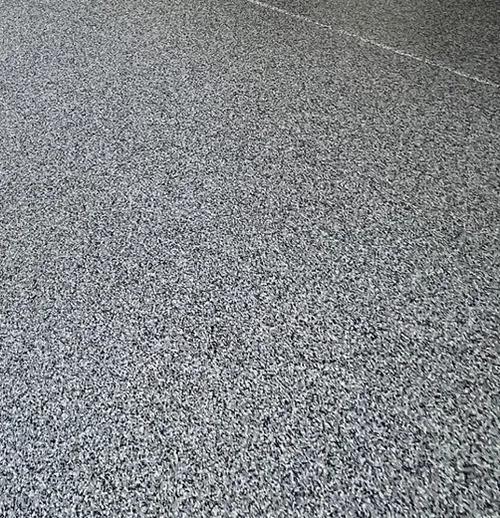
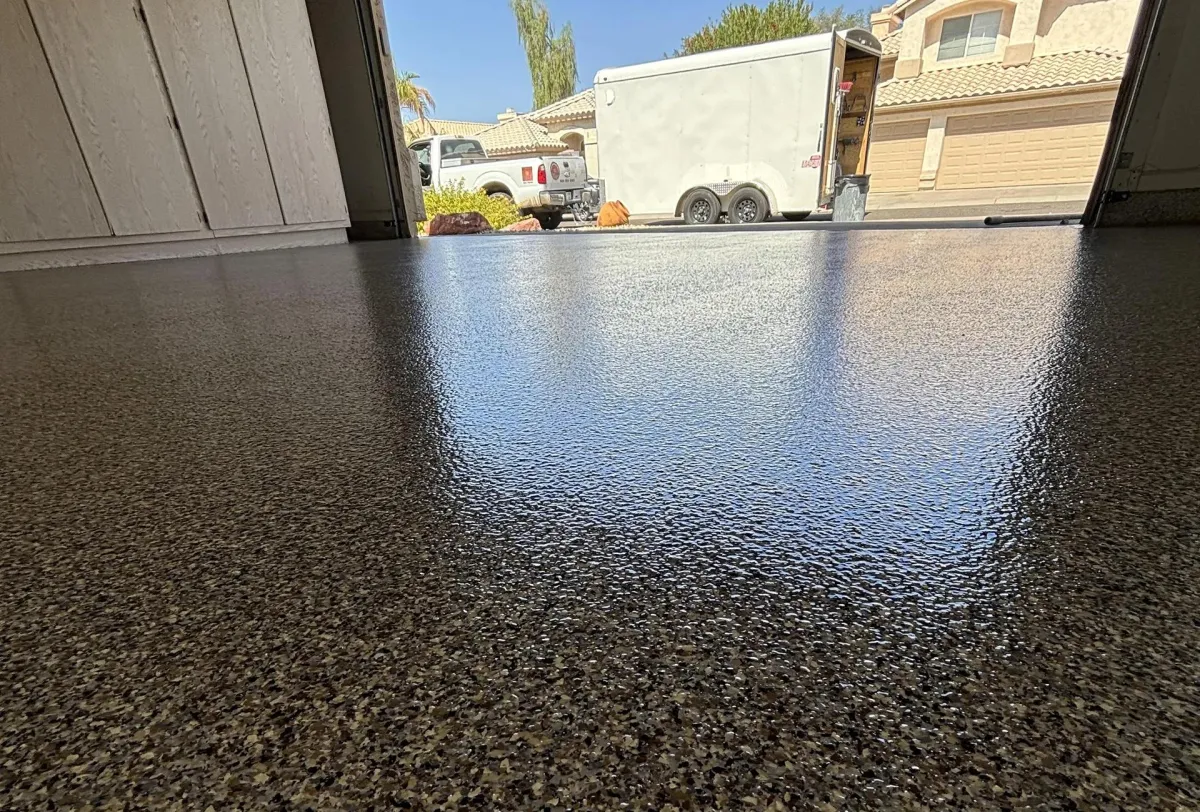
Textured, slip-resistant, and great for hiding imperfections
Metallic Epoxy
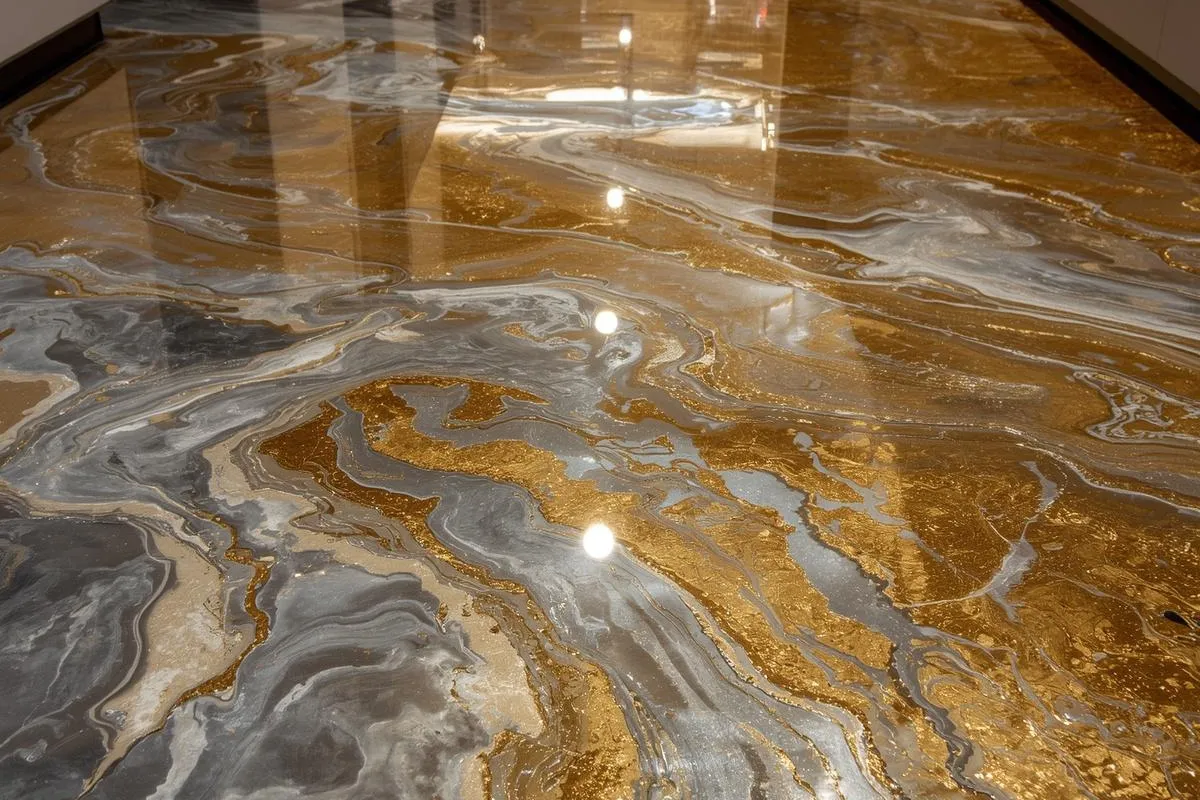
High-end finishes with a unique, custom look
Polyaspartic Topcoats
Ideal for UV exposure and faster return to service
Maintenance & Longevity
With proper installation and care, epoxy flooring can last for many years. Routine cleaning and avoiding harsh chemicals help maintain the finish.
In higher-traffic areas, a topcoat refresh may be recommended over time to extend the life of the system.
Ready to Upgrade Your Garage Floor?
If you're ready to improve your garage with a durable, professionally installed epoxy coating, we’re here to help.
Request a free estimate and we’ll walk you through your options, timelines, and the best system for your space.
What You Can Expect from Your Installation
Speak with our team to go over your project and get straightforward recommendations based on your space.
Thorough surface preparation
Crack repair and concrete restoration
High-quality epoxy base coat
Optional decorative finishes
Durable polyaspartic or polyurethane topcoat
UV-resistant, long-lasting finish
Written warranty with proper care
Local support and expert guidance
Frequently Asked Questions
What is a residential epoxy or polyaspartic garage floor system?
A residential epoxy or polyaspartic garage floor system is a multi-layer coating applied over your existing concrete to improve durability, appearance, and ease of maintenance.
The process typically includes surface preparation and repairs, followed by an epoxy base coat for strong adhesion. A decorative layer—such as a solid color, chip (flake) system, or metallic finish—can be added for appearance. The floor is then sealed with a protective topcoat, usually polyaspartic or polyurethane, to provide durability and UV resistance.
Together, these layers create a seamless, sealed surface that resists stains, reduces dust, and is much easier to clean while helping protect the underlying concrete.
Which is better for my garage - epoxy or polyaspartic?
It depends on what matters most for your space.
Epoxy is a cost-effective option that bonds well to concrete and works great for decorative finishes like chip (flake) systems or metallic floors. It’s a popular choice for most residential garages.
Polyaspartic coatings cure faster and offer better UV resistance, which helps prevent yellowing in garages that get a lot of sunlight. They also allow for quicker installation and faster return to use.
In many cases, the best solution is a combination of both—an epoxy base coat for strong adhesion, followed by a polyaspartic topcoat for added durability and UV protection.
How long does a residential epoxy floor last?
With proper installation and normal use, most residential epoxy and polyaspartic floor systems last 10–20 years or more.
Longevity depends on a few key factors, including how well the concrete is prepared, the condition of the slab, and how the space is used. Proper surface preparation—like grinding the concrete and repairing any damage—is one of the most important steps in ensuring the coating lasts.
High-quality materials and protective topcoats, such as polyaspartic or polyurethane, also help extend the life of the floor and maintain its appearance over time.
How much does a residential garage floor coating cost?
The cost of a residential garage floor coating can vary depending on the size of your garage, the condition of the concrete, and the type of system you choose.
Factors that affect pricing include:
• The coating system (epoxy, polyaspartic, or a combination)
• Decorative options like chip (flake) blends or metallic finishes
• Surface preparation and any necessary repairs
• Whether moisture mitigation is needed
Because every garage is different, the best way to get accurate pricing is to request a free estimate based on your space.
How long does installation take and when can I use my garage again?
Most residential garage floor coatings are completed in 1–3 days, depending on the condition of the concrete and the system being installed.
The process typically includes surface preparation and repairs on the first day, followed by the base coat and any decorative layer. A protective topcoat is then applied and allowed to cure.
Cure times can vary based on the materials used:
• Epoxy systems usually require 24–48 hours before vehicle use
• Polyaspartic topcoats cure much faster, often allowing same-day foot traffic and vehicle use within 24 hours
Factors like weather conditions and moisture in the concrete can affect the overall timeline, but most homeowners are able to get back to using their garage within a couple of days.
Can coatings be applied to a cracked or damaged slab?
Yes—epoxy coatings can be applied to damaged concrete, as long as the slab is properly repaired first.
Small cracks are typically filled with epoxy or similar materials, while larger damaged areas are patched and leveled to create a smooth, even surface. This step is important to ensure the coating bonds correctly and performs over time.
If there are larger structural issues or ongoing movement in the concrete, those problems need to be addressed before any coating is applied.
Proper repair and surface preparation are key to getting a long-lasting result.
Will my floor yellow or fade in Arizona sun?
Standard epoxy can yellow over time when exposed to direct sunlight. This is more noticeable in garages that get a lot of UV exposure, especially if the door is often open.
To prevent this, most systems include a UV-stable topcoat, such as polyaspartic or polyurethane. These coatings are designed to resist yellowing and help maintain the color and finish over time.
If your garage receives regular sunlight, choosing a UV-resistant system is an important part of getting long-lasting results.
How do I maintain a residential epoxy/polyaspartic floor?
Epoxy and polyaspartic floors are low maintenance and easy to keep clean with a simple routine.
• Regular cleaning – Sweep or dust mop to remove dirt and debris
• Occasional washing – Rinse with water or use a pH-neutral cleaner for deeper cleaning
• Avoid harsh chemicals – Strong solvents can damage certain topcoats over time
• Clean spills promptly – Oil, chemicals, and other liquids should be wiped up to prevent staining
For decorative chip systems or high-traffic areas, a topcoat refresh may be recommended over time to maintain appearance and performance.
Are decorative finishes like chip systems or metallic epoxy durable?
Yes—both decorative chip (flake) systems and metallic epoxy floors are designed to be durable when installed properly.
Chip systems create a textured, slip-resistant surface that helps hide minor imperfections and holds up well to everyday use in residential garages.
Metallic epoxy offers a more high-end, custom look with a smooth finish. When installed over properly prepared concrete and sealed with a durable, UV-resistant topcoat, it can be both visually striking and long-lasting.
The key to durability for any decorative finish is proper surface preparation and using the right topcoat for protection.
What kind of warranty should I expect for residential work?
Most reputable epoxy flooring installers offer a written warranty that covers both materials and workmanship.
The length and details of the warranty will depend on the specific products used and the condition of the concrete.
Before starting any project, it’s important to review the warranty terms so you understand what’s covered and what to expect.
We’ll walk you through warranty coverage before starting so there are no surprises.
Is epoxy flooring slippery when wet?
Epoxy floors can be slippery if a smooth finish is used, especially when wet. However, slip-resistant additives or textured finishes like chip (flake) systems can be added to improve traction.
For garages and residential spaces, most systems are designed with safety in mind while still being easy to clean.
Do I need to empty my garage before installation?
Yes, the garage should be cleared before installation so the entire surface can be properly prepared and coated.
This includes removing vehicles, storage items, and anything on the floor. Preparing the space ahead of time helps ensure a smoother installation process and better results.
Can epoxy flooring be installed over painted or sealed concrete?
In most cases, existing coatings or sealers need to be removed before applying epoxy.
Proper surface preparation—like grinding the concrete—is necessary to ensure the new coating bonds correctly and lasts over time.
Will my garage smell during or after installation?
There may be a mild odor during installation, especially with certain coating systems. However, most modern epoxy and polyaspartic products are designed to minimize fumes.
Any smell typically fades quickly once the coating has cured and the space is ventilated.
What temperature is best for installing epoxy flooring?
Epoxy and polyaspartic coatings perform best within certain temperature ranges. In Arizona, installations are typically scheduled during conditions that allow for proper curing.
Extreme heat or moisture can affect the process, so timing and preparation are important for the best results.
How thick is an epoxy garage floor coating?
Most residential systems are applied in multiple layers and typically range from about 10–30 mils thick, depending on the system and finish.
Thicker systems, like chip broadcast coatings, provide added durability and a more uniform appearance.
Epoxy Flooring in Goodyear and the West Valley
We provide epoxy flooring and concrete coatings throughout the West Valley, including Goodyear and surrounding areas. If you’re looking for a reliable local team that does solid work and stands behind it, we’re here to help.
Phone: (602) 597-0500


Business hours
Monday - Friday:
7am -6pm
Saturday:
8am - 4pm
Sunday:
Closed
Copyright © 2026 Goodyear Epoxy Flooring. All rights reserved.