Native Plants Perfect for Your Katy, TX & Surrounding Areas
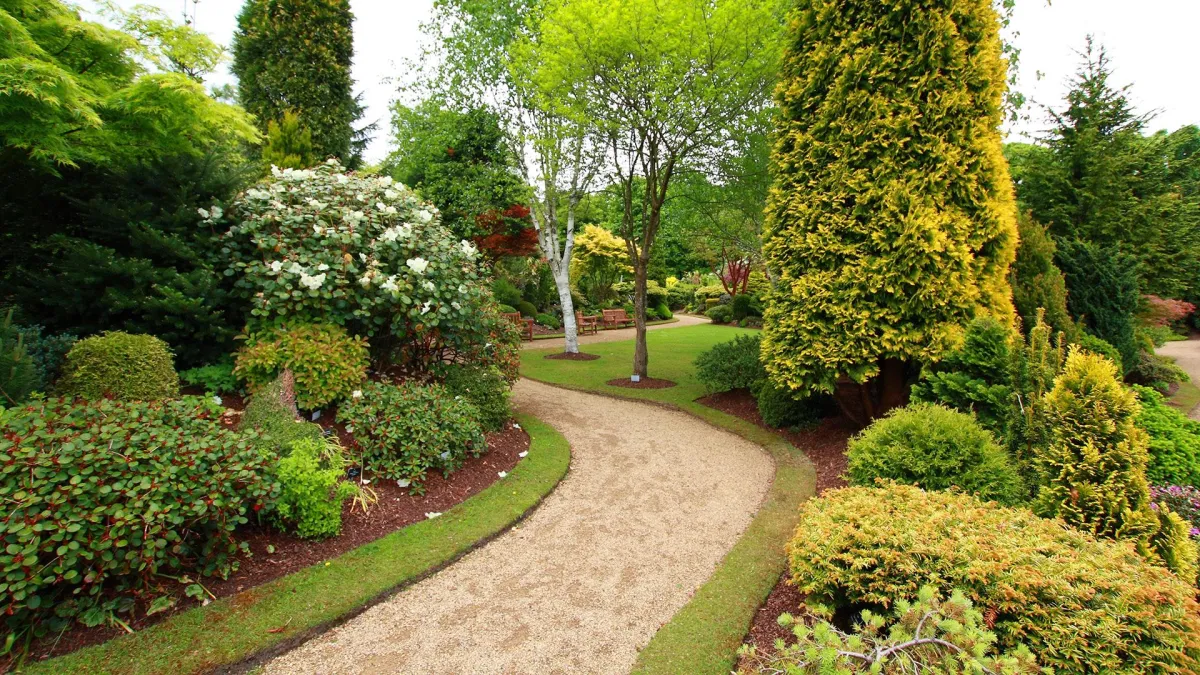
Homeowners in Katy, Texas, and nearby communities such as Cypress, Cinco Ranch, Richmond, Fulshear, and Sugar Land are increasingly choosing native plants to create beautiful, low-maintenance landscapes. Native plants thrive in Texas weather, require less watering, and support local wildlife. With the right plant selection and proper planning, residents can enjoy vibrant, sustainable yards that stay healthy year-round.
Why Are Native Plants a Smart Choice in Katy, TX?
Native plants are naturally adapted to Texas heat, soil conditions, and seasonal changes. Homeowners in Katy and Sugar Land benefit from landscapes that require less irrigation, resist pests, and stay healthy even during dry months. They are ideal for long-term, low-maintenance yard care.
How Do Native Plants Improve Seasonal Yard Maintenance?
Native plants adjust easily to Katy’s climate, reducing the need for fertilizers or constant watering. In areas like Cypress and Richmond, these plants stay strong during seasonal transitions, offering consistent color, drought tolerance, and natural resilience throughout the year.
What’s the Difference Between Native and Non-Native Plants?
Native plants originate naturally in Texas, while non-native species often require more water, soil amendments, and regular upkeep. Homeowners in Fulshear and Cinco Ranch prefer native plants because they thrive with less care, making them a cost-effective choice for eco-friendly landscaping.
Why Should I Use Professionals When Choosing Native Plants?
Professionals understand which plants fit your soil type, sun exposure, and yard layout. Experts in Katy and Sugar Land help design cohesive landscapes using native shrubs, grasses, and flowers that enhance curb appeal while reducing long-term maintenance.
Can Native Plants Improve My Yard’s Appearance?
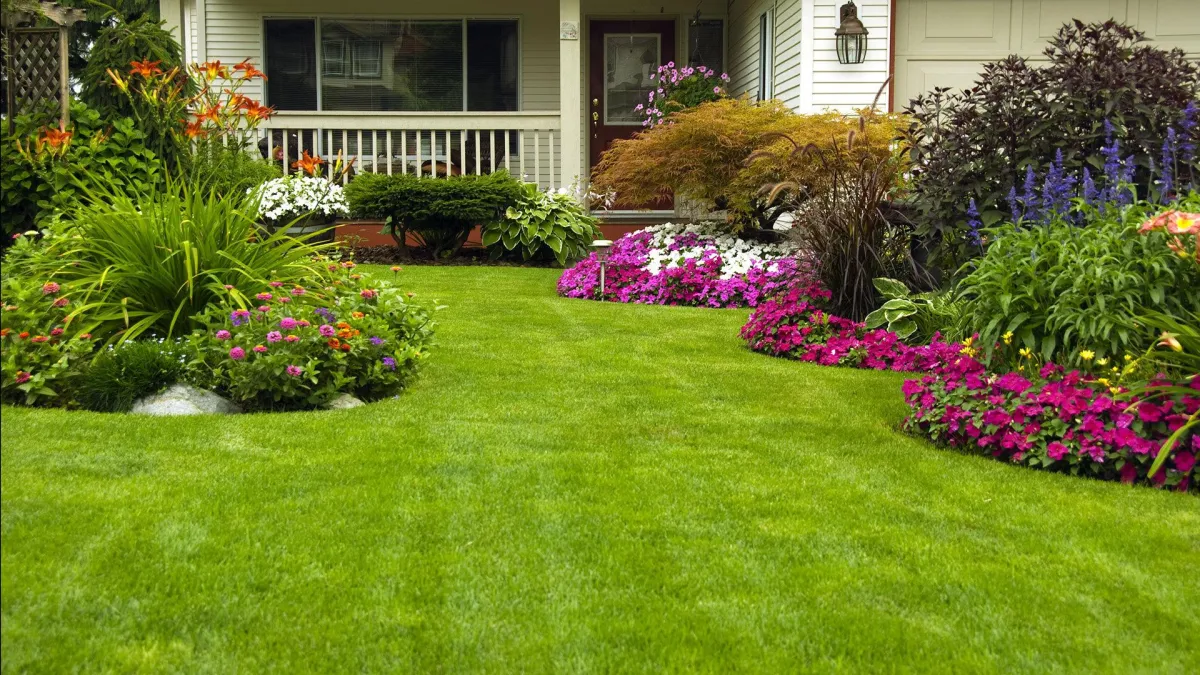
Yes. Native plants offer a wide variety of colors, textures, and seasonal blooms. Homeowners in Richmond and Fulshear use native flowers, grasses, and shrubs to create elegant, natural-looking yards that stay attractive without heavy irrigation or chemicals.
Do Native Plants Help Prevent Lawn and Soil Damage?
Absolutely. Native plants reduce soil erosion, improve drainage, and help maintain healthy root systems. In Katy and Cypress, choosing drought-tolerant native species reduces the risk of dried-out soil, plant stress, and unnecessary water use.
How Deep Should Native Plants Be Planted?
Most native plants require planting holes twice as wide as the root ball and deep enough to keep the crown level with the soil surface. Professional landscapers in Katy and Richmond ensure proper depth and spacing for long-term root development and plant health.
How Long Does It Take for Native Plants to Establish?
Depending on the species, native plants in Katy and Sugar Land typically establish within one growing season. With proper mulching and initial watering, homeowners see strong growth and improved resilience within months.
What Happens After Planting Native Species?
After planting, landscapers water deeply, add mulch, and check sun exposure to ensure proper growth conditions. Many homeowners in Cinco Ranch and Fulshear schedule seasonal maintenance or follow-up visits to keep the landscape thriving with minimal effort.
Final Thought
Choosing native plants for your Katy, TX yard—as well as nearby areas like Cypress, Richmond, Fulshear, Cinco Ranch, and Sugar Land—creates a beautiful, sustainable landscape with less work. With professional planning and proper plant selection, your yard will thrive naturally, reduce water use, and enhance curb appeal all year long. Trust local experts to design a low-maintenance, eco-friendly landscape built for Texas weather.
What are the best native plants for Katy, TX landscapes?
Popular native choices include Gulf muhly grass, Texas sage, Black-eyed Susan, Turk’s cap, and Lantana—all well-suited to Katy’s climate.
Do native plants require less water than traditional landscaping plants?
Yes. Native plants are adapted to local rainfall and soil conditions, reducing the need for frequent watering and lowering utility costs.
Are native plants resistant to Texas pests and diseases?
Native plants are naturally more resistant to local pests and plant diseases, which helps reduce the need for chemical treatments.
Can native plants attract wildlife to my yard?
Absolutely. Many native species attract butterflies, bees, hummingbirds, and beneficial pollinators, improving the health of your ecosystem.
Do native plants work well in both sun and shade areas?
Yes. There are native plant options for full sun, partial sun, and shaded areas. A landscaping professional can help select the right plants for each zone in your yard.
- Here's some stuff
- Here's some stuff